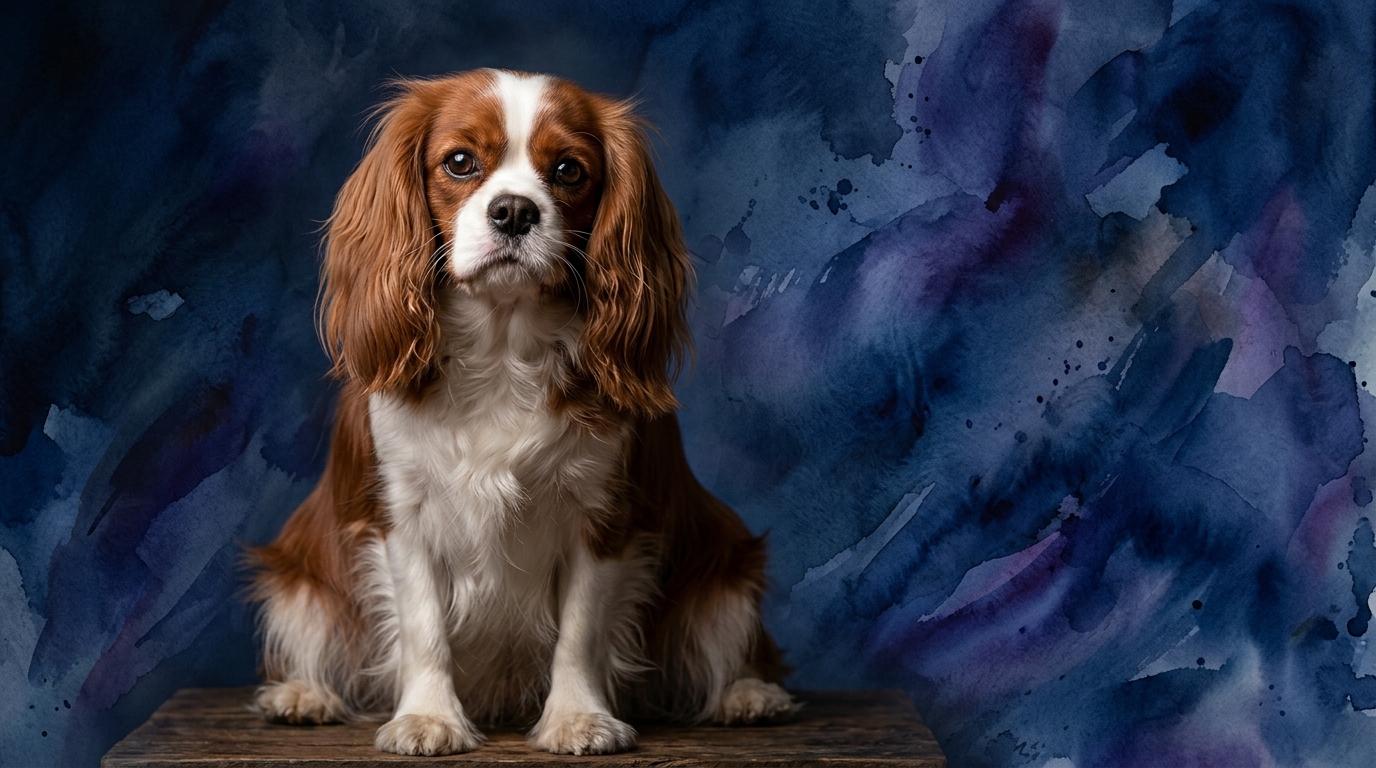
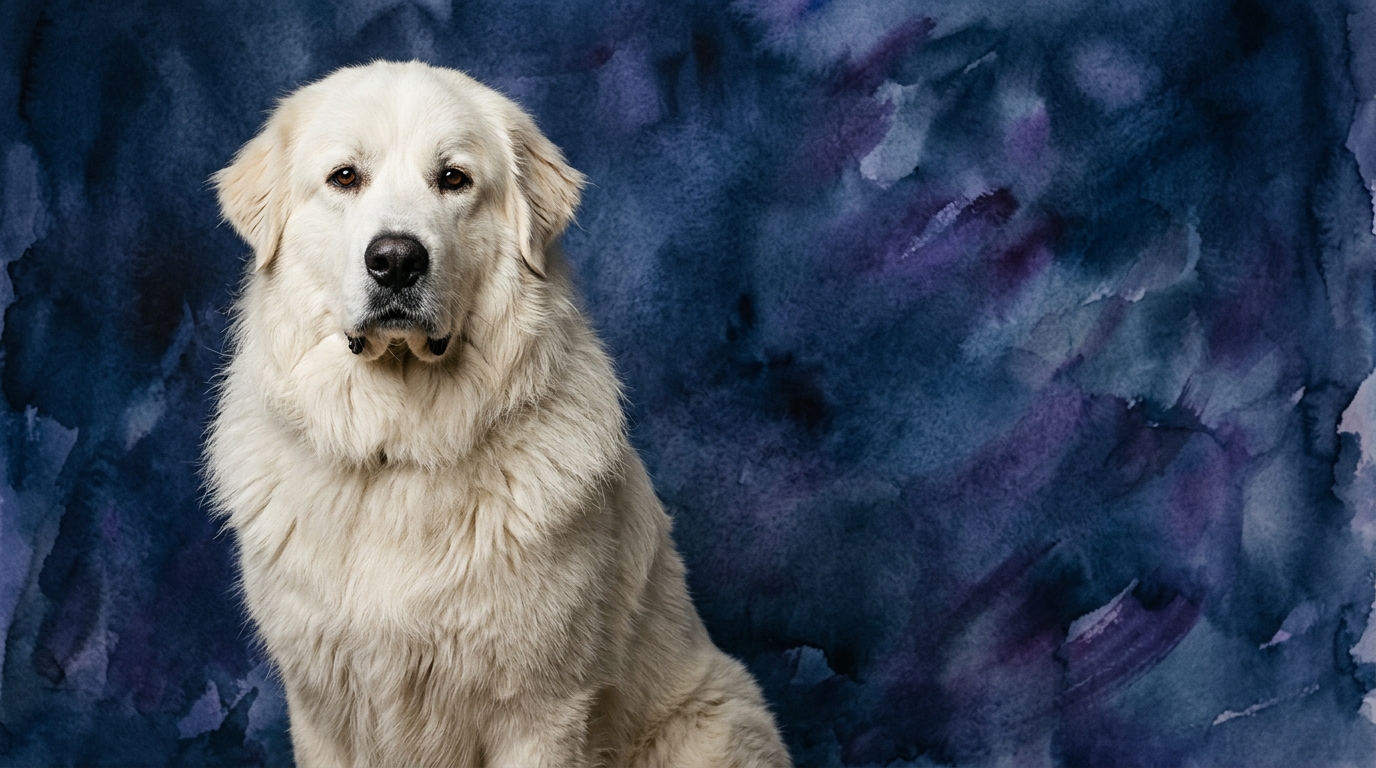
Side-by-Side Cognitive Profiles: Cavalier vs. Great Pyrenees
At The Cosmic Pet Pet IQ Lab, we delve into five core dimensions of canine cognition to understand each breed's unique mental landscape. For the Cavalier King Charles Spaniel, a delightful Toy group member, their Coren rank of #44 places them in a respectable position for working and obedience intelligence. Their profile shows a Problem Solving score of 3/5, a Training Speed of 3/5, an exceptional Social Intelligence of 5/5, an Instinctive Drive of 3/5, and a Memory score of 3/5. This paints a picture of a companion animal deeply attuned to human connection, capable of learning, but not necessarily a master of complex abstract thought.
In stark contrast, the Great Pyrenees, a majestic Working group breed, holds a Coren rank of #64, placing them further down the traditional obedience scale. Their cognitive breakdown reveals a Problem Solving score of 3/5, a Training Speed of 3/5, a Social Intelligence of 3/5, an Instinctive Drive of 3/5, and a Memory score of 3/5. Intriguingly, many of these scores mirror the Cavalier's, yet their overall cognitive expression, particularly in their social approach and the manifestation of their instinctive drive, diverges significantly due to their distinct historical roles and underlying temperaments. The key differentiator at a glance is the Cavalier's superior social intelligence.
Let's break down these dimensions further. Both breeds score similarly in Problem Solving (3/5), indicating neither is inherently predisposed to independently unraveling complex, multi-step puzzles or devising intricate strategies to bypass novel obstacles. Their approach to new challenges tends to be more straightforward, often relying on learned associations or seeking human guidance within familiar contexts rather than exhibiting abstract reasoning or rapid innovation. Similarly, their Training Speed (3/5) suggests that while both are capable of learning new commands, they require consistent, patient repetition and positive reinforcement to solidify behaviors, rather than picking them up with lightning speed. Memory (3/5) for both breeds implies they can retain learned commands and associations over time, but neither demonstrates a capacity for recalling vast numbers of complex sequences or intricate details without regular reinforcement.
Where the Cavalier King Charles Spaniel Shines Cognitively
The Cavalier King Charles Spaniel's undeniable cognitive strength lies in its remarkable Social Intelligence, scoring a perfect 5 out of 5. This dimension reflects an exceptional capacity to interpret human emotions, intentions, and subtle non-verbal cues. A Cavalier often seems to understand its human companion's mood without a word, offering comfort or initiating play at just the right moment. This deep empathetic connection is not merely charming; it's a sophisticated form of intelligence that allows them to integrate seamlessly into family dynamics, responding with sensitivity to changes in tone, facial expressions, and body language. Their desire to please, often misinterpreted as simple affection, is deeply rooted in this social understanding, driving them to comply with requests to maintain harmony and connection.
This elevated social acumen also contributes to their higher Coren ranking. While their 'Training Speed' score is 3/5, their willingness to engage and cooperate, driven by their social intelligence, often makes them more responsive in structured training environments. They are motivated by human approval and the positive reinforcement of connection, making them attentive students who genuinely want to participate. This means they are more likely to pay attention during a training session, anticipating their human's wishes and working to meet them, even if the pure speed of acquiring a new trick isn't instantaneous. Their cognitive framework is optimized for companionship, making them adept at navigating the complexities of human-canine relationships.
Where the Great Pyrenees Excels Cognitively
While the Great Pyrenees might not boast the Cavalier's social finesse, its cognitive strengths are forged in the crucible of its ancient role as a livestock guardian. Despite both breeds scoring 3/5 in Instinctive Drive, the *nature* and manifestation of this drive are profoundly different. For the Pyrenees, this drive is overwhelmingly directed towards independent judgment and vigilance. They possess a self-sufficient, observational intelligence that allows them to assess their environment, identify potential threats, and make decisions without constant human direction. This is not about complex problem-solving in a puzzle sense, but rather a practical, applied intelligence honed over centuries to protect flocks from predators.
Their cognitive edge lies in their ability to maintain a calm, watchful presence while simultaneously processing environmental stimuli for anomalies. They are masters of subtle cues in their surroundings, detecting sounds or movements that might escape human notice. This requires a specific type of memory and pattern recognition, allowing them to differentiate routine from potential danger. This independence, while sometimes perceived as stubbornness in traditional obedience training, is a highly adaptive form of intelligence for their intended purpose. They are not bred to be eager-to-please; they are bred to be discerning, reliable, and capable of autonomous decision-making in critical situations, prioritizing the safety of their charge above all else.
Training Dynamics: Cavalier's Responsiveness vs. Pyrenees' Independence
When it comes to trainability, the differences between these two breeds become particularly apparent, primarily due to their divergent social intelligence and instinctive drives. The Cavalier King Charles Spaniel, with its 5/5 social intelligence, generally presents as the more amenable student. They thrive on positive reinforcement, praise, and the strong bond they share with their human. Their desire for connection and approval means they are typically eager to participate in training sessions, viewing them as opportunities for interaction and shared activity. While their training speed is rated 3/5, their cooperative spirit and attentiveness often make the training process smoother and more rewarding for owners who enjoy a responsive learner. They are less prone to stubbornness and more inclined to follow directives, making basic obedience and even some advanced tricks readily achievable with consistent, gentle methods.
Conversely, training a Great Pyrenees requires a profound understanding of their independent and guardian-centric mindset. Their 3/5 social intelligence means they are less motivated by a desire to constantly please their human and more by their own internal assessment of a situation. They are accustomed to making autonomous decisions in their historical role, which can translate into a perceived stubbornness during training. A Pyrenees might understand a command but choose not to execute it if it doesn't align with their perceived purpose or if they deem it unnecessary. Early and consistent socialization is crucial to help them accept new people and situations calmly, but owners must be prepared for a dog that questions rather than automatically obeys. Training must be built on trust, respect, and clear, consistent boundaries, often requiring more patience and creativity to engage their cooperation rather than relying solely on traditional obedience methods. Their guardian instincts mean they may be less focused on 'tricks' and more on vigilance, requiring owners to integrate training into their natural behaviors.
Matching Canine Cognition to Lifestyle: Active vs. Relaxed Owners
Understanding the cognitive makeup of these breeds is vital for matching them with the right owner lifestyle. For individuals seeking a relaxed, emotionally attuned companion, the Cavalier King Charles Spaniel is an exceptional choice. Their moderate exercise needs and profound social intelligence mean they thrive as indoor family members, content with regular walks, gentle play, and ample cuddle time. They are not dogs that demand intense physical activity, nor do they possess a restless independent streak that requires constant mental puzzles to prevent boredom. Their contentment comes from being present with their human family, observing, interacting, and offering silent companionship. They are ideally suited for owners who prioritize emotional connection and a calm, integrated household pet.
The Great Pyrenees, while often calm indoors, requires an owner who understands and respects its deep-seated guardian instincts and independent nature. These are not 'active' dogs in the sense of needing to run for miles, but they do require space to patrol, a sense of purpose, and consistent mental engagement related to their vigilance. Their cognitive profile, geared towards observation and independent decision-making, means they are not suited for owners who desire a highly obedient, constantly engaged playmate. Owners must be prepared for their protective instincts, which often manifest as territorial barking and a watchful demeanor. They are best suited for owners with ample outdoor space, a patient approach to training, and a willingness to embrace a dog that makes its own judgments, providing a serene yet vigilant presence rather than constant, energetic interaction.
The Verdict
Choose the Cavalier King Charles Spaniel if you prioritize a deeply empathetic, emotionally responsive companion who thrives on close human interaction and gentle, cooperative training. They are ideal for families seeking an integrated, affectionate presence.
Opt for the Great Pyrenees if you appreciate an independent, watchful guardian with ancient instincts, and are prepared for a patient training journey with a dog that values its autonomy and protective role. They are best suited for owners who understand and respect their unique cognitive wiring for vigilance.
🧠 Find Your Pet's IQ Score
Our Pet IQ Lab assessment covers 25+ tests across 5 cognitive dimensions — personalized to your breed.
Take the Full IQ Test →Frequently Asked Questions
Do Cavalier King Charles Spaniels experience separation anxiety more than Great Pyrenees?
Given their 5/5 social intelligence and strong desire for companionship, Cavalier King Charles Spaniels can be more prone to separation anxiety if not properly conditioned. Great Pyrenees, with their independent nature, typically handle solitude better, though they still require sufficient mental and physical engagement.
Are Great Pyrenees difficult to train because of their low social intelligence score?
Their 3/5 social intelligence doesn't mean they can't be trained, but it indicates they are less motivated by pleasing their human and more by their own judgment. Training requires immense patience, consistency, and understanding their guardian instincts, focusing on building trust rather than expecting eager obedience.
Which breed is better for first-time dog owners based on intelligence?
The Cavalier King Charles Spaniel's higher social intelligence and cooperative nature generally make them a more forgiving and rewarding choice for first-time dog owners. The Great Pyrenees' independence and strong guardian instincts require a more experienced hand to manage effectively.