Side-by-Side Cognitive Profiles
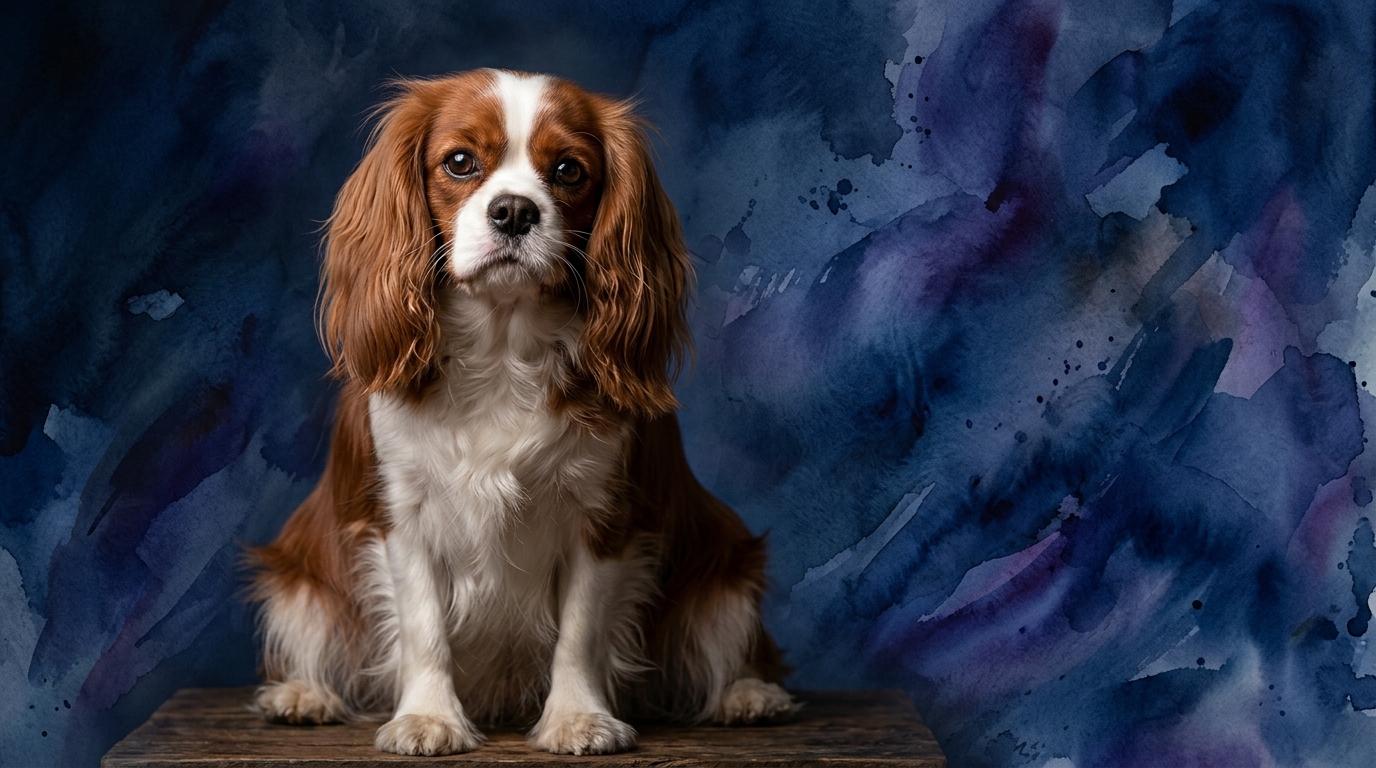
The Cavalier King Charles Spaniel, a beloved toy breed, exhibits a cognitive profile highly attuned to companionship. Their Problem Solving is rated 3/5; while they aren't typically tasked with complex independent problem-solving, they adeptly navigate household routines and can figure out simple puzzles. Training Speed also stands at 3/5, indicating they are responsive and generally eager to please, though their social nature can sometimes lead to distraction. Their standout trait is Social Intelligence, rated 5/5, reflecting an exceptional capacity for empathy and reading human cues. Instinctive Drive is 3/5, showing some residual desire for chasing small, fluttering objects, but largely suppressed by centuries of companion breeding. Memory is 3/5, sufficient for learning commands and remembering routines, but not for highly intricate sequences. Their Coren rank of #44 places them as competent learners, especially when the learning involves interaction.
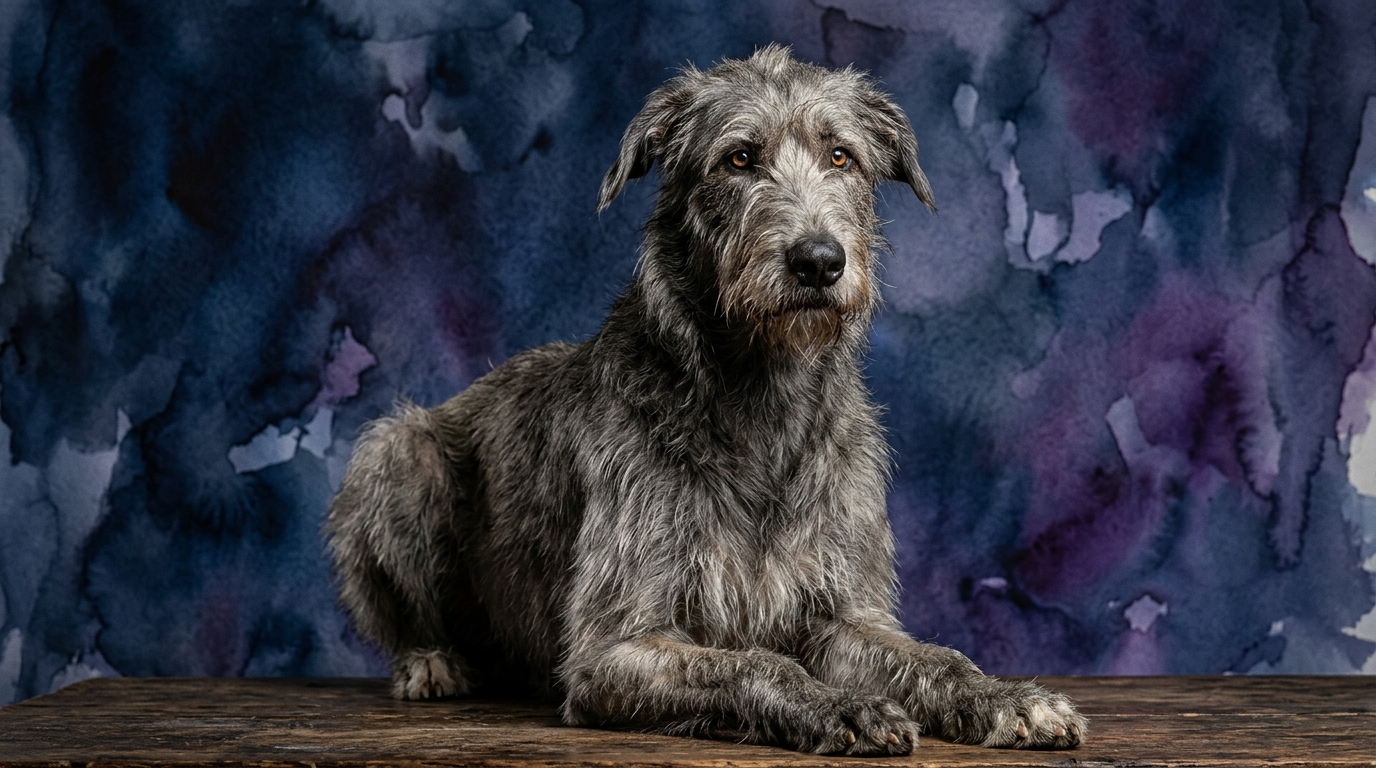
In contrast, the Irish Wolfhound, a majestic sighthound, presents a cognitive makeup shaped by a history of independent hunting. Their Problem Solving is 3/5, manifesting not in puzzle-solving but in tactical thinking required for tracking and strategic pursuit of large game. Training Speed is also 3/5; they are intelligent and capable learners, but their independent spirit means they require patient, consistent training and may not respond with the same eagerness as a more biddable breed. Social Intelligence is 3/5; while deeply affectionate with their family, they tend to be more reserved and less overtly expressive than a companion breed, forming profound but perhaps less effusive bonds. Instinctive Drive is 3/5, a strong component of their being, centered on their sighthound urges to chase and observe. Memory is 3/5, effective for recalling vast territories, established routines, and the locations of important resources, reflecting a practical memory for their environment.
Where the Cavalier King Charles Spaniel Excels Cognitively
The Cavalier King Charles Spaniel's primary cognitive advantage lies in their unparalleled social intelligence, rated 5/5, a clear triumph over the Wolfhound's 3/5. Cavaliers exhibit an exceptional capacity to discern and respond to human emotions, often anticipating their owner's moods and needs before explicit cues are given. This profound empathy allows them to seamlessly integrate into family dynamics, offering comfort and companionship with an intuitive understanding that few other breeds possess. Their cognitive processing is finely tuned to human-animal bonds, making them adept at mirroring emotional states and fostering deep, reciprocal relationships. This isn't about complex object manipulation or strategic planning, but about navigating the intricate world of human interaction with remarkable grace and understanding, making them outstanding emotional support animals and family members.
Where the Irish Wolfhound Excels Cognitively
The Irish Wolfhound's cognitive strengths are rooted in their ancestral role as sight hounds, tasked with independently pursuing and cornering large game. While their problem-solving and instinctive drive are rated 3/5, these scores reflect a different application of intellect compared to a companion breed. Their cognitive prowess manifests in spatial reasoning, strategic pursuit, and an acute awareness of their environment, crucial for navigating varied terrains and assessing potential threats. This isn't about deciphering puzzle toys, but about making swift, independent decisions in dynamic, high-stakes situations over vast distances. Their memory, also 3/5, is particularly effective for remembering extensive territories, scent trails, and the locations of potential prey or landmarks, demonstrating a practical, expansive form of recall essential for their historical function. This unique blend of independence and environmental awareness distinguishes their cognitive profile.
Training Aptitude: Cavalier vs. Wolfhound
Despite both breeds holding a 3/5 rating for training speed, the *approach* to training and the underlying motivations differ significantly, making the Cavalier King Charles Spaniel generally perceived as more straightforward to train for typical obedience. Cavaliers, with their high social intelligence and desire to please their human companions, are often highly motivated by praise, affection, and positive reinforcement. Their Coren rank of #44 places them well within the above-average working intelligence group, indicating a capacity to learn new commands with relative efficiency. However, their social nature can also be a distraction; they might prioritize interacting with people over focusing on a task, requiring trainers to maintain engagement. Conversely, Irish Wolfhounds, while intelligent, possess a more independent and sometimes reserved nature, reflective of their sighthound heritage. They learn best with patient, consistent, and reward-based methods, but they are less inclined to blindly obey if they don't perceive the value or logic in a command. Their training isn't necessarily harder, but demands a deeper understanding of their independent spirit and a willingness to work *with* them rather than simply instructing them. An Irish Wolfhound might require more repetitions or a clearer demonstration of purpose before fully committing to a new behavior, whereas a Cavalier often readily complies for the sheer joy of interaction.
Lifestyle Match: Active vs. Relaxed Owners
When considering lifestyle compatibility, the Cavalier King Charles Spaniel is generally a better fit for more relaxed owners, while the Irish Wolfhound demands a more active and space-conscious commitment. Cavaliers, with their adaptable nature and moderate exercise requirements, seamlessly integrate into a variety of home environments, from apartments to larger houses. They enjoy daily walks and playtime but are equally content to cuddle on the sofa, fulfilling their strong need for companionship. Their social intelligence means they thrive on being part of family activities, whether active or sedentary. The Irish Wolfhound, despite its often calm indoor demeanor, is a giant breed with significant exercise needs and an inherent drive for movement. They require ample space, ideally a large, securely fenced yard, and daily opportunities for long walks or free running in safe areas to satisfy their instinctive drives. Owners must be prepared for the physical demands of managing such a large dog and providing consistent outlets for their energy, making them better suited for active individuals or families who can dedicate substantial time to their physical and mental stimulation. A relaxed owner might find the Wolfhound's needs overwhelming, whereas an active owner will appreciate their majestic presence and the rewarding bond forged through shared activities.
The Verdict
Choose the Cavalier King Charles Spaniel if your priority is a deeply empathetic, adaptable companion who thrives on close human interaction and offers intuitive emotional support within a manageable size.
Opt for the Irish Wolfhound if you are an experienced, active owner with ample space, drawn to the majestic presence, independent spirit, and unique sighthound characteristics of a truly grand canine.
🧠 Find Your Pet's IQ Score
Our Pet IQ Lab assessment covers 25+ tests across 5 cognitive dimensions — personalized to your breed.
Take the Full IQ Test →Frequently Asked Questions
Are Cavalier King Charles Spaniels good companions for children?
Yes, their exceptional social intelligence and gentle nature make them excellent with children, often adapting their playfulness to a child's energy level and offering patient companionship.
Do Irish Wolfhounds require extensive grooming?
While their rough coat doesn't demand daily brushing like some long-haired breeds, weekly brushing and occasional hand-stripping are necessary to maintain coat health and minimize shedding, a task made more significant by their immense size.
Can an Irish Wolfhound adapt to apartment living?
While possible with dedicated effort, apartment living for an Irish Wolfhound presents challenges due to their substantial size and need for significant daily exercise. They require owners committed to multiple long walks and outdoor play sessions.