Side-by-Side IQ Profile: Cavalier King Charles Spaniel
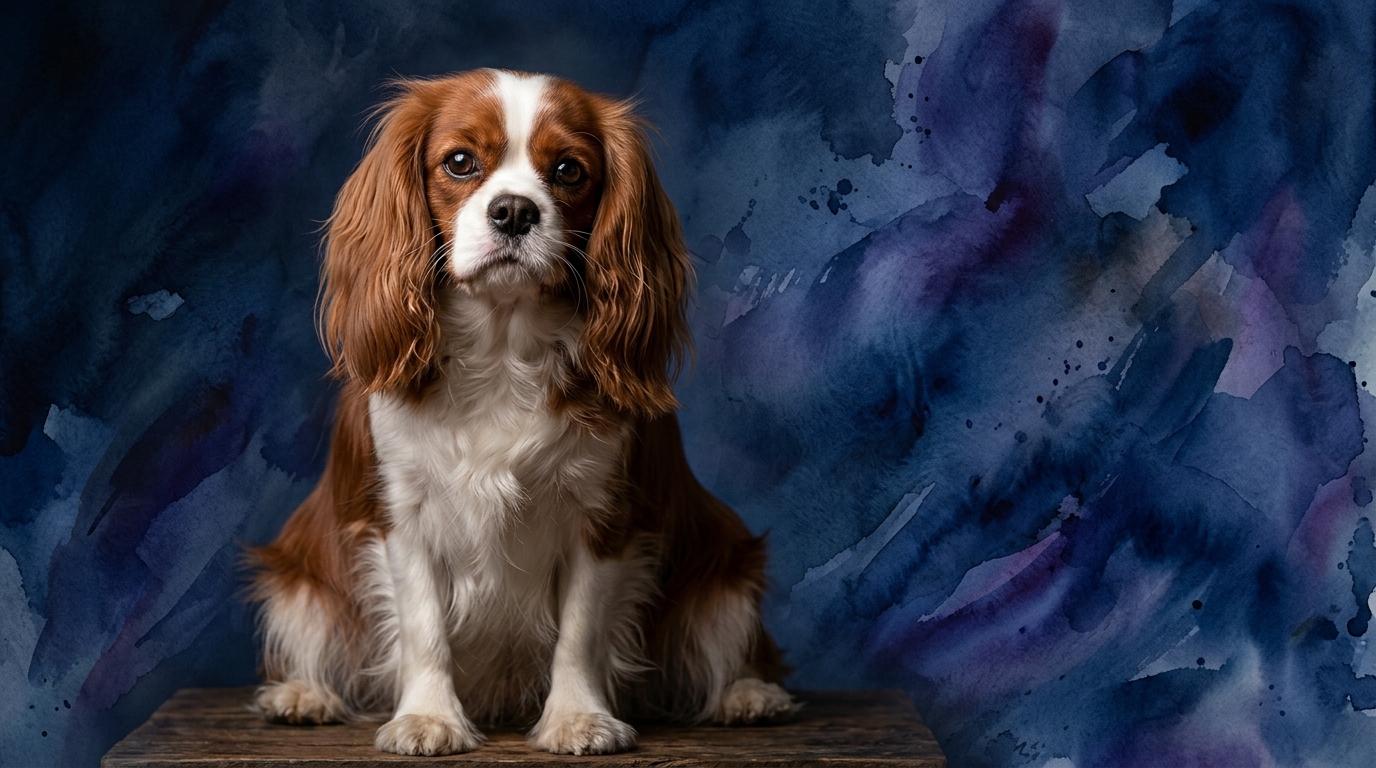
The Cavalier King Charles Spaniel, ranked #44 by Coren, presents a cognitive profile centered around companionship and emotional connection.
Problem Solving (3/5): The Cavalier excels at practical problem-solving within its social context. They are adept at understanding routines and figuring out how to gain human attention, like nudging a hand for a pet or bringing a leash to signal a walk. Complex, multi-step puzzles are less their forte; they prefer solutions that involve human interaction and comfort.
Training Speed (3/5): Cavaliers generally learn at a moderate pace, eager to please their human companions. They respond best to gentle, positive reinforcement methods, thriving on praise and affection. Their sensitive nature means harsh corrections are counterproductive, potentially hindering their progress rather than speeding it up.
Social Intelligence (5/5): This is where the Cavalier truly shines. They possess an exceptional ability to read human emotions, often anticipating needs and offering comfort without explicit cues. Their social acumen allows them to integrate seamlessly into diverse family structures, adapting their behavior to individuals and situations with remarkable grace. They are masters of emotional reciprocity.
Instinctive Drive (3/5): While originating from sporting spaniels, the Cavalier's instinctive drive is moderate and largely channeled into companionship. Their scenting instincts are generally mild, manifesting as casual sniffing during walks rather than intense, focused tracking. Their primary drive is to be near their people.
Memory (3/5): Cavaliers possess a reliable memory for people, places, and routines. They quickly recall where their favorite nap spots are, remember past positive interactions, and anticipate daily schedules like meal times or walks. This contributes to their predictable and comforting presence within the home.
Side-by-Side IQ Profile: Miniature Pinscher
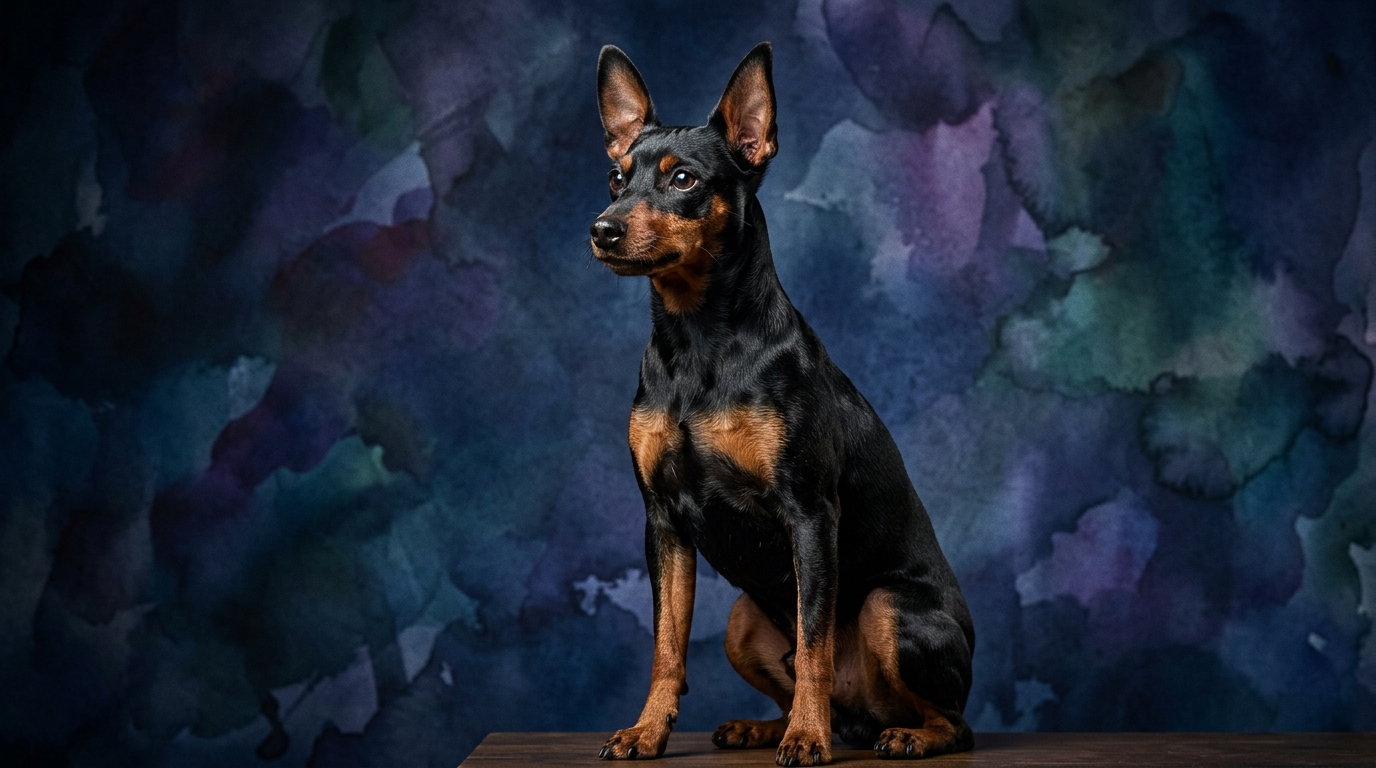
The Miniature Pinscher, while not Coren-ranked, showcases a cognitive profile characterized by alertness, independence, and a spirited tenacity.
Problem Solving (3/5): The Miniature Pinscher approaches problem-solving with a tenacious and independent spirit. They are skilled at navigating their environment to achieve a desired outcome, such as finding a way around an obstacle to reach a toy or figuring out how to get onto a forbidden couch. Their solutions are often self-serving and determined, reflecting their bold personality.
Training Speed (3/5): Min Pins are capable learners, but their training speed can be influenced by their strong will and independent nature. They require consistent, engaging, and reward-based methods, often needing more repetition or higher-value incentives to maintain focus. They are intelligent enough to learn quickly but may choose to "test" boundaries.
Social Intelligence (3/5): The Miniature Pinscher's social intelligence is primarily focused on understanding and navigating their position within their human pack. They are observant of their owner's moods but may interpret them through the lens of their own assertive tendencies, seeking to establish their role or gain an advantage. They form strong bonds but often with a more independent flair than a Cavalier.
Instinctive Drive (3/5): Despite the similar score, the Min Pin's instinctive drive is distinctly different from the Cavalier's. They retain a strong prey drive, historically bred for "ratting," which translates into a keen interest in small, fast-moving objects and a vigilant, territorial nature. This drive contributes to their alertness and can make them excellent, albeit vocal, watchdogs.
Memory (3/5): Miniature Pinschers have a good memory for routines, commands, and past experiences, especially those that yielded a desired outcome. They will remember where treats are hidden and can recall specific training cues, but they also remember instances where they successfully outmaneuvered a command, necessitating consistent reinforcement.
Where the Cavalier King Charles Spaniel Wins Cognitively
The Cavalier King Charles Spaniel definitively wins in the realm of social intelligence, scoring a remarkable 5/5 compared to the Miniature Pinscher's 3/5. This isn't just about being friendly; it reflects a profound capacity for emotional understanding and nuanced communication. Cavaliers are exceptional at reading human body language, tone of voice, and even subtle shifts in mood, often responding with comforting gestures or a quiet presence exactly when needed. Their ability to integrate seamlessly into a family's emotional landscape, adapting their demeanor to suit various individuals from rambunctious children to quiet seniors, is unparalleled. This cognitive strength translates into a companion who isn't just present but truly attuned, making them masters of empathetic connection and therapeutic companionship.
Where the Miniature Pinscher Wins Cognitively
While both breeds share a 3/5 rating for instinctive drive, the Miniature Pinscher's specific manifestation of this drive grants them a cognitive advantage in certain practical scenarios. Their historical role as "ratters" instilled a keen sense of vigilance, tenacity, and a powerful prey drive. This translates into a heightened awareness of their surroundings and a quick, decisive response to perceived intrusions or novel stimuli. Unlike the more placid Cavalier, a Min Pin's instinctive drive makes them naturally alert and assertive, quick to investigate and often vocalize potential threats. This cognitive alertness, combined with their independent problem-solving approach, means they are more likely to take initiative in situations requiring watchfulness or a bold presence, acting as effective, albeit small, guardians of their territory. Their drive fuels a self-assuredness that allows them to navigate challenges with an unyielding spirit.
Which is Easier to Train and Why
The Cavalier King Charles Spaniel is generally considered easier to train due to their exceptional social intelligence and strong desire to please their human companions. Their 5/5 social acumen means they are highly attuned to feedback, eager to cooperate, and motivated by praise and affection. They thrive on positive reinforcement and respond well to a gentle, consistent approach, making them eager participants in learning sessions. In contrast, the Miniature Pinscher, while equally capable of learning, presents more of a training challenge due to their independent streak and assertive personality. Their 3/5 social intelligence, combined with their inherent tenacity, means they may be more inclined to test boundaries or prioritize their own agenda. Training a Min Pin requires unwavering consistency, clear expectations, and creative motivation to channel their spirited nature, as they are less inherently driven to simply "please" and more likely to comply when they understand the benefit or when a stronger incentive is presented.
Which Suits Active Owners vs. Relaxed Owners
For the owner seeking a relaxed, emotionally supportive companion, the Cavalier King Charles Spaniel is an ideal match. Their moderate energy levels and profound social intelligence mean they are content with gentle walks, extensive cuddle sessions, and being a constant, comforting presence by their owner's side. They effortlessly blend into the rhythm of a quieter household, thriving on close human connection and offering unwavering affection. Conversely, the Miniature Pinscher is better suited for active owners who appreciate a dog with a vibrant, spirited personality and are prepared to engage with their cognitive and physical needs. Their alert nature, independent streak, and inherent drive mean they benefit from structured activities, consistent mental stimulation, and regular, brisk exercise. Owners who enjoy training, can provide firm but fair leadership, and appreciate a dog with a tenacious, "big dog in a small body" attitude will find the Min Pin a rewarding and engaging companion.
The Verdict
Choose the Cavalier King Charles Spaniel if your priority is an emotionally intelligent, adaptable, and profoundly affectionate companion who thrives on close human connection and offers unparalleled social and emotional support within a relaxed home environment.
Choose the Miniature Pinscher if you seek a spirited, independent, and confident companion who offers vigilance, a lively presence, and thrives on consistent training, mental engagement, and an owner prepared to channel their assertive drive with structure and enthusiasm.
🧠 Find Your Pet's IQ Score
Our Pet IQ Lab assessment covers 25+ tests across 5 cognitive dimensions — personalized to your breed.
Take the Full IQ Test →Frequently Asked Questions
Are Cavaliers good with children?
Yes, Cavaliers are typically excellent with children due to their high social intelligence and gentle nature, often displaying remarkable patience and a desire to be part of family activities. They are generally tolerant and affectionate companions for respectful kids.
Do Miniature Pinschers bark a lot?
Miniature Pinschers can be prone to barking due to their alert, territorial nature and strong instinctive drive, often acting as vigilant watchdogs. Early socialization and consistent training are crucial to manage excessive barking and channel their vocal tendencies appropriately.
Which breed is more independent?
The Miniature Pinscher is significantly more independent than the Cavalier King Charles Spaniel. While Cavaliers thrive on constant human companionship, Min Pins possess a self-assured, sometimes stubborn streak that allows them to be more self-reliant and less inherently driven by a need to please their owner.