Side-by-Side Cognitive Profiles: A Deep Dive into Canine Minds
The Cosmic Pet Pet IQ Lab delves into the unique cognitive architectures of these two distinct breeds, revealing how their evolutionary paths have shaped their mental capacities. Understanding these profiles moves beyond general observations, providing specific insights into how each breed processes information, learns, and interacts with their world.
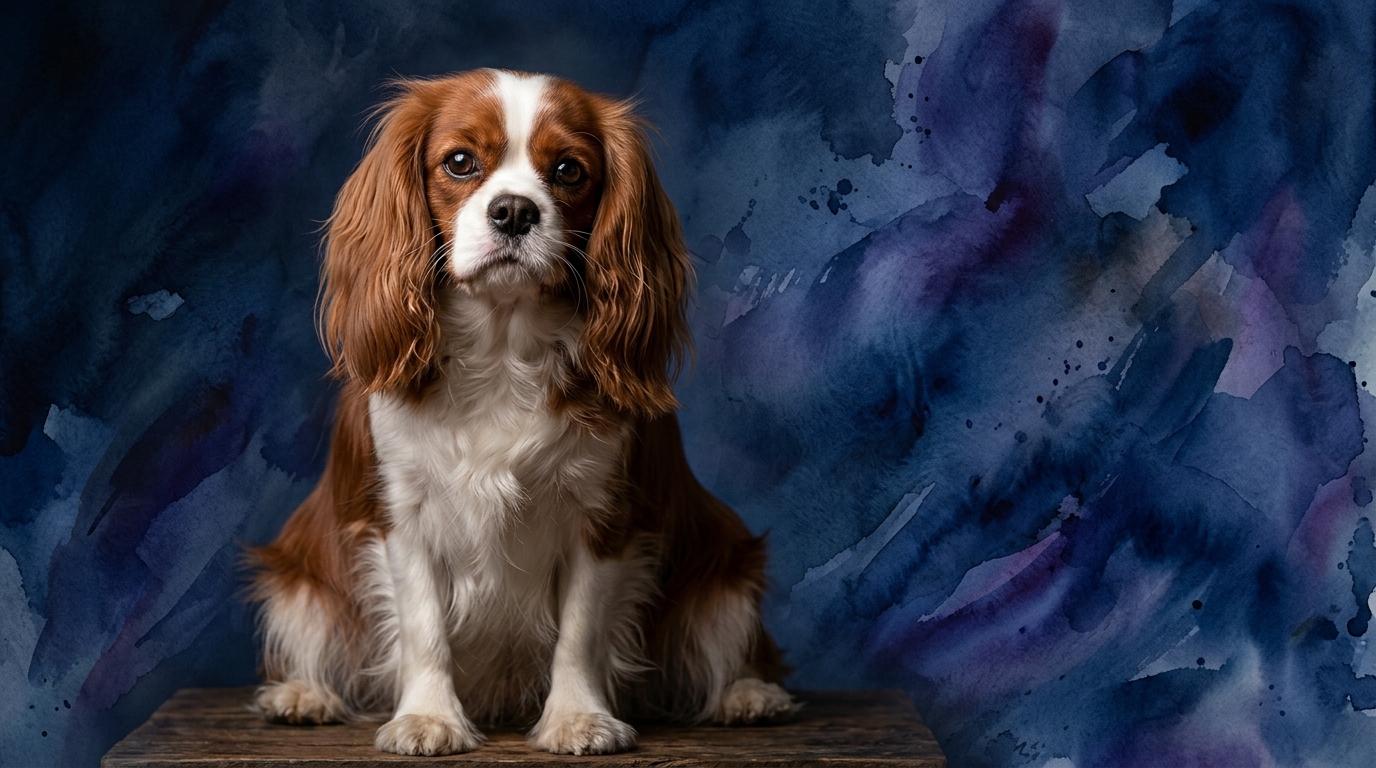
The Cavalier King Charles Spaniel (Coren Rank #44) showcases a distinct cognitive blueprint, characterized by an exceptional social intelligence (5/5). They are masters of reading human emotions and intentions, often anticipating needs and responding with profound empathy. Their problem-solving (3/5) and training speed (3/5) are competent, suggesting they can learn new tasks and navigate novel situations, but perhaps not with the same rapid acquisition seen in breeds developed for complex working roles. Instinctive drive (3/5) is present but moderate, generally manifesting as a desire for companionship rather than intense hunting or guarding behaviors. Their memory (3/5) supports learning routines and recognizing individuals, forming strong, lasting bonds.
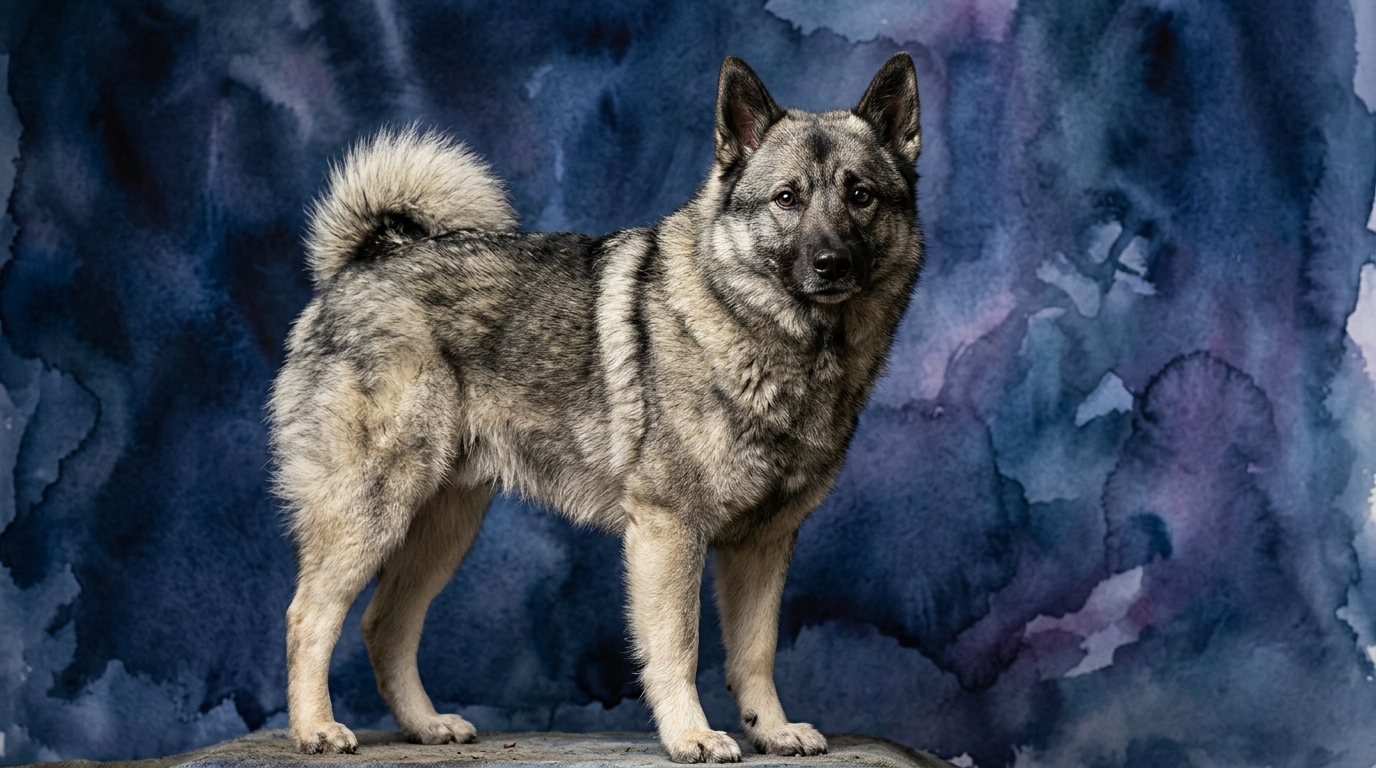
The Norwegian Elkhound (Coren Rank #36) presents a profile geared towards independent thinking and task execution. Their problem-solving (4/5) capacity is robust, allowing them to figure out solutions to environmental challenges or hunting scenarios. This is complemented by a strong training speed (4/5), indicating a quicker grasp of commands and sequences. Memory (4/5) is also a notable strength, enabling them to retain complex information and recall learned behaviors effectively over time. While their social intelligence (3/5) is adequate for companionship, it leans more towards a partnership based on shared activities rather than the profound emotional attunement of the Cavalier. Their instinctive drive (3/5) is moderate, but when it manifests, it's often linked to tracking or territorial awareness, reflecting their heritage.
Where the Cavalier King Charles Spaniel Excels Cognitively
The Cavalier's cognitive strengths shine brightest in the realm of emotional connection and nuanced social interaction. With a perfect 5/5 in social intelligence, they possess an unparalleled ability to interpret human body language, vocal inflections, and emotional states. This isn't just about being agreeable; it’s a sophisticated capacity for empathy, allowing them to offer comfort precisely when needed or to mirror the moods of their human companions. This profound social understanding means they often learn through observation of human behavior, internalizing household routines and expectations without explicit training. Their moderate instinctive drive means they are generally less distracted by external environmental stimuli, preferring to focus their cognitive resources on their human family. This makes them exceptionally adept at forming deep, intuitive bonds, making them highly responsive to subtle social cues and excellent at harmonious cohabitation.
Where the Norwegian Elkhound Shows Its Cognitive Edge
The Norwegian Elkhound's cognitive architecture is built for purpose and independence, giving it an edge in practical application and autonomous problem-solving. Their 4/5 rating in both problem-solving and training speed underscores a mind that quickly grasps concepts and applies learned behaviors to new situations. This breed is adept at understanding cause-and-effect relationships, whether it’s figuring out how to open a gate or navigating a complex scent trail. Their superior memory (4/5) allows them to retain a vast repertoire of commands and experiences, making them reliable partners in activities requiring sequential actions or recall of specific locations. While their social intelligence is competent, it's their capacity for independent thought and methodical execution of tasks that truly sets them apart, reflecting their heritage as resilient hunting companions requiring self-reliance in challenging environments.
Ease of Training: A Tale of Two Motivations
Assessing which breed is 'easier' to train depends significantly on the owner's approach and desired outcomes. The Cavalier King Charles Spaniel, with its 3/5 training speed, might require more repetitions to solidify new commands than the Elkhound. However, their exceptional social intelligence (5/5) means they are profoundly motivated by pleasing their human companions and thrive on positive reinforcement that strengthens the bond. They are often eager to learn and respond well to gentle, consistent methods, viewing training as an opportunity for connection. Their moderate instinctive drive also means fewer internal distractions from strong prey drives or independent urges, making them generally more focused on their human instructor.
In contrast, the Norwegian Elkhound, boasting a 4/5 training speed, can pick up commands more quickly and grasp complex sequences. However, their social intelligence (3/5) is less focused on human approval, and their independent nature, rooted in their hunting heritage, means they might require more task-oriented motivation, like high-value treats or engaging activities. Their training might involve more convincing them that the task is worthwhile, rather than simply doing it to please. Therefore, while Elkhounds learn procedural tasks faster, Cavaliers are often more consistently compliant due to their strong desire for social harmony and emotional reciprocity.
Matching Breeds to Lifestyles: Active Pursuits vs. Relaxed Companionship
The cognitive profiles of these two breeds naturally align with distinct owner lifestyles. The Cavalier King Charles Spaniel, with its profound social intelligence and moderate instinctive drive, is a quintessential companion for relaxed owners. They thrive in environments where their primary role is that of a cherished family member, enjoying quiet evenings, gentle walks, and ample cuddle time. Their cognitive makeup makes them highly adaptable to various living situations, from apartments to larger homes, as long as they receive consistent human interaction and affection. Their moderate problem-solving and memory capacities are perfectly suited for understanding household routines and responding to basic social cues without demanding complex mental stimulation through intense activities. They are content with a life centered around their human connections, offering a calm and reassuring presence.
The Norwegian Elkhound, conversely, is a better match for active owners who seek a partner for adventure and purpose. Their robust problem-solving, training speed, and memory capacities mean they excel when given tasks to do and challenges to overcome. This breed thrives on regular, vigorous exercise that engages both their body and mind, such as hiking, long runs, or canine sports like agility and obedience. Their independent streak and historical role as hunting dogs mean they benefit from structured activities that tap into their natural drives. Owners who appreciate a dog that thinks for itself and can keep pace with an active outdoor lifestyle will find the Elkhound an engaging and rewarding companion, one that requires consistent mental and physical engagement to prevent boredom and channel their considerable cognitive energy productively into constructive outlets.
The Verdict
Choose the Cavalier King Charles Spaniel if your priority is an emotionally attuned companion who thrives on deep social connection and gentle routines, offering unwavering comfort and mirroring your family's pace of life.
Opt for the Norwegian Elkhound if you seek a robust, capable partner for active outdoor pursuits and enjoy engaging a dog in structured tasks and problem-solving, appreciating their independent spirit and swift learning.
🧠 Find Your Pet's IQ Score
Our Pet IQ Lab assessment covers 25+ tests across 5 cognitive dimensions — personalized to your breed.
Take the Full IQ Test →Frequently Asked Questions
Which breed is more affectionate?
The Cavalier King Charles Spaniel typically displays a more overt and consistent form of affection, stemming from their exceptional social intelligence and strong desire for human connection. While Norwegian Elkhounds are loyal companions, their affection is often expressed through shared activity rather than constant physical closeness.
Do Norwegian Elkhounds bark a lot?
Yes, Norwegian Elkhounds are known for their vocal nature, often using barks to alert owners to new sights, sounds, or perceived threats, reflecting their heritage as vigilant hunting dogs. Consistent training from a young age is crucial to manage their vocal tendencies, channeling their communication effectively.
Are Cavalier King Charles Spaniels good with children?
Cavalier King Charles Spaniels generally excel with children due to their gentle temperament, high social intelligence, and desire for companionship. They are often patient and tolerant, making them suitable family dogs, provided interactions are supervised and respectful from both sides.