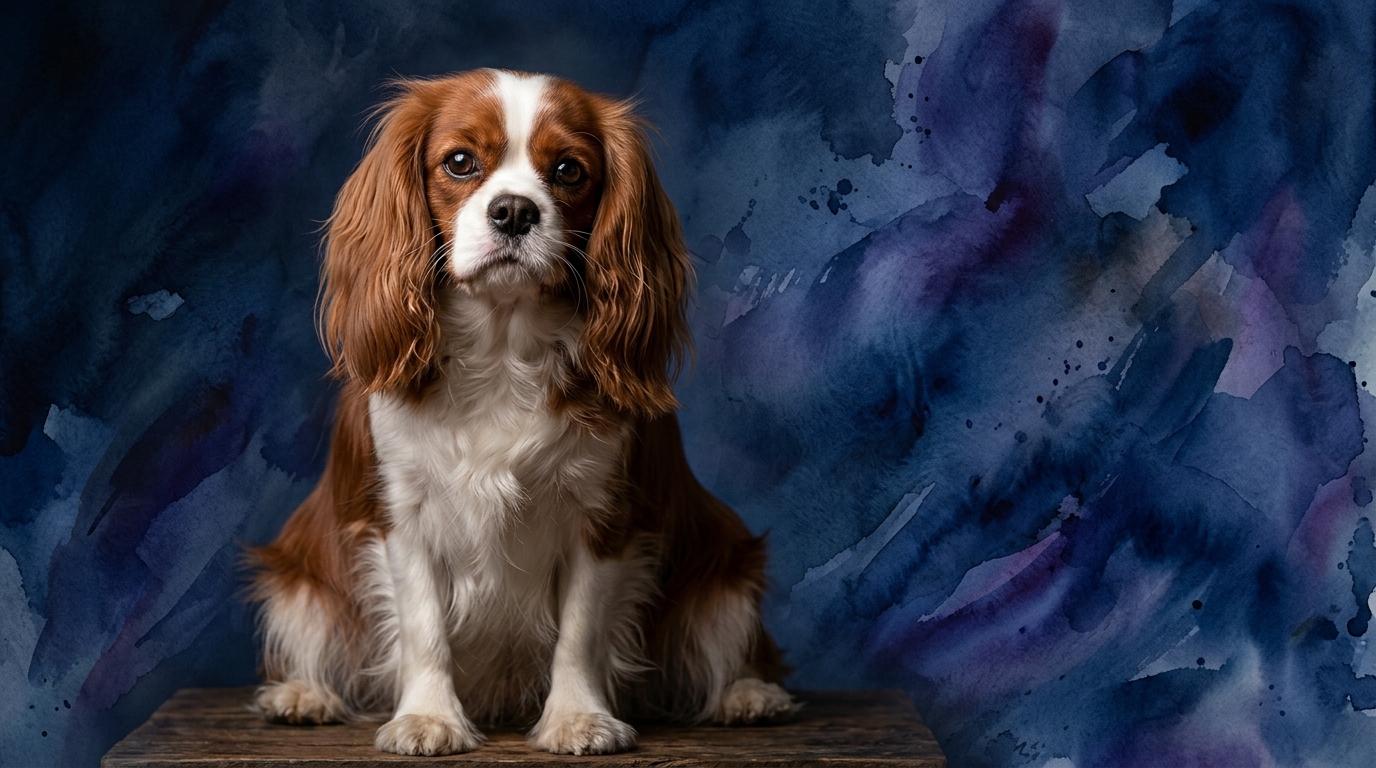
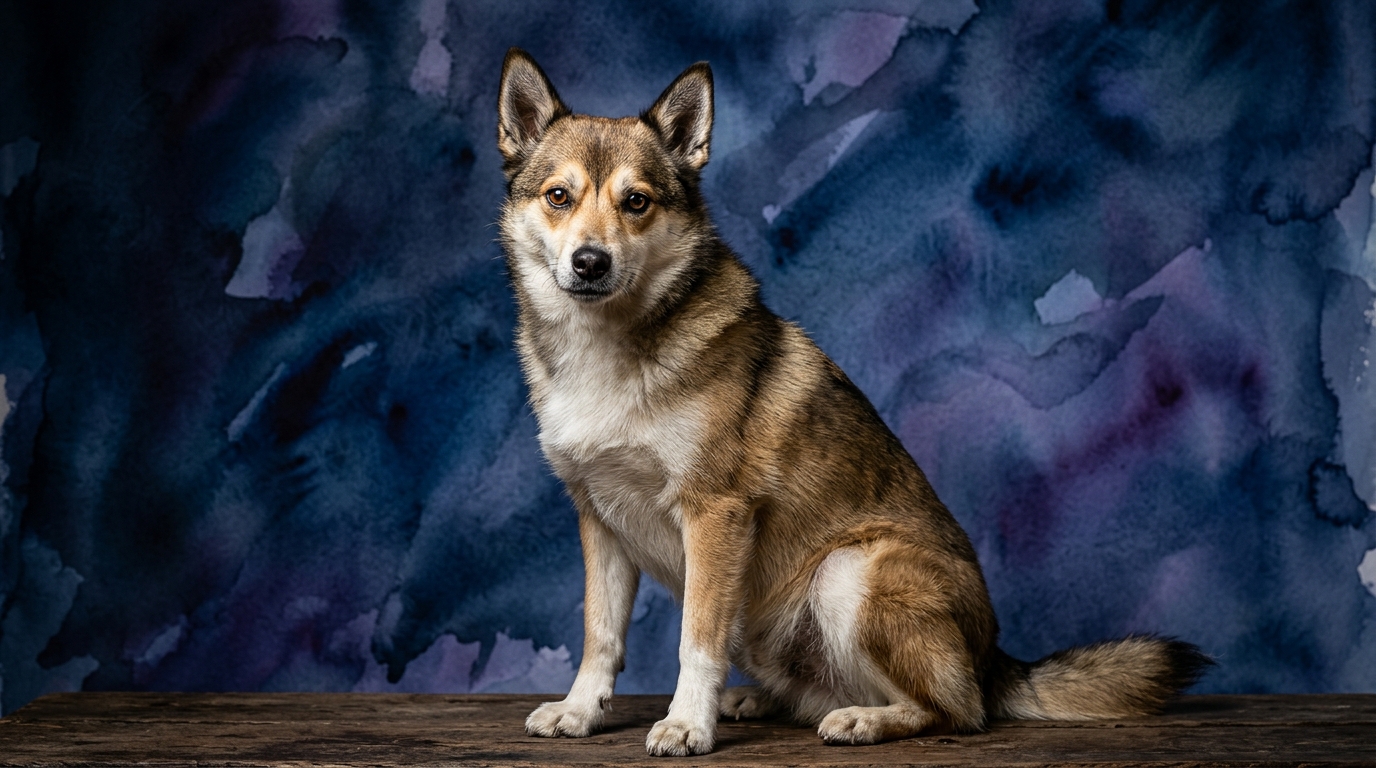
Side-by-Side Cognitive Profile
The Cosmic Pet Pet IQ Lab employs five dimensions to evaluate canine intelligence, offering a granular view beyond generic labels. For the Cavalier King Charles Spaniel, ranked #44 by Coren, its profile is Problem Solving 3/5, Training Speed 3/5, Social Intelligence 5/5, Instinctive Drive 3/5, and Memory 3/5. This places them squarely in the category of solid, adaptable companions with a remarkable social acumen.
In contrast, the Norwegian Lundehund, a breed not appearing on Coren's traditional ranking, presents a profile of Problem Solving 3/5, Training Speed 3/5, Social Intelligence 3/5, Instinctive Drive 3/5, and Memory 3/5. While many scores appear similar to the Cavalier, their unranked status and historical role hint at a different manifestation of these cognitive traits, particularly in their approach to tasks and interactions. Understanding these nuances is key to appreciating each breed's unique mental makeup.
Where the Cavalier King Charles Spaniel Wins Cognitively
The Cavalier's undisputed cognitive strength lies in its exceptional social intelligence, scoring a perfect 5/5 compared to the Lundehund's 3/5. This superior ability translates into a dog that is profoundly attuned to human emotions and social dynamics. Cavaliers excel at reading subtle cues, understanding intentions, and adapting their behavior to foster harmonious interactions within the family unit. They often anticipate their owner's needs or moods, offering comfort or seeking engagement at just the right moment. This makes them remarkably empathetic companions, capable of forming deep, intuitive bonds.
Their strong desire to please and inherent sociability mean they thrive on interaction and positive reinforcement, making them highly responsive to verbal and non-verbal commands when motivated by connection. This acute social awareness not only makes them wonderful companions but also contributes to their general adaptability in various household settings, as they quickly learn and conform to social norms and expectations.
Where the Norwegian Lundehund Wins Cognitively
While their raw scores for problem-solving are identical, the Norwegian Lundehund's historical context suggests a unique cognitive advantage in independent, environmental problem-solving and physical adaptability. Originating as puffin hunters in rugged coastal Norway, their intelligence was honed for navigating treacherous terrain, squeezing into tight rock crevices, and retrieving prey without direct human oversight. This background implies a strong capacity for spatial reasoning and autonomous decision-making in complex physical environments.
Their unique physical characteristics—extra toes, flexible neck and shoulders—are direct manifestations of this specialized cognitive-physical synergy, allowing them to solve physical puzzles that most other breeds couldn't even attempt. This isn't about solving human-designed puzzles but about an innate, practical intelligence for survival and task completion in a challenging natural world, demanding a specific kind of mental agility and self-reliance.
Training: Cavalier's Eagerness vs. Lundehund's Independence
Despite identical 3/5 scores for 'Training Speed,' the Cavalier King Charles Spaniel is generally considered easier to train due to its superior social intelligence (5/5) and inherent desire to please. Cavaliers are highly motivated by human approval and interaction, making them eager participants in training sessions. Their ability to read human cues and their strong bond with their owners mean they often strive to understand and execute commands to maintain that positive connection. They respond well to praise, gentle encouragement, and positive reinforcement, quickly forming associations between actions and rewards.
The Norwegian Lundehund, while equally capable of learning at an average pace, brings a more independent and sometimes stubborn streak to training. Their historical role required them to make decisions autonomously, meaning they are less inherently wired to constantly seek human direction or approval. Training a Lundehund often requires more patience, creativity, and a focus on making the training itself rewarding and engaging from the dog's perspective. They might question the necessity of a command if it doesn't align with their own perceived goals, which can make training feel more like a negotiation than a direct instruction, demanding a more nuanced approach from their human partners.
Matching Breeds to Lifestyles: Active vs. Relaxed Owners
The Cavalier King Charles Spaniel is an ideal match for relaxed owners or those seeking a devoted, low-key companion. Their moderate instinctive drive and generally calm demeanor mean they are content with regular walks, playtime in the yard, and ample cuddle time on the sofa. They thrive on companionship and are happiest when integrated into daily family life, often preferring to be near their people rather than engaged in strenuous activity. Their primary need is social connection and affection, making them excellent partners for individuals or families who value a gentle, affectionate presence who will happily join in on leisurely activities.
The Norwegian Lundehund, while not requiring extreme athleticism, is better suited for moderately active owners who appreciate a dog with a unique blend of independence and curiosity. Despite their small size, their historical working background imbues them with a need for purposeful activity and mental stimulation. They enjoy exploring, problem-solving, and engaging in activities that tap into their natural instincts, such as scent work or agility. Owners who can provide varied enrichment, regular walks that allow for sniffing and investigation, and perhaps some puzzle toys will find the Lundehund a fascinating and engaging companion, far from a couch potato despite their identical 'Instinctive Drive' score which can be misleading without context.
The Verdict
Opt for a Cavalier if your priority is an exceptionally loving, empathetic, and easily integrated family companion who thrives on social connection and offers unwavering affection.
Select a Lundehund if you appreciate a unique, independent, and curious canine partner with a fascinating history, and you are prepared to engage their mind with varied stimulation beyond simple obedience.
🧠 Find Your Pet's IQ Score
Our Pet IQ Lab assessment covers 25+ tests across 5 cognitive dimensions — personalized to your breed.
Take the Full IQ Test →Frequently Asked Questions
Do Cavalier King Charles Spaniels bark a lot?
Cavaliers are not typically excessive barkers, generally using their voice to alert to visitors or express excitement rather than persistent nuisance barking. Their high social intelligence often means they are responsive to cues to quiet down, especially with consistent training.
Are Norwegian Lundehunds good with children?
Norwegian Lundehunds can be good with respectful children, especially if socialized early, though their independent nature means they might prefer to disengage rather than tolerate overly boisterous play. Supervision is always recommended due to their unique physical structure and potential for sensitivity.
What kind of grooming do these breeds require?
Cavalier King Charles Spaniels require regular brushing to prevent matting of their silky coat and occasional trims around their paws and ears, alongside routine ear cleaning. Norwegian Lundehunds have a double coat that sheds seasonally, requiring regular brushing, especially during shedding periods, but less intensive professional grooming than the Cavalier's longer coat.