Side-by-Side IQ Profile
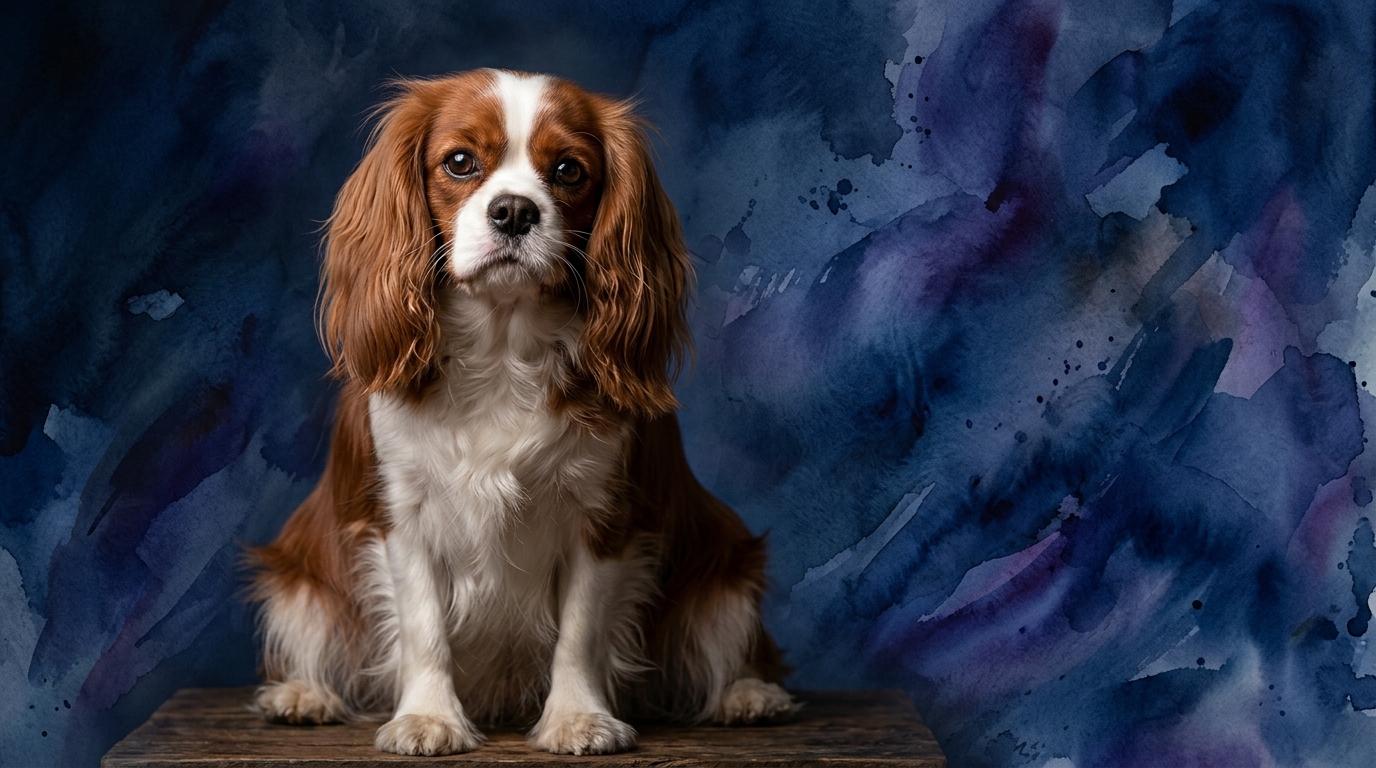
At The Cosmic Pet Pet IQ Lab, we analyze canine intelligence across five key dimensions, offering a nuanced view beyond traditional obedience rankings. The Cavalier King Charles Spaniel, a beloved Toy breed, holds a Coren rank of #44, placing them squarely in the average working/obedience intelligence tier. Their individual scores include a Problem Solving ability of 3/5, indicating competence with routines and simple puzzles, though not complex, multi-stage challenges. Their Training Speed is also 3/5, meaning they respond well to consistent, positive reinforcement, learning basic commands with a moderate number of repetitions. Where the Cavalier truly shines is in Social Intelligence, scoring an exceptional 5/5. This reflects their unparalleled ability to read human emotions, seek interaction, and form deep, intuitive bonds, often anticipating their owner's needs. Their Instinctive Drive is 3/5, primarily manifesting as an enjoyment of chasing toys rather than a strong prey drive, and their Memory is 3/5, allowing them to retain commands, faces, and routines reliably.
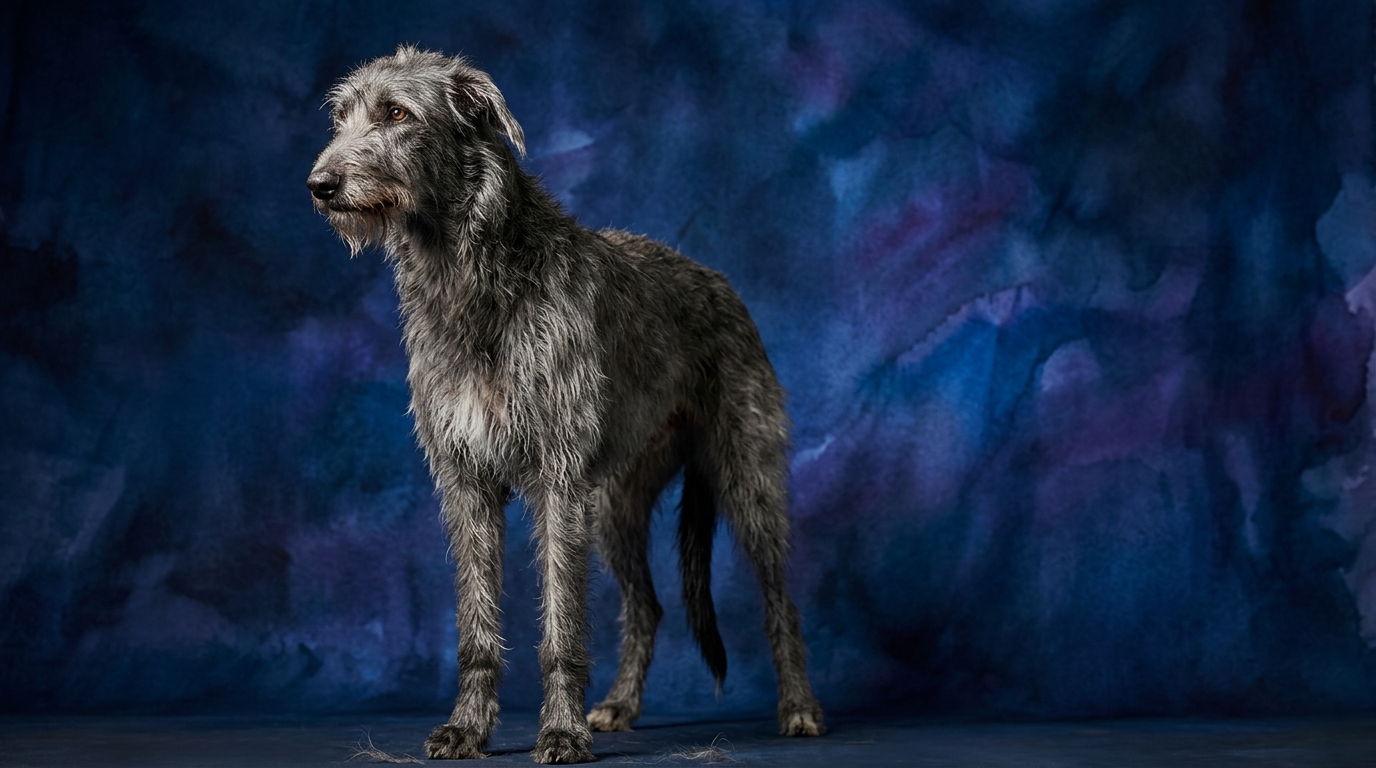
The Scottish Deerhound, a majestic Hound breed, is not Coren-ranked, a characteristic often seen in breeds whose roles did not traditionally emphasize formal obedience or who possess a more independent working style. Their IQ profile presents a fascinating similarity in several dimensions to the Cavalier. They also score 3/5 in Problem Solving, capable of navigating their environment and learning from experience, but not typically known for intricate strategic thinking. Their Training Speed is 3/5, meaning they can learn commands with patience, though their hound nature might introduce a unique dynamic. Social Intelligence for the Deerhound is 3/5; they are gentle and friendly, enjoying companionship but often displaying a more reserved, self-possessed social demeanor compared to the intensely people-focused Cavalier. Their Instinctive Drive, also 3/5, is a distinct sighthound prey drive, geared towards spotting and pursuing movement, which requires specific management. Finally, their Memory is 3/5, allowing them to recall learned information in appropriate contexts.
Where Cavalier King Charles Spaniel Wins Cognitively
The Cavalier King Charles Spaniel’s undisputed cognitive advantage lies in their exceptional Social Intelligence, scoring a perfect 5/5 compared to the Deerhound's 3/5. This isn't merely about friendliness; it's a profound capacity for emotional attunement. Cavaliers are masters at interpreting human non-verbal cues, anticipating moods, and offering comfort without direct prompting. This heightened social acumen makes them incredibly responsive companions, often feeling like they understand their humans on an intuitive level. Their desire to connect and please becomes a powerful motivator in daily interactions and training, fostering a deep, empathetic bond that few breeds can match. This social brilliance translates into an innate ability to integrate seamlessly into family life, often becoming the emotional anchor of the household.
Where Scottish Deerhound Wins Cognitively
While the Scottish Deerhound shares several numerical scores with the Cavalier, their cognitive strengths manifest differently, rooted in their ancient sighthound heritage. The Deerhound's 3/5 in Problem Solving, coupled with their 3/5 Instinctive Drive, enables a specialized form of intelligence geared towards independent action in open environments. Unlike the Cavalier's human-centric problem-solving, the Deerhound excels at processing visual stimuli rapidly, making swift judgments about movement, and executing precise physical maneuvers across varied terrain during a chase. This requires acute spatial awareness, quick decision-making under high arousal, and an ability to operate with considerable autonomy. Their "win" is in their specialized application of these cognitive traits for self-reliant pursuit, a distinct form of environmental mastery that prioritizes independent judgment over direct human guidance in specific contexts.
Which is Easier to Train and Why
Despite both breeds scoring 3/5 in Training Speed, the Cavalier King Charles Spaniel generally proves easier to train due to their superior Social Intelligence (5/5). Their intense desire to please and bond with their owner means they are highly motivated by praise and connection, making them eager participants in training sessions. They are less prone to distraction by external environmental stimuli, preferring to focus on their human. This strong social drive transforms their average training speed into a highly effective learning process, as they actively seek to understand and comply with commands to maintain that cherished human connection. Their moderate instinctive drive means fewer competing internal urges during training.
The Scottish Deerhound, conversely, presents a different training dynamic. While capable learners (3/5 Training Speed), their lower Social Intelligence (3/5) and innate sighthound independence mean they are not always as driven by human approval. Their 3/5 Instinctive Drive, though numerically similar, manifests as a powerful visual prey drive; a fleeting movement or distant scent can instantly override a command, making consistency and managing distractions paramount. Training a Deerhound requires immense patience, understanding of their independent nature, and a reward system that genuinely motivates them, often involving high-value treats or the opportunity to engage in a controlled chase. Their 'selective hearing' is not a lack of understanding, but often a prioritization of their instincts, requiring an owner who can make training more compelling than the call of the wild.
Which Suits Active Owners vs Relaxed Owners
For owners seeking a relaxed and emotionally attuned companion, the Cavalier King Charles Spaniel is an ideal match. Their moderate energy levels mean they are content with regular leash walks and indoor play, thriving on close physical proximity and quiet evenings spent alongside their family. Their high social intelligence makes them adaptable to various living situations, including apartments, as long as they receive ample human attention. They are not demanding in terms of strenuous exercise, making them perfect for individuals or families who prefer a more sedentary lifestyle but desire a devoted, interactive canine presence.
The Scottish Deerhound, despite their calm and gentle demeanor indoors, requires a significantly more active owner. While they enjoy lounging, their sighthound heritage demands regular, vigorous exercise. Owners must provide opportunities for them to stretch their long legs and gallop freely in a large, securely fenced area multiple times a week. Long walks are beneficial, but true satisfaction for a Deerhound comes from unleashing their speed. This breed is best suited for active individuals or families who have access to such spaces and are committed to providing consistent outlets for their athletic needs. Their independent nature also means they appreciate owners who understand and respect their need for both companionship and self-directed activity.
The Verdict
Choose the Cavalier King Charles Spaniel for unparalleled emotional companionship, an intuitive understanding of human moods, and a low-maintenance exercise routine, making them perfect for relaxed owners seeking a devoted family member.
Opt for the Scottish Deerhound if you seek a majestic, gentle giant who offers calm indoor presence but thrives with dedicated opportunities for vigorous outdoor exercise, ideal for active owners with access to expansive, secure spaces.
🧠 Find Your Pet's IQ Score
Our Pet IQ Lab assessment covers 25+ tests across 5 cognitive dimensions — personalized to your breed.
Take the Full IQ Test →Frequently Asked Questions
Are Scottish Deerhounds difficult to train?
Scottish Deerhounds have a training speed score of 3/5. While capable, their independent sighthound nature and moderate social intelligence mean they might require more patience and consistent, positive reinforcement, especially when distractions are present. They are not inherently difficult, but they require an owner who understands their specific motivations and manages their strong visual drive effectively.
Which breed is better with children?
Both breeds are generally known for their gentle dispositions. The Cavalier's high social intelligence makes them naturally attuned to family dynamics and very tolerant, often seeking interaction and comfort. The Scottish Deerhound is also gentle and patient with children, though their sheer size means interactions with very young children should always be supervised to prevent accidental bumps during play.
Do Scottish Deerhounds need a lot of space?
While Scottish Deerhounds are calm indoors and can adapt to smaller living spaces if their exercise needs are met, their large size and sighthound heritage mean they need significant outdoor space for vigorous exercise. They thrive with access to a large, securely fenced yard where they can gallop freely, and they require regular, lengthy walks or runs to satisfy their physical and mental needs.