Side-by-Side IQ Profile: Cavalier vs. Tibetan Mastiff
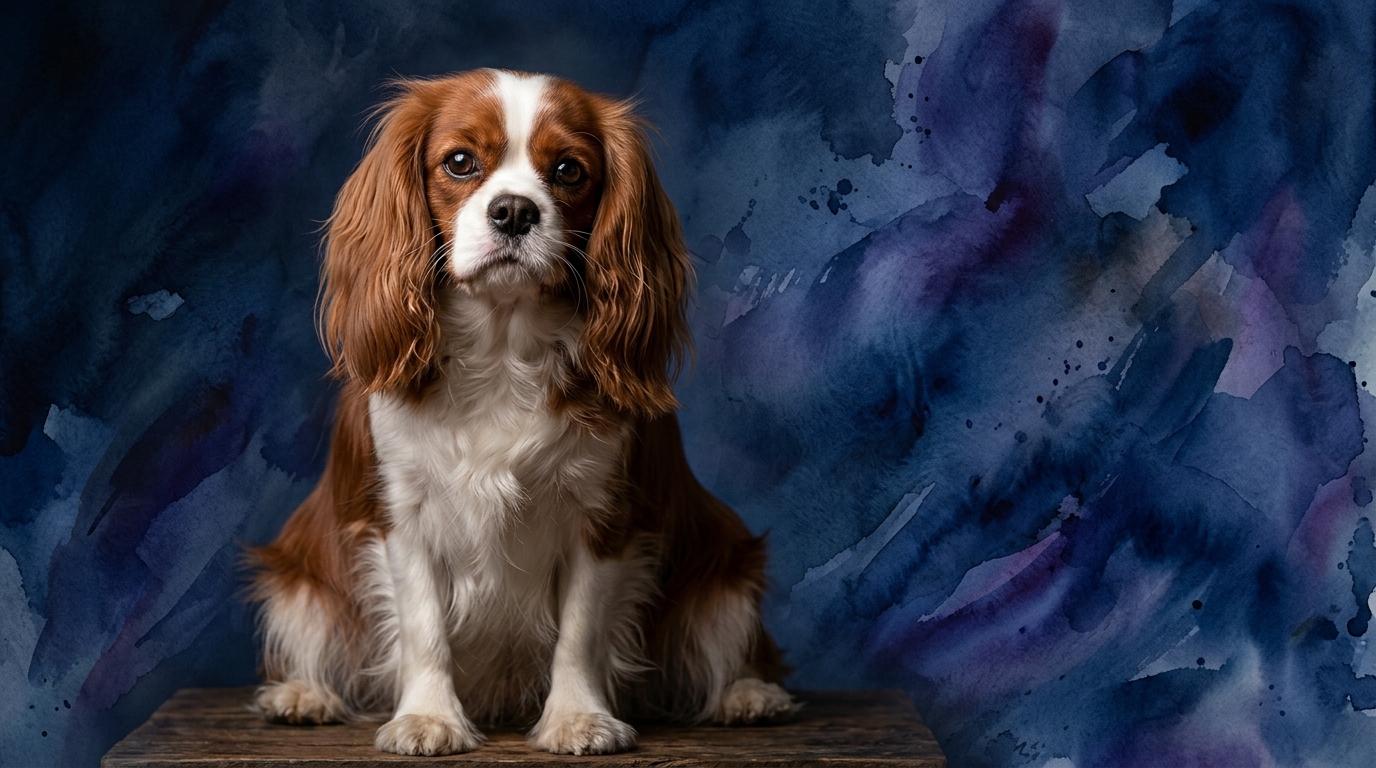
The Cosmic Pet Pet IQ Lab employs a five-dimensional framework to assess canine intelligence, offering a nuanced view beyond simplistic 'smartness' labels. When we examine the Cavalier King Charles Spaniel, a breed ranked #44 by Stanley Coren for working and obedience intelligence, we find a profile tailored for companionship. Their Problem Solving is rated 3/5, indicating a capacity to navigate daily challenges and learn routines, though perhaps not to devise intricate escape strategies. Training Speed also sits at 3/5; Cavaliers generally respond well to positive reinforcement and consistency, eager to engage with their human counterparts. Where they genuinely shine is Social Intelligence, earning a perfect 5/5, reflecting their profound ability to read emotions and adapt to human social cues. Their Instinctive Drive is a moderate 3/5, encompassing a gentle curiosity and a historical echo of flushing small game, now largely sublimated into play. Memory, too, is a solid 3/5, allowing them to recall commands and familiar faces with ease.
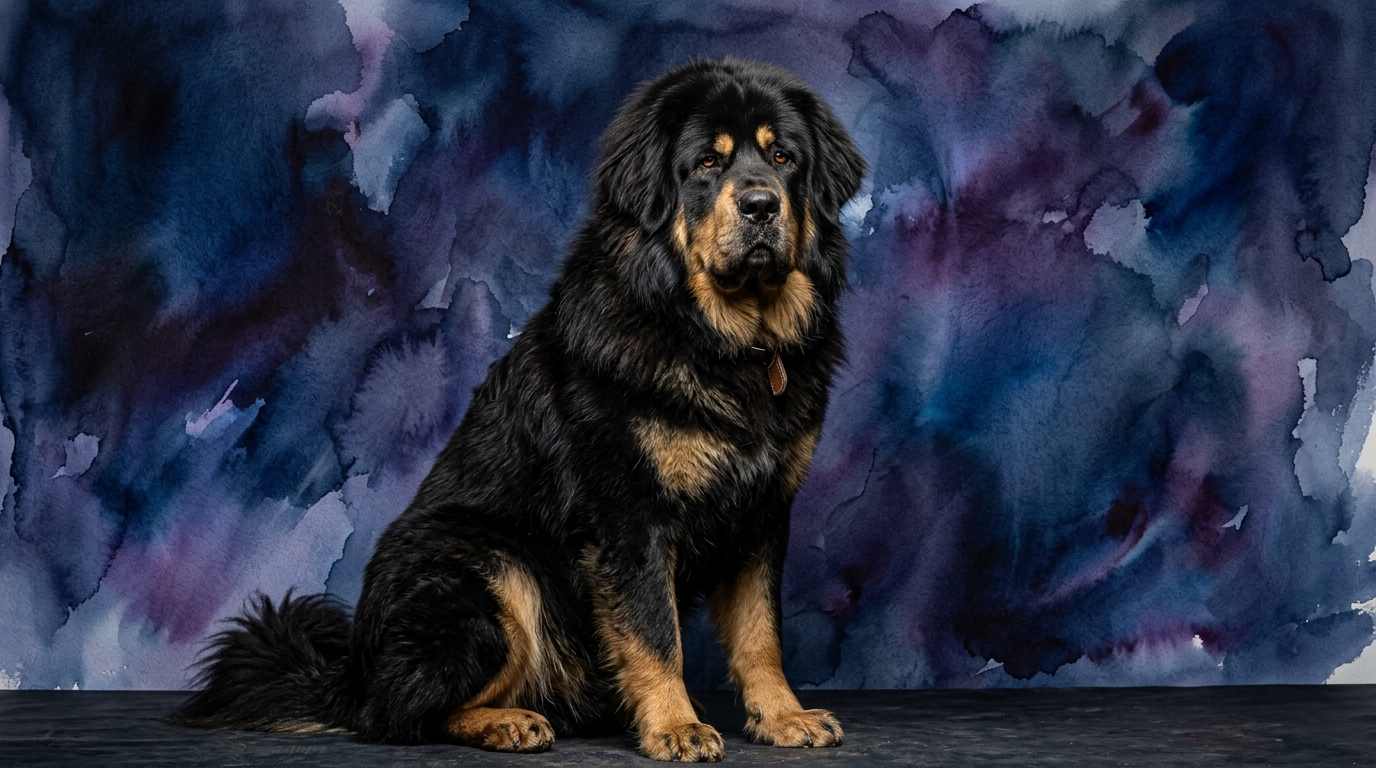
In stark contrast, the Tibetan Mastiff, a formidable Working group dog, does not feature on Coren's traditional rankings, largely due to their independent nature and historical role as a self-sufficient guardian. Yet, their Cosmic Pet Pet IQ Lab scores paint a picture of quiet, formidable competence. Their Problem Solving is also 3/5, but this manifests differently; it's less about human-devised puzzles and more about strategic assessment of their environment and potential threats. Training Speed is likewise 3/5, a score that belies the challenge they present to novice trainers, as their learning is often contingent on their own perceived value of a command, not just a desire to please. Their Social Intelligence is 3/5, demonstrating loyalty and deep bonds with their immediate family, yet a profound reserve and suspicion towards outsiders. Instinctive Drive, at 3/5, is powerfully expressed as territorial guarding and protection, a core part of their being. Finally, their Memory is 3/5, allowing them to retain knowledge of their territory, family members, and perceived threats over extended periods.
Where the Cavalier King Charles Spaniel Excels Cognitively
The Cavalier King Charles Spaniel's cognitive strength lies unequivocally in their exceptional Social Intelligence, scoring a perfect 5/5. This isn't merely about being affectionate; it's a sophisticated capacity to perceive, interpret, and respond to human emotions and social dynamics. Cavaliers are adept at reading subtle cues from their owners, often anticipating needs or offering comfort without explicit prompts. This profound empathy and attunement make them unparalleled companions, capable of forming deep, intuitive bonds. Their ability to integrate seamlessly into diverse family structures, adapting their behavior to different individuals and situations, is a testament to this cognitive specialization. They thrive on interaction, and their intellect is deeply intertwined with their role as a social facilitator within the human household.
Where the Tibetan Mastiff Excels Cognitively
While sharing a 3/5 score in Problem Solving with the Cavalier, the Tibetan Mastiff's manifestation of this trait is distinct and powerful, geared towards independent thought and guardianship. Their cognitive strengths are rooted in their self-sufficient nature and their deep-seated Instinctive Drive for protection. A Tibetan Mastiff's problem-solving often involves assessing perimeter security, identifying potential vulnerabilities, and making independent decisions about threats, rather than seeking human direction. This breed's intellect is less about eager compliance and more about strategic observation and decisive action in their defined territory. Their memory (3/5) is particularly strong for spatial awareness and recognizing individuals, which is crucial for their protective duties, allowing them to recall who belongs and who doesn't, even after long absences. Their quiet, watchful demeanor is a hallmark of this deep, independent cognitive processing.
Training Dynamics: Which is Easier and Why?
When considering ease of training, the Cavalier King Charles Spaniel generally presents a more straightforward path. With a Training Speed of 3/5, Cavaliers are motivated by praise, treats, and the desire for social interaction. Their high Social Intelligence (5/5) means they are attuned to their owner's wishes and eager to please, making them responsive to commands and quick to understand expectations. They are less likely to question instructions and more inclined to cooperate, which facilitates consistent learning and positive reinforcement. Their moderate Instinctive Drive (3/5) means fewer strong, competing urges to override during training sessions, allowing for a more focused and agreeable learning experience.
The Tibetan Mastiff, despite also having a Training Speed of 3/5, offers a significantly different training experience. Their independence and guarding instincts mean they are not inherently eager to please in the same way a Cavalier is. A Tibetan Mastiff will learn, but they often require a reason that aligns with their own understanding or perceived benefit. Their Problem Solving (3/5) often involves figuring out the most efficient way to achieve *their* goals, which may not always align with human commands. Training a Tibetan Mastiff demands immense patience, consistency, and a deep understanding of their unique psychology; they respect fairness and logic, but will not blindly obey. Their moderate Social Intelligence (3/5) also means they are less likely to adjust their behavior simply to gain human approval, requiring a more nuanced, respectful approach to guidance.
Lifestyle Suitability: Active vs. Relaxed Owners
The Cavalier King Charles Spaniel is remarkably adaptable, making them suitable for a wide range of owners, leaning towards those who appreciate a relaxed, companion-focused lifestyle. While they enjoy walks, playtime, and can partake in dog sports, their physical exercise needs are moderate. Their primary requirement is social interaction and companionship, thriving in environments where they are integrated into daily family life. They are content to curl up on a lap for hours, making them an excellent choice for individuals or families seeking an emotionally responsive and affectionate presence without demanding excessive physical exertion.
The Tibetan Mastiff, conversely, is best suited for experienced, confident owners who understand and respect their unique temperament and deep-seated guarding instincts. While they are not hyperactive, they require secure outdoor space and consistent mental stimulation related to their natural drives. Their independence means they are not a 'hands-off' dog; rather, they need an owner who is prepared to provide early, thorough socialization and firm, consistent, yet fair guidance throughout their lives. They are not for passive owners or those seeking a highly compliant pet; rather, they suit individuals who appreciate a majestic, protective, and self-sufficient canine companion, willing to invest significant time and effort into their upbringing and management.
The Verdict
Choose the Cavalier King Charles Spaniel if you desire a deeply empathetic, socially astute companion who thrives on close interaction and integrates seamlessly into a family-centric lifestyle.
Opt for the Tibetan Mastiff if you are an experienced owner seeking an independent, protective, and majestic guardian, willing to invest in their early socialization and consistent, respectful training for a self-sufficient mind.
🧠 Find Your Pet's IQ Score
Our Pet IQ Lab assessment covers 25+ tests across 5 cognitive dimensions — personalized to your breed.
Take the Full IQ Test →Frequently Asked Questions
Do Cavalier King Charles Spaniels need a lot of mental stimulation?
Cavaliers primarily benefit from social interaction and gentle play as mental stimulation. Their high social intelligence means that engaging with their human family, learning new tricks, or participating in short training sessions fulfills much of their cognitive needs, rather than complex puzzle toys alone.
Is a Tibetan Mastiff's independence a sign of low intelligence?
Not at all. A Tibetan Mastiff's independence is a hallmark of their specific type of intelligence, rooted in centuries of self-sufficient guardianship. It reflects their capacity for autonomous problem-solving and decision-making in their role as protectors, rather than a lack of cognitive ability.
How do their different social intelligence scores impact household dynamics?
The Cavalier's 5/5 social intelligence means they are highly attuned to family emotions, often seeking to comfort or engage, making them very adaptive and affectionate members. The Tibetan Mastiff's 3/5 social intelligence means they form profound bonds with their immediate family but are reserved with strangers, requiring careful management in social settings and a clear understanding of their protective nature.