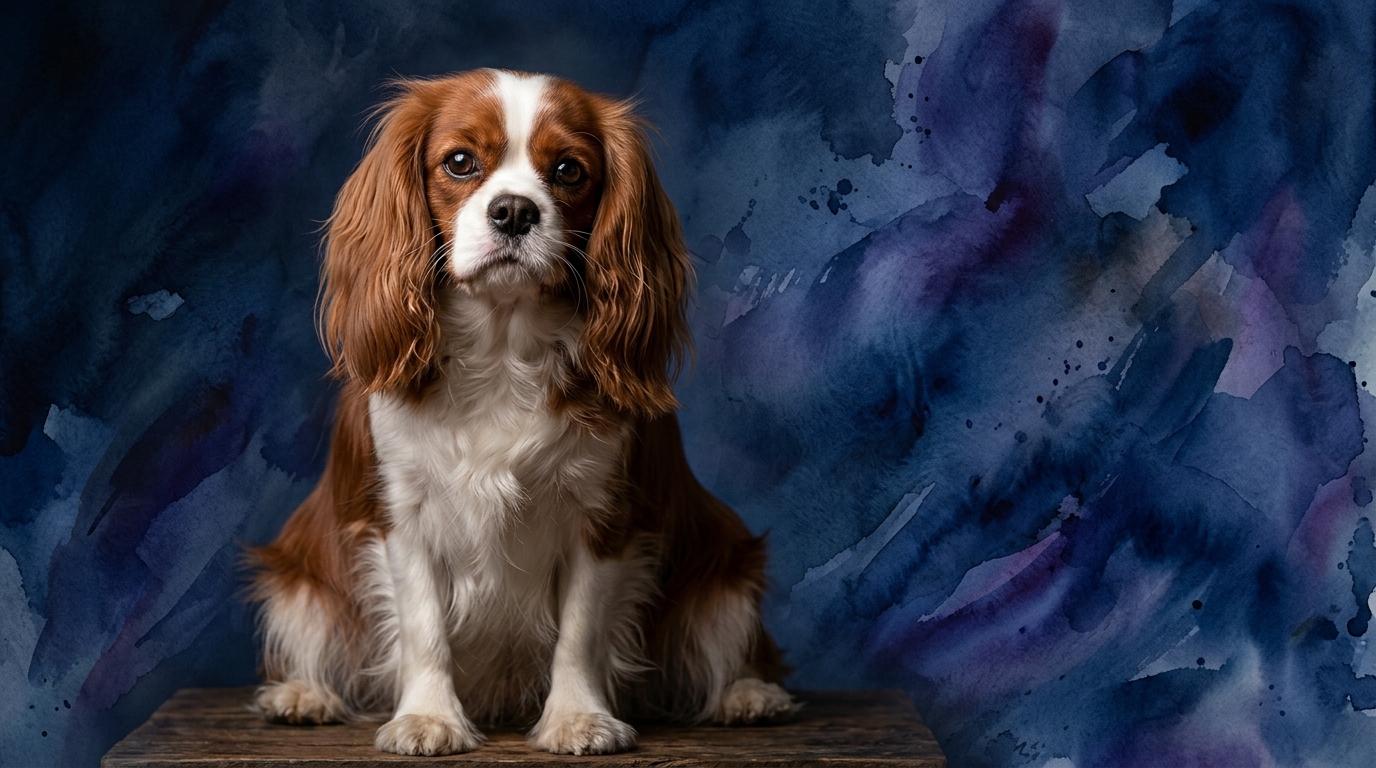
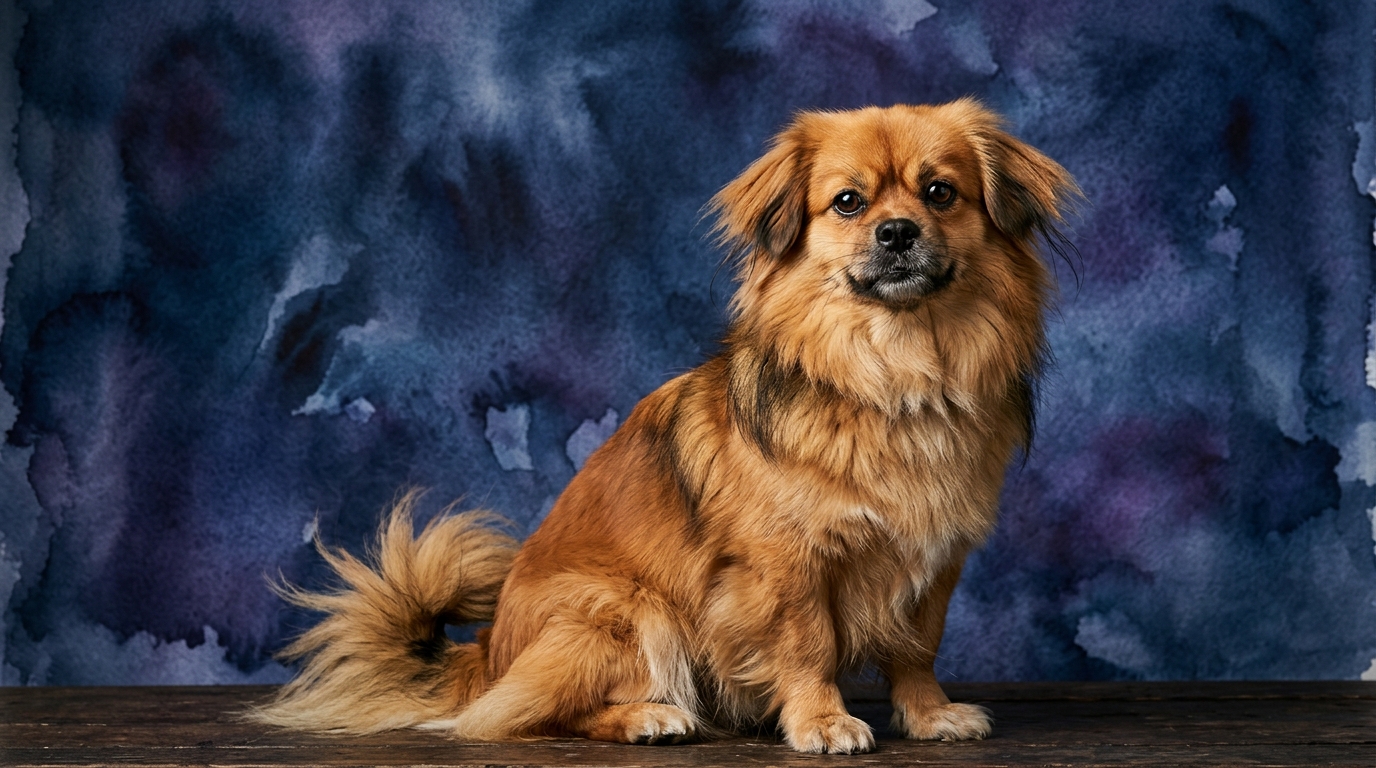
Side-by-Side IQ Profile
The Cosmic Pet Pet IQ Lab employs a five-dimensional framework to assess canine cognition. For the Cavalier King Charles Spaniel, a Toy breed with a Coren rank of #44, their profile includes Problem Solving at 3/5, Training Speed at 3/5, an exceptional Social Intelligence at 5/5, Instinctive Drive at 3/5, and Memory at 3/5. This suggests a dog capable of moderate challenges and average learning, but truly shining in its capacity for human connection.
In contrast, the Tibetan Spaniel, a Non-Sporting breed without a formal Coren ranking, presents a balanced cognitive fingerprint: Problem Solving 3/5, Training Speed 3/5, Social Intelligence 3/5, Instinctive Drive 3/5, and Memory 3/5. This consistent scoring indicates a moderate cognitive approach. While their social intelligence is not as pronounced as the Cavalier's, it still represents a solid capacity for companionship, perhaps with more independence. Both demonstrate average learning and recall, but apply these skills uniquely.
Where Cavalier King Charles Spaniel Wins Cognitively
The Cavalier King Charles Spaniel truly distinguishes itself through its remarkable Social Intelligence, scoring an impressive 5/5. This reflects an innate, profound ability to read and respond to human emotions and intentions. A Cavalier will often anticipate an owner's mood, offering comfort or seeking interaction with uncanny precision, making them exceptionally attuned companions. Their strong desire for connection translates into a deep understanding of social dynamics. This high social intelligence means they are often more eager to please and sensitive to praise, forming incredibly strong, responsive bonds. Their Coren ranking of #44 further hints at a general adaptability and willingness to engage in structured learning, complementing their social aptitude.
Where Tibetan Spaniel Wins Cognitively
While the Tibetan Spaniel shares similar scores in Problem Solving, Training Speed, Instinctive Drive, and Memory with the Cavalier, their cognitive strengths lie in a different manifestation of their moderate scores, particularly in their balanced Social Intelligence (3/5). This indicates a more independent, self-reliant companion. Unlike the Cavalier's intense desire for constant human connection, the Tibetan Spaniel, shaped by centuries as watchdogs, possesses a calm self-assurance. Their 3/5 social intelligence allows them to be affectionate without being overly demanding, capable of entertaining themselves or observing with quiet dignity. This self-possession makes them less prone to separation anxiety. Their instinctive drive (3/5) often manifests as keen environmental awareness, making them excellent, subtle alert systems. They "win" where an owner appreciates a devoted companion who is present, yet also respects personal space and can thrive without being a constant "velcro dog."
Which is Easier to Train and Why
Based on their cognitive profiles, the Cavalier King Charles Spaniel generally presents as the easier breed to train. Their standout Social Intelligence (5/5) is the primary driver, fostering a profound desire to connect and please their human companions. This makes them highly receptive to cues and eager to cooperate, motivated deeply by praise and positive reinforcement, often picking up on subtle changes in an owner's tone. While their Training Speed is a moderate 3/5, their willingness to engage and sensitivity to social feedback can make the training process feel more fluid and rewarding, as they view training as a shared, positive interaction.
The Tibetan Spaniel, with a Social Intelligence of 3/5 and the same Training Speed of 3/5, is certainly trainable but often requires a different approach. Their more independent nature means they may not possess the same inherent drive to please. They might display a more discerning "what's in it for me?" attitude, requiring owners to be more creative with high-value motivation and maintain a consistent, patient approach. Their training journey might involve more repetition, as their focus isn't solely on the human-dog social contract; an owner must earn their cooperation through clear communication and positive reinforcement.
Which Suits Active Owners vs Relaxed Owners
For active versus relaxed owners, both breeds lean towards a relaxed lifestyle, but with nuanced differences. The Cavalier King Charles Spaniel, with its exceptional Social Intelligence (5/5), thrives best with owners who are present and enjoy consistent interaction. While they appreciate short, leisurely walks and playtime, their primary need is companionship. They are ideal for relaxed owners who spend significant time at home and want a devoted, affectionate presence, as prolonged solitude can be challenging for their highly social nature.
The Tibetan Spaniel, with its balanced scores including a Social Intelligence of 3/5, offers a slightly different dynamic. They are equally content with a relaxed home environment and moderate daily exercise. However, their slightly more independent streak means they can tolerate periods of quiet self-sufficiency more readily than a Cavalier. They are less likely to be true "velcro dogs" and might enjoy observing from a comfortable perch rather than constantly seeking physical contact. This makes them a good fit for relaxed owners who appreciate a devoted companion but also value a dog that can occupy itself calmly without being overly demanding.
The Verdict
Choose the Cavalier King Charles Spaniel if you desire a deeply empathetic, highly socially attuned companion who thrives on constant human interaction and forms exceptionally strong emotional bonds, making training a cooperative and mutually rewarding experience.
Choose the Tibetan Spaniel if you appreciate a devoted yet more independent companion, one that offers affection and presence without demanding constant attention, and whose subtle watchdog instincts and self-possessed nature fit a slightly more hands-off but equally loving home.
🧠 Find Your Pet's IQ Score
Our Pet IQ Lab assessment covers 25+ tests across 5 cognitive dimensions — personalized to your breed.
Take the Full IQ Test →Frequently Asked Questions
Are Cavalier King Charles Spaniels prone to separation anxiety due to their high social intelligence?
Yes, their exceptional social intelligence means Cavaliers thrive on companionship and can develop separation anxiety if left alone for extended periods, as they deeply rely on human connection.
Do Tibetan Spaniels make good watchdogs despite their moderate instinctive drive?
While not aggressive guard dogs, Tibetan Spaniels do possess a moderate instinctive drive that often manifests as alertness; they are known to notice changes in their environment and will often bark to alert their owners to strangers or unusual occurrences.
Can both breeds excel in dog sports like agility or obedience?
Both breeds can enjoy and participate in dog sports at a recreational level, especially with consistent positive reinforcement; however, the Cavalier's higher social intelligence may make them more naturally inclined to structured obedience, while the Tibetan Spaniel might prefer activities that leverage their observational skills and independence.