A Side-by-Side Cognitive Profile
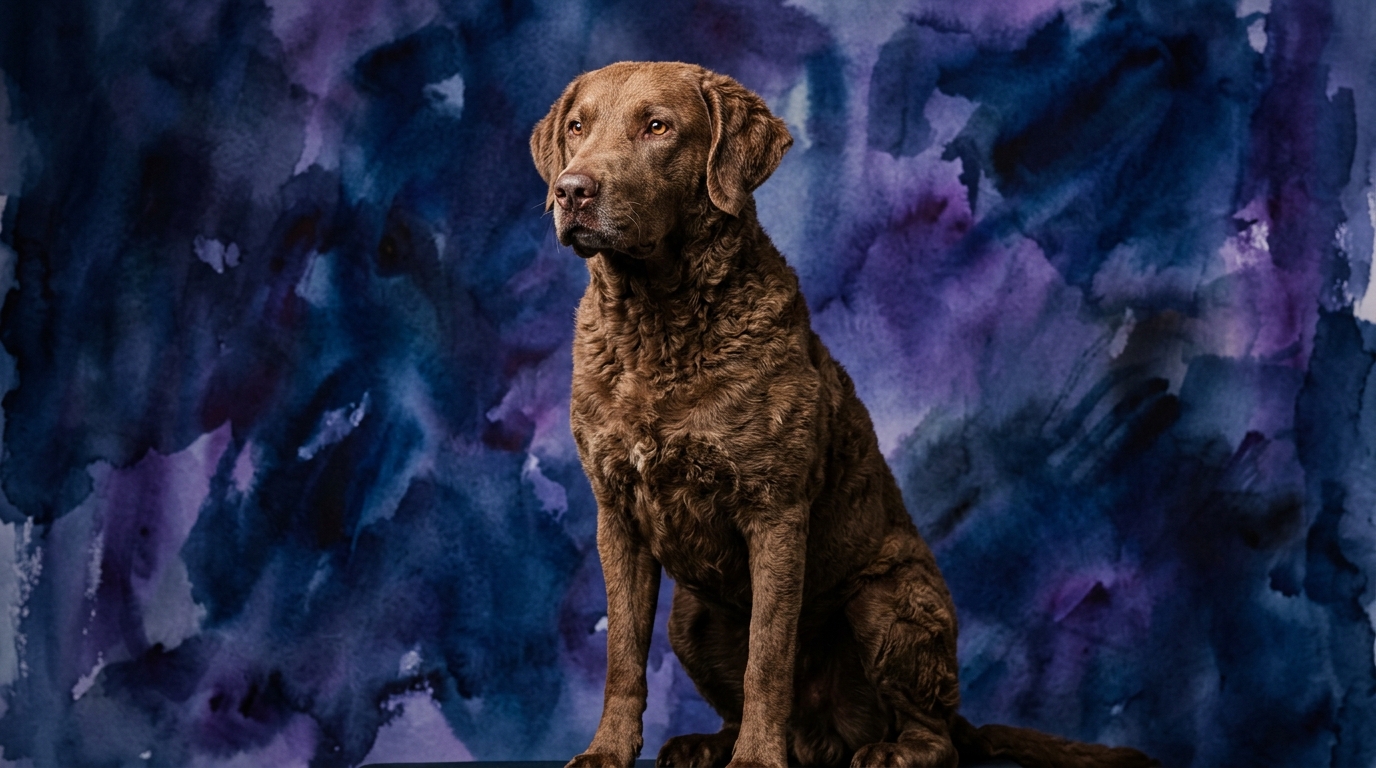
The Cosmic Pet Pet IQ Lab employs a five-dimensional framework to assess canine intelligence, providing a nuanced understanding beyond simple obedience. For the Chesapeake Bay Retriever, a Sporting group dog, we see a profile geared towards purpose and partnership. Their Problem Solving is rated 4/5, indicating a resourceful mind capable of navigating complex tasks and overcoming obstacles with determination, particularly when a retrieve is involved. Training Speed also scores 4/5, highlighting their quick grasp of commands and eagerness to learn new routines, making them responsive partners in structured environments. Social Intelligence stands at 3/5; they form deep bonds with their families but can exhibit a reserved demeanor towards strangers, requiring proper socialization to foster balanced interactions. Their Instinctive Drive, at 3/5, is centered on their retrieving heritage, showing a focused determination for tasks related to their historical role without being overwhelmingly intense in all contexts. Finally, their Memory is strong at 4/5, allowing them to retain learned behaviors and past experiences effectively, contributing to consistency in their performance.
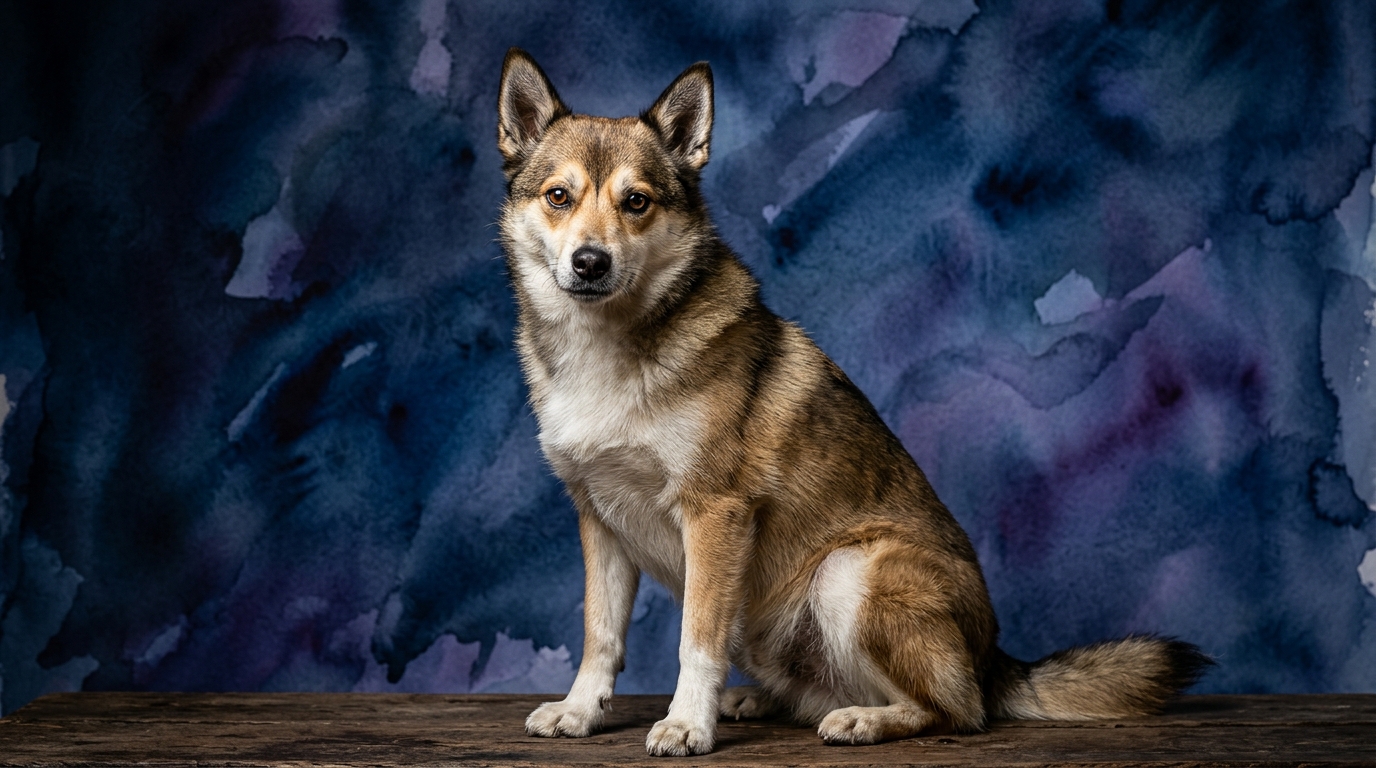
In contrast, the Norwegian Lundehund, a Non-Sporting breed, presents a cognitive profile shaped by its highly specialized history as a puffin hunter on cliff faces. Their Problem Solving is rated 3/5, suggesting they are capable of moderate challenges, often employing inventive, independent methods, but may benefit from more guidance in conventional tasks. Training Speed is 3/5, indicating a moderate learning pace that requires patience and consistent positive reinforcement, as their independent streak can sometimes be interpreted as stubbornness. Social Intelligence matches the Chessie at 3/5; they are affectionate and engaged with their immediate family but can be wary or cautious in new social situations or around unfamiliar individuals. Their Instinctive Drive, also 3/5, is profoundly unique, driving their exceptional physical flexibility and determination to navigate confined spaces, a specialized drive that differs significantly from a retriever's. Their Memory is rated 3/5, allowing for good recall of familiar routines and people, though complex sequences might require more repetition to solidify.
Where the Chesapeake Bay Retriever Excels Cognitively
The Chesapeake Bay Retriever's cognitive strengths clearly lie in areas requiring strategic thought and rapid assimilation of information. With a Problem Solving score of 4/5, Chessies are adept at figuring out intricate challenges, such as locating cleverly hidden objects or navigating complex field environments during a retrieve. Their robust memory (4/5) ensures that once a task or command is learned, it is retained with impressive consistency, making them reliable partners for ongoing training and specialized roles. This strong memory, combined with their quick Training Speed (4/5), means a Chesapeake Bay Retriever can master advanced obedience, intricate scent work, or demanding dog sports with relative efficiency. They thrive on having a purpose and excel in situations where their quick thinking and ability to recall learned behaviors are regularly engaged, making them outstanding candidates for roles requiring sustained intellectual engagement.
Unique Cognitive Strengths of the Norwegian Lundehund
While the Norwegian Lundehund doesn't outscore the Chessie in raw metrics, its cognitive profile is a testament to highly specialized evolutionary adaptation. Its Problem Solving (3/5) is particularly geared towards its historical niche, demonstrating ingenuity in maneuvering through tight, unconventional spaces to hunt puffins. This isn't about traditional obedience tasks but rather an intrinsic, physical problem-solving ability that few other breeds possess. The Lundehund's Instinctive Drive (3/5) is incredibly specific, compelling it to utilize its extraordinary flexibility and agility, which is a cognitive driver for unique physical behaviors like turning its head 180 degrees or folding its ears shut. This drive reflects an independent, self-reliant intellect, valuing autonomy in its actions. For owners who appreciate a dog with a distinct, independent thought process and a drive towards unique, almost puzzle-like physical challenges, the Lundehund's specialized cognitive makeup can be a profound advantage, offering a different kind of intellectual companionship.
Training Aptitude: Which is Easier to Guide?
When it comes to ease of training, the Chesapeake Bay Retriever generally presents a more straightforward path. Their 4/5 Training Speed and 4/5 Memory mean they pick up new commands quickly and retain them well over time. Chessies typically possess a strong desire to please their owners and thrive on having a clear purpose, making them highly receptive to consistent, positive reinforcement-based training. Their focused nature and strong work ethic translate into a willingness to engage in repetitive drills necessary for mastery, whether in basic obedience or advanced competitive activities.
The Norwegian Lundehund, with a 3/5 Training Speed and 3/5 Memory, requires a different approach. Their independent and sometimes cautious nature means training sessions need to be engaging, patient, and highly positive. While they are capable of learning, they may not exhibit the same eagerness to please as a Chessie and can sometimes be perceived as stubborn if not motivated correctly. Their inherent independence means they might prefer to figure things out on their own rather than follow explicit commands, requiring an owner who understands and respects this self-reliant streak. Consistency and creativity are key to successful training with a Lundehund, making them suitable for owners who enjoy a rewarding challenge rather than quick compliance.
Matching Breeds to Lifestyles: Active vs. Relaxed Owners
The Chesapeake Bay Retriever is an ideal match for active owners who relish outdoor adventures and are prepared to provide substantial physical and mental stimulation. Their robust instinctive drive and problem-solving prowess make them exceptional partners for activities like hiking, swimming, retrieving games, and various dog sports such as agility or obedience. An owner who can channel their Chessie's energy and intelligence into a 'job,' whether it's competitive sport or simply daily challenging activities, will find a deeply fulfilled and responsive companion. These dogs thrive on purpose and require an owner who understands their need for consistent engagement to prevent boredom and destructive behaviors.
Conversely, the Norwegian Lundehund might be a better fit for owners who appreciate a more independent companion with moderate, rather than intense, exercise requirements. While they certainly need daily walks and opportunities to explore, their energy levels are generally not as demanding as a Chessie's. Owners who are prepared for the Lundehund's unique physical traits and potential health considerations, such as their digestive sensitivities, and appreciate a dog with a distinct personality and a flair for self-reliance, will find a rewarding companion. They suit households that can provide consistent care and socialization, valuing a quirky, affectionate bond over constant, high-octane activity.
The Verdict
Choose the Chesapeake Bay Retriever if you seek a dedicated, quick-learning partner for demanding outdoor activities, dog sports, or a structured working role, valuing their problem-solving and memory.
Opt for the Norwegian Lundehund if you desire a unique, independent companion with moderate exercise needs, are prepared for specific care requirements, and appreciate a dog with a distinct historical purpose.
🧠 Find Your Pet's IQ Score
Our Pet IQ Lab assessment covers 25+ tests across 5 cognitive dimensions — personalized to your breed.
Take the Full IQ Test →Frequently Asked Questions
Are Chesapeake Bay Retrievers good with children?
With a social intelligence rating of 3/5, Chesapeake Bay Retrievers can be good with children, especially when raised with them and properly socialized from a young age. They are loyal to their family but may be reserved or cautious around unfamiliar children, so supervision is always recommended during interactions.
Do Norwegian Lundehunds have any unique health concerns related to their physical traits?
Yes, their extreme flexibility, particularly in their shoulders and necks, can predispose them to certain joint issues. More notably, Lundehunds are prone to a unique digestive condition called Lundehund Syndrome (Intestinal Lymphangiectasia), which requires careful dietary management and regular veterinary oversight throughout their lives.
How much exercise does a Chesapeake Bay Retriever need daily?
A Chesapeake Bay Retriever requires a significant amount of daily exercise, typically 60-90 minutes of vigorous activity. This should include stimulating activities like swimming, retrieving games, long runs, or challenging hikes to satisfy their instinctive drive and maintain their physical and mental well-being.