Side-by-Side IQ Profile
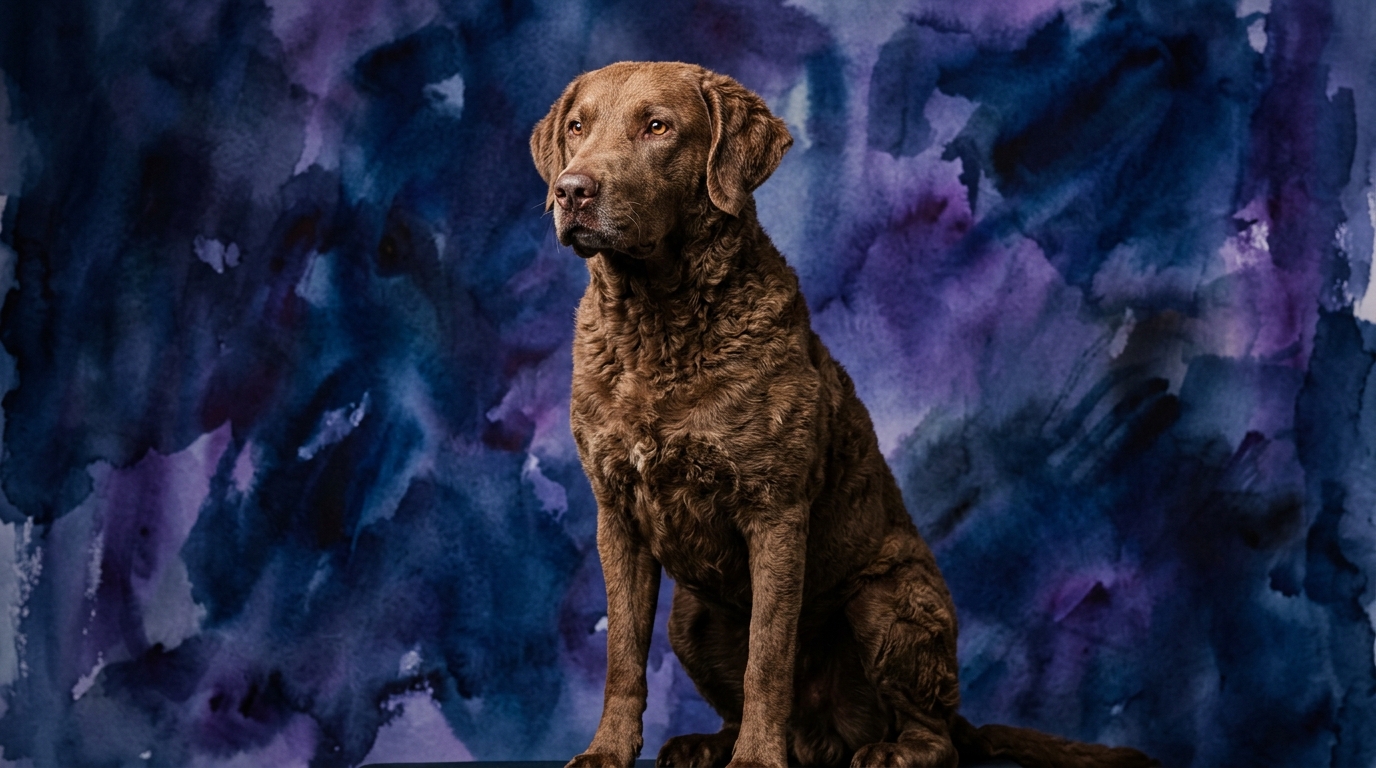
The Cosmic Pet's IQ Lab assesses canine cognition across five dimensions. The Chesapeake Bay Retriever (Coren rank #27) excels in problem-solving (4/5) and memory (4/5), reflecting its history as an independent, effective retriever. Its training speed (4/5) is also high, indicating quick learning, while social intelligence (3/5) and instinctive drive (3/5) are moderate, leaning towards discerning family loyalty and purposeful activity.
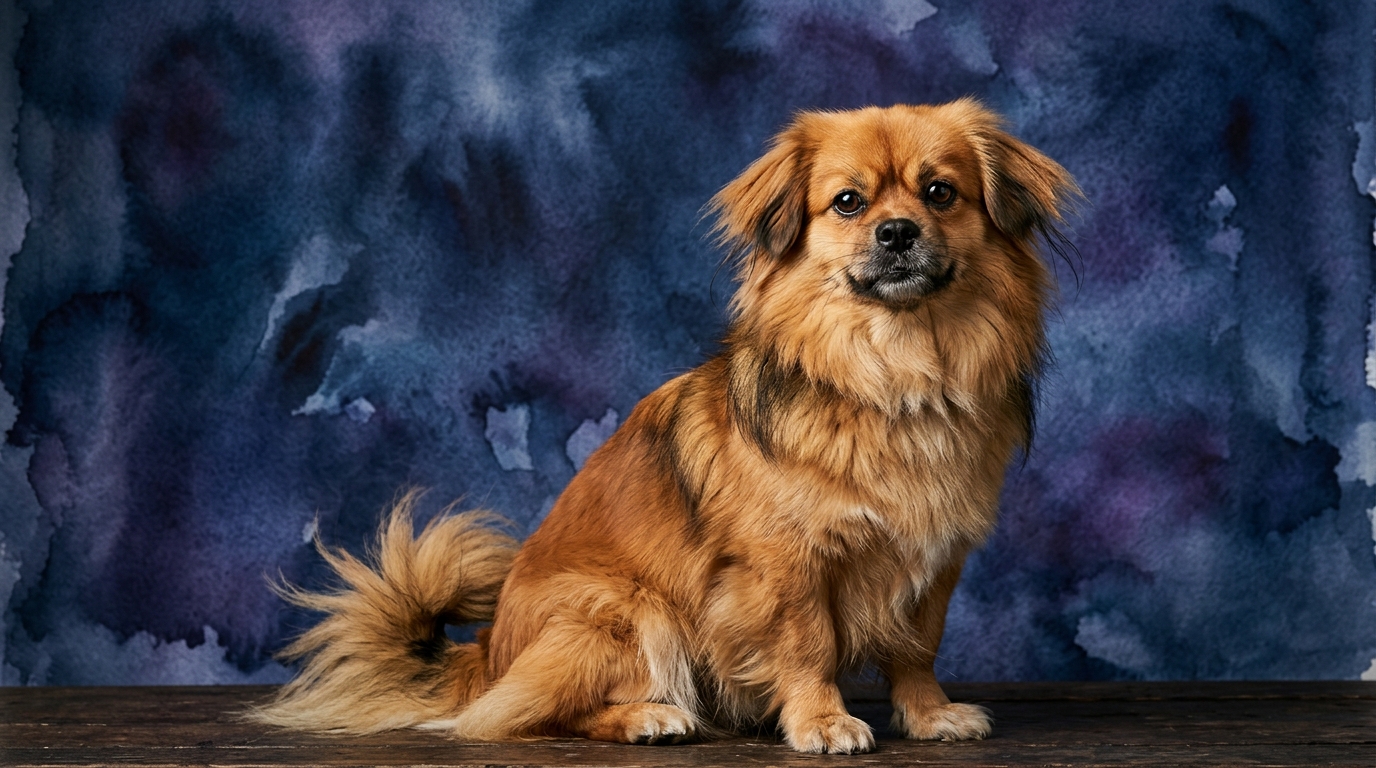
In contrast, the Tibetan Spaniel (Not Coren-ranked) shows a balanced cognitive profile with problem-solving (3/5), training speed (3/5), social intelligence (3/5), instinctive drive (3/5), and memory (3/5) all at a moderate level. This suggests an adaptable and observant temperament, rather than one geared towards demanding work tasks. While both breeds show moderate social intelligence, the Chessie's is often characterized by reserved loyalty, whereas the Tibbie's is marked by keen observation within its family unit. Their instinctive drives also differ, with the Chessie's rooted in retrieving and the Tibbie's in alert companionship.
Where Chesapeake Bay Retriever Wins Cognitively
The Chessie's cognitive strengths are evident in tasks demanding strategic thinking and robust recall. Their 4/5 problem-solving score signifies an ability to methodically navigate complex situations, a trait honed by independently locating game in varied environments. This translates to a dog that can figure out multi-step puzzles or adapt to new training scenarios by applying past learning, rather than just rote memorization.
Coupled with a 4/5 memory, a Chessie can internalize and reliably execute intricate command sequences over time, making them exceptional candidates for advanced obedience, field trials, or service work where precision and consistent performance are paramount. Their focused disposition allows them to maintain concentration on a task, even amidst distractions, contributing to their superior performance in goal-oriented cognitive challenges.
Where Tibetan Spaniel Wins Cognitively
The Tibetan Spaniel's cognitive advantages lie in their finely tuned social perception and adaptability within a domestic sphere. While their problem-solving and memory are moderate (3/5), their social intelligence, though rated similarly to the Chessie, manifests as a profound understanding of human routines and emotional states. These "little lions" are astute observers, often anticipating needs or reacting to subtle shifts in family dynamics without explicit commands.
This makes them remarkably intuitive companions, excelling at providing quiet, perceptive presence rather than executing complex tasks. Their moderate instinctive drive (3/5) means they are rarely overwhelmed by intense urges, allowing them to remain calm, alert, and seamlessly integrated into household life. Their cognitive edge is in their capacity for nuanced, empathetic companionship, making them masters of subtle communication within their chosen family.
Which is Easier to Train and Why
For owners prioritizing rapid skill acquisition and consistent task execution, the Chesapeake Bay Retriever generally offers a more straightforward training experience. Their 4/5 training speed and 4/5 memory mean they absorb new commands quickly and retain them reliably, even for complex multi-step tasks. A Chessie’s strong work ethic and desire to please often translate into eagerness during training sessions, making them responsive to clear direction. However, their independent nature necessitates early, consistent, and firm guidance to channel their drive productively, as an unguided Chessie might apply their problem-solving skills to less desirable pursuits.
The Tibetan Spaniel, with a 3/5 training speed, is certainly trainable but often requires a different approach. They learn steadily and are generally cooperative, especially with positive reinforcement. However, their independent and sometimes selective nature means they may not exhibit the same fervent desire for rote obedience as a working breed. They might learn commands but choose to execute them only when sufficiently motivated or if they deem it worthwhile. Real behavioral differences include their tendency to be easily distracted if something more interesting arises, or to simply ignore commands if they don't see the point. Training a Tibetan Spaniel often benefits from patience, creativity, and making sessions fun and engaging, rather than expecting military precision.
Which Suits Active Owners vs. Relaxed Owners
The Chesapeake Bay Retriever is an ideal match for active owners who relish outdoor adventures and engaging their dog in purposeful activities. Their sporting background means they thrive on extensive physical exercise, such as long runs, hiking, swimming, and participation in dog sports. A Chessie needs a "job" to do, and a bored Chessie can channel their substantial energy and problem-solving abilities into undesirable behaviors. This breed demands an owner committed to providing ample mental and physical stimulation.
In contrast, the Tibetan Spaniel perfectly suits more relaxed owners. While they enjoy daily walks and playtime, their exercise needs are significantly lower. They are content with gentle strolls and cozy indoor companionship. Their observational cognitive strengths make them excellent apartment dwellers who are alert but not overly demanding. For owners seeking a quiet, perceptive presence that integrates seamlessly into a less physically strenuous lifestyle, the Tibbie offers devoted companionship without the intense activity requirements.
The Verdict
Choose the Chesapeake Bay Retriever if you are an active individual or family seeking a highly trainable, robust partner for outdoor adventures, dog sports, or a working role. This breed excels when given purpose and consistent mental and physical challenges to channel its formidable cognitive abilities.
Opt for the Tibetan Spaniel if you desire a perceptive, independent, and moderately active companion that thrives on close domestic companionship and subtle interaction. This breed is perfect for those who appreciate a clever, observant presence without the demands of a high-drive working dog.
🧠 Find Your Pet's IQ Score
Our Pet IQ Lab assessment covers 25+ tests across 5 cognitive dimensions — personalized to your breed.
Take the Full IQ Test →Frequently Asked Questions
Does Coren rank apply to all breeds?
No, Stanley Coren's ranking primarily assesses working obedience and intelligence based on trainability and command acquisition for working breeds. Many companion or non-sporting breeds, like the Tibetan Spaniel, have different cognitive strengths not directly measured by this specific ranking system.
How does "social intelligence" differ between these breeds?
While both are rated 3/5, the Chessie's social intelligence often manifests as reserved loyalty to its family and discernment with strangers. The Tibetan Spaniel's, however, leans towards keen observation of human behavior and subtle emotional cues, making them highly attuned domestic companions.
Can a Tibetan Spaniel be trained for advanced tasks?
Yes, a Tibetan Spaniel can certainly learn advanced tasks, but it might take more patience and creative motivation than with a highly driven working breed. Their independent spirit means training success often hinges on making the process fun and rewarding, rather than relying on rote obedience.