Side-by-Side IQ Profile: Unpacking the 3/5 Scores
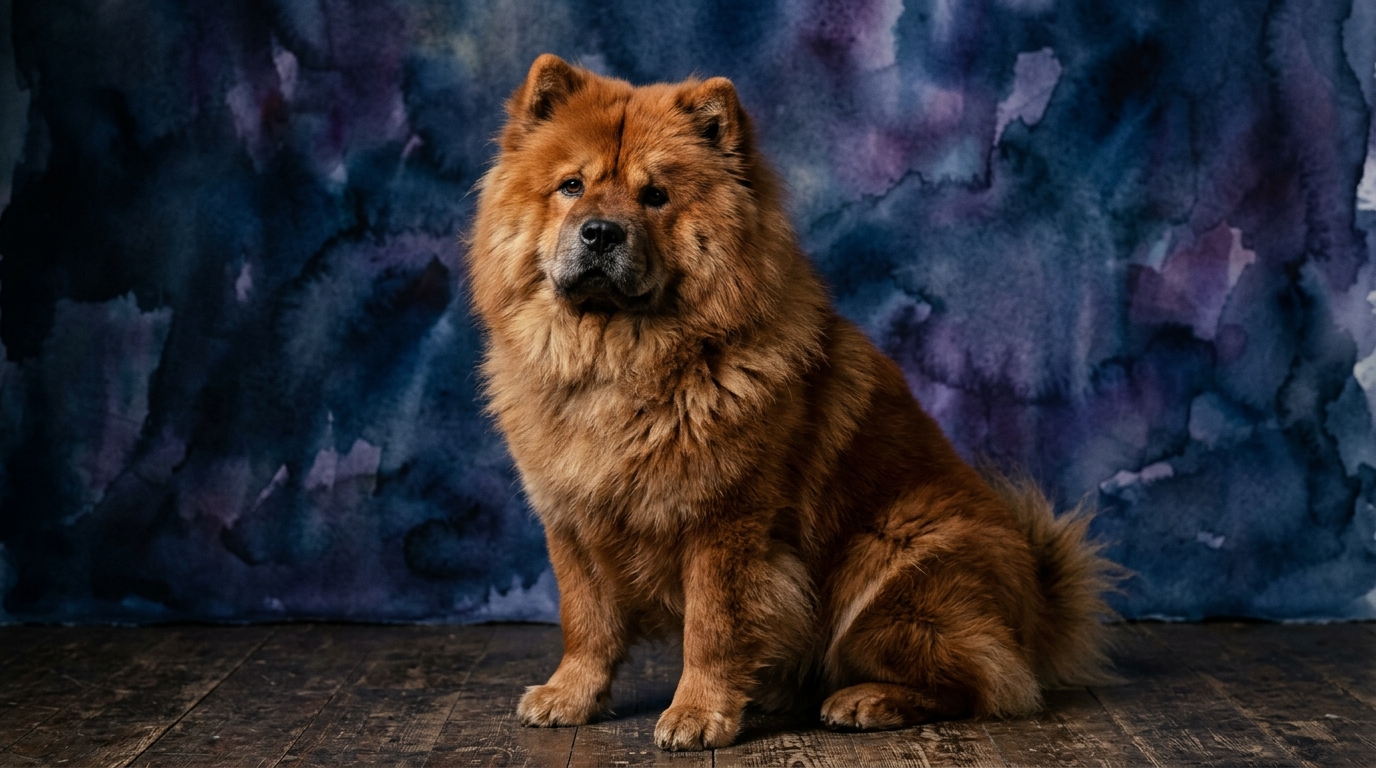
Both the Chow Chow and the Tibetan Spaniel register a consistent 3 out of 5 across all five dimensions of The Cosmic Pet Pet IQ Lab's cognitive assessment: problem solving, training speed, social intelligence, instinctive drive, and memory. While the numerical score is identical, the manifestation of these cognitive traits in daily life paints a picture of two distinct intellectual profiles. For the Chow Chow, a 3/5 in problem solving often translates to an independent approach, where they might weigh the effort versus reward before engaging, or devise their own solutions to perceived inconveniences rather than seeking human guidance. Their 3/5 training speed is influenced by a strong will and a preference for self-determination, meaning they learn, but often on their own terms and with a clear understanding of 'what's in it for them.' Social intelligence at 3/5 for a Chow Chow reflects their reserved nature; they are observant but not overtly demonstrative, often preferring a small, familiar circle. Their instinctive drive, also 3/5, leans heavily into their historical role as guardians and protectors, exhibiting a measured but firm territoriality. Memory at 3/5 means they retain lessons and experiences effectively, but their recall might be selective, especially if a command doesn't align with their current inclination.
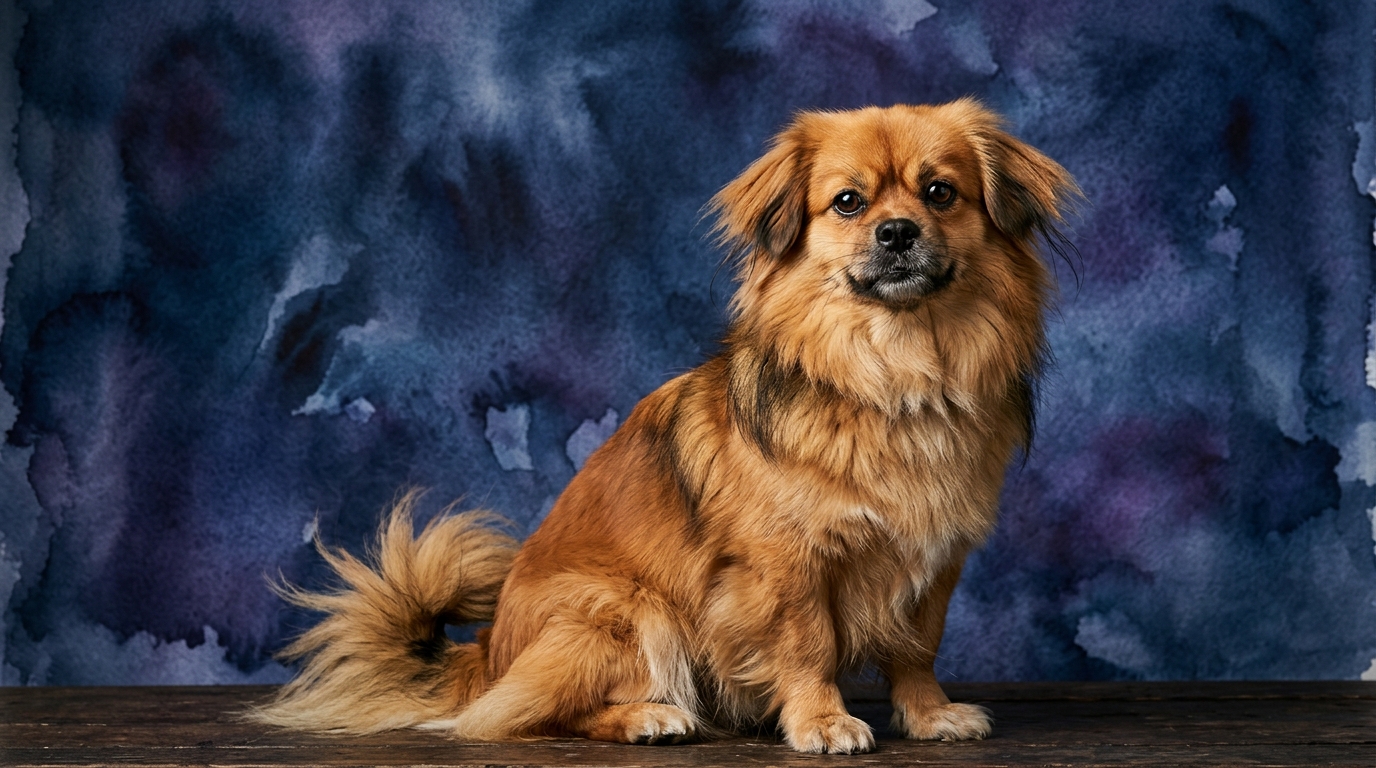
The Tibetan Spaniel, with identical 3/5 scores, presents these traits through a different lens. Their 3/5 problem solving often involves clever manipulation of their environment or human companions to achieve their goals, demonstrating a resourceful and sometimes mischievous intelligence. Training speed at 3/5 for a Tibetan Spaniel suggests they are receptive to learning, particularly when positive reinforcement is consistently applied, though they possess a streak of independent thought that can make them less robotically obedient than some breeds. Their social intelligence, also 3/5, is expressed through a keen awareness of their human family's moods and dynamics, often acting as sensitive companions who thrive on interaction, albeit on their own terms when it comes to expressing affection. Instinctive drive at 3/5 for the Tibetan Spaniel is heavily influenced by their watchdog heritage; they possess a keen sense of awareness and a readiness to alert, often with a surprisingly loud bark for their size. Their 3/5 memory is solid, allowing them to recall routines, people, and past experiences with accuracy, which is crucial for their role as observant companions.
Where the Chow Chow Excels Cognitively
The Chow Chow's cognitive strengths lie in their self-sufficiency and a particular brand of discerning independence. Their 3/5 problem-solving ability, coupled with their instinctive drive for guarding, means they excel at assessing and managing their immediate environment without constant human intervention. For instance, a Chow Chow might autonomously decide the most effective patrol route for their yard or evaluate potential threats with a calm, deliberate consideration that doesn't require immediate human direction. This isn't a lack of desire to please, but rather a deep-seated confidence in their own judgment. Their memory, while rated 3/5, is exceptionally robust when it comes to remembering people and places associated with their perceived territory or family unit, making them reliable long-term guardians. They exhibit a quiet observational intelligence, absorbing details about their surroundings and the routines of their household, which contributes to their capacity for independent decision-making and subtle protective behaviors.
Where the Tibetan Spaniel Excels Cognitively
The Tibetan Spaniel's cognitive advantages manifest in their exceptional social awareness and adaptability within a family setting. Their 3/5 social intelligence is particularly refined, allowing them to read human emotions and household dynamics with remarkable accuracy. They often anticipate their owner's needs or moods, offering comfort or companionship precisely when it's most appreciated, without being overly demanding. This keen perception extends to their problem-solving, where they might cleverly figure out how to gain attention or access a desired treat through strategic persistence and charming antics. Their instinctive drive, focused on being a 'little lion' watchdog, means they possess an acute auditory and visual perception, making them incredibly effective at alerting their family to any changes in their environment. This vigilance requires a cognitive ability to constantly monitor and interpret sensory input, distinguishing routine from anomaly, showcasing a different facet of intelligence than the Chow Chow's more territorial, self-reliant assessment.
Training Dynamics: Independence vs. Engagement
Despite both breeds scoring 3/5 in training speed, the approach to training them differs significantly due to their distinct behavioral profiles. The Chow Chow's independence and strong will mean that training requires immense patience, consistency, and a deep understanding of positive reinforcement tailored to their motivations. They are not inherently eager to please in the same way some breeds are; instead, they respond best when they perceive a clear benefit to themselves, or when the training aligns with their internal logic. They learn quickly if the method is engaging and rewards are high-value, but they retain the right to choose whether or not to comply in any given moment. This independent streak means that while they understand commands, their execution can be selective, a trait that some might misinterpret as stubbornness but is, in fact, an expression of their cognitive autonomy.
The Tibetan Spaniel, while also possessing an independent spirit, generally approaches training with more enthusiasm and a greater desire for interaction. Their 3/5 training speed is often more readily leveraged by owners who use positive reinforcement, praise, and play. They enjoy the mental stimulation of learning new commands and tricks, particularly when it strengthens their bond with their human companions. However, their occasional mischievousness and propensity for selective hearing, especially when something more interesting captures their attention, means training still requires consistency and a firm but gentle hand. They are more likely to perform a command reliably once learned, but their inherent curiosity and sometimes vocal nature can present different training challenges compared to the Chow Chow's more stoic resistance.
Lifestyle Match: Active vs. Relaxed Owners
Considering their cognitive profiles and inherent temperaments, the Chow Chow is generally better suited for owners who appreciate a more relaxed, self-sufficient companion. Their moderate instinctive drive and reserved social intelligence mean they are content with a few focused walks and mental enrichment activities rather than constant high-energy engagement. They thrive in environments where they can observe and guard their territory, and where their independent nature is respected rather than challenged. Owners who understand and value a dog's personal space and independent thought will find the Chow Chow a deeply loyal, albeit undemonstrative, companion. They require an owner who is confident and consistent in their leadership, providing clear boundaries without being overly demanding of constant interaction.
The Tibetan Spaniel, on the other hand, is a better fit for owners who desire a more engaged and interactive companion, even if their physical exercise needs are moderate. Their keen social intelligence and adaptable nature mean they thrive on being an integral part of family life, participating in daily activities and enjoying mental challenges. While not a high-energy breed, their instinctive drive for being an alert companion, combined with their problem-solving skills, means they benefit from regular mental stimulation, short walks, and opportunities for play. They do well with owners who are present, communicative, and enjoy a dog that offers both companionship and a lively, sometimes comical, personality. Their adaptability makes them suitable for various living situations, as long as they receive adequate attention and mental engagement.
The Verdict
Choose a Chow Chow if you value a dignified, independent companion who offers steadfast loyalty and a quiet, watchful presence, appreciating their self-reliant cognitive approach to life.
Opt for a Tibetan Spaniel if you desire an alert, socially astute companion who thrives on interaction and mental engagement, bringing a lively, observant intelligence to your home.
🧠 Find Your Pet's IQ Score
Our Pet IQ Lab assessment covers 25+ tests across 5 cognitive dimensions — personalized to your breed.
Take the Full IQ Test →Frequently Asked Questions
Are Chow Chows difficult to train?
Chow Chows are not inherently difficult to train, but their independent nature means training requires consistency, patience, and high-value rewards. They learn quickly but may choose when to comply based on their own assessment of the situation.
Do Tibetan Spaniels bark a lot?
Tibetan Spaniels have a strong instinctive drive as watchdogs and are known to be vocal in alerting their owners to perceived changes or visitors. While not excessive, their alert barking is a notable trait stemming from their historical role.
Which breed is better for first-time dog owners?
Neither breed is typically recommended for novice owners due to their independent streaks and specific temperamental needs. However, the Tibetan Spaniel's greater social engagement might make them slightly more manageable for a committed first-timer willing to invest in consistent training and socialization.