Side-by-Side Cognitive Profiles: A Deeper Look
The Pet IQ Lab rates both the Clumber Spaniel and the Norwegian Lundehund with a consistent 3/5 across all five cognitive dimensions: Problem Solving, Training Speed, Social Intelligence, Instinctive Drive, and Memory. While the numerical scores are identical, the manifestation of these cognitive traits within each breed’s specific context paints a far more nuanced picture. Let's unpack what a '3/5' truly signifies for these distinct dogs.
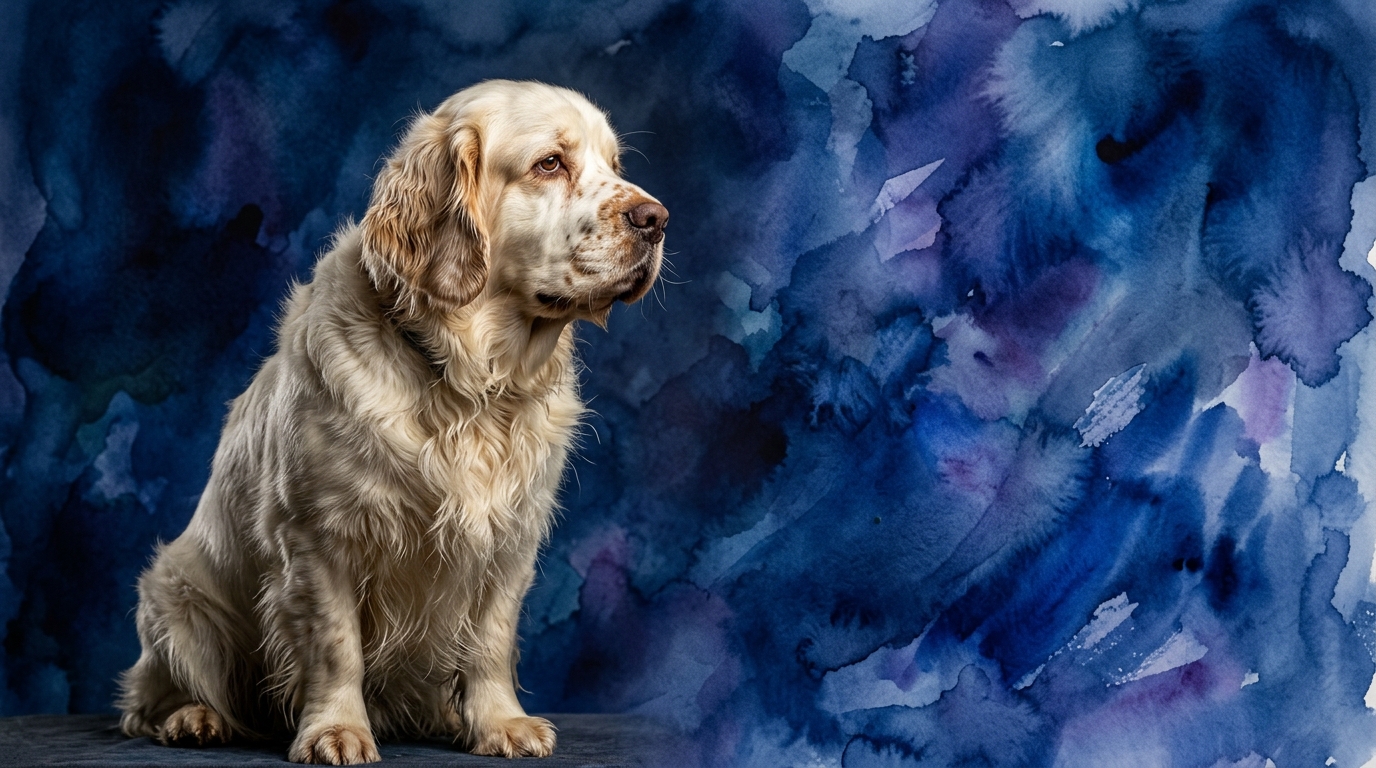
For the **Clumber Spaniel**, a Sporting Group dog ranked #55 by Coren, a 3/5 in Problem Solving reflects a methodical, deliberate approach. This breed was developed for slow, steady work in dense cover, meaning their problem-solving often centers around scent-tracking challenges or navigating brush with purpose, rather than rapid, abstract puzzle-solving. Their Training Speed at 3/5 indicates a willingness to learn and a desire to please, but often at a measured pace. They absorb commands consistently, though perhaps without the lightning-fast uptake of some more excitable breeds. Social Intelligence at 3/5 highlights their cooperative nature and strong bond with their handler, making them attuned companions in a working partnership. Their Instinctive Drive, also 3/5, is geared towards scent work, flushing, and retrieving, exhibiting a focused drive for their original gundog purpose. Finally, a Memory score of 3/5 suggests they retain learned commands, routes, and scent profiles reliably, contributing to their dependable work ethic.
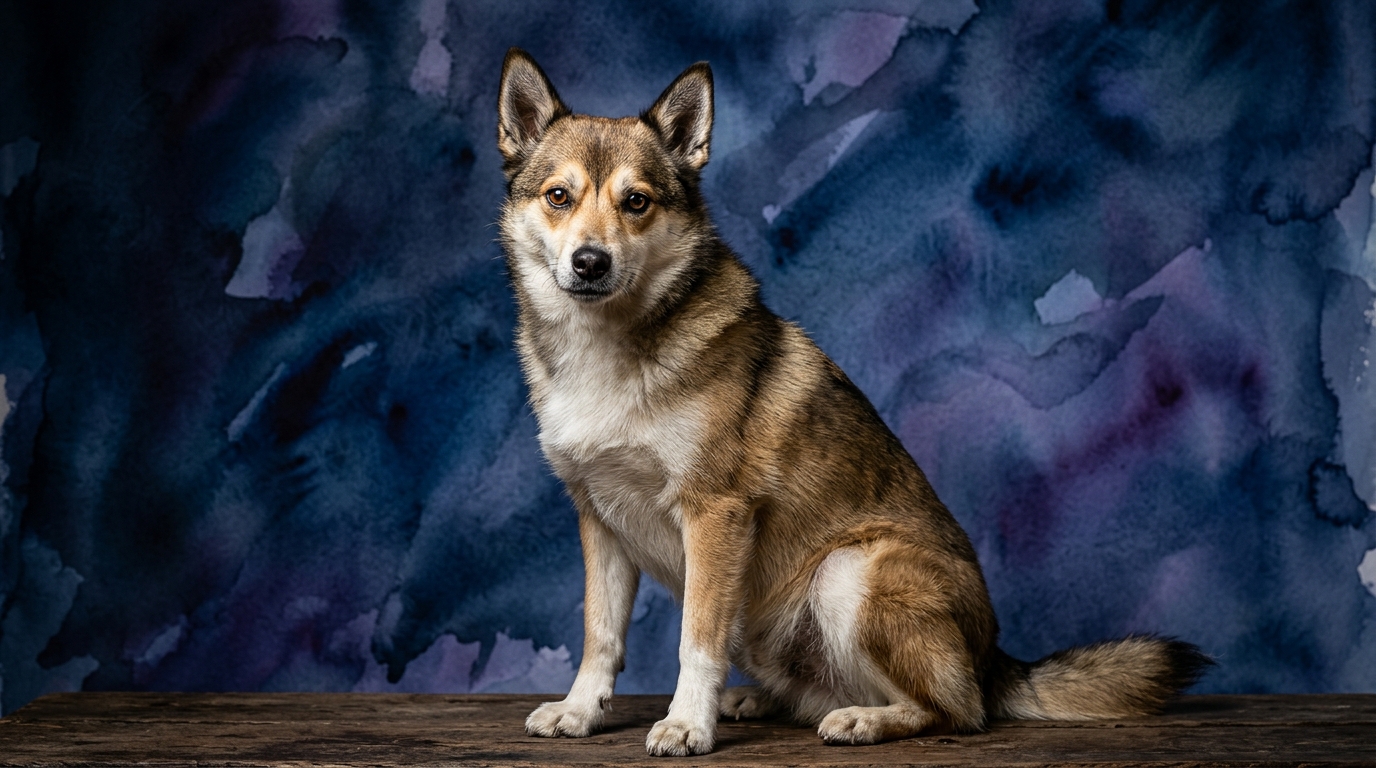
The **Norwegian Lundehund**, a Non-Sporting breed not ranked by Coren, presents an entirely different interpretation of these same scores. Its 3/5 in Problem Solving speaks to a cunning, independent ingenuity honed by centuries of hunting puffins in treacherous coastal cliffs. Their problem-solving involves navigating complex physical environments, finding hidden nests, and adapting to challenging terrain with remarkable agility. A 3/5 in Training Speed for the Lundehund often means they learn quickly when motivated, but their independent spirit can lead to selective obedience; they might understand a command perfectly but choose to execute it only if they perceive a worthwhile benefit. Their Social Intelligence at 3/5 is characterized by a deep, though sometimes reserved, loyalty to their chosen family, often displaying a nuanced understanding of pack dynamics and human emotions, yet maintaining a unique degree of self-sufficiency. The Lundehund's Instinctive Drive at 3/5 is profoundly tied to their heritage: an intense prey drive for small game, an innate desire to climb and explore, and a unique flexibility in their joints to aid in these endeavors. Their Memory, also 3/5, is excellent for recalling complex routes, specific hunting techniques, and the locations of burrows, vital for their survival in a demanding environment.
Where the Clumber Spaniel Wins Cognitively
While both breeds share identical numerical scores, the Clumber Spaniel's cognitive strengths shine in scenarios demanding collaboration, steadiness, and sustained focus on a singular, handler-directed task. Their methodical problem-solving, coupled with their cooperative social intelligence, makes them excel in activities requiring a predictable and consistent approach. For instance, in scent discrimination tasks or intricate field work where precision and patience are paramount, the Clumber's deliberate nature and unwavering focus on a scent trail give them a distinct advantage. They are less prone to independent deviations, preferring to work in concert with their human partner, making them superior in roles where reliable, repeated performance under direction is key.
The Clumber's consistent, though not necessarily rapid, training speed means they build a solid foundation of understanding over time. This translates to a cognitive win in environments where a calm, unflappable demeanor is valued over impulsive brilliance. Their memory for established routines and commands is robust, allowing them to perform complex sequences with minimal prompting once learned. This makes them particularly adept at structured obedience, rally, or tracking, where a steady mind and a desire to work alongside their handler are more beneficial than spontaneous, independent decision-making.
Where the Norwegian Lundehund Wins Cognitively
The Norwegian Lundehund's cognitive strengths are most apparent in situations demanding independent thought, physical adaptability, and creative problem-solving in dynamic, challenging environments. Their unique evolutionary history hunting puffins on jagged cliffs has endowed them with an intelligence geared towards autonomous navigation and ingenious solutions. A Lundehund excels at tasks requiring them to figure out novel ways to access or manipulate objects, especially those involving climbing, squeezing into tight spaces, or utilizing their remarkable joint flexibility. Their 3/5 problem-solving manifests as a highly adaptable and inquisitive mind, always seeking new ways to interact with their surroundings.
Their instinctual drive for exploration and their independent social intelligence mean they thrive when given the freedom to make choices and explore. This translates to a cognitive win in activities like agility, parkour, or complex puzzle toys where their unique physical attributes and inherent curiosity can be fully engaged. They possess an impressive memory for intricate paths and spatial relationships, allowing them to master complex obstacle courses or recall the location of hidden treats with remarkable precision. The Lundehund's intelligence is not about following, but about discovering and conquering on its own terms.
Training Dynamics: Clumber Spaniel vs. Norwegian Lundehund
Despite both breeds scoring a 3/5 in Training Speed, their approaches to learning are quite different, influencing how owners experience their trainability. The Clumber Spaniel, with its cooperative nature and desire to please, tends to be easier to train in a traditional sense. They are generally responsive to positive reinforcement and eager to engage in structured training sessions. While they may not learn a new command in a single session, their progress is steady and reliable. Their methodical pace means they absorb information thoroughly, and their strong bond with their handler encourages consistent effort. They are less likely to offer resistance or become distracted by independent pursuits during training, making them a more predictable student.
The Norwegian Lundehund, however, presents a distinct training challenge due to its inherent independence and strong will. While capable of learning quickly, their 3/5 training speed is often tempered by a selective obedience; they are more likely to comply if they perceive the task as beneficial or interesting to them. Training a Lundehund requires creativity, patience, and a deep understanding of their motivations. They can become bored with repetitive drills and may 'tune out' if not mentally stimulated. Owners often find success using varied rewards, short sessions, and incorporating problem-solving games into their training. Their tendency to explore and follow their own instincts means recall can be particularly challenging, requiring consistent, high-value reinforcement to compete with environmental distractions. Furthermore, their unique physical capabilities can lead them to find novel, sometimes mischievous, ways to overcome boundaries or access forbidden items, requiring owners to be constantly one step ahead.
Matching Breeds to Lifestyles: Active vs. Relaxed Owners
The choice between a Clumber Spaniel and a Norwegian Lundehund hinges significantly on an owner's lifestyle and expectations for canine companionship. The Clumber Spaniel is an excellent fit for owners who appreciate a calm, steady presence and enjoy consistent, moderate activity. While they require regular exercise to maintain their health and prevent boredom, this typically translates to leisurely walks, scent games in the yard, or focused field work. They are generally content to relax indoors with their family, making them suitable for owners who prefer a more relaxed home environment and a dog that is a comfortable, predictable companion. Their cooperative nature means they blend well into a structured routine and are less likely to demand constant, varied stimulation.
Conversely, the Norwegian Lundehund is best suited for active owners who can provide ample mental and physical stimulation, embracing a dog with a robust, independent spirit. These are not 'couch potato' dogs; their historical role demands a mind and body that are constantly engaged. Owners must be prepared for varied activities that challenge their agility, problem-solving skills, and innate desire to explore. This could include dog sports, hiking, complex puzzle toys, or simply providing a secure, stimulating environment where they can investigate and 'hunt.' They thrive with owners who understand and appreciate their unique blend of independence and loyalty, and who are willing to adapt their training and activities to accommodate a clever, curious, and sometimes headstrong companion.
The Verdict: When to Choose Each Breed
The Verdict
Choose the Clumber Spaniel if you seek a steady, cooperative companion for consistent, lower-impact activities and value a predictable temperament that thrives on partnership and routine. They are ideal for owners who enjoy deliberate training and a calm, affectionate presence in the home.
Opt for the Norwegian Lundehund if you are an active, creative owner who appreciates an independent, agile, and curious companion, ready to engage in varied, challenging activities. They suit those prepared for a dog with unique physical traits and a strong-willed personality that demands mental engagement.
🧠 Find Your Pet's IQ Score
Our Pet IQ Lab assessment covers 25+ tests across 5 cognitive dimensions — personalized to your breed.
Take the Full IQ Test →Frequently Asked Questions
Do Clumber Spaniels require a lot of exercise?
Clumber Spaniels require regular, moderate exercise to stay healthy and happy, but they are not typically high-energy dogs. Daily walks, some off-leash play, and scent work are usually sufficient to meet their needs, making them suitable for owners who enjoy consistent but not overly strenuous activity.
What makes the Norwegian Lundehund's intelligence unique?
The Lundehund's intelligence is unique due to its problem-solving abilities tailored for navigating complex physical environments and independent hunting. Their cognitive strengths lie in adaptability, curiosity, and creative solutions to spatial challenges, rather than strict obedience to commands, reflecting their heritage as puffin hunters.
Are both breeds good with families?
Both breeds can be good family dogs, but with different nuances. Clumber Spaniels are generally calm, gentle, and affectionate, making them excellent, patient companions for families. Norwegian Lundehunds are loyal to their families but can be more reserved with strangers and require socialization, and their independent nature means they may not always be 'velcro' dogs, preferring to engage on their own terms.