Side-by-Side IQ Profile: A Tale of Two Breeds
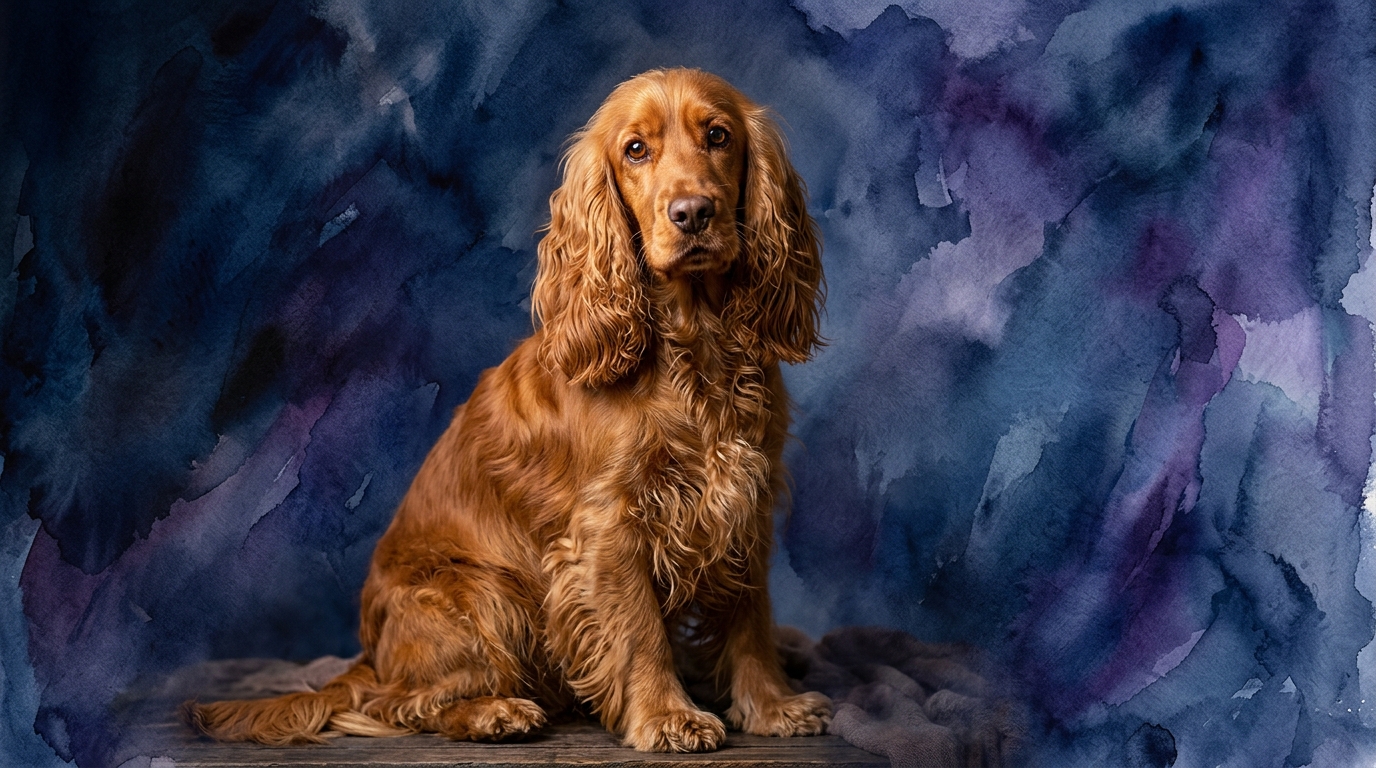
The Cosmic Pet Pet IQ Lab employs a multi-faceted approach to intelligence, moving beyond simple obedience to encompass problem-solving, training speed, social intelligence, instinctive drive, and memory. For the Cocker Spaniel, a Sporting Group member with a Coren rank of #20, their profile paints a picture of a companionable and responsive dog. Their Problem Solving is rated 3/5, indicating competence in navigating everyday challenges without excessive complexity. Training Speed shines at 4/5, suggesting a quick grasp of commands and routines, while their Social Intelligence is a perfect 5/5, reflecting a profound attunement to human emotions and social cues. Instinctive Drive, at 4/5, points to a strong, yet manageable, urge to perform their historical flushing and retrieving tasks, and Memory stands strong at 4/5, enabling them to retain learned behaviors and social interactions effectively.
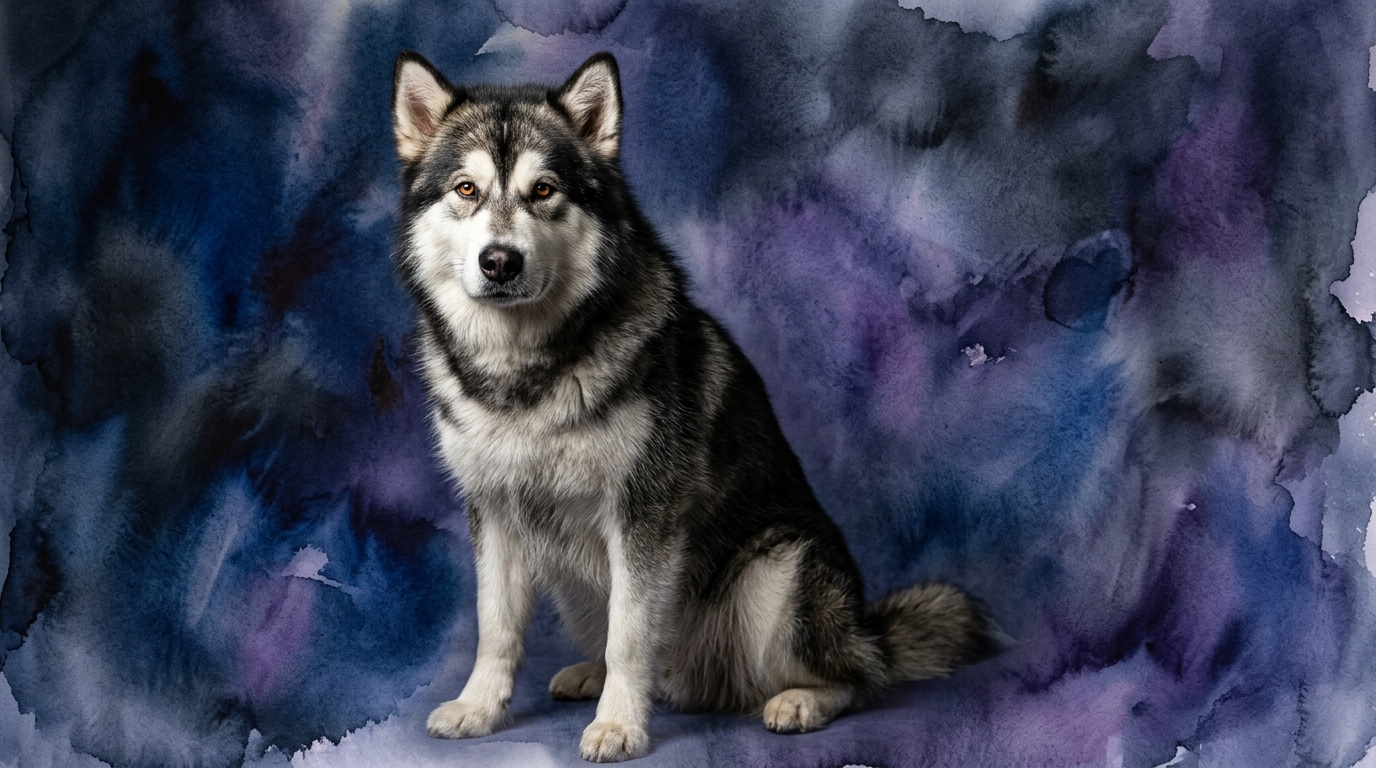
In stark contrast, the Alaskan Malamute, a powerful Working Group breed ranked #50 by Coren, presents a different cognitive blueprint, forged in the harsh demands of arctic survival and sled pulling. Their Problem Solving capability is a robust 4/5, showcasing an ability to independently navigate complex situations and find solutions in challenging environments. However, their Training Speed is a more moderate 2/5, indicating a need for consistent, patient, and engaging training methods to overcome their independent streak. Social Intelligence is rated 3/5, suggesting they form strong bonds but may not exhibit the same eagerness to please or emotional transparency as a Spaniel. Their Instinctive Drive is an impressive 5/5, reflecting an overwhelming urge for physical work and endurance, typical of a sled dog, and their Memory, like the Cocker, is a solid 4/5, allowing them to recall routes and tasks over time.
Where the Cocker Spaniel Excels Cognitively
The Cocker Spaniel's cognitive strengths are deeply rooted in their history as close hunting companions and family pets. Their unparalleled Social Intelligence (5/5) means they are exceptionally adept at reading and responding to human moods and intentions. This isn't just about being friendly; it's about a sophisticated understanding of social dynamics, making them highly empathetic and intuitive partners in interaction. They readily understand subtle vocal tones, body language, and even anticipate desires, fostering a deep emotional connection that few breeds can match. This social acumen also contributes significantly to their superior Training Speed (4/5), as their desire to cooperate and please their human handler makes them highly receptive to instruction. They process new commands quickly, eager to engage in activities that strengthen their bond with people, often finding intrinsic reward in shared tasks and positive reinforcement. This makes them particularly responsive to intricate obedience routines or agility training where precision and attention to the handler are paramount.
Where the Alaskan Malamute Shows Unique Cognitive Strengths
The Alaskan Malamute's cognitive prowess is a testament to their heritage as powerful, self-reliant sled dogs traversing vast, unforgiving landscapes. Their Problem Solving (4/5) is a standout trait, reflecting an ingrained capacity for independent thought and strategic action, crucial for a dog expected to make decisions on the trail without constant human direction. This isn't about solving puzzles for treats, but about navigating complex environmental challenges, finding the best path through snow, or even figuring out how to achieve a desired outcome through persistence and ingenuity. Coupled with an extraordinary Instinctive Drive (5/5), Malamutes possess an unyielding determination to push forward and complete tasks, even when faced with fatigue or obstacles. This drive manifests as immense stamina and a profound work ethic, making them highly effective in roles requiring sustained effort and resilience. While their social intelligence might be lower than a Spaniel's, their problem-solving and drive allow them to tackle complex physical tasks with an impressive level of independence and focus.
Training Dynamics: Responsiveness vs. Independence
When it comes to training, the behavioral differences between these two breeds are pronounced. The Cocker Spaniel, with its high Social Intelligence (5/5) and Training Speed (4/5), generally proves to be a more straightforward and rewarding student for many owners. Their eagerness to please, coupled with their attentiveness to human cues, means they often pick up new commands rapidly and are motivated by praise and positive interaction. They typically thrive on consistency and clear communication, viewing training as a collaborative activity that strengthens their bond with their human. Their inherent desire for companionship means they are often highly motivated to comply, making them excellent candidates for advanced obedience, rally, or even therapy work where responsiveness is key.
Conversely, the Alaskan Malamute's training journey requires a different approach. Their lower Training Speed (2/5) and Social Intelligence (3/5), combined with their formidable Instinctive Drive (5/5) and strong problem-solving abilities, mean they approach training with a more independent mindset. A Malamute might understand what you want but will often weigh whether it aligns with their own interests or priorities. They are not inherently disobedient, but rather self-sufficient, accustomed to making their own decisions in a working context. Training a Malamute demands immense patience, unwavering consistency, and a deep understanding of their innate drives. Owners must establish themselves as clear, fair leaders, using positive reinforcement to make training highly engaging and demonstrate its value to the Malamute. They may not be as quick to comply, but once motivated, their memory (4/5) ensures they retain what they've learned, especially if it's tied to a meaningful activity like pulling or exploring.
Lifestyle Match: Active Adventures vs. Harmonious Companionship
Choosing between these breeds also hinges significantly on an owner's lifestyle and expectations for daily activity. The Cocker Spaniel is an adaptable breed that thrives in a home environment where they receive consistent attention and moderate physical activity. While they certainly enjoy walks, playtime, and mental stimulation, their energy requirements are generally manageable for owners who enjoy regular, but not extreme, outdoor excursions. They are perfectly content with a good romp in the park followed by cuddles on the couch, making them suitable for individuals or families who desire an engaged companion for shared daily routines and emotional connection. Their social nature means they genuinely flourish when integrated into family life, offering affectionate and responsive companionship.
The Alaskan Malamute, however, is a breed that demands a profoundly active and committed owner. Their immense Instinctive Drive (5/5) and powerful physical build necessitate significant daily exercise and purposeful activity that taps into their working heritage. This isn't just about walks; it's about engaging in activities like sledding, skijoring, carting, or extensive hiking that allow them to expend their energy and fulfill their innate need for work. An owner who prefers a more relaxed, sedentary lifestyle will find a Malamute's needs overwhelming, potentially leading to destructive behaviors or frustration from the dog. They thrive with experienced owners who understand the commitment required for a powerful, independent working breed and are prepared to provide consistent physical and mental challenges, often preferring to be active outdoors regardless of weather.
The Verdict
Choose the Cocker Spaniel if you seek a highly social, emotionally attuned, and responsive companion eager for training and shared family life, thriving on moderate activity and close interaction.
Opt for the Alaskan Malamute if you are an experienced, active owner prepared for a powerful, independent, and resilient working dog, demanding extensive exercise and a consistent, patient training approach.
🧠 Find Your Pet's IQ Score
Our Pet IQ Lab assessment covers 25+ tests across 5 cognitive dimensions — personalized to your breed.
Take the Full IQ Test →Frequently Asked Questions
Which breed is better for first-time dog owners?
The Cocker Spaniel is generally a more suitable choice for first-time dog owners due to their higher social intelligence and eagerness to please, making them more forgiving and easier to train. The Malamute's independence and high exercise needs can be challenging for novices.
Do Alaskan Malamutes require more mental stimulation than Cocker Spaniels?
Alaskan Malamutes require significant mental stimulation, often in the form of challenging physical work or problem-solving tasks that tap into their independent nature. Cocker Spaniels also need mental engagement, but their stimulation often revolves around interactive games and learning new commands with their human companions.
Which breed adapts better to apartment living?
The Cocker Spaniel generally adapts better to apartment living, provided they receive regular walks and attention, as their moderate size and lower, though still present, exercise requirements are more manageable. The Alaskan Malamute's large size, powerful build, and intense need for extensive outdoor activity make them less suited for confined spaces.