Side-by-Side IQ Profile: Cocker Spaniel vs. Great Pyrenees
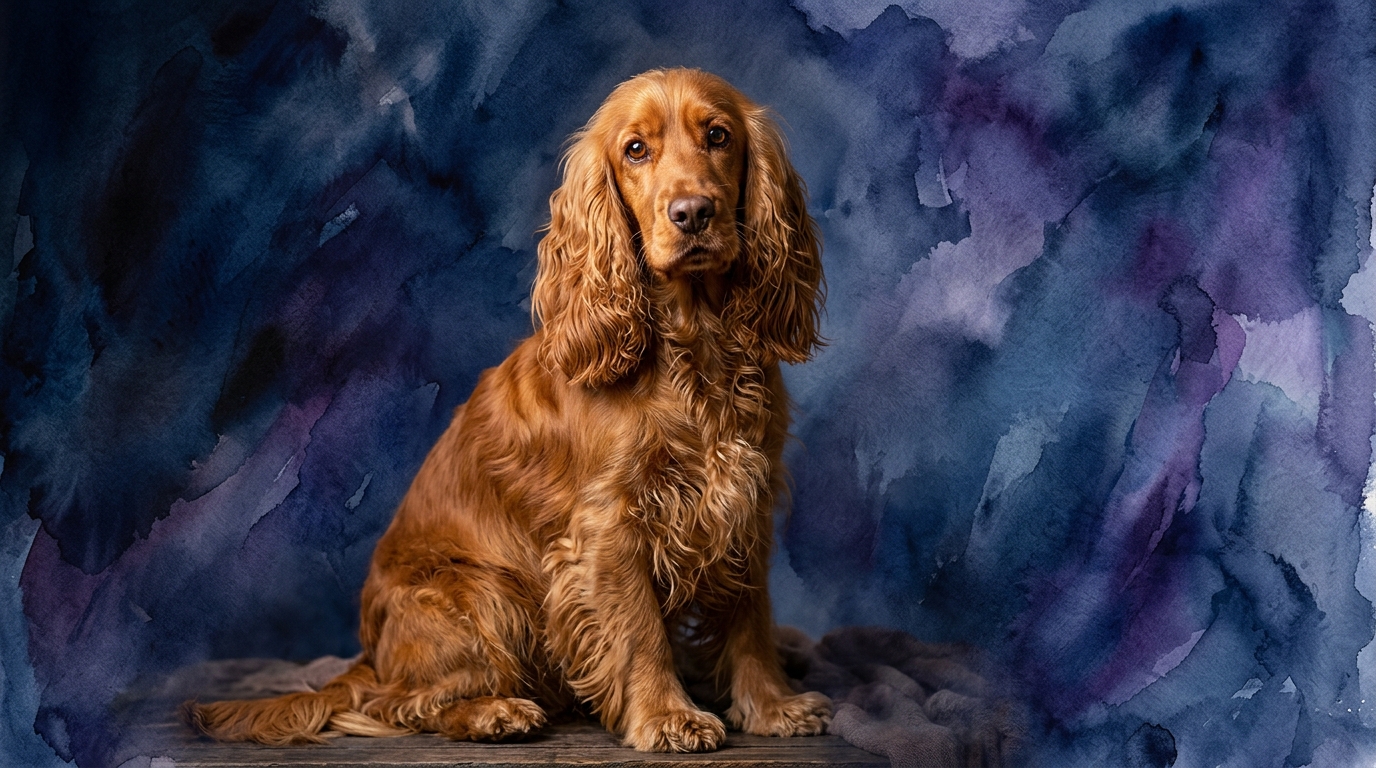
The Cocker Spaniel, with a Coren rank of #20, presents a cognitive profile built for cooperative engagement. Its Problem Solving is rated 3/5, indicating an ability to navigate moderate challenges, often seeking handler guidance. A 4/5 Training Speed means they absorb commands rapidly, making them highly receptive to instruction. Their perfect 5/5 Social Intelligence highlights an exceptional capacity to read and respond to human emotions and intentions, fostering deep bonds. A 4/5 Instinctive Drive reflects their heritage of actively working alongside people, such as flushing game, and their 4/5 Memory ensures consistent recall of learned behaviors and social cues.
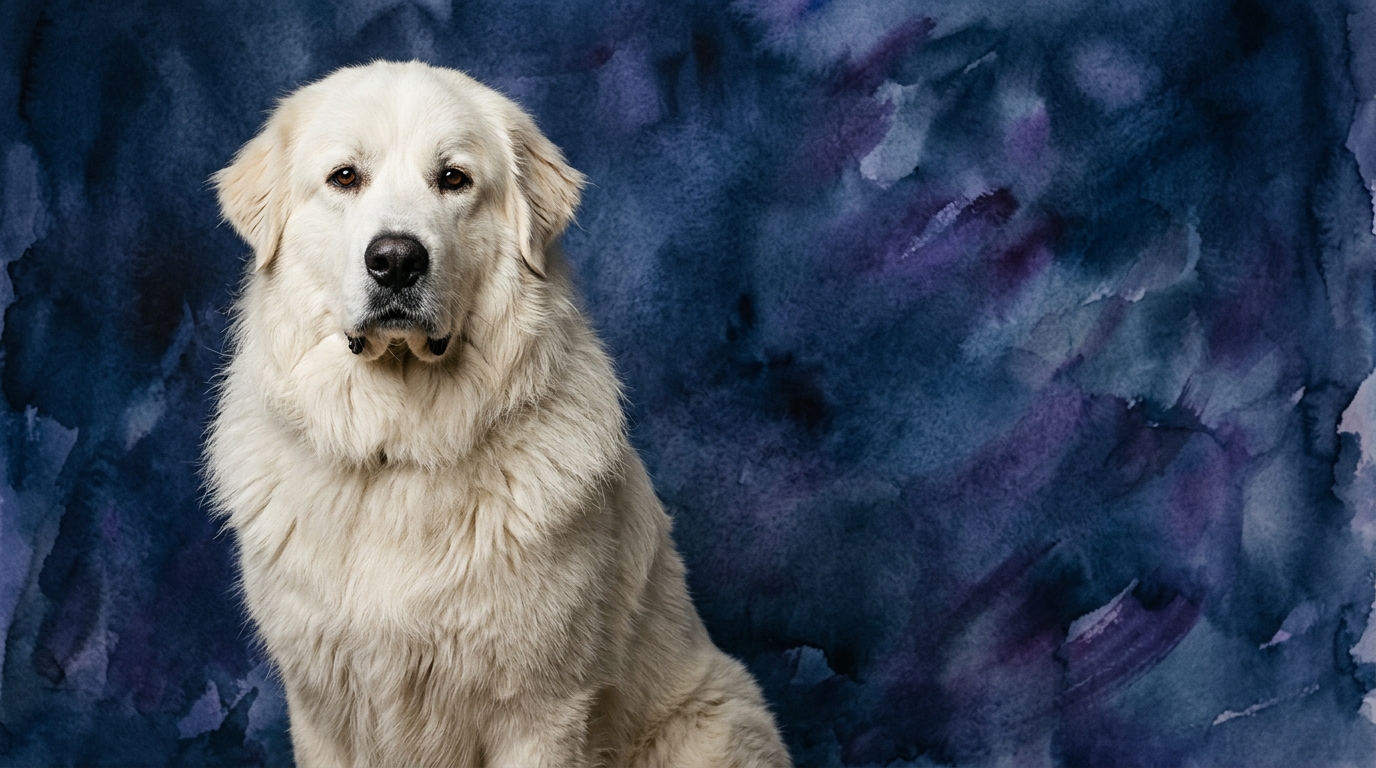
In contrast, the Great Pyrenees, ranked #64 by Coren, demonstrates a profile geared towards independent decision-making. Its 3/5 Problem Solving manifests as autonomous assessment of environmental situations and threats, crucial for its guardian role. A 3/5 Training Speed suggests a moderate learning pace, often requiring patience due to their self-reliant nature. Their 3/5 Social Intelligence means they form bonds but are not as overtly people-focused, preferring a more independent approach. The 3/5 Instinctive Drive is centered on vigilance and protection of territory or flock, rather than cooperative tasks, and their 3/5 Memory allows them to retain important information about their domain and perceived dangers.
Where the Cocker Spaniel Excels Cognitively
The Cocker Spaniel distinctly excels in areas requiring close human cooperation and rapid learning. Their 4/5 Training Speed means they process and execute new commands with impressive alacrity, often eager to please and quick to form associations between actions and rewards. This makes them highly responsive in obedience settings and adept at learning complex sequences for dog sports or household manners, often requiring fewer repetitions than many other breeds.
Furthermore, their standout 5/5 Social Intelligence allows them to interpret human moods, gestures, and vocal tones with remarkable accuracy. A Cocker Spaniel can often anticipate a handler's next move or sense a shift in family dynamics, making them exceptionally empathetic companions. This deep social understanding, combined with their 4/5 Memory, means they reliably recall who is family, who is a stranger, and which behaviors are appropriate in various social contexts, making them highly adaptable to diverse social settings.
Where the Great Pyrenees Excels Cognitively
While the Great Pyrenees may not score as highly in handler-centric cognitive dimensions, its strengths lie in an entirely different domain: independent reasoning and vigilance. Its 3/5 Problem Solving, though numerically identical to the Cocker's, manifests as a profound ability to assess environmental situations autonomously. A Great Pyrenees guarding livestock, for example, must independently evaluate potential threats, decide on appropriate responses, and patrol its territory without constant human directives. This type of problem-solving is about self-sufficiency and strategic thinking in a complex, dynamic outdoor environment.
Their 3/5 Instinctive Drive is singularly focused on protection and territorial awareness. This isn't a drive to fetch a ball, but an internal imperative to survey, to stand guard, and to make independent judgments about safety. This deep-seated instinct, coupled with their memory for territory boundaries and routines, allows them to operate effectively as solitary guardians, making decisions that could literally save a flock without constant human intervention. This independent spirit, while challenging for conventional training, is a cognitive triumph in its own right for its intended purpose.
Which Is Easier to Train and Why
The Cocker Spaniel is generally much easier to train for traditional obedience and cooperative tasks due to several factors. Their 4/5 Training Speed means they absorb new commands quickly, often requiring fewer repetitions than the Great Pyrenees. This is further amplified by their 5/5 Social Intelligence and 4/5 Instinctive Drive, which translates into a strong desire to engage with and please their human companions. They thrive on positive reinforcement and handler interaction, viewing training as a collaborative activity where their responsiveness is key.
In contrast, the Great Pyrenees, with its 3/5 Training Speed and 3/5 Social Intelligence, approaches training from a more independent perspective. Their historical role required them to make decisions without human oversight, fostering a self-reliant mindset. While they are capable of learning, they may not see the inherent "point" in performing arbitrary commands repeatedly, especially if it deviates from their guarding instincts. Training a Great Pyrenees often requires immense patience, understanding of their independent nature, and a focus on building a strong, trusting relationship rather than expecting immediate, eager compliance.
Which Suits Active Owners vs. Relaxed Owners
The Cocker Spaniel is an excellent match for active owners who enjoy engaging with their dog in various activities. Their 4/5 Instinctive Drive and moderate energy levels mean they benefit significantly from regular walks, interactive play, and dog sports like agility or obedience. They relish the mental stimulation that comes from learning new tasks and working closely with their handler. An owner who enjoys daily training sessions, outdoor adventures, and consistent interaction will find the Cocker Spaniel a willing and enthusiastic partner, thriving on being an integral part of family activities.
The Great Pyrenees, while appearing imposing, often suits more relaxed owners, particularly those with ample outdoor space. Their 3/5 Instinctive Drive is more about patrolling and observing than high-intensity physical output. They are not typically high-energy dogs in the sense of needing constant running or retrieving. Instead, they prefer to survey their domain, performing bursts of activity as needed for protection or exploration. Owners who appreciate a calm, watchful presence and are content with leisurely strolls around a secure property will find the Great Pyrenees a suitable companion, generally less demanding of constant interaction but requiring consistent socialization to manage their guarding instincts.
The Verdict
Choose the Cocker Spaniel if you desire a responsive, emotionally attuned companion eager for collaborative activities, quick to learn commands, and thrives on being an active, central part of your daily life.
Opt for the Great Pyrenees if you value an independent, watchful presence, appreciate a dog that thinks for itself, and can provide ample space and a patient approach to training that respects their self-reliant nature.
🧠 Find Your Pet's IQ Score
Our Pet IQ Lab assessment covers 25+ tests across 5 cognitive dimensions — personalized to your breed.
Take the Full IQ Test →Frequently Asked Questions
Do Cocker Spaniels and Great Pyrenees learn at the same pace?
No, their training speeds differ. Cocker Spaniels have a 4/5 Training Speed, meaning they generally pick up new commands and routines quite quickly due to their eagerness to please and social intelligence. Great Pyrenees, with a 3/5 Training Speed, learn at a more moderate pace, often requiring more patience and consistency due to their independent thinking and self-reliant nature.
Which breed is better at understanding human emotions?
The Cocker Spaniel excels in understanding human emotions, boasting a 5/5 Social Intelligence score. They are highly attuned to their handlers' moods and intentions, often anticipating needs and reacting empathetically. The Great Pyrenees has a 3/5 Social Intelligence, indicating they form bonds but are not as overtly focused on reading human emotional nuances, preferring a more self-reliant approach.
Can a Great Pyrenees be trained for complex tasks like a Cocker Spaniel?
While both breeds can learn, their aptitude for "complex tasks" differs based on their cognitive strengths. A Cocker Spaniel's higher Training Speed and Social Intelligence make them more suited for handler-directed complex tasks like competitive obedience or agility courses. A Great Pyrenees' problem-solving is more geared towards independent decision-making in guardian roles, and while they can learn, their motivation for complex, handler-centric tasks may be lower.