Side-by-Side IQ Profile
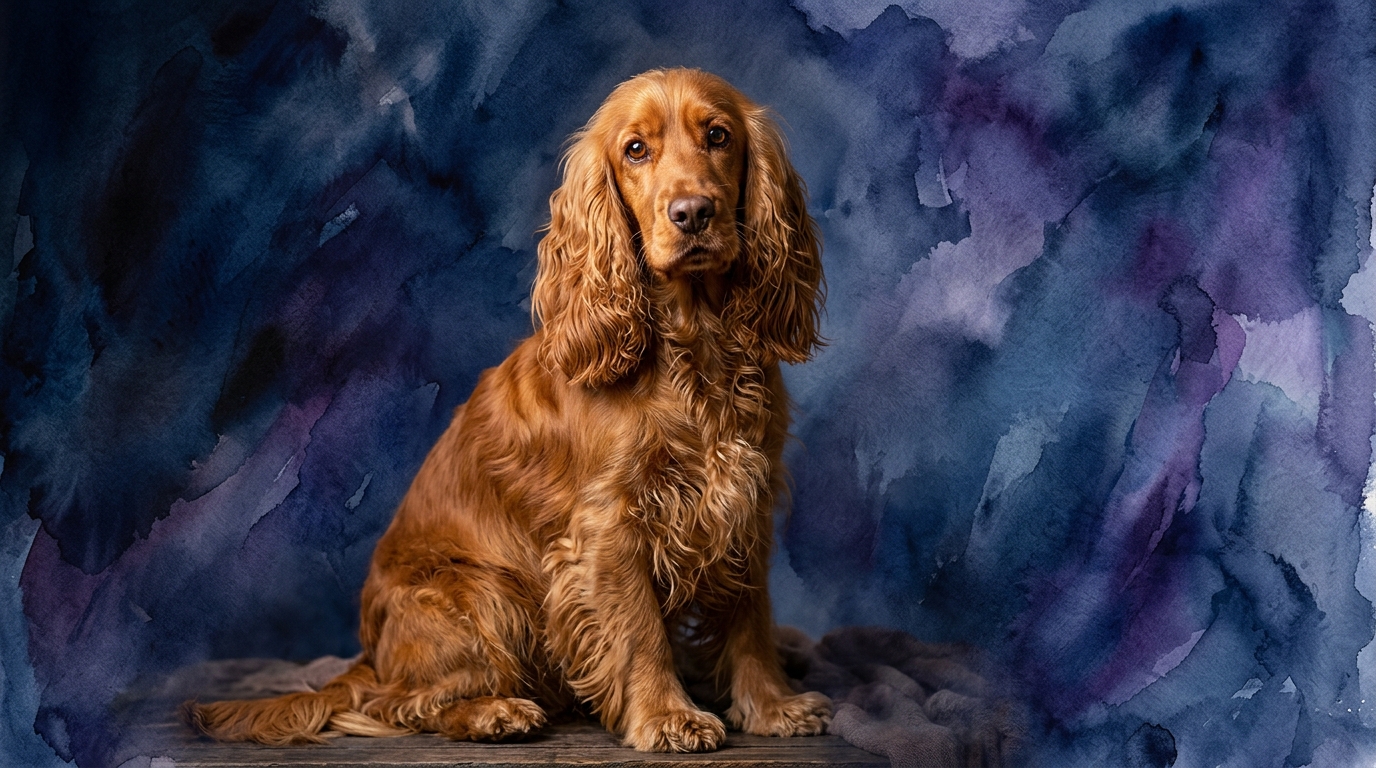
The Cocker Spaniel, a Sporting Group member, registers a Coren rank of #20, indicating a strong capacity for obedience and working intelligence. Their problem-solving score of 3/5 suggests a moderate ability to navigate novel situations and figure out solutions independently. With a training speed of 4/5, they pick up new commands and routines relatively quickly, often eager to cooperate. Their social intelligence truly stands out at 5/5, reflecting an exceptional ability to read human cues, understand social dynamics, and form strong bonds. An instinctive drive of 4/5 points to their inherent desire to work and retrieve, while their memory of 4/5 helps them retain learned behaviors and social interactions effectively.
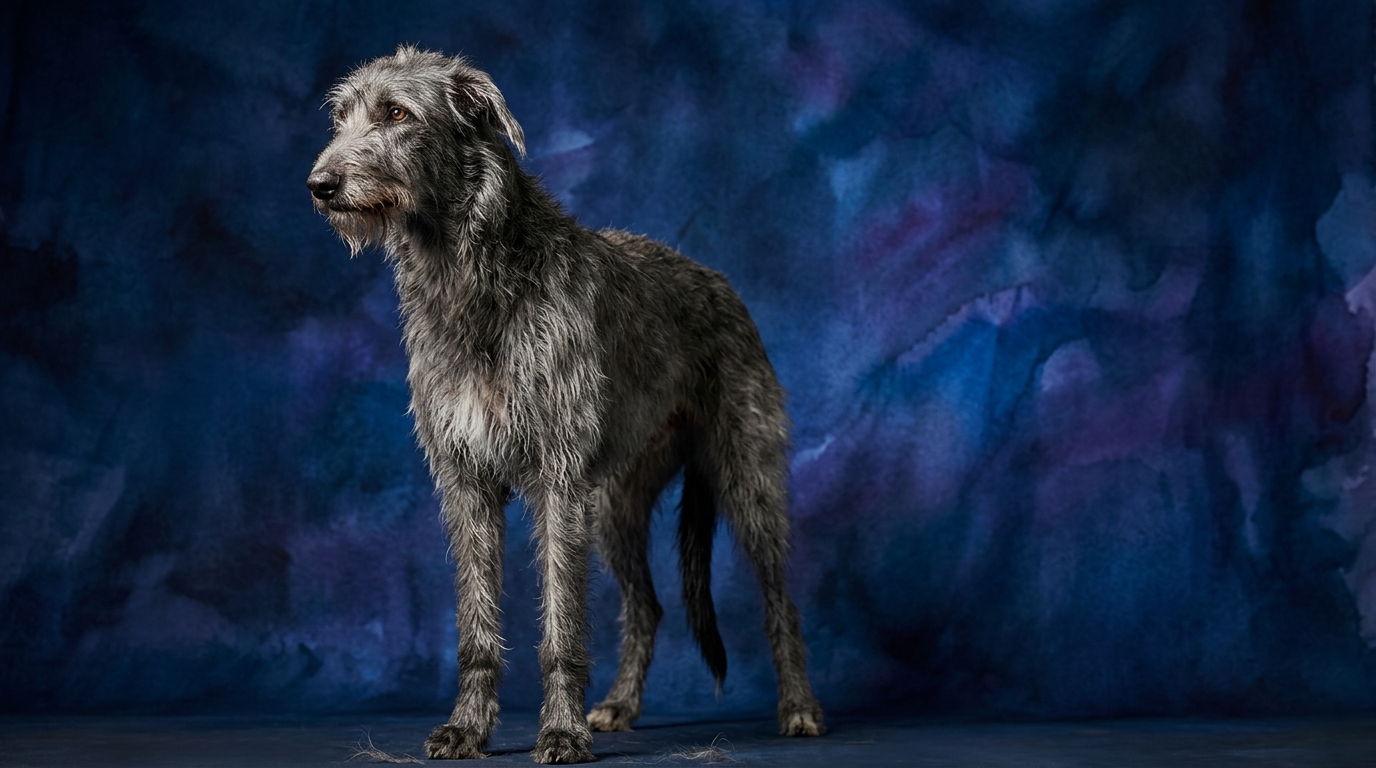
In contrast, the Scottish Deerhound, a majestic Hound Group representative, lacks a specific Coren ranking, indicating their cognitive profile is less aligned with traditional obedience metrics. Their problem-solving ability is rated 3/5, similar to the Cocker, but likely manifests differently, leaning towards independent strategic thinking in pursuit. A training speed of 3/5 means they require more patience and varied methods to learn new tasks, often displaying a thoughtful, deliberate approach. Their social intelligence at 3/5 suggests they are affectionate but generally more reserved than the effusive Cocker, forming deep bonds with their inner circle rather than seeking broad social engagement. An instinctive drive of 3/5 reflects their powerful, inherent urge to chase, a core component of their sighthound heritage. Finally, their memory score of 3/5 indicates a solid but not outstanding recall of experiences and commands, often influenced by their independent nature.
Where Cocker Spaniel Wins Cognitively
The Cocker Spaniel clearly excels in several cognitive domains, primarily driven by their strong social intelligence and eager disposition. Their 5/5 social intelligence means they are exceptionally attuned to human emotions and intentions, making them superb companions who often anticipate their owner's needs. This aptitude for social cues translates into a greater ease in cooperative tasks, where understanding human communication is paramount. Furthermore, their 4/5 training speed surpasses the Deerhound, indicating a quicker grasp of new commands and routines. This rapid learning is often fueled by their desire to please and their focus on their handler, making them highly responsive to positive reinforcement. The Cocker's 4/5 memory ensures that once a lesson is learned, it is typically retained well, building a solid foundation for complex training sequences. Their higher instinctive drive (4/5) also means they are more consistently motivated to engage in structured activities and retrieve, channeling their energy into productive, handler-directed tasks. These combined strengths make the Cocker Spaniel a highly adaptable and cooperative cognitive partner, thriving in environments that value close collaboration and responsive interaction.
Where Scottish Deerhound Wins Cognitively
While the Scottish Deerhound's scores may appear lower in several categories compared to the Cocker Spaniel, their cognitive profile represents a distinct set of strengths, particularly in areas demanding independent thought and sustained focus. Their problem-solving score of 3/5, while numerically equal to the Cocker, likely reflects a different kind of cognitive application. For a sighthound, problem-solving often involves autonomously assessing vast open spaces, tracking elusive prey by sight, and making rapid, strategic decisions during a chase without human intervention. This requires a unique blend of spatial awareness, quick judgment, and sustained focus on a distant objective. Their moderate social intelligence (3/5) can be interpreted not as a deficit, but as a cognitive preference for self-reliance; they are less dependent on constant human validation to perform tasks, allowing for independent decision-making. Their instinctive drive (3/5), though lower than the Cocker's, is intensely focused on their breed-specific purpose – the thrill of the chase – requiring immense mental stamina and an ability to ignore distractions to pursue a goal. This form of cognitive persistence, even if not directed by a handler, is a profound mental strength. The Deerhound's calm demeanor and thoughtful processing also contribute to a cognitive style that is less impulsive and more considered, which can be an asset in situations requiring patience and quiet observation.
Which is Easier to Train and Why
Without a doubt, the Cocker Spaniel is generally easier to train for typical companion dog behaviors, a direct reflection of their higher scores in training speed, social intelligence, and memory. A Cocker's 4/5 training speed means they absorb new commands like "sit," "stay," and "come" with remarkable efficiency. Their exceptional social intelligence (5/5) means they are keenly tuned into their handler's body language and vocal tone, making communication during training more fluid and less prone to misunderstanding. This breed genuinely thrives on interaction and pleasing their human companions, providing an intrinsic motivation that accelerates the learning process. Their 4/5 memory ensures that once a command is learned, it sticks, allowing for consistent performance and the ability to build upon previous lessons.
The Scottish Deerhound, with a training speed of 3/5, requires a more patient and nuanced approach. While capable of learning, their independent nature and lower social intelligence (3/5) mean they may not always perceive an immediate "reason" to comply if it doesn't align with their own motivations. Their 3/5 memory, while solid, may necessitate more frequent repetitions to solidify commands. Training a Deerhound often involves understanding their sighthound instincts – their strong drive to chase can easily override other commands if not managed carefully. They respond best to positive reinforcement, short, engaging sessions, and a consistent, calm handler who respects their thoughtful, sometimes deliberate, nature. While they can be trained to a high degree, it requires a different methodology and a deeper understanding of their independent cognitive style compared to the eager-to-please Cocker.
Which Suits Active Owners vs Relaxed Owners
The choice between these breeds often comes down to an owner's lifestyle and their preferred level of engagement. The Cocker Spaniel, with its energetic demeanor and strong desire for interaction, is an excellent match for active owners who enjoy incorporating their dog into daily routines and activities. Their 4/5 instinctive drive, combined with high social intelligence, means they thrive on structured play, regular walks, and even canine sports like agility or obedience trials. They are eager participants in family life, requiring consistent mental stimulation and physical exercise to prevent boredom. Owners who enjoy teaching new tricks, participating in dog sports, or simply having a highly engaged companion for outdoor adventures will find the Cocker Spaniel an ideal partner.
The Scottish Deerhound, while possessing an inherent drive for intense bursts of speed and a need for regular exercise, generally suits owners who appreciate a more relaxed and dignified presence indoors. Their lower social intelligence and training speed suggest they are not always seeking constant instruction or interaction. Outdoors, they need ample space to run and stretch their long limbs, satisfying their sighthound instincts. However, once their exercise needs are met, they are typically calm, quiet, and content to lounge indoors, often preferring a soft couch to boisterous play. This makes them suitable for owners who enjoy a serene home environment but are committed to providing dedicated periods of physical activity in a safe, enclosed space. They are companions for owners who value quiet companionship and appreciate a dog with an independent spirit, rather than one constantly seeking to be the center of attention.
The Verdict
Opt for a Cocker Spaniel if you seek a highly cooperative, socially attuned companion eager to learn and participate actively in family life and structured activities. Their quick learning and strong bond make them ideal for engaged owners who enjoy consistent training and interaction.
Select a Scottish Deerhound if you appreciate a calm, independent companion with a dignified presence indoors, provided you can satisfy their innate need for bursts of intense, free-running exercise outdoors. They suit owners who value quiet companionship and a dog that makes thoughtful, autonomous decisions.
🧠 Find Your Pet's IQ Score
Our Pet IQ Lab assessment covers 25+ tests across 5 cognitive dimensions — personalized to your breed.
Take the Full IQ Test →Frequently Asked Questions
Does the Scottish Deerhound's lower social intelligence mean they aren't affectionate?
Not at all; a 3/5 social intelligence indicates they are often more reserved with strangers but form deep, devoted bonds with their immediate family. Their affection is typically expressed through quiet companionship and loyalty rather than constant effusive displays.
Is a Cocker Spaniel's 3/5 problem-solving score a limitation for complex tasks?
A 3/5 problem-solving score means they possess moderate ability to figure out novel situations; while not always independently innovative, their high social intelligence allows them to excel at solving problems cooperatively with human guidance. They learn complex tasks well when guided by their owner.
How does the Coren rank for Cocker Spaniels relate to their IQ scores?
Coren's ranking primarily assesses "working and obedience intelligence," aligning closely with training speed and responsiveness to commands. The Cocker Spaniel's #20 rank complements its 4/5 training speed and 5/5 social intelligence, indicating strong aptitude for learning and executing human-directed tasks.