Cocker Spaniel vs. Tibetan Spaniel: A Side-by-Side IQ Profile
The Cosmic Pet Pet IQ Lab employs five key dimensions to map canine intelligence: problem-solving, training speed, social intelligence, instinctive drive, and memory. These metrics offer a nuanced view, appreciating the specific mental aptitudes shaping a breed's behavior and interaction with humans.
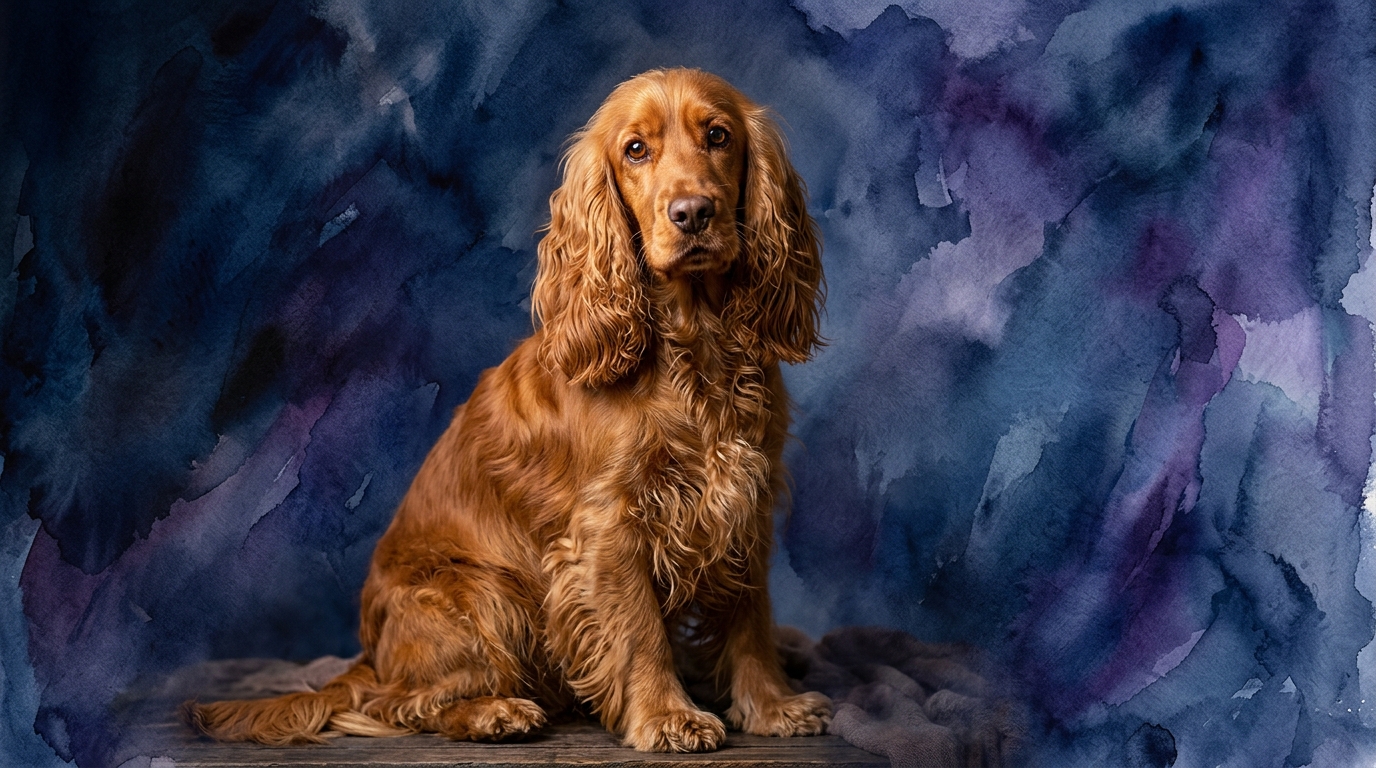
The Cocker Spaniel, from the Sporting group and Coren-ranked #20, reflects its historical role: Problem Solving 3/5, Training Speed 4/5, Social Intelligence a remarkable 5/5, Instinctive Drive 4/5, and Memory 4/5. This profile depicts a companion eager to engage, learn, and collaborate, leveraging innate abilities for partnership.
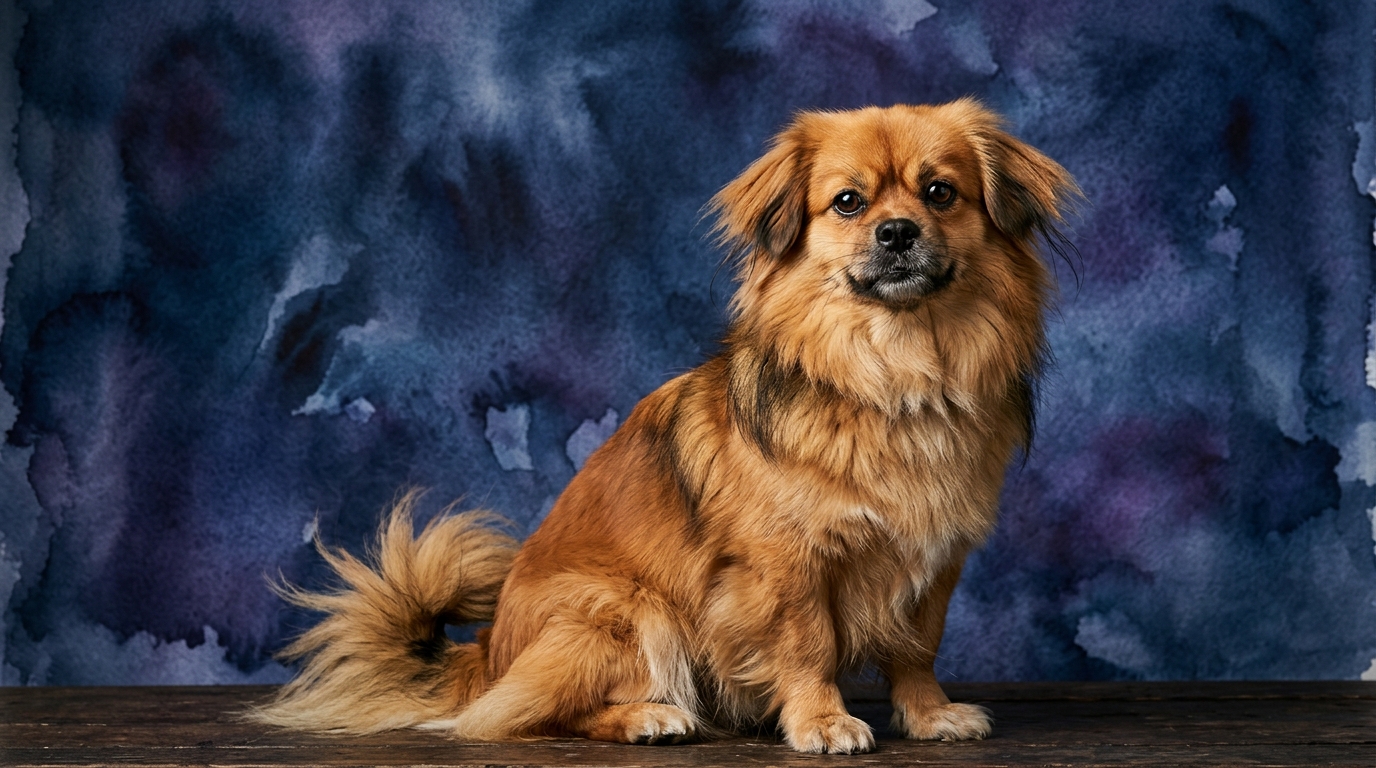
In contrast, the Tibetan Spaniel, a Non-Sporting breed not appearing on Coren's list, exhibits consistent scores: Problem Solving 3/5, Training Speed 3/5, Social Intelligence 3/5, Instinctive Drive 3/5, and Memory 3/5. This balanced, moderate scoring suggests a dog with different priorities, a more self-contained cognitive approach, historically valued for watchful companionship rather than active fieldwork.
Where the Cocker Spaniel's Cognition Shines
The Cocker Spaniel's exceptional Social Intelligence, scoring a perfect 5/5, is its foremost cognitive advantage. This isn't merely friendliness; it signifies a profound ability to interpret human cues, emotions, and intentions, fostering an unusually deep and responsive bond with their families. This high social acumen makes them adept at integrating into complex human households and understanding routines.
Complementing this are their impressive Training Speed (4/5) and solid Memory (4/5). Their eagerness to please, combined with their capacity to quickly grasp and retain commands, makes them highly responsive to instruction. For owners seeking a canine partner for obedience, agility, or trick training, the Cocker Spaniel's cognitive architecture provides a strong foundation for rapid learning and reliable performance, driven by their cooperative spirit.
The Unique Cognitive Strengths of the Tibetan Spaniel
While the Tibetan Spaniel’s consistent 3/5 scores might seem modest, they represent a distinct and valuable cognitive blueprint. Their Problem Solving (3/5) often manifests in practical, self-sufficient ways, such as ingeniously finding the coziest sunbeam or a vantage point to survey their domain, reflecting independent cleverness rather than a drive for human-assigned puzzles.
Their Instinctive Drive (3/5) focuses less on retrieving game and more on their historical role as companion watchdogs, expressed through keen observation and alert barking. The Tibetan Spaniel's Social Intelligence (3/5) suggests a discerning nature; deeply devoted to family, they may be reserved with strangers, offering a quieter, more observant companionship valuing mutual respect over constant interaction. Their Memory (3/5) suits daily routines and recognizing familiar faces.
Training Dynamics: Which Breed is More Amenable?
Formal training highlights the distinction. The Cocker Spaniel, with 4/5 in Training Speed, is generally more amenable. Their Sporting heritage means they are bred for cooperative work, possessing innate biddability and a strong desire to please, making them quick to understand and execute commands. This translates to smoother, faster progress in obedience and advanced disciplines.
The Tibetan Spaniel, scoring 3/5 in Training Speed, is capable but approaches instruction with independence. Their historical role as companions, not working partners, means they require more patience, creativity, and motivation. They are less likely to blindly follow and might need convincing of an action's 'why,' making training a process of negotiation and consistent positive reinforcement. Their problem-solving (3/5) might even be applied to getting their own way.
Matching Breed IQ to Owner Lifestyles
For active owners desiring a highly engaged canine partner, the Cocker Spaniel's cognitive profile aligns perfectly. Their excellent Social Intelligence (5/5) means they thrive on close interaction and shared activities, while their Training Speed (4/5) and Instinctive Drive (4/5) make them ideal for dog sports, extensive walks, or therapy work. They need consistent mental and physical engagement to channel their cooperative energy positively, flourishing with a "job" alongside their human.
Conversely, the Tibetan Spaniel's balanced 3/5 scores suit more relaxed owners who appreciate a quieter, discerning presence. While needing daily walks and mental stimulation, their cognitive makeup suggests contentment observing surroundings or engaging in selective, meaningful interactions rather than constant high-energy partnership. Their independent problem-solving and moderate instinctive drive mean they can entertain themselves or serve as alert watchdogs without demanding incessant human intervention.
The Verdict
The Cocker Spaniel is an excellent choice for owners seeking a highly cooperative, socially attuned companion eager for training and shared activities, particularly those involving a strong partnership.
Opt for the Tibetan Spaniel if you desire an independent yet devoted companion who brings a discerning watchfulness and a unique, less demanding approach to companionship, thriving on observation and selective interaction.
🧠 Find Your Pet's IQ Score
Our Pet IQ Lab assessment covers 25+ tests across 5 cognitive dimensions — personalized to your breed.
Take the Full IQ Test →Frequently Asked Questions
Is a lower Coren ranking indicative of lower intelligence?
No, Coren's ranking primarily assesses working intelligence related to obedience and task learning. Breeds not ranked, like the Tibetan Spaniel, often possess different cognitive strengths, such as independent problem-solving or social discernment, that aren't captured by this specific metric.
How does "Social Intelligence" differ between these two breeds?
The Cocker Spaniel's 5/5 social intelligence indicates an exceptional capacity to read and respond to human emotions and cues, fostering a deep, cooperative bond. The Tibetan Spaniel's 3/5 suggests a more discerning social nature, where bonding is strong but perhaps more selective and less overtly responsive to every human nuance, favoring observation.
Does the Tibetan Spaniel's 3/5 in problem-solving mean they struggle with daily challenges?
Not at all; a 3/5 in problem-solving indicates they are capable of navigating everyday situations and finding solutions, though perhaps not with the speed or complexity of higher-scoring breeds in novel tasks. Their problem-solving might manifest more in practical, self-serving ways, like figuring out how to get comfortable or survey their environment.