Side-by-Side IQ Profile: Sporting Grit vs. Hound Wisdom
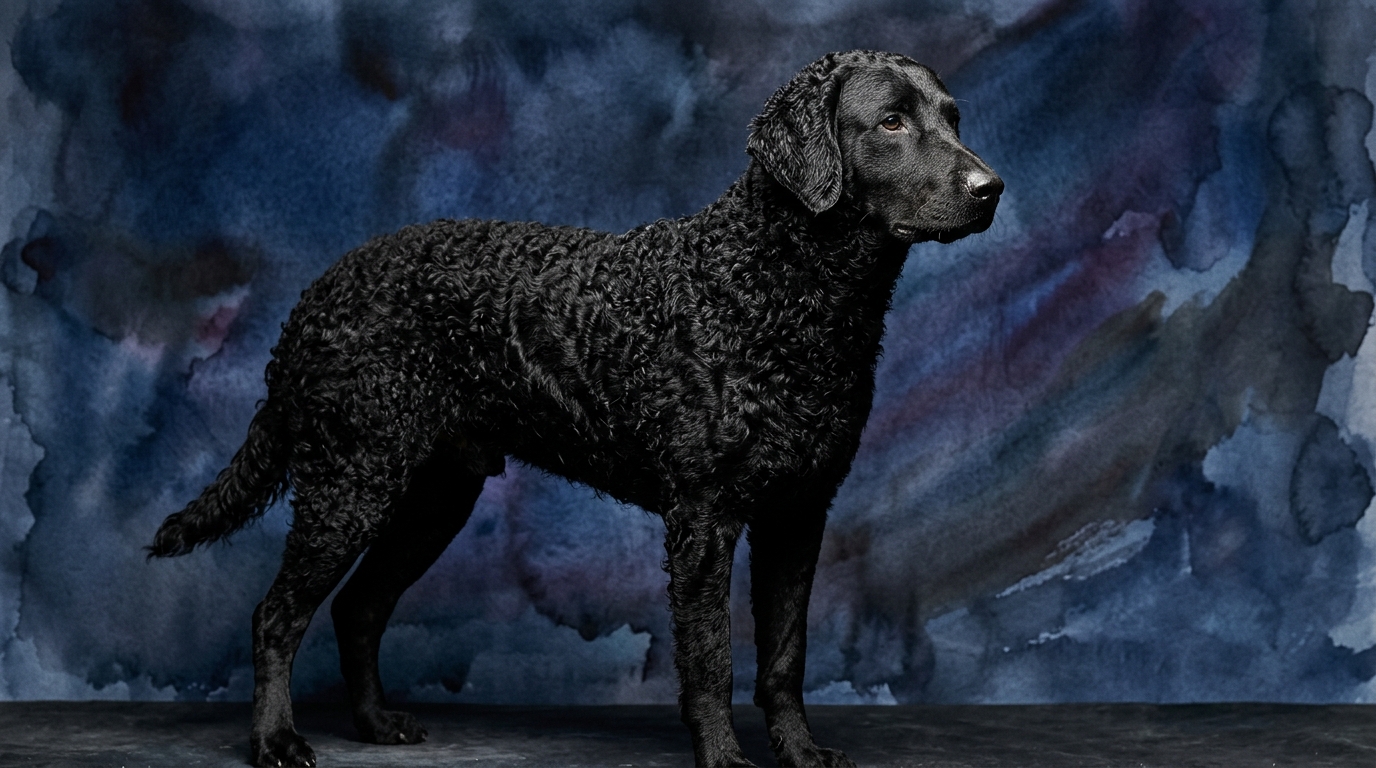
**Curly-Coated Retriever: A Sporting Mind (Coren Rank #41)**
Problem Solving (3/5): Possessing practical intelligence, they approach challenges directly, often leveraging their physical capabilities to achieve clear objectives like finding a hidden toy. Their solutions are generally task-oriented rather than abstract.
Training Speed (3/5): These retrievers learn new commands at a moderate pace. Consistent, positive reinforcement yields steady progress, making them responsive partners eager to engage in routines.
Social Intelligence (3/5): They exhibit a balanced understanding of social cues, forming strong family bonds and interacting appropriately with others. Their social interactions are straightforward, without excessive sensitivity or manipulation.
Instinctive Drive (3/5): Their retrieving drive is present and purposeful, reflecting their gundog heritage. This manifests as a keen interest in carrying objects and working alongside a handler, typically well-regulated.
Memory (4/5): Curly-Coated Retrievers excel here, demonstrating an impressive capacity to recall learned commands, complex task sequences, and object locations, making them highly reliable for multi-step instructions and long-term retention.
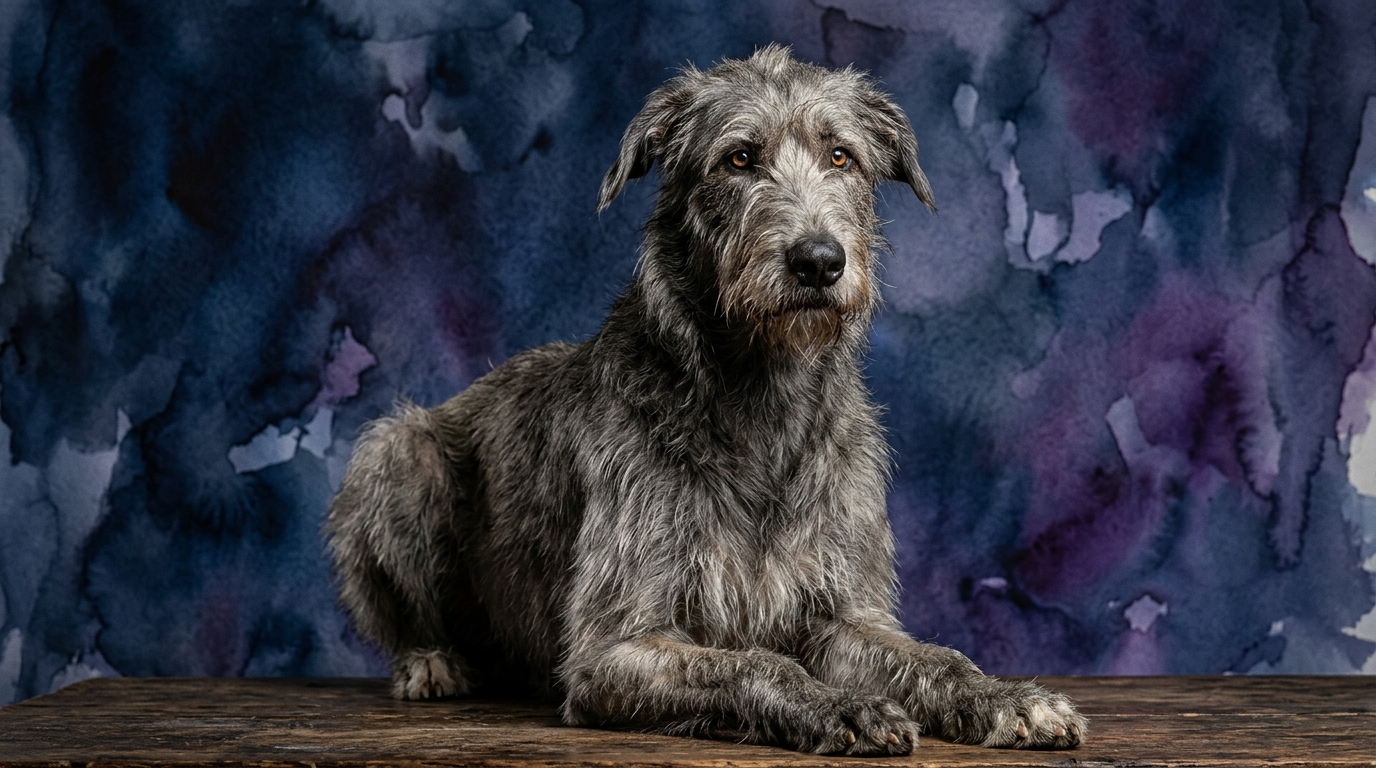
**Irish Wolfhound: A Gentle Giant's Perspective (Not Coren-Ranked)**
Problem Solving (3/5): Irish Wolfhounds display a thoughtful, independent approach. Their solutions might involve calm assessment, sometimes using their size to overcome physical barriers, often with a unique sighthound logic rather than quick reactions.
Training Speed (3/5): Learning new tasks occurs at a moderate pace. They grasp concepts but require patience and positive motivation, as their independent nature means they might ponder a command before executing.
Social Intelligence (3/5): These majestic dogs are calm and amiable, attuned to family presence and offering quiet comfort. Their social intelligence fosters deep bonds through gentle companionship rather than complex social performance.
Instinctive Drive (3/5): Rooted in sighthound heritage, their drive primarily manifests as an instinct to chase moving objects. This is present but generally tempered by their gentle demeanor, requiring awareness in open spaces.
Memory (3/5): Irish Wolfhounds possess a good, functional memory for commands and routines. They retain what they learn, though recall might not be as immediate or deeply ingrained, sometimes needing consistent refreshers.
Where the Curly-Coated Retriever Wins Cognitively
The Curly-Coated Retriever’s distinct advantage lies squarely in its superior memory (4/5 versus the Irish Wolfhound's 3/5). This translates into a remarkable capacity for retaining complex sequences, mapping retrieve locations, and recalling specific objects over time. For tasks requiring robust recall of multiple steps, like advanced obedience or intricate agility courses, the Curly-Coated Retriever consistently demonstrates more dependable and swift retention. Their Coren ranking at #41 further underscores a general aptitude for working intelligence, indicating a breed designed for practical application of learned information, where memory is a key asset for efficient progression.
Where the Irish Wolfhound Wins Cognitively
While the Irish Wolfhound shares similar scores in most cognitive dimensions, its unique strengths emerge from its blend of independence and thoughtful problem-solving (3/5). Unlike the Curly-Coated Retriever's partnership-oriented approach, the Irish Wolfhound's cognitive style often involves a calm, measured assessment of its environment. Their problem-solving might manifest as finding the most comfortable spot or navigating spaces with surprising grace for their size. Their instinctive drive (3/5) for sighting represents a distinct type of focused attention and pursuit. This independent, sensory-driven cognitive strength allows them to operate effectively in situations where a handler might not be directly involved, relying on their own judgment.
Which is Easier to Train and Why
Comparing ease of training, the Curly-Coated Retriever generally presents a more straightforward path. Both breeds share a training speed score of 3/5, but the Curly-Coated Retriever's superior memory (4/5) is a significant differentiator. Commands and routines learned by a "Curly" stick more firmly, requiring fewer refreshers and allowing faster progression. Their Sporting group heritage means they are typically eager to engage with their handler and work in partnership, responding well to clear direction and positive reinforcement.
The Irish Wolfhound, despite its equal training speed score, might require a more nuanced approach. Their independent hound nature means they can sometimes be more discerning about compliance. While capable of learning, their 3/5 memory suggests consistent, ongoing reinforcement is crucial. Training an Irish Wolfhound benefits from patience, positive motivation, and appreciation for their thoughtful, sometimes ponderous, decision-making. Their immense size also mandates early, consistent training for manners and leash work.
Which Suits Active Owners vs. Relaxed Owners
The Curly-Coated Retriever is an ideal match for active owners who thrive on engaging their dog in structured activities. Their balanced instinctive drive (3/5) and strong memory make them excellent candidates for dog sports like obedience, agility, or field trials, and they enjoy vigorous outdoor excursions. They require consistent mental stimulation and physical exercise to be contented companions, unsuitable for sedentary lifestyles. Owners who enjoy training and want a cooperative partner for outdoor adventures will find the "Curly" rewarding.
Conversely, the Irish Wolfhound, while requiring bursts of activity, often suits owners with a more relaxed daily routine, provided they have ample space. Despite their large size, they are renowned for their calm, gentle demeanor indoors, often described as "couch potatoes." They need secure outdoor areas for short, vigorous runs or walks, satisfying their sighthound instinct for speed, but do not demand sustained, high-intensity exercise. Owners who appreciate a majestic, tranquil presence, and can provide a secure environment for their sprints will find the Irish Wolfhound a fitting companion.
The Verdict
For owners seeking an engaged, trainable partner for structured activities and complex tasks, the Curly-Coated Retriever’s superior memory and cooperative nature make it an excellent choice. They thrive with consistent mental and physical engagement, forming a strong working bond.
The Irish Wolfhound suits owners who appreciate a gentle, independent giant, providing calm companionship and capable of impressive bursts of speed. They are ideal for those who can manage their size and thoughtful demeanor, offering a tranquil presence in the home.
🧠 Find Your Pet's IQ Score
Our Pet IQ Lab assessment covers 25+ tests across 5 cognitive dimensions — personalized to your breed.
Take the Full IQ Test →Frequently Asked Questions
Are Curly-Coated Retrievers easy to train?
With a training speed of 3/5 and excellent memory (4/5), Curly-Coated Retrievers are generally responsive to training. They learn and retain commands well, especially with consistent, positive reinforcement, making them good partners for various activities.
What kind of exercise does an Irish Wolfhound need?
Irish Wolfhounds require regular exercise, including opportunities for short, vigorous runs to satisfy their sighthound instincts, typically in a securely fenced area. Despite their size, they are often calm indoors and do not demand sustained, high-intensity endurance activities.
How do their problem-solving abilities compare?
Both breeds score 3/5 in problem-solving. Curly-Coated Retrievers tend to approach challenges with practical, task-oriented solutions, often in partnership with an owner. Irish Wolfhounds display independent, thoughtful problem-solving, sometimes using their physical attributes or unique sighthound logic to assess situations.