Side-by-Side Cognitive Profiles
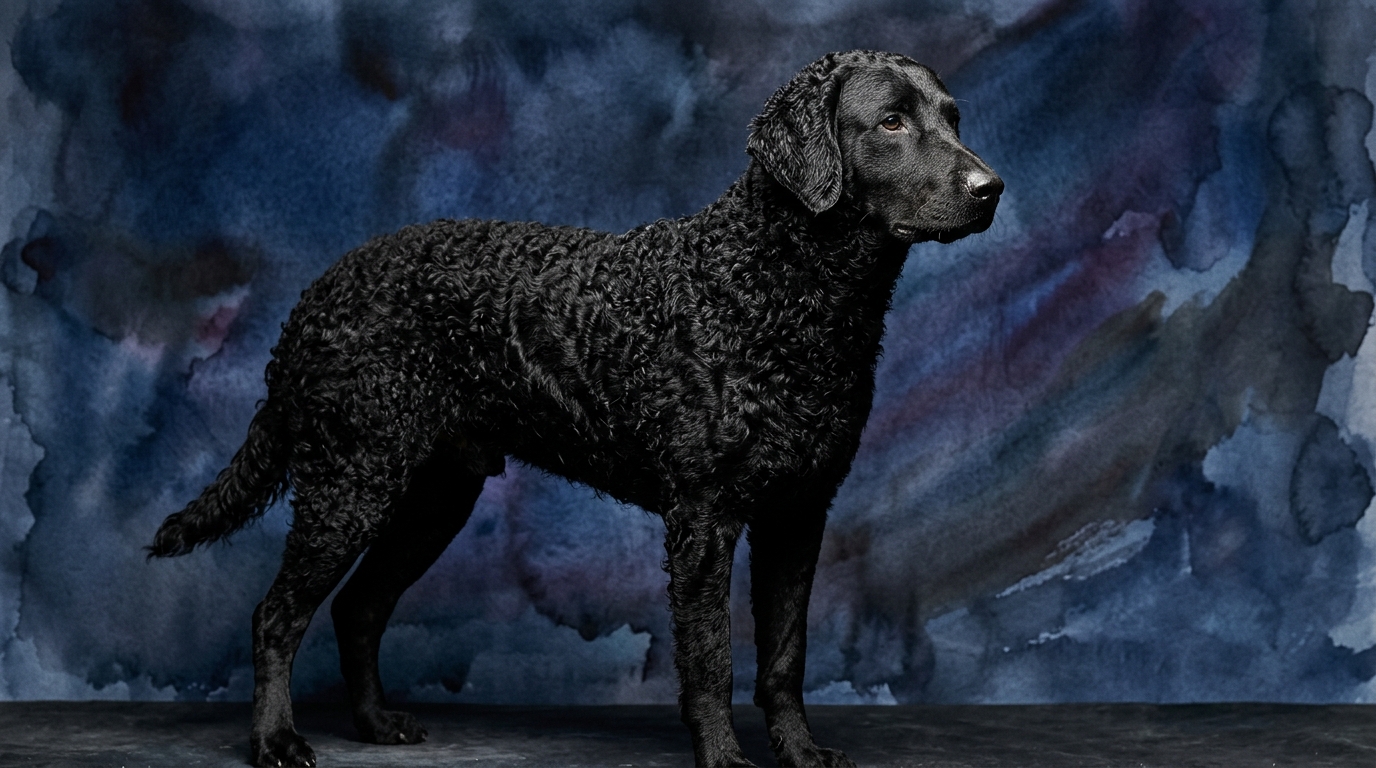
The Cosmic Pet Pet IQ Lab assesses canine intelligence across five key dimensions, providing a nuanced view beyond simple obedience. For the Curly-Coated Retriever, a breed ranked #41 by Coren, its profile reflects a capable working dog. Its problem-solving capacity sits at 3/5, indicating a solid ability to navigate novel situations and figure out solutions when presented with challenges. Training speed also rates 3/5, suggesting a moderate pace for learning new commands and routines. Social intelligence, at 3/5, points to a decent understanding of human cues and interactions, fostering good partnerships. An instinctive drive of 3/5 highlights their inherent desire to work and retrieve, while their memory shines at 4/5, indicating excellent retention of learned behaviors and experiences.
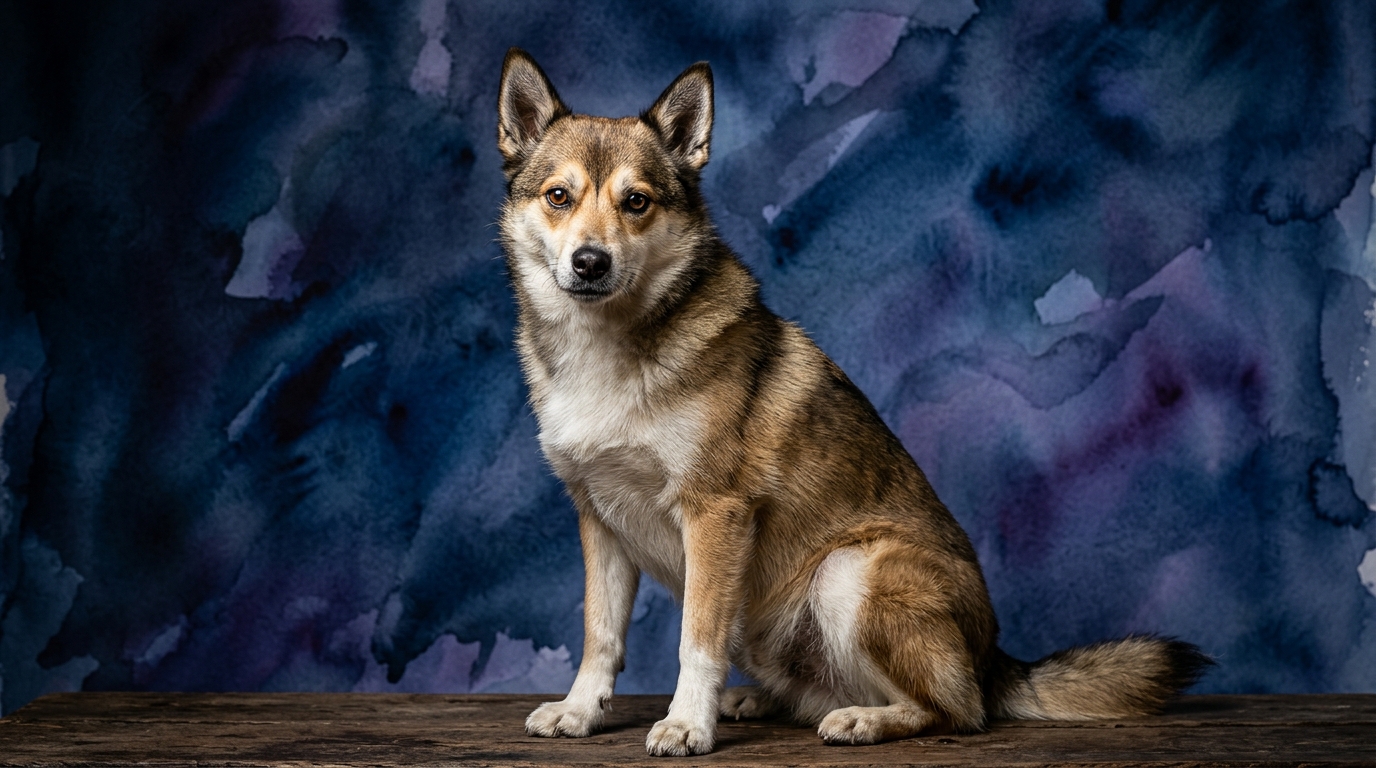
In contrast, the Norwegian Lundehund, a Non-Sporting breed not ranked by Coren, presents a profile that, on the surface, appears similar but carries different implications due to its unique heritage. Its problem-solving ability is also 3/5, but this often manifests in highly specialized ways, reflecting its historical role. Training speed matches the Curly at 3/5, suggesting a comparable initial learning pace. Social intelligence is likewise 3/5, meaning they can form strong bonds and understand human intentions. Their instinctive drive is 3/5, channeled into their historical puffin-hunting behaviors rather than general sport. Memory, however, is 3/5, indicating a slightly less robust recall compared to the Curly, which can impact long-term retention of complex sequences.
Where the Curly-Coated Retriever Shows Cognitive Advantages
The Curly-Coated Retriever distinctly outpaces the Lundehund in one critical cognitive area: memory, scoring 4/5 compared to the Lundehund's 3/5. This enhanced recall means a Curly is more likely to retain complex sequences of commands, remember specific routes during walks, and consistently recall the location of dropped items or toys. For an owner, this translates into a dog that requires less frequent refreshing of learned behaviors and can build upon a larger repertoire of commands over time. Their Coren ranking also implies a general responsiveness and adaptability to human environments that is a hallmark of many recognized working breeds.
Beyond just memory, the Curly's 3/5 instinctive drive, coupled with its retriever heritage, means its problem-solving and social intelligence are often geared towards cooperative tasks. This breed's cognitive strengths are particularly evident in scenarios requiring sustained focus on a task alongside a human, such as retrieving game over various terrains or excelling in canine sports like obedience and agility where remembering sequences and executing precise movements are paramount. Their intelligence is often expressed through an eagerness to please and a reliable work ethic, making them highly effective partners in structured activities.
Where the Norwegian Lundehund Excels Cognitively
While the Lundehund's numerical scores might appear on par or slightly lower in some areas, its cognitive strengths are remarkably specialized, reflecting its unique evolution. Its problem-solving at 3/5 is not about broad-spectrum tasks, but rather an exceptional aptitude for navigating complex, tight spaces and adapting to challenging physical environments. Historically, this breed was tasked with hunting puffins on treacherous cliffs, requiring an unparalleled ability to find and extract prey from narrow crevices and rocky tunnels. This demands a unique spatial reasoning and determination, a form of intelligence that is highly specialized and effective within its niche.
The Lundehund’s instinctive drive, also 3/5, is intrinsically linked to this specialized problem-solving. It's a drive for independent exploration and intricate maneuvers rather than cooperative retrieving. This breed's cognitive make-up allows it to assess and react to its immediate physical surroundings with remarkable agility and precision, often without direct human instruction. Their social intelligence, while rated 3/5, often manifests as a deep, if sometimes reserved, bond with their immediate family, combined with a cautious curiosity towards novel situations and strangers, a trait that served them well in isolated environments.
Which is Easier to Train and Why
When considering ease of training, the Curly-Coated Retriever generally presents a more straightforward path for most owners, despite both breeds scoring 3/5 in training speed. The Curly’s superior memory (4/5) is a significant advantage; once a command or behavior is learned, it is retained more effectively, reducing the need for constant repetition and reinforcement. Their sporting background has ingrained a cooperative spirit and a desire to work alongside humans, making them generally more amenable to structured training sessions and eager to please their handler. They respond well to positive reinforcement and clear, consistent instruction, building on their innate drive to perform tasks.
The Norwegian Lundehund, while equally capable of learning at a moderate pace (3/5 training speed), presents different training nuances. Their independent nature, stemming from a history of working without direct human oversight, means they can be more challenging to motivate consistently. Their problem-solving, while effective, is often self-directed, and they may be less inclined to perform tasks simply because a human requests it. Training a Lundehund requires immense patience, creativity, and a deep understanding of their unique motivations. Owners might find that while the Lundehund grasps concepts, their willingness to execute them reliably can vary, demanding engaging and rewarding methods to maintain their focus and cooperation.
Which Suits Active Owners vs. Relaxed Owners
For active owners seeking a canine partner for diverse pursuits, the Curly-Coated Retriever is typically the more fitting choice. Their 3/5 instinctive drive is channeled into a robust enthusiasm for physical activity, particularly those involving retrieving, swimming, and exploring. They thrive on purposeful engagement, whether it's long hikes, agility courses, or participating in scent work. Their social intelligence and cooperative nature make them excellent companions for owners who enjoy integrating their dog into a wide range of outdoor adventures and structured training activities. A Curly requires consistent mental and physical stimulation to prevent boredom and ensure a well-adjusted temperament.
The Norwegian Lundehund, while possessing a 3/5 instinctive drive, channels its energy differently. Their activity needs are less about extensive, broad-spectrum exercise and more about opportunities for specialized exploration and mental engagement. They are agile and enjoy climbing and navigating varied terrain, making them suitable for owners who appreciate unique forms of outdoor activity that cater to their natural inclination for investigation and problem-solving in a physical context. While they can enjoy walks and playtime, they are not typically suited for the high-impact, repetitive activities common for many sporting breeds. A more relaxed owner who can provide consistent, varied mental enrichment and opportunities for independent, safe exploration might find a Lundehund a good fit, provided they understand the breed's need for unique physical outlets and mental stimulation.
The Verdict
Choose the Curly-Coated Retriever if you seek a cooperative, trainable companion with excellent memory for a range of activities, from sporting pursuits to family life. Their eagerness to please and consistent recall make them a rewarding partner for engaged owners.
Opt for the Norwegian Lundehund if you are drawn to a unique, independent breed with specialized problem-solving skills and a need for nuanced engagement, appreciating a dog that thrives on exploring and navigating complex environments.
🧠 Find Your Pet's IQ Score
Our Pet IQ Lab assessment covers 25+ tests across 5 cognitive dimensions — personalized to your breed.
Take the Full IQ Test →Frequently Asked Questions
How does the Lundehund's 'not Coren-ranked' status impact its intelligence perception?
The Coren ranking system primarily assesses a dog's working and obedience intelligence, often reflecting how quickly and consistently a breed responds to human commands. The Lundehund's absence from this list doesn't imply a lack of intelligence, but rather that its cognitive strengths are less focused on traditional obedience and more on specialized, independent problem-solving relevant to its unique historical role.
Do Curly-Coated Retrievers require a lot of mental stimulation?
Yes, Curly-Coated Retrievers, with their 3/5 problem-solving and instinctive drive, coupled with 4/5 memory, thrive on mental engagement. They benefit greatly from activities like puzzle toys, obedience training, scent work, and interactive games that challenge their minds and allow them to utilize their natural working instincts and strong recall abilities.
Are Norwegian Lundehunds difficult to live with due to their independence?
Norwegian Lundehunds can be a rewarding companion for the right owner, but their independence (reflected in their specialized problem-solving and instinctive drive) means they require consistent, positive training and clear boundaries. They are not typically a 'people-pleaser' breed and may express their intelligence through stubbornness or self-directed activities if not properly engaged and understood, making them a unique living experience.