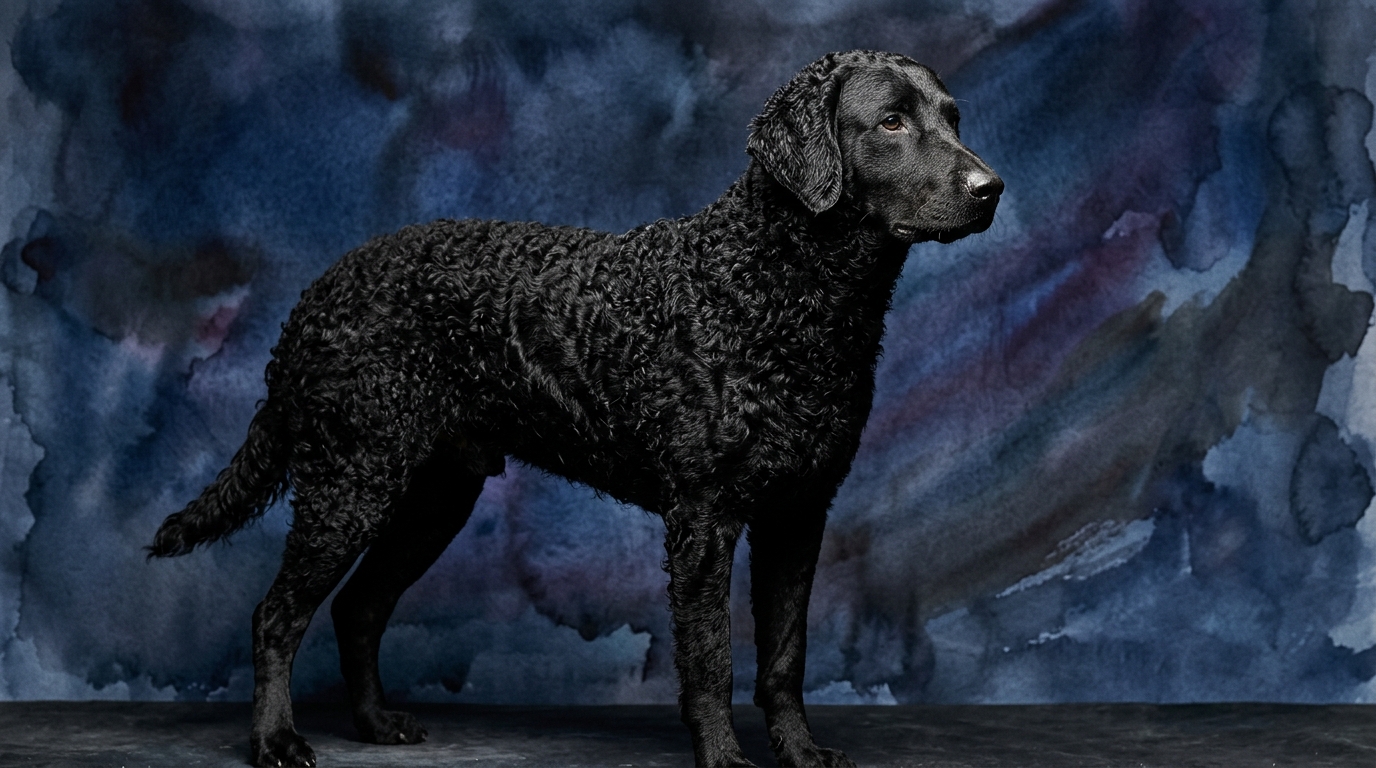
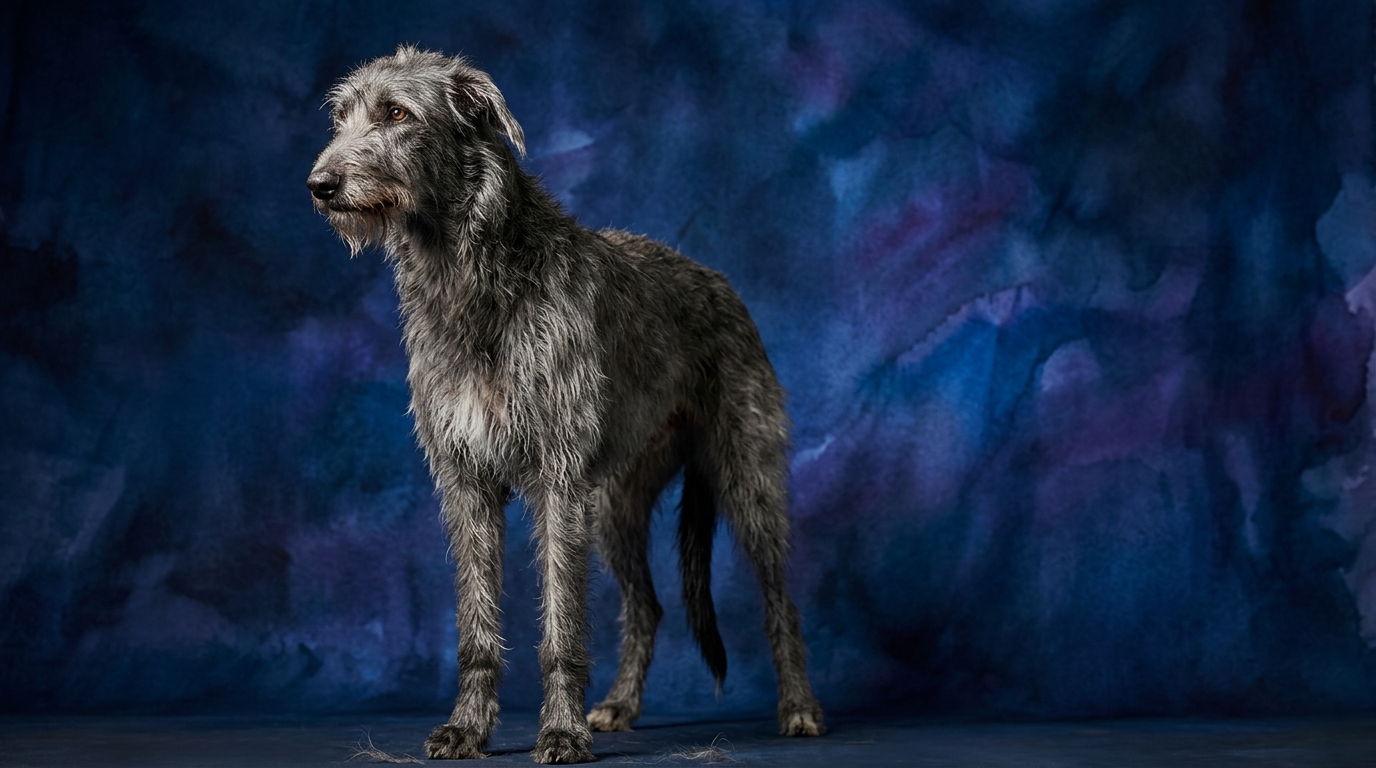
Side-by-Side IQ Profile
The Cosmic Pet Pet IQ Lab employs a five-dimensional framework to assess canine intelligence, offering a granular view of each breed’s cognitive makeup. For the Curly-Coated Retriever, this profile paints a picture of a capable sporting dog. Their Problem Solving is rated at 3/5, indicating an aptitude for navigating complex environments, figuring out how to retrieve items from tricky spots, or understanding the mechanics of a puzzle toy to achieve a goal. Training Speed also sits at 3/5, suggesting they learn new commands and routines at a moderate pace, thriving with consistent and engaging methods. Social Intelligence, at 3/5, points to a good understanding of human cues and family dynamics, allowing them to interpret moods and adjust their behavior with empathy. Their Instinctive Drive, also 3/5, reflects a moderate desire for retrieving and working, echoing their gundog heritage through a propensity to follow scent trails, chase, and bring back items. A standout trait for the Curly-Coated Retriever is their Memory, scoring 4/5, which signifies a strong ability to recall learned behaviors, locations, and past experiences, aiding in long-term training retention and understanding routines.
The Scottish Deerhound presents a subtly different cognitive blueprint, shaped by its role as a sighthound. Their Problem Solving is also rated 3/5, but it manifests in a practical intelligence for finding efficient ways to move across terrain or bypass obstacles during a chase, rather than complex manipulation. Training Speed, mirroring the Curly-Coated Retriever at 3/5, indicates a moderate learning pace, though their hound independence might sometimes challenge focus, demanding patience and positive reinforcement. Social Intelligence, at 3/5, describes a breed that connects well with its human family, often gentle and sensitive, picking up on emotional states and responding with quiet affection. Their Instinctive Drive, also 3/5, is powerfully focused on the pursuit of moving objects, a quintessential sighthound trait that is intense when triggered. The Scottish Deerhound’s Memory scores 3/5, denoting a solid recall for routines and familiar faces, though perhaps not as exceptional in recalling complex sequences or specific details over very long periods as the Curly-Coated Retriever.
Where the Curly-Coated Retriever Wins Cognitively
The Curly-Coated Retriever’s distinct cognitive advantage lies squarely in its superior Memory, scoring 4/5 compared to the Deerhound's 3/5. This translates into more robust long-term retention of training, routines, and even specific cues from their environment. For an owner, this means less frequent re-teaching of commands and a dog that remembers complex sequences or patterns over time, making them particularly adept at advanced obedience, agility courses, or scent work where specific targets need to be recalled. Their Coren rank of #41 further suggests a good overall working intelligence that supports this memory advantage, allowing them to integrate new information effectively and build upon prior learning with impressive consistency. This strength makes them highly dependable in structured activities requiring sequential understanding and recall.
Where the Scottish Deerhound Wins Cognitively
While not outscoring the Curly-Coated Retriever in any single dimension, the Scottish Deerhound’s cognitive strengths are subtly interwoven with its ancient purpose as a sighthound. Its Instinctive Drive, though numerically similar at 3/5, is specialized for independent, high-speed pursuit and keen observation of movement. This translates into an exceptional ability to scan environments for subtle changes, react swiftly to visual stimuli, and make rapid, independent decisions during a chase. Their Problem Solving (3/5) is particularly suited to navigating varied terrain efficiently while maintaining focus on a moving target, demonstrating a practical, real-time intelligence for their sighthound role. They possess a unique blend of calm social intelligence and explosive, focused drive when stimulated, making them masters of their specific hunting domain.
Training Dynamics: CCR vs. Scottish Deerhound
Both breeds share a Training Speed score of 3/5, indicating they learn at a moderate pace. However, the application of this learning differs due to their underlying temperament and cognitive strengths. The Curly-Coated Retriever, with its stronger memory and sporting dog heritage, tends to be more cooperative and handler-focused during training. Their drive to work with humans and recall previous lessons means that while they might not grasp a new command instantly, once learned, it is likely to stick. Consistent, positive reinforcement methods work well, building on their desire to please and their excellent recall of past successful actions, making them generally eager participants in training sessions.
The Scottish Deerhound, while equally capable of learning, often brings a more independent sighthound mindset to the training arena. Their problem-solving and instinctive drive are geared towards independent action in pursuit, rather than strict compliance. This means training requires greater patience, creativity, and an understanding of their intrinsic motivations. They might learn a command, but choose to execute it only if they perceive value or if it aligns with their current interest. Engaging their chase drive in controlled environments can be a powerful training tool, but owners must appreciate their 'thinking for themselves' nature. Their social intelligence ensures they understand what is being asked, but their willingness to always comply is mediated by their independent spirit, sometimes requiring more persuasive motivation.
Lifestyle Match: Active vs. Relaxed Owners
For owners seeking an active companion with a consistent work ethic, the Curly-Coated Retriever is often a superior match. Their Instinctive Drive (3/5) for retrieving and their robust Memory (4/5) make them excellent partners for activities like obedience, agility, scent work, or even field trials. They thrive on structured activity and mental engagement that allows them to use their cognitive strengths. An active owner who enjoys consistent training and outdoor adventures will find the CCR eager to participate and quick to remember complex sequences, making them highly rewarding to work with. They require regular exercise and mental challenges to prevent boredom and channel their intelligence constructively.
The Scottish Deerhound, while certainly needing regular exercise, particularly to stretch their long legs in a safe, enclosed space, generally suits a more relaxed, yet attentive, owner. Their Instinctive Drive (3/5) is primarily for short bursts of intense activity, followed by long periods of rest. They are not typically 'go-go-go' dogs in the same way a retriever might be. Their gentle Social Intelligence (3/5) makes them calm house companions, content to supervise from a comfortable couch. Owners who appreciate a majestic, independent companion that enjoys a good run but is equally happy to lounge will find the Deerhound’s temperament and cognitive profile a perfect fit. They require an owner who understands their sighthound nature and provides safe outlets for their chase drive without demanding constant engagement.
The Verdict
Choose the Curly-Coated Retriever if you value a consistently cooperative canine partner with excellent memory for complex training routines and a desire for structured, active engagement.
Opt for the Scottish Deerhound if you seek a gentle, independent companion who enjoys explosive bursts of activity followed by serene relaxation, appreciating their subtle, independent problem-solving.
🧠 Find Your Pet's IQ Score
Our Pet IQ Lab assessment covers 25+ tests across 5 cognitive dimensions — personalized to your breed.
Take the Full IQ Test →Frequently Asked Questions
Which breed is better for first-time dog owners?
The Curly-Coated Retriever, with its more handler-focused nature and stronger memory for training, may be slightly easier for a first-time owner to navigate. Their desire to please often translates into a more predictable training experience, making them a good choice for those new to dog ownership.
Do Scottish Deerhounds require a lot of mental stimulation?
While they aren't typically suited for complex puzzle toys in the same way some breeds are, Scottish Deerhounds do benefit from mental engagement that taps into their sighthound instincts. This includes observing their environment, safe opportunities for high-speed running, and varied walks that allow them to explore with their keen senses.
How do their Coren ranks compare?
The Curly-Coated Retriever is ranked #41 in Coren's intelligence scale, indicating a good working and obedience intelligence, aligning with its sporting background. The Scottish Deerhound is not Coren-ranked, which is common for many sighthound breeds whose intelligence is less about obedience and more about independent hunting prowess and specialized sensory perception.