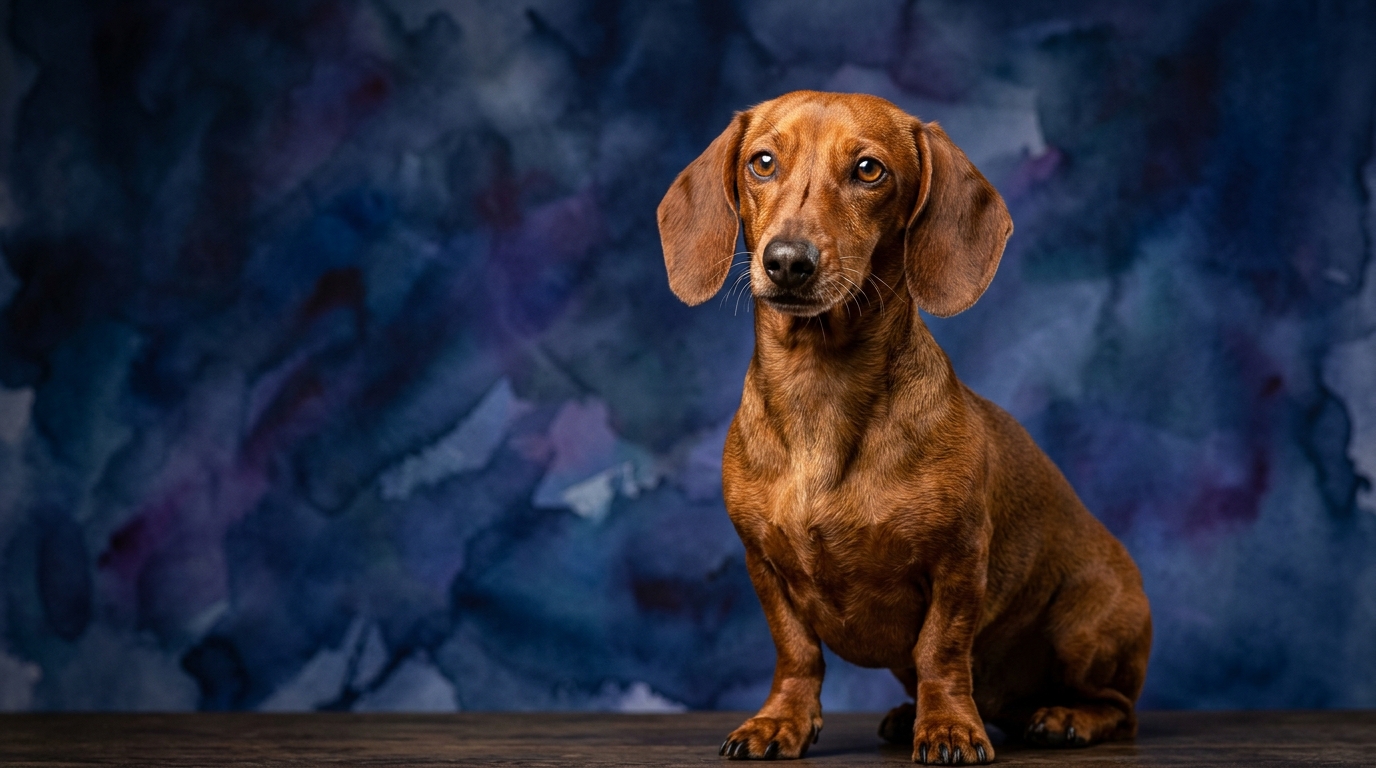
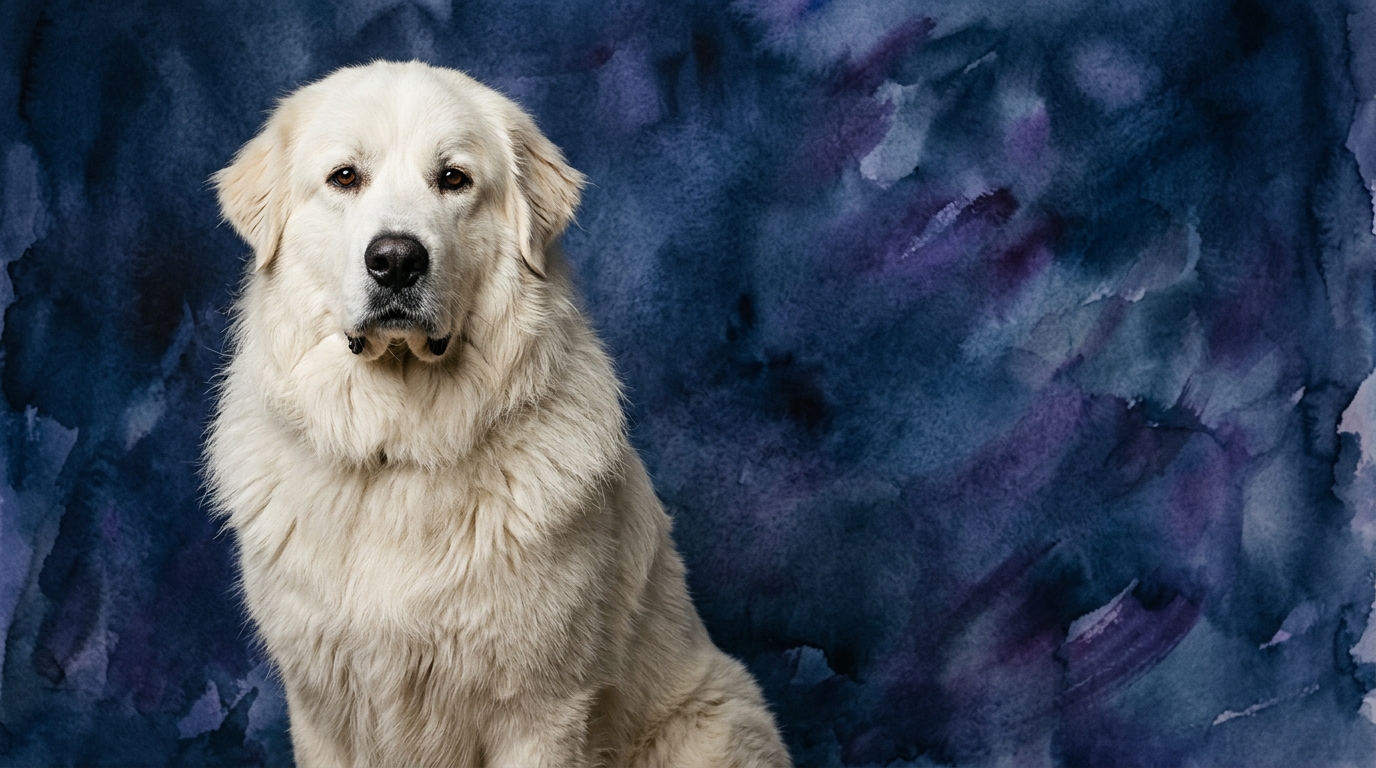
Side-by-Side IQ Profile: Dachshund vs. Great Pyrenees
The Cosmic Pet Pet IQ Lab's framework provides a nuanced lens to examine the mental faculties of these two distinct breeds. The Dachshund, a hound group member, holds a Coren rank of #49, placing it firmly in the average working/obedience intelligence category. Its cognitive scores include Problem Solving 4/5, Training Speed 2/5, Social Intelligence 3/5, Instinctive Drive 5/5, and Memory 3/5. This profile paints a picture of a clever, self-directed dog with a powerful innate purpose.
In contrast, the Great Pyrenees, a working group member, sits at a Coren rank of #64, which is in the fair working/obedience intelligence tier. Its cognitive breakdown shows Problem Solving 3/5, Training Speed 3/5, Social Intelligence 3/5, Instinctive Drive 3/5, and Memory 3/5. This suggests a more balanced, perhaps less intensely specialized, cognitive makeup compared to the Dachshund, reflecting its role as an independent guardian.
Delving deeper into the Dachshund's scores, its 4/5 in Problem Solving indicates a remarkable ability to figure out how to achieve its goals, often through creative or persistent means, such as navigating obstacles to reach a desired toy or figuring out how to access a forbidden treat. The 5/5 in Instinctive Drive highlights an incredibly strong, persistent urge tied to its original hunting purpose, making it highly focused on scent trails and pursuit. However, its 2/5 Training Speed suggests that while capable, this breed often prioritizes its own instincts over human directives, requiring significant motivation and consistency.
For the Great Pyrenees, a 3/5 in Problem Solving indicates a practical, methodical approach to challenges, rather than spontaneous ingenuity. They are capable of learning routines and solving spatial problems relevant to their environment but might not exhibit the same 'scheming' cleverness as a Dachshund. Their 3/5 Instinctive Drive reflects a strong, but adaptable, guarding instinct – they are vigilant and protective without being overly reactive. The 3/5 Training Speed suggests a steady capacity for learning, though their independent nature means they respond best to clear, consistent, and respectful instruction, often weighing the value of a command against their own judgment.
Where the Dachshund Excels Cognitively
The Dachshund's cognitive strengths primarily lie in its exceptional Problem Solving and overwhelming Instinctive Drive. A 4/5 in Problem Solving means these dogs are masters at figuring out how to get what they want. This isn't just about simple tasks; it extends to complex maneuvers like dislodging items from shelves, opening latches with surprising dexterity, or strategizing to outmaneuver perceived obstacles. Owners often report their Dachshunds developing intricate plans to bypass gates or 'accidentally' knock food off counters, demonstrating a practical and self-serving ingenuity.
Coupled with this is their 5/5 Instinctive Drive, which is among the highest. This score signifies an unwavering focus on their natural predispositions, particularly scent work and burrowing. When a Dachshund locks onto a scent, its cognitive resources are almost entirely dedicated to following that trail, often to the exclusion of all else. This isn't just a physical act; it's a mental fixation, requiring sustained attention and memory for scent patterns, making them incredibly effective at tasks that align with their hunting heritage. This intense focus, while sometimes challenging for owners, showcases a powerful, directed form of intelligence.
Where the Great Pyrenees Shines Cognitively
The Great Pyrenees' cognitive profile, while different, reveals distinct strengths. Its 3/5 in Training Speed, while not outstanding, is notably higher than the Dachshund's 2/5, indicating a greater inherent amenability to formal instruction. This doesn't mean they are eager to please in the same way a retriever might be, but rather that they are capable of absorbing and retaining commands when presented consistently and with purpose. Their intelligence here is about steady, reliable learning rather than quick, showy responses, which is crucial for a guardian breed that needs to learn boundaries and appropriate responses over time.
Furthermore, their 3/5 in Social Intelligence and 3/5 in Instinctive Drive, when viewed in the context of their working role, represent a sophisticated balance. A Pyrenees needs to discern friend from foe, assess threats, and make independent judgments without constant human intervention. This requires a nuanced understanding of social cues and environmental context, rather than just raw problem-solving for personal gain. Their instinctive drive is geared towards watchful protection, demanding a calm, observant intelligence that can differentiate between a squirrel and a predator, or a mail carrier and an intruder, making them capable, self-reliant decision-makers in their domain.
Which is Easier to Train and Why
When it comes to ease of training, the Great Pyrenees generally presents a slightly more manageable experience than the Dachshund, a distinction reflected in their respective Training Speed scores of 3/5 for the Pyrenees and 2/5 for the Dachshund. The Dachshund’s lower score is largely due to its formidable 5/5 Instinctive Drive. This means a Dachshund often possesses a single-minded determination to follow its nose or pursue a perceived quarry, making it difficult to redirect their attention to human commands. Their independent nature, honed by centuries of working alone underground, means they are not inherently driven to please or obey, often weighing whether a command is worth their effort or if their own agenda is more pressing. Consistent, patient, and highly rewarding training is essential, as they can be stubborn when their instincts kick in.
The Great Pyrenees, with its 3/5 Training Speed, is capable of learning at a steady pace, but their independence also plays a significant role. Unlike the Dachshund's instinct-driven resistance, the Pyrenees' challenge often stems from their self-reliant guardian nature; they are bred to think for themselves and make decisions in the absence of human direction. This means they might not respond instantly to commands if they don't perceive a clear purpose or if they're focused on their guarding duties. They are not necessarily disobedient, but rather deliberate. Training a Great Pyrenees requires understanding their need for respect, clear communication, and the rationale behind commands, rather than expecting eager compliance. While both breeds are independent, the Pyrenees' independence is often expressed as thoughtful deliberation, whereas the Dachshund's is more often rooted in a powerful, undeterred pursuit of its own agenda.
Cognitive Compatibility: Active vs. Relaxed Owners
Considering their cognitive profiles, the Dachshund is better suited for owners who appreciate and can channel a highly active, focused mind, making them a fit for what might be termed 'active' in a mental sense rather than purely physical. Their 4/5 Problem Solving and 5/5 Instinctive Drive mean they thrive on mental engagement that allows them to use their natural talents. Owners who enjoy puzzle toys, scent work, or engaging in short, stimulating training sessions that challenge their problem-solving skills will find a rewarding companion. They need an owner who is prepared for their tenacious spirit and can provide consistent, firm, and positive guidance to manage their strong independent streak and prevent their cleverness from being applied to mischief. While physically capable of bursts of activity, their 'active' requirement is more about mental stimulation and managing their driven personality.
Conversely, the Great Pyrenees, with its more balanced cognitive scores, suits what could be described as 'relaxed' owners in terms of direct, constant interaction, but 'vigilant' in terms of awareness of their surroundings. Their 3/5 in Problem Solving, Training Speed, and Instinctive Drive translates to a dog that is self-sufficient and thoughtful. They are content to observe and guard their domain, requiring less direct, intense mental engagement from their owners compared to a Dachshund. Owners who appreciate a calm, watchful presence and understand that their dog’s intelligence is often expressed through independent decision-making rather than eager obedience will find a harmonious match. They need space to patrol and a secure environment, thriving with owners who respect their independent nature and provide a consistent, predictable routine without demanding constant interaction or complex tricks.
The Verdict: When to Choose Each Breed
The Verdict
Choose a Dachshund if you admire a tenacious, clever companion with an unshakeable drive and are prepared to engage their sharp problem-solving mind with consistent, creative guidance.
Opt for a Great Pyrenees if you seek a calm, independent guardian who thrives on observation and thoughtful decision-making, and you appreciate a dog whose intelligence manifests as self-reliant vigilance.
🧠 Find Your Pet's IQ Score
Our Pet IQ Lab assessment covers 25+ tests across 5 cognitive dimensions — personalized to your breed.
Take the Full IQ Test →Frequently Asked Questions
Are Dachshunds good at learning new tricks?
Dachshunds are quite capable of learning new tricks due to their 4/5 problem-solving ability, but their 2/5 training speed means they often require high motivation and consistent, engaging methods. Their strong instinctive drive can make them prioritize their own interests over human commands, so patience is key.
Do Great Pyrenees require a lot of mental stimulation?
Great Pyrenees require mental stimulation that aligns with their guardian instincts, focusing on observation and patrolling, rather than constant interactive games or complex puzzle-solving. Their intelligence is suited to independent decision-making and assessing their environment, so providing a secure territory to watch over is often sufficient.
Which breed is more prone to stubbornness?
Both breeds can exhibit stubbornness, but for different reasons. Dachshunds are often seen as stubborn due to their intense instinctive drive and preference for their own agenda, while Great Pyrenees' stubbornness stems from their independent, self-reliant nature as guardians who prefer to make their own decisions.