Side-by-Side IQ Profile: Digging Deeper
The Cosmic Pet Pet IQ Lab delves into five key dimensions of canine intelligence, offering a granular look at how the Dachshund and Irish Wolfhound process information and interact with their environment.
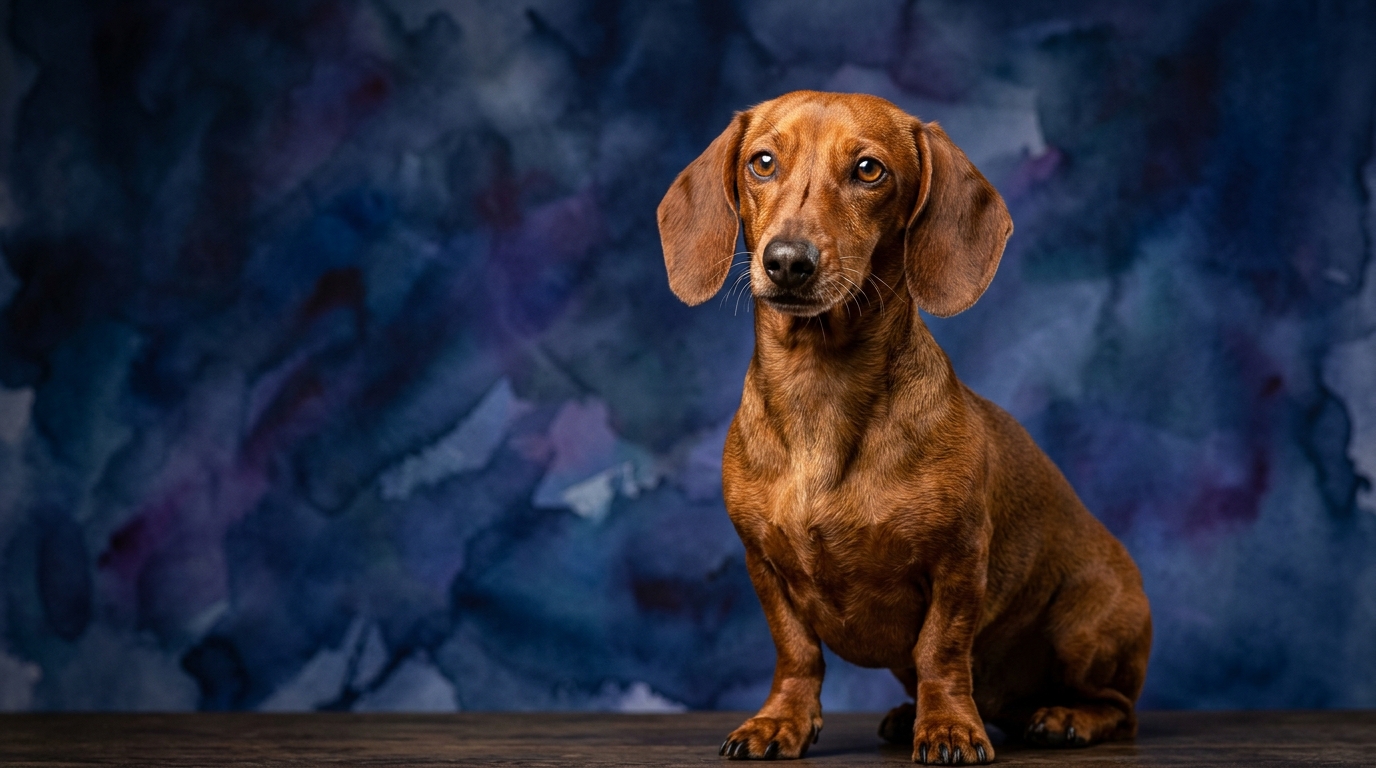
The Dachshund, a small hound with a Coren rank of #49, presents a unique cognitive profile reflecting its specialized hunting heritage. Its Problem Solving is rated 4/5, showcasing a remarkable ingenuity in navigating its environment and overcoming obstacles, often to achieve self-serving goals like reaching hidden treats or finding a cozy burrow. However, this independent streak contributes to a lower Training Speed of 2/5; they grasp commands but often choose when to comply, demanding persistent, engaging methods. Social Intelligence stands at 3/5, indicating strong bonds with their immediate family but a potential wariness towards strangers or other animals, requiring careful socialization. Their Instinctive Drive is a commanding 5/5, a powerful force fueling their desire to scent-trail, dig, and pursue small prey with unwavering focus. Memory is rated 3/5, sufficient for retaining routines and familiar faces, though perhaps not for complex, multi-step tasks without consistent reinforcement.
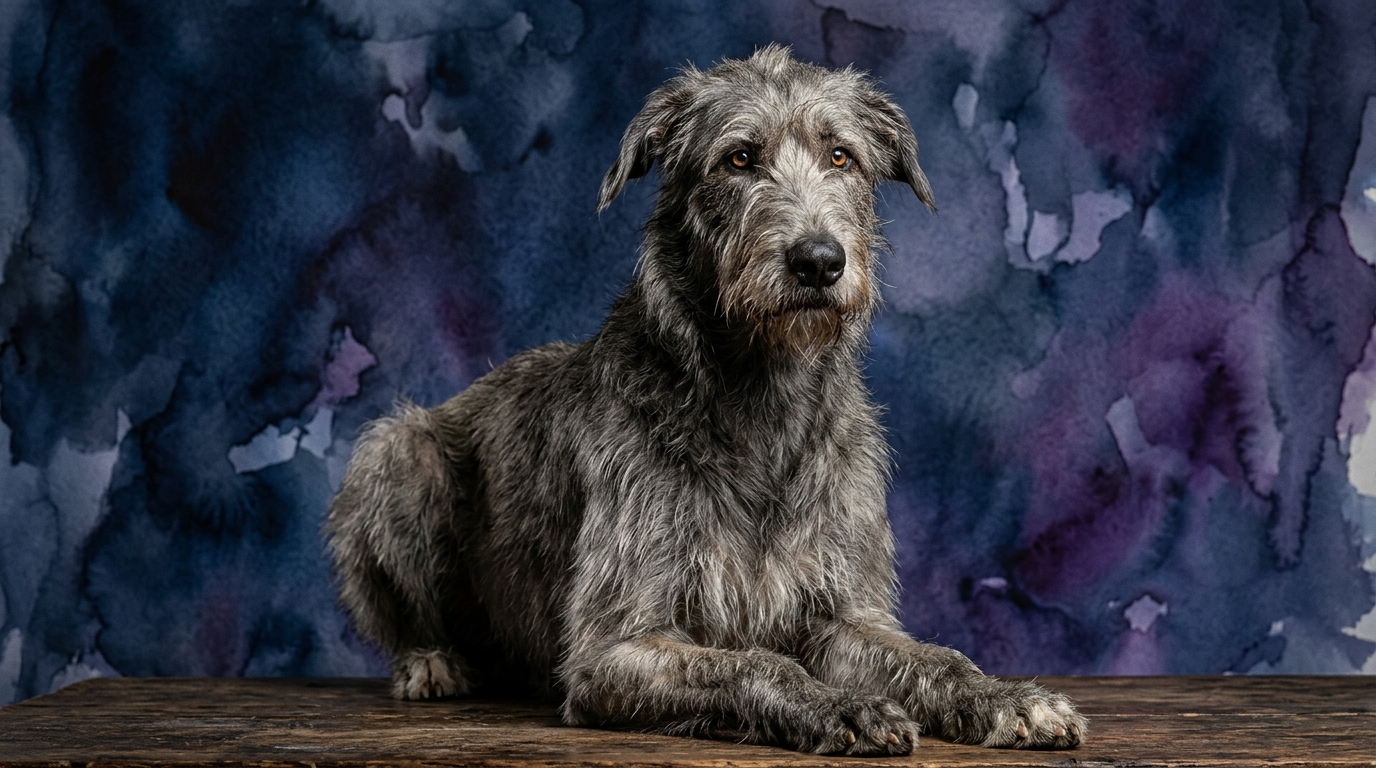
In contrast, the majestic Irish Wolfhound, though not Coren-ranked, possesses a distinct cognitive makeup befitting its ancient role as a large game hunter. Its Problem Solving is rated 3/5, demonstrating practical intelligence in situations like figuring out how to open a door or achieve comfort, but without the same cunning or driven persistence seen in the Dachshund. Training Speed is rated 3/5, suggesting a moderate willingness to learn and respond to instruction, making them generally amenable to consistent positive reinforcement. Social Intelligence is also 3/5; these gentle giants are typically affectionate with their families and often display a calm, tolerant demeanor towards new people and situations. Their Instinctive Drive is 3/5, reflecting a retained sighthound's urge to chase, but it is typically less intense and persistent than the Dachshund's, translating more into a joyful sprint than a focused hunt. Memory is rated 3/5, allowing them to recall learned commands and recognize individuals and places effectively, particularly when lessons are delivered kindly.
Where the Dachshund Excels Cognitively
The Dachshund's cognitive strengths lie profoundly in its specialized design for independent hunting. Its exceptional Problem Solving score of 4/5 is a clear win, reflecting a sharp, often cunning mind capable of devising ingenious strategies to achieve its objectives. This isn't just about following commands; it's about figuring out how to get *that* toy from under the sofa or how to bypass a baby gate. This cognitive resourcefulness is deeply intertwined with its unparalleled Instinctive Drive, rated 5/5. This intense, hardwired motivation to scent-trail, burrow, and pursue small quarry means the Dachshund possesses an unwavering focus and tenacity when engaging in these core behaviors. While challenging for owners, this drive represents a powerful, specialized form of intelligence, making them incredibly effective at their historical purpose. Their persistence, a byproduct of this drive and problem-solving, allows them to overcome obstacles that might deter other breeds, showcasing a remarkable cognitive grit. This combination makes them master strategists in their own small, determined world.
Where the Irish Wolfhound Shows Cognitive Strengths
The Irish Wolfhound's cognitive advantages lean towards a more balanced and cooperative intelligence, particularly evident in its Training Speed, rated 3/5, which surpasses the Dachshund's 2/5. This indicates a greater inherent willingness to engage with human instruction and a more direct path to learning new commands. While not lightning-fast, their ability to absorb and retain lessons consistently makes the training process smoother and less prone to the independent resistance seen in some other hounds. Furthermore, the Irish Wolfhound's moderate Instinctive Drive (3/5) contributes to a calmer, more composed cognitive state overall. This means they are less likely to be overwhelmed by powerful innate urges to hunt or dig, allowing for greater focus on their human companions and their environment. Their gentle nature and balanced social intelligence also suggest a cognitive capacity for nuanced emotional understanding, making them intuitive and responsive companions who are generally more tolerant and adaptable in various social settings. This blend of moderate drive and cooperative learning fosters a more agreeable and less demanding cognitive presence in a home environment.
Training Dynamics: Which Breed Learns with Greater Ease?
When evaluating ease of training, the Irish Wolfhound generally presents a more straightforward experience than the Dachshund. The Irish Wolfhound’s Training Speed of 3/5, coupled with its moderate Instinctive Drive of 3/5, means it is typically more receptive to learning and less prone to distraction by ingrained urges. They possess a desire to please and respond well to gentle, consistent positive reinforcement, absorbing commands at a steady pace. Their cognitive processes are less dominated by self-serving pursuits, allowing them to focus on the human-dog partnership during training sessions. In contrast, the Dachshund, with its Training Speed of 2/5 and an overwhelming Instinctive Drive of 5/5, is often perceived as more challenging. Their problem-solving acumen is frequently directed towards finding loopholes or alternative ways to achieve their own goals, rather than strictly adhering to commands. Behavioral differences include the Dachshund's powerful urge to follow a scent or dig, which can override any training, making off-leash reliability particularly difficult. Training a Dachshund demands exceptional patience, creativity, and high-value rewards to consistently engage their independent, tenacious spirit and channel their formidable cognitive drive.
Matching Breeds to Owner Lifestyles
The choice between a Dachshund and an Irish Wolfhound significantly depends on an owner's lifestyle and their definition of “active” or “relaxed.” Despite their small stature, Dachshunds require owners who are mentally active and prepared for consistent engagement. Their high Instinctive Drive (5/5) means they thrive on activities that satisfy their innate desire to hunt and explore, such as scent work, puzzle toys, and regular walks where they can investigate interesting smells. Their problem-solving skills (4/5) also necessitate mental stimulation to prevent boredom and destructive behaviors. Therefore, they suit owners who enjoy dedicated, consistent training, providing structured outlets for their tenacious spirit, and who appreciate an independent companion for moderate adventures. Conversely, the Irish Wolfhound, while needing regular exercise during puppyhood and adolescence, becomes a more relaxed adult. Their moderate Instinctive Drive (3/5) allows them to be content with steady, moderate daily exercise, like leisurely walks or supervised yard play, rather than demanding intense, prolonged activity. They are well-suited for relaxed owners who can provide ample space for their large bodies, appreciate a calm, gentle presence, and enjoy quiet companionship. While they are not couch potatoes, their activity needs are more about consistent, gentle movement than high-intensity exertion, making them ideal for those seeking a tranquil, watchful giant.
The Verdict
Choose the Dachshund if you appreciate a clever, tenacious companion with a deeply ingrained drive, and are prepared for consistent, patient training to channel their independent spirit and provide ample mental stimulation.
Opt for the Irish Wolfhound if you seek a gentle giant, a calm and responsive companion who learns at a moderate pace and thrives on quiet companionship within a spacious, forgiving environment.
🧠 Find Your Pet's IQ Score
Our Pet IQ Lab assessment covers 25+ tests across 5 cognitive dimensions — personalized to your breed.
Take the Full IQ Test →Frequently Asked Questions
Are Dachshunds stubborn?
Yes, their strong instinctive drive and problem-solving skills often manifest as a determined independence, making them appear stubborn during training, as they prioritize their own goals.
Do Irish Wolfhounds need a lot of exercise?
While they are large, adult Irish Wolfhounds are generally content with moderate daily exercise, like walks or yard play, rather than intense, prolonged activity, and prefer a relaxed pace.
Which breed is better for first-time owners?
The Irish Wolfhound's more agreeable training speed and moderate drive might make them slightly easier for first-time owners willing to manage their size, whereas the Dachshund's strong will requires more dedicated experience and patience.