Side-by-Side Cognitive Profile
At The Cosmic Pet Pet IQ Lab, we evaluate canine intelligence across five key dimensions: Problem Solving, Training Speed, Social Intelligence, Instinctive Drive, and Memory. These metrics offer a granular view, moving beyond generalized notions of 'smartness' to pinpoint specific cognitive strengths and challenges for each breed.
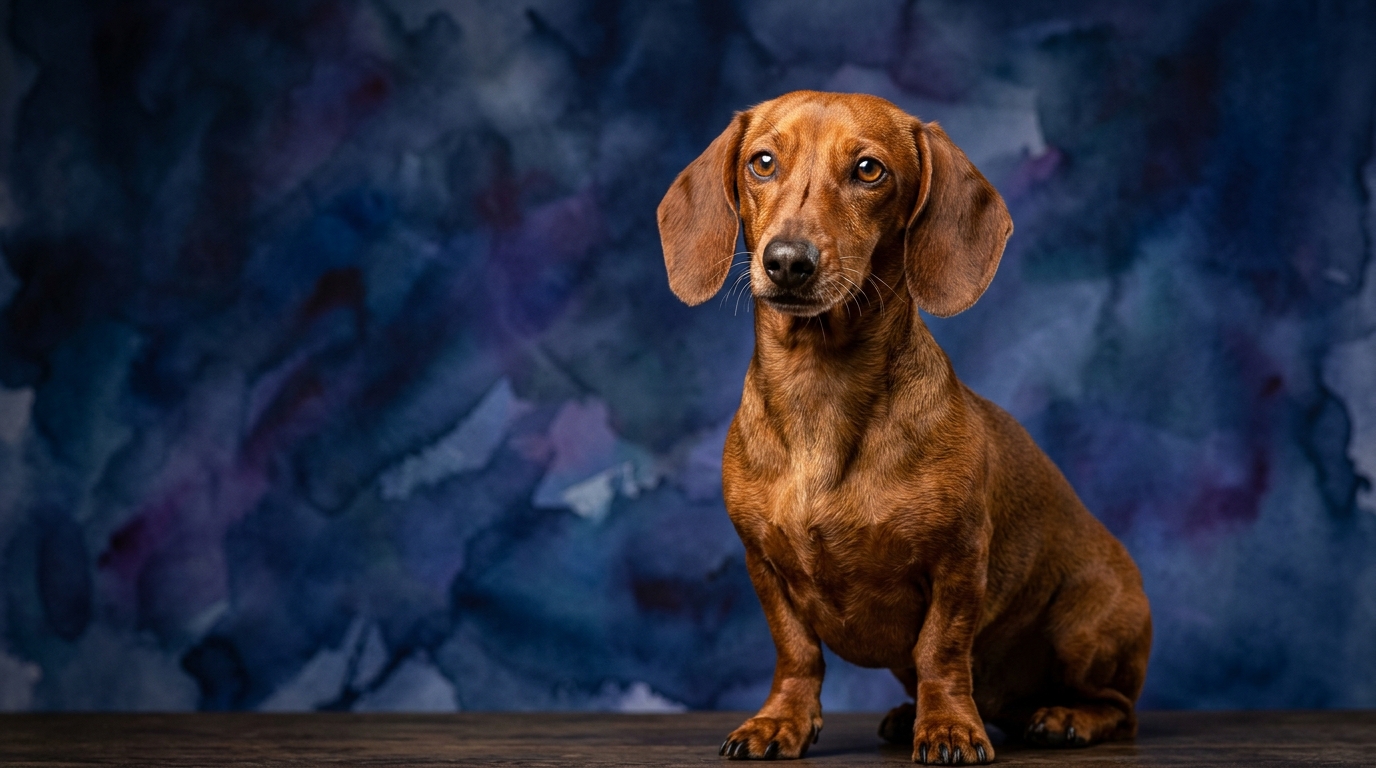
The Dachshund, recognized by the Coren ranking at #49, presents a distinct cognitive blueprint. Its Problem Solving ability is rated at an impressive 4/5, indicating a strong capacity for independent thought and figuring out complex situations. Training Speed, however, registers at 2/5, suggesting a more deliberate or independent approach to learning commands. Social Intelligence stands at 3/5, meaning they can interpret human cues but often prioritize their own agenda. A standout feature is their Instinctive Drive, rated a formidable 5/5, reflecting deeply ingrained ancestral behaviors. Memory for the Dachshund is a solid 3/5, allowing them to retain experiences and learned behaviors.
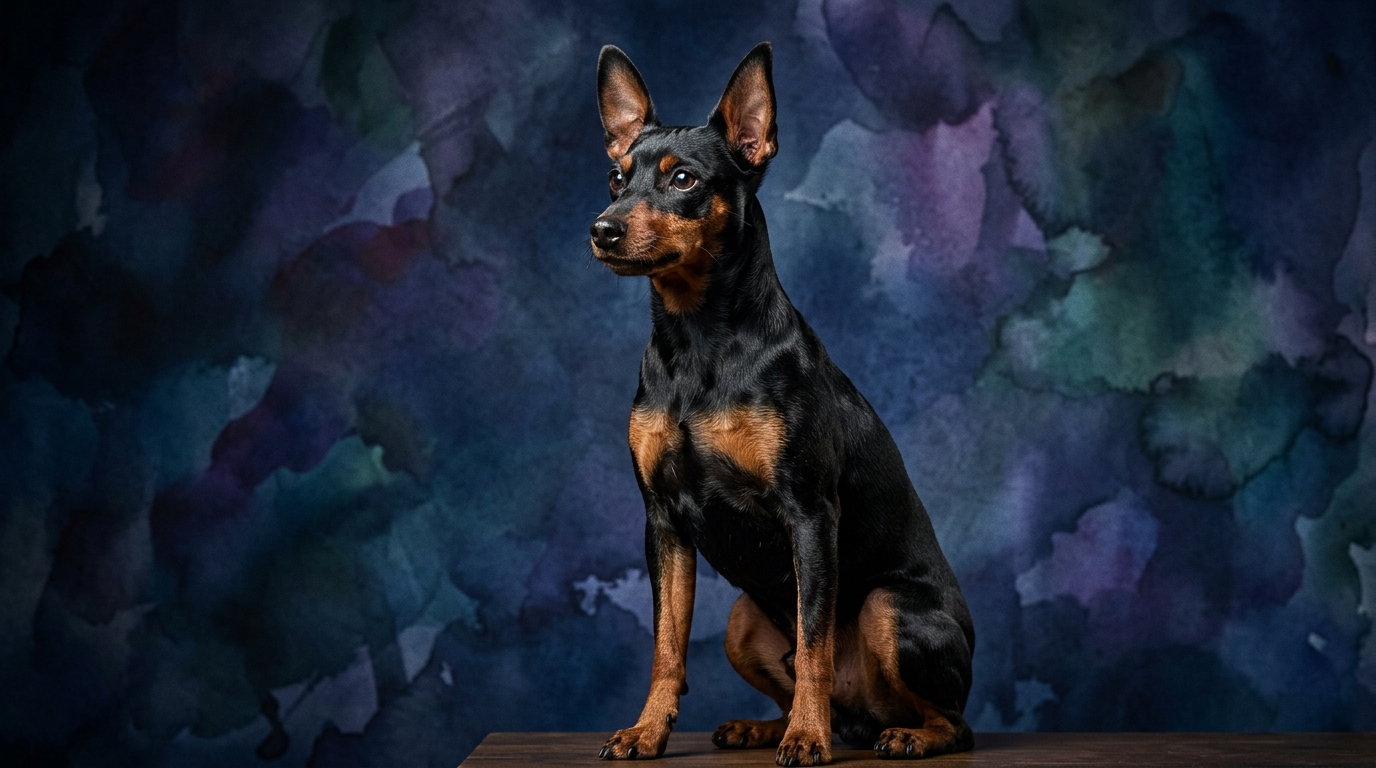
The Miniature Pinscher, while not featured on the Coren ranking, offers a more evenly distributed cognitive profile. Their Problem Solving ability is rated 3/5, indicating competence in practical challenges without the intense, singular focus seen in some breeds. Training Speed is rated 3/5, suggesting a moderate pace of learning, generally more responsive than the Dachshund. Social Intelligence also scores 3/5, showing an ability to connect with family members and interpret emotions. Their Instinctive Drive is 3/5, present but not as overwhelming as the Dachshund's, often manifesting as a lively chase instinct. Finally, their Memory is also 3/5, signifying a reliable capacity to recall routines and commands.
Where the Dachshund Excels Cognitively
The Dachshund's cognitive strengths are deeply rooted in its heritage as a tenacious hunter. Their Problem Solving score of 4/5 isn't just about figuring out simple puzzles; it speaks to an ingenuity in tasks requiring spatial reasoning or persistent effort, often seen when they're determined to reach a hidden treat or navigate a barrier. This translates into a dog that can be quite adept at escape artistry, meticulously planning routes to forbidden zones or devising strategies to acquire a coveted toy. They aren't merely reactive; they often demonstrate proactive, goal-oriented thinking.
Perhaps their most defining cognitive asset is their Instinctive Drive, rated a perfect 5/5. This isn't simply a high energy level; it's a profound, focused engagement with innate behaviors. Their legendary scent tracking and digging prowess showcase a deep, single-minded cognitive absorption. When a Dachshund locks onto a scent, their world narrows to that singular pursuit, demonstrating an exceptional capacity for sustained attention and environmental interpretation through olfactory cues. This drive, while sometimes challenging to manage, is a testament to their specialized cognitive architecture, allowing them to process and act upon sensory information with remarkable intensity and focus.
Where the Miniature Pinscher Shines Cognitively
The Miniature Pinscher's cognitive advantages often lie in its balanced approach and responsiveness, particularly in a domestic setting. While its Problem Solving score of 3/5 is slightly lower than the Dachshund's, it indicates a practical intelligence that allows them to navigate everyday challenges effectively without necessarily inventing complex solutions. Their cognitive strength here lies in adaptability and applying learned rules efficiently to new situations, rather than constantly seeking to outwit their environment.
A key area where the Miniature Pinscher demonstrates a cognitive edge over the Dachshund is in Training Speed, scoring 3/5 compared to the Dachshund's 2/5. This moderate pace means they are generally more amenable to learning new commands and tricks with fewer repetitions. Their eagerness to engage and respond to human cues often translates into more productive and enjoyable training sessions. This quicker uptake suggests a cognitive framework that is more attuned to human instruction and less dominated by singular, overriding instincts, making them more pliable and receptive to structured learning. Their overall cognitive balance means they are less likely to be sidetracked by a powerful, instinct-driven impulse, allowing for more consistent engagement in training.
Training Dynamics: Dachshund vs. Miniature Pinscher
When it comes to ease of training, the Miniature Pinscher generally holds an advantage. Their Training Speed of 3/5 and a more moderate Instinctive Drive (3/5) mean they are often more motivated by positive reinforcement and human approval. They tend to pick up basic commands with reasonable consistency and can be quite eager to please their owners, making them generally more responsive to conventional training methods. Their cognitive balance allows them to focus on tasks without being excessively pulled away by overpowering urges, leading to more predictable learning outcomes.
The Dachshund, with its Training Speed of 2/5 and a formidable Instinctive Drive of 5/5, presents a more significant training challenge. Their independent nature means they often prioritize their own desires, whether that's following a compelling scent trail or digging up a perceived burrow, over human commands. This isn't a deficit in their ability to learn; rather, it's a testament to their strong will and deeply ingrained purpose. Training a Dachshund requires immense patience, consistency, and a creative approach that often involves making training feel like their idea or linking it directly to their natural drives. They can develop 'selective deafness' when a captivating environmental stimulus, like a squirrel or a fresh molehill, presents itself, demanding an owner who understands how to manage and redirect such powerful cognitive focus.
Matching Breeds to Lifestyles: Active vs. Relaxed Owners
For active owners, both breeds can find a place, though their ideal activities differ based on their cognitive profiles. An active owner who enjoys engaging with a dog's strong, specific instincts might find the Dachshund a fascinating companion. Their high Problem Solving and Instinctive Drive mean they thrive on purposeful activities like scent work, earthdog trials, or complex puzzle toys that challenge their ingenuity. These owners must be prepared to provide consistent mental stimulation to prevent boredom-driven behaviors like excessive digging or barking, channeling that intense cognitive focus into constructive outlets. While not requiring immense physical exertion, they demand an owner who can appreciate and manage their unique mental landscape.
The Miniature Pinscher, with its moderate energy levels and quicker training speed, suits active owners who enjoy teaching tricks, agility, or competitive obedience. Their balanced cognitive profile makes them good partners for structured activities and family outings, as they are generally more adaptable and eager to participate in various shared experiences. They enjoy being involved and can keep pace with an owner who enjoys regular walks and engaging play sessions. They appreciate variety and interaction, making them versatile companions for an active lifestyle.
For relaxed owners, the Miniature Pinscher might be a more suitable choice. Provided they receive regular walks and mental engagement, their balanced cognitive traits make them less prone to the specific, intense demands of a high instinctive drive. They adapt well to a calmer routine once their basic needs are met, being content to cuddle on the couch after some playtime. The Dachshund, however, can be less forgiving for truly 'relaxed' owners. Their potent instinctive drive and exceptional problem-solving skills, if not adequately channeled, can lead to persistent and potentially destructive behaviors. A relaxed owner might find themselves overwhelmed by a Dachshund's independent streak and its relentless pursuit of a perceived 'job,' necessitating a more engaged approach to mental enrichment than initially anticipated.
The Verdict
If you appreciate a dog with exceptional problem-solving abilities and a powerful, deeply ingrained instinctive drive, and are prepared to channel these traits with patience and creative training, the Dachshund offers a uniquely engaging companion. They thrive with owners who understand their independent spirit and enjoy engaging with their natural predispositions for scent work or digging.
Opt for the Miniature Pinscher if you prefer a dog with a more balanced cognitive profile, quicker training response, and a generally more biddable nature, making them a good fit for structured activities and a slightly more predictable companion. They suit owners looking for an energetic yet adaptable dog that enjoys learning and family interaction.
🧠 Find Your Pet's IQ Score
Our Pet IQ Lab assessment covers 25+ tests across 5 cognitive dimensions — personalized to your breed.
Take the Full IQ Test →Frequently Asked Questions
Are Dachshunds stubborn because they aren't smart?
Dachshunds are not stubborn due to a lack of cognitive ability; their problem-solving skills are quite high. Their perceived stubbornness often stems from a powerful independent streak and a strong instinctive drive that compels them to follow their own agenda, particularly when a compelling scent is present, prioritizing innate drives over human commands.
Can a Miniature Pinscher be trained for advanced tricks?
Yes, a Miniature Pinscher can certainly be trained for advanced tricks. Their moderate training speed and eagerness to please, combined with their active nature, make them good candidates for learning complex sequences and excelling in activities like obedience or agility. Consistency and positive reinforcement are key to unlocking their potential.
Which breed is better for a first-time dog owner?
For a first-time dog owner, the Miniature Pinscher might be a slightly more manageable choice due to its quicker training speed and more balanced instinctive drives. The Dachshund's independent nature and strong hunting instincts can present unique challenges that might be overwhelming for someone new to dog ownership without prior experience in managing such traits.