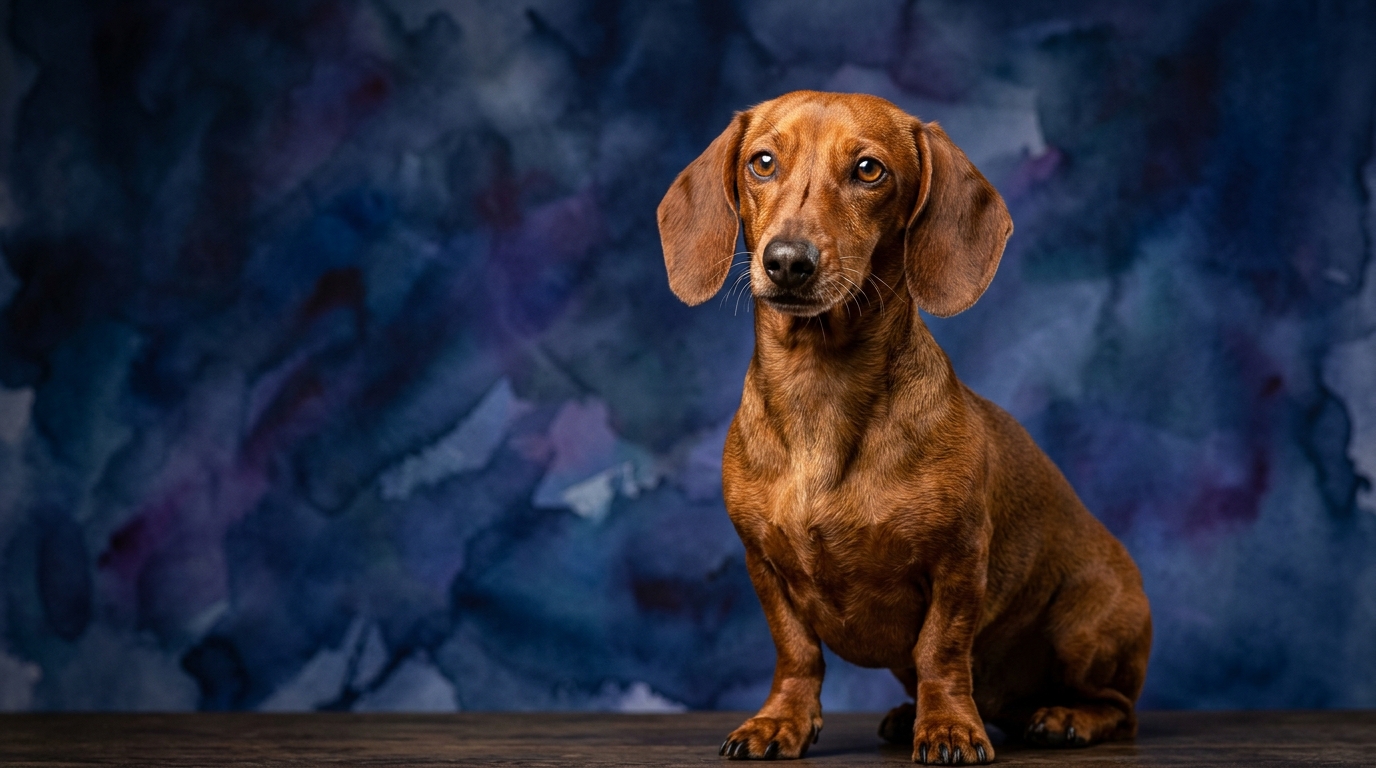
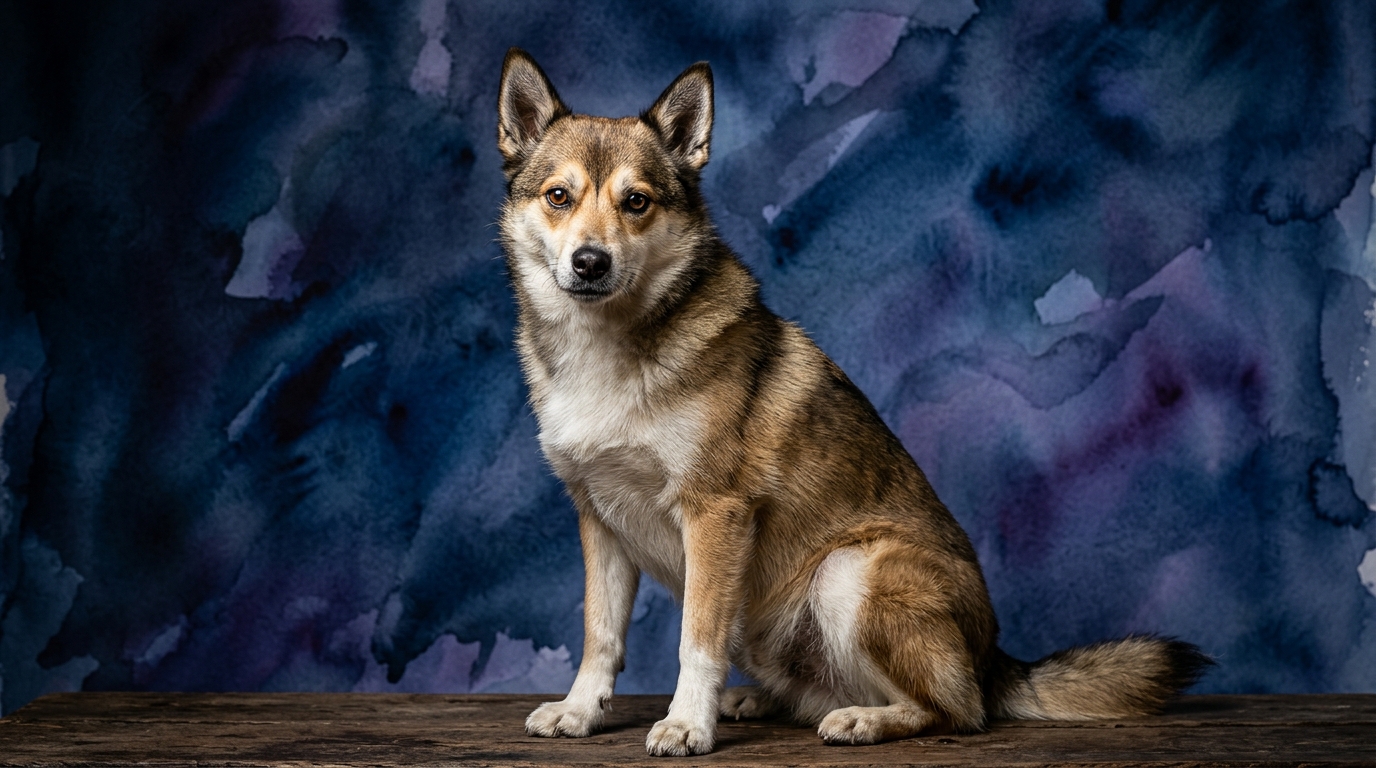
Side-by-Side IQ Profile: Dachshund vs. Norwegian Lundehund
The Cosmic Pet Pet IQ Lab provides a granular look into the cognitive architecture of these two captivating breeds. The Dachshund, a hound breed with a Coren rank of #49, presents a profile characterized by a robust Problem Solving score of 4/5, indicative of its capacity to navigate complex situations and strategize. Its Instinctive Drive stands at an impressive 5/5, reflecting its deep-seated predatory and tracking instincts, while its Social Intelligence and Memory both rate 3/5. However, its Training Speed is noted at 2/5, suggesting a more independent learning curve.
In contrast, the Norwegian Lundehund, a unique Non-Sporting breed not yet included in Coren's rankings, showcases a more evenly distributed cognitive profile. This breed scores 3/5 across Problem Solving, Training Speed, Social Intelligence, Instinctive Drive, and Memory. These consistent scores hint at a balanced mental makeup, potentially offering adaptability rather than extreme specialization in any single cognitive domain. Understanding these baseline scores is crucial for appreciating their respective cognitive approaches.
Where the Dachshund Excels Cognitively
The Dachshund's cognitive strengths are deeply rooted in its original purpose: flushing badgers and other den-dwelling animals. Its Problem Solving score of 4/5 reflects an impressive ability to independently assess situations and devise solutions, often without direct human guidance. This manifests as a determined persistence when faced with obstacles, whether it's figuring out how to reach a treat on a high shelf or tunneling under a fence.
Furthermore, the Dachshund's standout Instinctive Drive of 5/5 is a powerful cognitive asset. This isn't just about chasing squirrels; it's a profound, innate motivation that fuels its focus, scenting abilities, and unwavering commitment to a task once engaged. This drive, combined with its problem-solving acumen, makes the Dachshund exceptionally tenacious, capable of sustained mental effort when its instincts are piqued, making it a formidable little hunter in its historical context and a clever, if sometimes single-minded, companion today.
Where the Norwegian Lundehund Holds Its Own
While the Lundehund's scores are consistently at 3/5, this balance itself can be seen as a cognitive advantage, offering a more generalized adaptability compared to the Dachshund's specialized drive. Its history of hunting puffins on treacherous Norwegian cliffs required a dog that was agile both physically and mentally, capable of independent navigation and decision-making in highly variable environments, but without the singular, relentless focus of a badger dog. The Lundehund's moderate Problem Solving (3/5) indicates it can still figure things out, just perhaps with less single-minded intensity than a Dachshund.
Crucially, the Lundehund's Training Speed of 3/5, though moderate, is a relative win when compared to the Dachshund's 2/5. This suggests a slightly greater openness to instruction and a quicker grasp of new commands, making it potentially more amenable to structured learning environments. Its well-rounded scores across all cognitive dimensions imply a flexible intelligence, allowing it to adapt to diverse situations rather than being singularly driven by one strong instinct. This cognitive equilibrium would have been vital for surviving and thriving in its unique, challenging ancestral role.
Ease of Training: Dachshund vs. Norwegian Lundehund
When it comes to ease of training, the Norwegian Lundehund generally presents a more straightforward experience than the Dachshund. The Lundehund's Training Speed of 3/5, coupled with a moderate Instinctive Drive of 3/5, means it is typically more receptive to learning new commands and less likely to be sidetracked by its own intrinsic motivations. Their behavioral differences often show Lundehunds as curious and willing participants in training sessions, provided they are kept engaging and positive.
The Dachshund, with its Training Speed of 2/5 and a potent Instinctive Drive of 5/5, can be a more challenging student. Their deep-seated urge to follow a scent or pursue a perceived 'prey' often overrides human instruction, requiring immense patience, consistency, and creative motivation from their owners. While capable of learning, their problem-solving ability often extends to finding loopholes in training, and their strong-willed nature means they require an owner who understands how to channel their tenacious spirit rather than trying to suppress it entirely.
Suitability for Active vs. Relaxed Owners
The Dachshund, despite its small stature, demands an owner who is prepared for its significant cognitive and physical needs, suiting a moderately active owner who enjoys engaging with a clever, driven companion. Its high Instinctive Drive (5/5) means it requires outlets for its natural behaviors, such as supervised digging, scent work, or puzzle toys that challenge its 4/5 Problem Solving skills. A relaxed owner who expects a purely sedate lapdog might find the Dachshund's independent spirit and determined nature overwhelming, as boredom can lead to undesirable behaviors.
The Norwegian Lundehund, with its balanced 3/5 scores across the board, including Instinctive Drive, is an excellent fit for owners who appreciate a dog with moderate energy and an adaptable nature. Its agility and unique physical capabilities mean it enjoys varied activities, but it doesn't possess the relentless drive of a Dachshund. An active owner will appreciate its willingness to explore and participate in adventures, while a slightly more relaxed owner can still meet its needs with consistent walks, play, and mental stimulation, without having to contend with an overpowering innate hunting instinct.
The Verdict: When to Choose Each Breed
The choice between a Dachshund and a Norwegian Lundehund ultimately hinges on an owner's lifestyle, training philosophy, and appreciation for specific cognitive traits. Both breeds offer companionship and unique personalities, but their mental makeups steer them towards different ideal homes.
If you are drawn to a dog with intense focus, exceptional problem-solving skills for its size, and a tenacious spirit that thrives on channeling its deep-seated instincts, the Dachshund could be your perfect match. If you prefer a dog with a more balanced temperament, slightly higher trainability, and an adaptable intelligence that can fit into a wider range of activities without an overwhelming singular drive, the Norwegian Lundehund might be the ideal companion for your home.
The Verdict
Choose the Dachshund if you appreciate a tenacious, problem-solving companion with a powerful instinctive drive, and are prepared for consistent, patient training to channel its independent spirit. They thrive with owners who can provide ample mental engagement and respect their deep-seated working instincts.
Opt for the Norwegian Lundehund if you seek an adaptable, moderately active dog with balanced cognitive traits and a slightly more cooperative nature during training. They are well-suited for owners who enjoy varied activities and appreciate a dog that is agile both physically and mentally without extreme specialization.
🧠 Find Your Pet's IQ Score
Our Pet IQ Lab assessment covers 25+ tests across 5 cognitive dimensions — personalized to your breed.
Take the Full IQ Test →Frequently Asked Questions
Are Dachshunds difficult to train due to their intelligence?
Dachshunds are not 'difficult' because of a lack of intelligence; their challenge in training (Training Speed 2/5) stems from their high Instinctive Drive (5/5) and independent problem-solving (4/5). They often use their cleverness to pursue their own agendas, requiring very consistent, positive, and engaging training methods to succeed.
Do Norwegian Lundehunds require a lot of mental stimulation?
Norwegian Lundehunds, with their balanced cognitive profile (3/5 across the board), benefit from regular mental stimulation but typically don't demand the intense, specialized challenges a Dachshund might. Puzzle toys, training sessions, and varied environments keep their minds engaged, preventing boredom and promoting well-being.
Which breed is better for a first-time dog owner?
For a first-time dog owner, the Norwegian Lundehund might be a slightly more forgiving choice due to its higher Training Speed (3/5) and more moderate Instinctive Drive. The Dachshund's strong will and intense drives (2/5 Training Speed, 5/5 Instinctive Drive) can be more challenging for someone new to dog ownership, requiring a deeper understanding of breed-specific motivations.