Side-by-Side IQ Profile: Dachshund vs. Scottish Deerhound
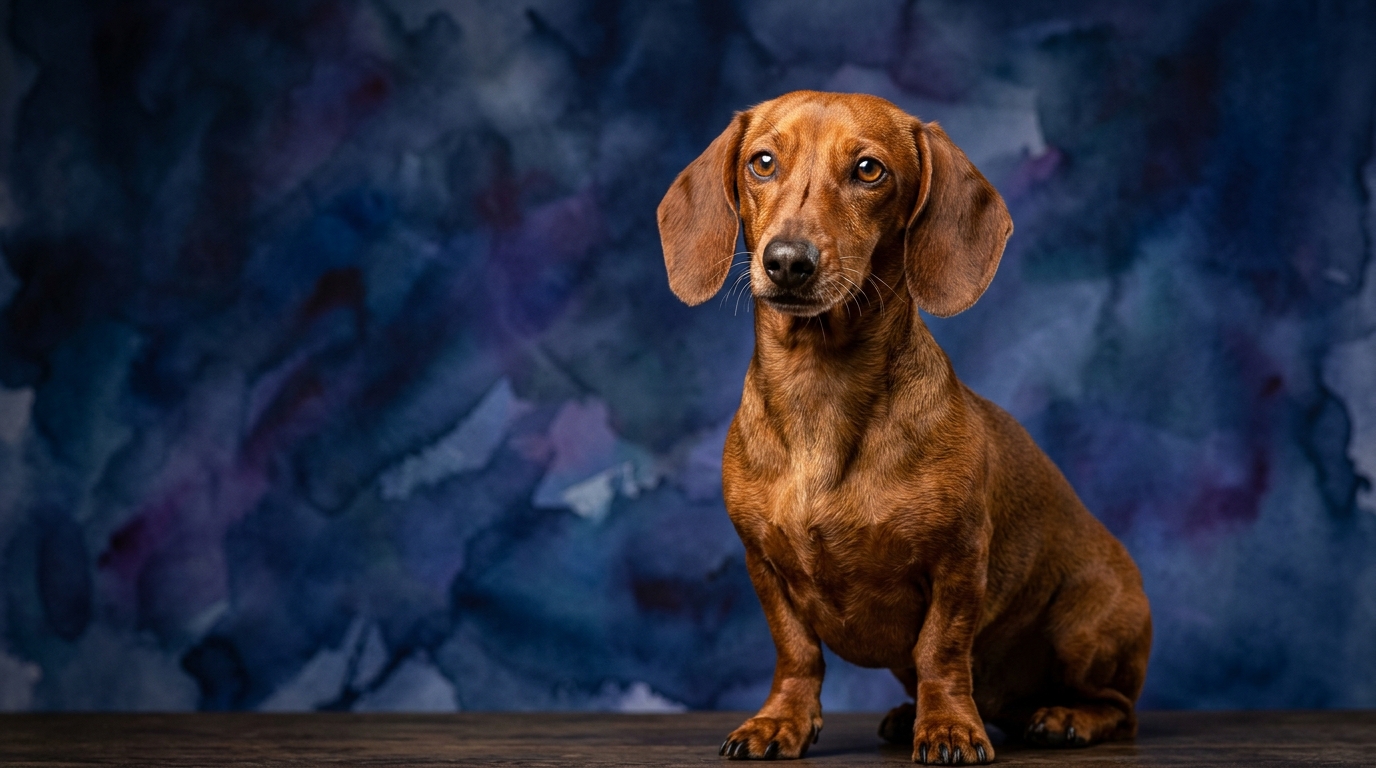
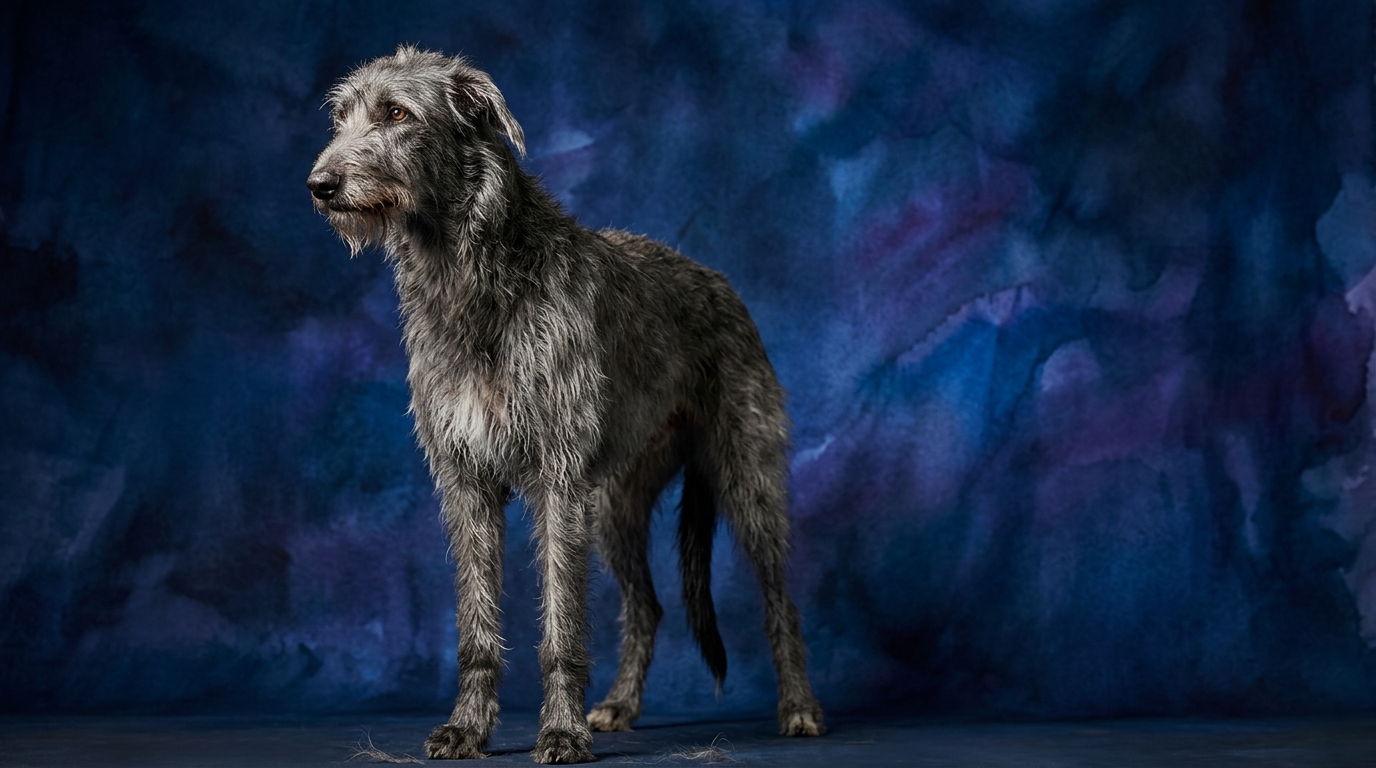
At first glance, the compact Dachshund and the towering Scottish Deerhound appear to inhabit entirely different canine worlds. Yet, as Hounds, both breeds possess a heritage steeped in tracking and pursuit, albeit with remarkably divergent cognitive blueprints. The Dachshund, notably ranked #49 in Coren's intelligence scale, presents a profile marked by intense focus and independent thought, while the Scottish Deerhound, though not Coren-ranked, showcases a more evenly distributed set of cognitive attributes.
The Dachshund's IQ profile features a Problem Solving score of 4/5, indicating a robust capacity for figuring things out, often with a clever, self-directed approach. However, its Training Speed is a modest 2/5, suggesting a need for persistent, patient methods during instruction. Social Intelligence stands at 3/5, reflecting an ability to connect with its chosen companions, yet often maintaining a degree of self-sufficiency. Its Instinctive Drive is a perfect 5/5, a testament to its deep-seated urge to scent, track, and burrow, defining much of its mental landscape. Memory, at 3/5, is adequate for retaining experiences and learned behaviors, particularly those aligned with its powerful instincts.
In contrast, the Scottish Deerhound exhibits a Problem Solving score of 3/5, indicating a solid, practical ability to navigate challenges without the same tenacious ingenuity seen in its smaller counterpart. Its Training Speed matches this at 3/5, suggesting a more agreeable and responsive learner. Social Intelligence also registers 3/5, highlighting a gentle, perceptive nature within its family unit, often expressed with quiet dignity. The Instinctive Drive for the Deerhound is 3/5, a moderate score that reflects its sighthound heritage of chasing prey over open ground, rather than the relentless, burrowing pursuit. Memory, like several other categories, is 3/5, allowing for effective retention of commands and routines, contributing to its generally calm demeanor.
Where the Dachshund Excels Cognitively
The Dachshund's cognitive strengths are deeply rooted in its original purpose: hunting badgers and other burrowing animals. Its impressive Problem Solving score of 4/5 is a direct reflection of this heritage, enabling it to independently strategize and overcome obstacles to achieve a goal. This manifests in daily life as a remarkable ability to outwit perceived barriers, whether it's figuring out how to open a 'secure' treat container, navigating complex furniture arrangements to reach a favored spot, or finding the weak point in a garden fence. This isn't just about simple curiosity; it's a sophisticated application of trial-and-error combined with an innate understanding of cause and effect, driven by its desires.
Complementing this problem-solving prowess is its unparalleled Instinctive Drive, scoring a perfect 5/5. This intense, unwavering focus on scent and pursuit is a cognitive powerhouse. When a Dachshund locks onto a scent, its mental world narrows dramatically, dedicating all its processing power to tracking. This drive provides immense motivation for tasks like scent work or earthdog trials, where their natural inclinations are celebrated. However, it also means that this powerful internal directive can frequently override external commands, making them seem 'stubborn' when, in reality, they are simply operating at peak performance within their primary cognitive framework. This drive is a fundamental aspect of their mental makeup, shaping their perceptions and reactions to the world around them.
Where the Scottish Deerhound Shines Cognitively
The Scottish Deerhound's cognitive advantages lie in its balanced, cooperative intellect, particularly evident in its Training Speed of 3/5, which surpasses the Dachshund's 2/5. While not possessing the same individualistic problem-solving tenacity, the Deerhound demonstrates a more amenable and straightforward approach to learning. This breed is generally more receptive to direction and less inclined to challenge authority, making the process of teaching basic obedience and household manners a more predictable and often quicker endeavor. Their moderate instinctive drive (3/5) means they are less likely to be completely consumed by a single-minded pursuit, allowing for better focus on human instruction.
Furthermore, the Deerhound's overall balanced cognitive profile contributes to its calm and dignified presence. Their moderate scores across problem-solving, social intelligence, instinctive drive, and memory mean they are less prone to the intense fixations or independent 'scheming' that can characterize other breeds. Instead, they offer a thoughtful and generally compliant companionship. Their intelligence is expressed through their ability to adapt smoothly to family routines, understand social cues without excessive demand for attention, and learn boundaries with a quiet grace. This cognitive harmony makes them wonderfully integrated family members, capable of understanding and responding to their environment in a measured and consistent manner.
Training Dynamics: Which is Easier to Guide?
When it comes to ease of training, the Scottish Deerhound generally offers a more straightforward experience than the Dachshund. The Deerhound's Training Speed of 3/5, coupled with its moderate Instinctive Drive (3/5), means it is typically more responsive to commands and more eager to please. They are often described as sensitive and gentle, responding well to positive reinforcement, clear expectations, and a calm approach. While they are sighthounds with an instinct to chase, this drive is generally manageable in a training context, allowing them to focus on learning rather than being solely driven by external stimuli. Consistency and patience are still vital, but Deerhounds tend to pick up new cues and routines at a reasonable pace.
The Dachshund, on the other hand, presents a more significant training challenge due to its lower Training Speed (2/5) and exceptionally high Instinctive Drive (5/5). Their powerful hunting instincts, particularly for scent and digging, mean they can be easily distracted and often prioritize their own 'work' over human commands. Their superior Problem Solving (4/5) can sometimes be turned against the trainer, as they cleverly figure out how to avoid unwanted tasks or manipulate situations to their advantage. House-training can be a particular hurdle for Dachshunds, as their independent nature and focus on scent can lead to them 'marking' or eliminating indoors if not diligently supervised and consistently reinforced. Training a Dachshund demands immense patience, unwavering consistency, and highly motivating rewards to capture and hold their attention against their powerful internal directives. Real behavioral differences include the Dachshund's tendency for selective hearing when a compelling scent is present, or their determination to dig even when told not to, making their training a marathon rather than a sprint.
Matching Canine Minds to Owner Lifestyles
Understanding the cognitive profiles of the Dachshund and Scottish Deerhound is key to determining which breed aligns best with an owner's lifestyle, whether active or more relaxed. For owners seeking a companion that thrives on specific forms of activity, both breeds present distinct needs. The Dachshund, with its tenacious Problem Solving (4/5) and overwhelming Instinctive Drive (5/5), requires owners who are actively engaged in providing mental challenges and outlets for their natural behaviors. This means regular opportunities for scent work, puzzle toys, earthdog sports, or even just creative games that allow them to 'hunt' for treats. While physically active, their short legs limit endurance, so 'active' for a Dachshund owner means being mentally stimulating and providing structured engagement rather than long, strenuous runs. They need an owner who can channel their cleverness and drive into productive, enriching activities.
The Scottish Deerhound, by contrast, suits owners who can provide opportunities for intense, albeit brief, physical exertion. As sighthounds, their moderate Instinctive Drive (3/5) is primarily expressed through a powerful urge to gallop across open spaces. They require access to a large, securely fenced area where they can stretch their long legs and run at full speed. Once they've had their exhilarating burst of activity, Deerhounds transition beautifully into a more relaxed, even sedate, state indoors. This makes them surprisingly suitable for owners who appreciate a calm, dignified presence in the home for most of the day, provided those essential, high-energy exercise needs are consistently met. They are not 'active' in the sense of needing constant mental puzzles or long hikes, but rather require specific, vigorous physical outlets. Neither breed is ideal for a truly 'relaxed' owner who prefers minimal engagement; both demand a thoughtful approach to their unique cognitive and physical needs.
The Verdict
Choose a Dachshund if you appreciate a tenacious, clever companion with a strong independent streak and are prepared to channel its intense instinctive drives and problem-solving abilities into productive, engaging outlets.
Choose a Scottish Deerhound if you seek a graceful, gentle companion that learns at a steady pace and thrives on regular opportunities for exhilarating runs, followed by a calm, dignified presence in the home.
🧠 Find Your Pet's IQ Score
Our Pet IQ Lab assessment covers 25+ tests across 5 cognitive dimensions — personalized to your breed.
Take the Full IQ Test →Frequently Asked Questions
Are Dachshunds more stubborn than Scottish Deerhounds?
Yes, Dachshunds tend to exhibit a higher degree of independence and tenacity, largely due to their intense instinctive drive (5/5) and independent problem-solving skills (4/5). This means they often prioritize their own agenda over human commands, requiring significant patience and creative motivation in training.
Which breed is easier to house-train?
The Scottish Deerhound generally proves easier to house-train due to its moderate training speed (3/5) and less overwhelming instinctive drive compared to the Dachshund. Dachshunds, with their strong drive and independent nature, can be more challenging and require consistent, diligent effort and management to establish reliable house-training habits.
Do Scottish Deerhounds need a lot of mental stimulation?
While Scottish Deerhounds have a solid problem-solving capacity (3/5) and moderate instinctive drive (3/5), their primary need is for physical outlets for their sighthound instincts. They benefit from mental engagement through training and moderate enrichment, but their cognitive demands are generally less intense and persistent than those of a Dachshund, who often require more structured mental challenges.