Side-by-Side Cognitive Profiles
The Cosmic Pet Pet IQ Lab employs a multi-dimensional approach to assess canine cognition, moving beyond simplistic measures to capture the nuanced mental makeup of each breed. For the Dachshund and Tibetan Spaniel, these profiles reveal both overlapping strengths and unique predispositions across five key areas.
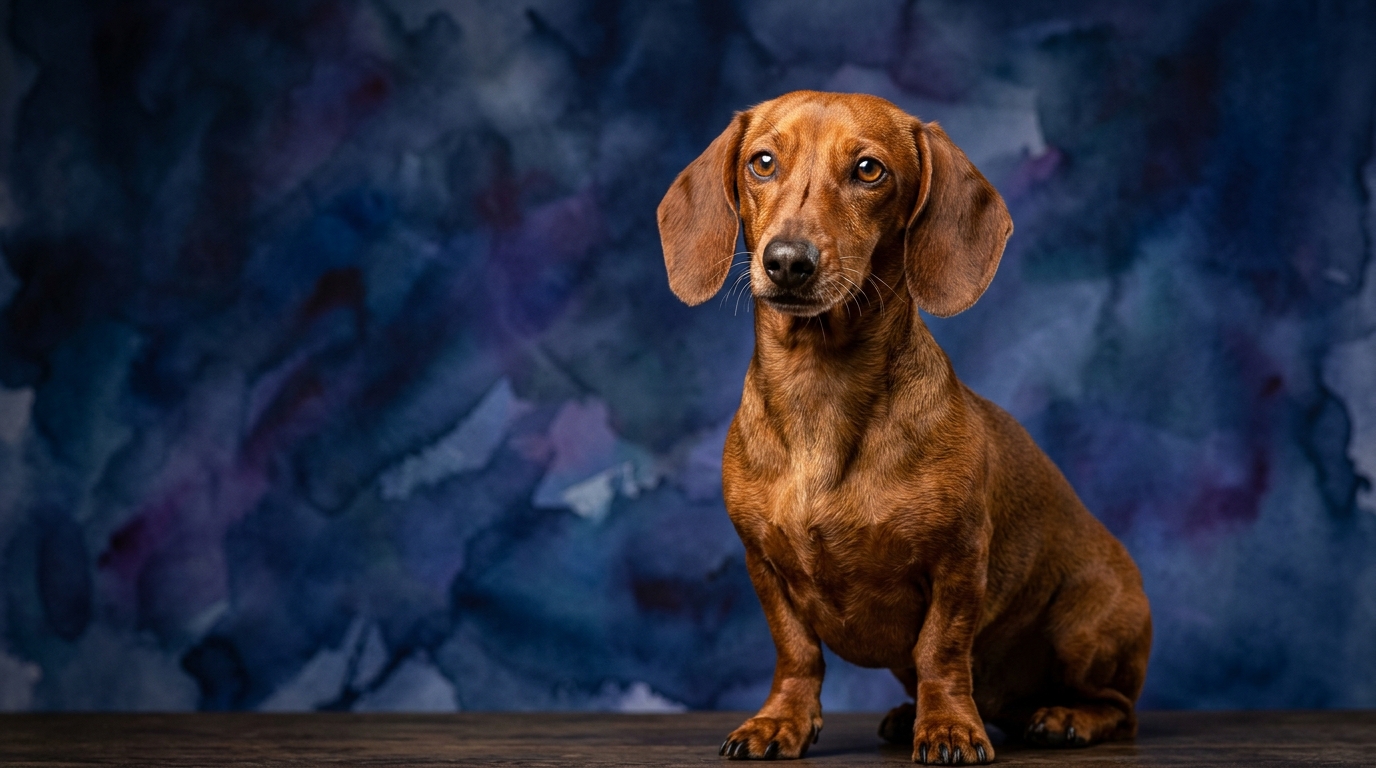
The Dachshund, originating as a tenacious badger hunter, exhibits a Problem Solving score of 4/5. This reflects their inherent ingenuity and persistence in overcoming obstacles, often devising clever strategies to reach a goal, much like their ancestors navigated complex burrows. Their Training Speed is rated 2/5, indicating a strong independent streak that can make consistent training require more patience and creative motivation. Social Intelligence stands at 3/5, suggesting they form strong bonds with their immediate family but can be reserved or selective with outsiders. A standout feature is their Instinctive Drive, scoring a perfect 5/5, which speaks to their powerful prey drive, scenting abilities, and unwavering focus on a task once engaged. Their Memory is rated 3/5, showing they retain learned information but may sometimes prioritize instinct over learned commands.
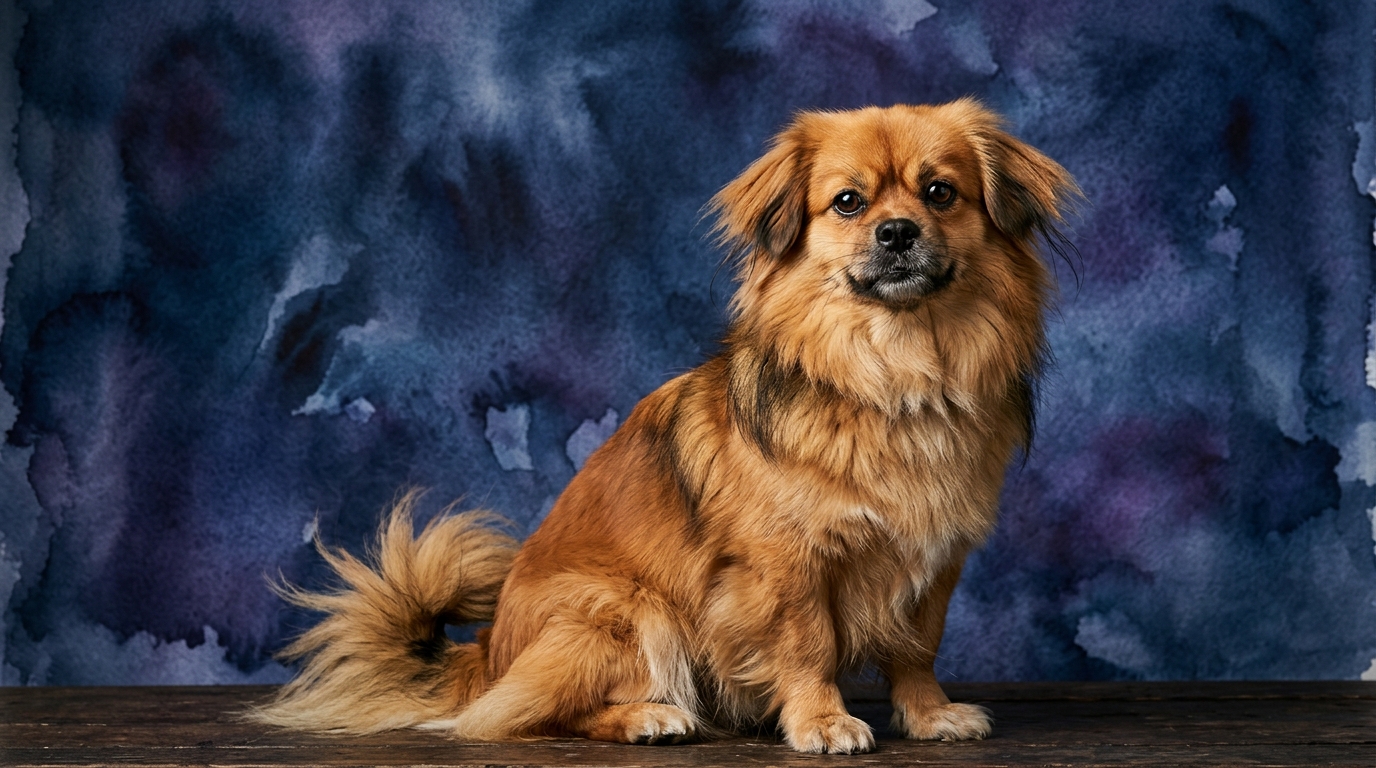
The Tibetan Spaniel, historically a companion and watchful sentinel in monasteries, presents a balanced cognitive profile. Their Problem Solving ability is rated 3/5, indicating they are capable learners who can navigate routine challenges but may not possess the same independent strategizing as a Dachshund. Their Training Speed is a moderate 3/5, signifying a willingness to learn and respond to guidance, though they can have moments of independent thought. Social Intelligence matches the Dachshund at 3/5; they are affectionate and dedicated to their chosen people but often reserved and observant around strangers. Their Instinctive Drive is also 3/5, showing a moderate level of natural behaviors, such as alertness and some territoriality, but without the intense, focused drive seen in a hunting breed. Memory for the Tibetan Spaniel is also 3/5, meaning they are capable of remembering commands and routines with consistent reinforcement.
Where the Dachshund Excels Cognitively
The Dachshund's cognitive strengths are deeply rooted in their original purpose. Their 4/5 Problem Solving score is a testament to their resourcefulness; a Dachshund will often experiment with different approaches to achieve a desired outcome, whether it's getting to a treat hidden under a cup or finding a way around a baby gate. This isn't just about simple learning, but about applying novel solutions to new situations, demonstrating a practical intelligence geared towards overcoming physical challenges.
Furthermore, their exceptional 5/5 Instinctive Drive gives them an unparalleled focus when their natural inclinations are engaged. This manifests as an unwavering determination to follow a scent trail, investigate a rustling sound, or 'dig' for perceived prey. While this can sometimes be challenging for owners, it's a profound cognitive strength reflecting deep-seated behavioral patterns and an intense engagement with their sensory world, making them incredibly persistent and single-minded when pursuing an interest.
Where the Tibetan Spaniel Shines Cognitively
The Tibetan Spaniel's cognitive advantages lie in their adaptability and balanced temperament, particularly evident in their Training Speed of 3/5. While not as rapid as some working breeds, this score indicates a receptive and cooperative learner who is generally eager to please their human companions. They often respond well to positive reinforcement and consistent methods, making the training process a more collaborative experience than with a breed possessing a stronger independent streak.
Their moderate 3/5 Instinctive Drive, compared to the Dachshund's intense 5/5, also contributes to their cognitive ease of integration into a companion role. This means they are less likely to be overwhelmed by powerful innate urges that might distract from learning or daily routines. Instead, their cognitive energy is more evenly distributed, allowing for a more consistent engagement with their environment and their people, fostering a steady and reliable learning pace.
Training Dynamics: Dachshund vs. Tibetan Spaniel
When it comes to training, the core difference lies in their respective Training Speed scores: 2/5 for the Dachshund versus 3/5 for the Tibetan Spaniel. The Dachshund's lower score doesn't imply a lack of mental capacity, but rather a strong-willed nature that often prioritizes self-interest or instinct over human directives. Their problem-solving acumen can sometimes be directed towards outsmarting their trainer, requiring immense patience, creativity, and unwavering consistency to establish desired behaviors. They understand what you want, but whether they *choose* to comply depends on their motivation and perceived benefit, a behavioral trait linked to their independent hunting heritage.
The Tibetan Spaniel, with its 3/5 Training Speed, generally presents a more amenable student. They possess a greater intrinsic desire to cooperate and please their owners, making them more responsive to commands and less prone to stubborn resistance. While they can still have a 'Tibbie willfulness,' it's typically less pronounced than the Dachshund's determined independence. Their history as companions means they are often more attuned to human social cues and desire for interaction, which can accelerate the learning process when positive reinforcement is consistently applied. This difference means that while both breeds can learn, the path to proficiency will likely be smoother and less challenging with a Tibetan Spaniel.
Matching Breeds to Lifestyles: Active vs. Relaxed Owners
The cognitive profiles of these breeds offer clear indicators for owner suitability regarding lifestyle. The Dachshund, with its 5/5 Instinctive Drive and 4/5 Problem Solving, thrives with owners who appreciate and can channel their intense curiosity and drive. These are not 'couch potatoes' in the traditional sense; they require mental engagement and opportunities to 'hunt' (even if it's just for treats in a puzzle toy) and explore. Active owners who enjoy outdoor adventures, are prepared for consistent training challenges, and can manage a strong prey drive will find a rewarding companion in a Dachshund. They suit those who enjoy engaging a dog's independent spirit and providing outlets for their substantial mental energy.
The Tibetan Spaniel, conversely, with its more moderate 3/5 scores across Problem Solving, Training Speed, and Instinctive Drive, is an excellent match for more relaxed owners seeking a devoted and adaptable companion. While they still enjoy walks and play, their need for intense physical or mental 'work' is less pronounced. Owners who prefer a calmer home environment, appreciate a dog that is content to observe and be close, and are looking for a loyal presence rather than a working partner will find the Tibetan Spaniel's balanced cognitive traits align well with their lifestyle. Their social intelligence and moderate drive make them comfortable in various domestic settings, providing a steady and affectionate presence without demanding constant high-level stimulation.
The Verdict
Choose the Dachshund if you are an owner who enjoys a dog with a formidable independent spirit, relishes the challenge of channeling a powerful instinctive drive, and appreciates a clever problem-solver.
Opt for the Tibetan Spaniel if you seek a more amenable and adaptable companion, valuing a dog with a balanced cognitive profile that thrives on close companionship and a calmer, consistent routine.
🧠 Find Your Pet's IQ Score
Our Pet IQ Lab assessment covers 25+ tests across 5 cognitive dimensions — personalized to your breed.
Take the Full IQ Test →Frequently Asked Questions
Are Dachshunds difficult to train due to their independence?
Dachshunds can be challenging to train due to their 2/5 Training Speed and strong independent nature. They understand commands but often weigh their own desires, requiring consistent, positive, and patient training methods to achieve compliance.
Do Tibetan Spaniels have a strong prey drive like Dachshunds?
No, Tibetan Spaniels have a moderate Instinctive Drive of 3/5, significantly less intense than the Dachshund's 5/5. While they may chase small animals, it's not the same focused, persistent drive seen in a hunting hound.
Which breed is better for apartment living based on their cognitive needs?
The Tibetan Spaniel's moderate drives and adaptability make them generally better suited for apartment living, as they require less intense mental and physical stimulation. While Dachshunds can adapt, their strong instinctive drives necessitate creative outlets and consistent mental engagement to prevent boredom in smaller spaces.