Side-by-Side Cognitive Profiles
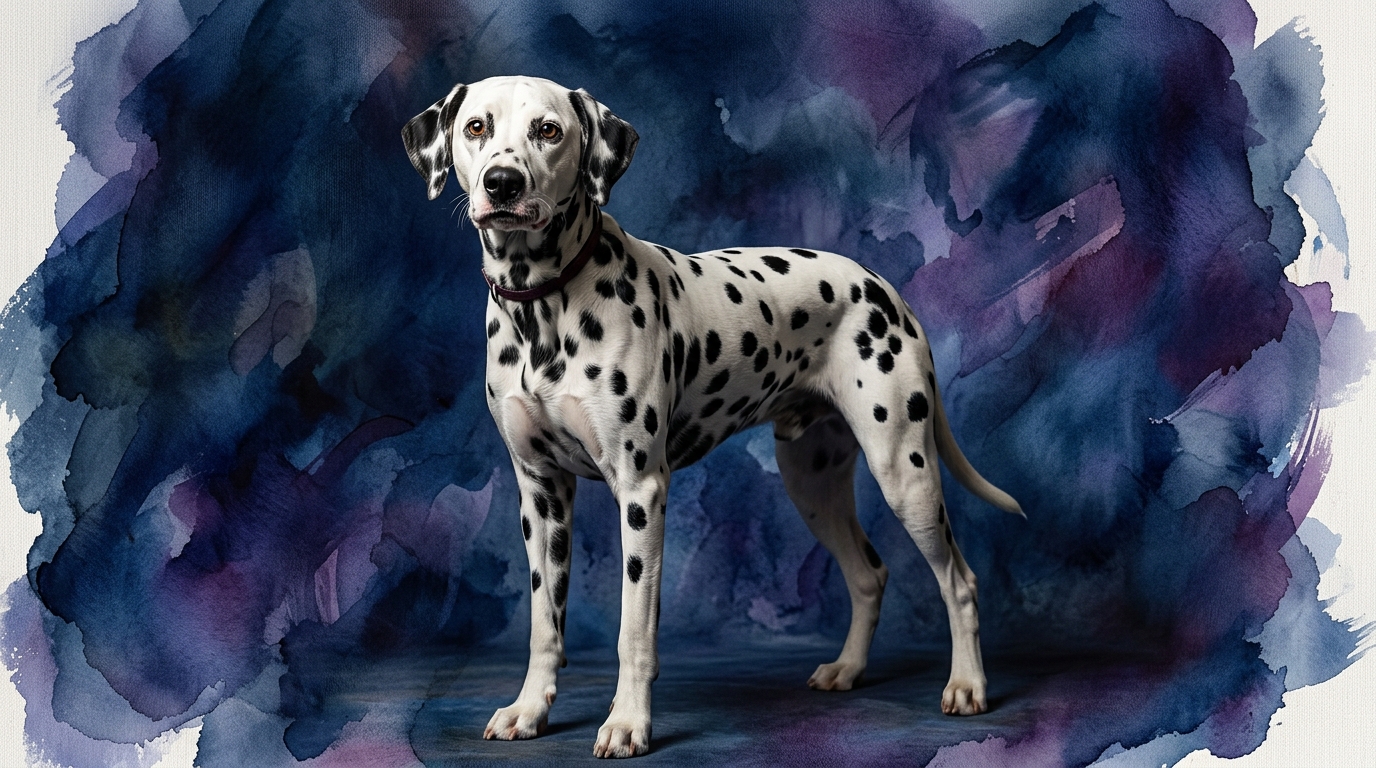
To truly appreciate the cognitive strengths of the Dalmatian and the Great Pyrenees, we must look beyond a single metric and examine their intellectual profiles across five key dimensions. The Dalmatian, a Non-Sporting breed, holds a Coren rank of #39, indicating a good capacity for working and obedience-oriented tasks. Its Problem Solving is rated 3/5, suggesting a moderate ability to navigate novel situations or overcome obstacles, often with handler guidance. Training Speed is also 3/5, meaning they grasp new commands and routines at a reasonable pace, typically requiring consistent, engaging sessions. Where Dalmatians truly shine is in Social Intelligence, scoring 4/5; they are highly attuned to human cues, emotions, and communication, making them responsive and cooperative companions. Their Instinctive Drive, also 4/5, points to a strong internal motivation for activity, endurance, and engagement, often related to their historical role as carriage dogs. Finally, their Memory at 4/5 indicates an excellent capacity to retain learned behaviors and past experiences, contributing significantly to their overall trainability.
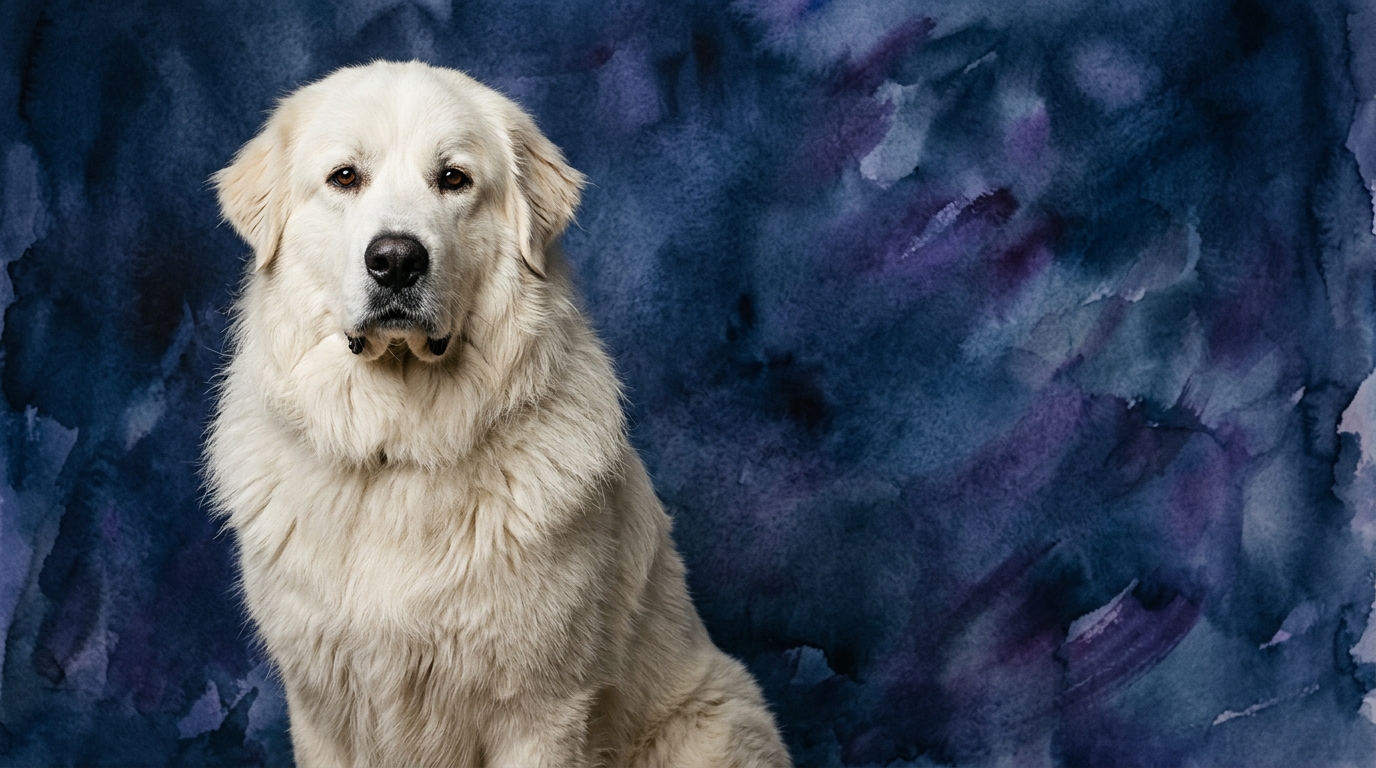
The Great Pyrenees, a Working breed, is ranked #64 by Coren, placing it lower in traditional obedience-focused intelligence but highlighting its distinct, independent cognitive strengths. Its Problem Solving is rated 3/5, similar to the Dalmatian, but this manifests differently, often involving autonomous assessment of environmental threats rather than human-directed puzzles. Training Speed is likewise 3/5, meaning they can learn, but their independent streak often dictates their willingness to comply. Their Social Intelligence is 3/5; while they understand social cues, their engagement is often filtered through their primary role as guardians, making them more reserved and less overtly cooperative than some breeds. The Instinctive Drive for a Great Pyrenees is 3/5, primarily focused on vigilance, territorial protection, and flock guardianship, rather than high-energy activities. Their Memory is rated 3/5, allowing them to recall commands and experiences, though their application of this memory is often weighed against their independent judgment and inherent purpose.
Where Dalmatians Exhibit Cognitive Advantages
Dalmatians frequently demonstrate cognitive advantages in areas requiring active, cooperative participation with a human handler. Their higher Coren rank (#39) broadly reflects a greater propensity for obedience and working intelligence, meaning they generally respond more readily to structured commands and enjoy engaging in tasks alongside their owners. The most notable difference lies in their Social Intelligence, rated 4/5 compared to the Great Pyrenees' 3/5. This enhanced social attunement means Dalmatians are typically more adept at reading human body language, vocal tones, and intentions, fostering a stronger partnership in training and daily interactions. They are more inclined to seek out and respond to human direction, making them excellent candidates for activities that demand close teamwork.
Furthermore, the Dalmatian's Instinctive Drive (4/5) is well-suited for channeling into diverse human-directed activities. This drive, rooted in their historical role as carriage dogs, translates into a natural inclination for endurance, sustained activity, and a willingness to perform. When combined with their superior Memory (4/5), Dalmatians excel at retaining complex sequences of commands and performing consistently over time. This cognitive pairing makes them particularly adept at dog sports like agility, obedience trials, or even intricate trick training, where remembering multi-step routines and executing them with precision is paramount. Their problem-solving skills, while moderate, are often applied within a framework of cooperation, allowing them to figure out tasks that lead to a reward or positive interaction with their owner.
Where Great Pyrenees Exhibit Cognitive Advantages
The cognitive strengths of the Great Pyrenees are less about eager compliance and more about autonomous decision-making, deeply rooted in their heritage as livestock guardians. While their Coren rank is lower (#64), this does not signify a lack of intellect, but rather a specialized form of intelligence geared towards independent thought and action. Their Problem Solving, rated 3/5, manifests as an acute ability to assess environmental situations, identify potential threats, and determine appropriate responses without constant human prompting. This is a critical distinction; a Pyrenees often solves problems related to security and safety through quiet observation and measured, self-reliant action, rather than through performing a learned sequence of steps for a reward.
The Great Pyrenees' Instinctive Drive (3/5) is entirely focused on vigilance and protection. This translates into a highly developed cognitive capacity for situational awareness, territorial scanning, and discerning friend from foe. They possess an innate ability to process complex environmental stimuli and make judgments that serve their guardian role, often with remarkable calm and deliberation. Their Social Intelligence (3/5), while not as geared towards human-centric cooperation, is exceptionally strong in understanding the dynamics of their 'flock' – be it livestock or family – identifying outsiders, and discerning intentions. This allows them to act as discerning protectors, relying on their own assessment of a situation rather than waiting for a direct command. Essentially, the Great Pyrenees excels in complex, unsupervised scenarios where independent judgment and protective instincts are paramount, demonstrating a form of cognitive strength that prioritizes autonomous, measured guardianship over speed or eager compliance.
Training Ease: Dalmatian vs. Great Pyrenees
When it comes to training, the Dalmatian generally presents a more straightforward experience for most owners. Their higher Social Intelligence (4/5) means they are typically more motivated by human interaction and praise, making them eager to engage in training sessions. Coupled with their strong Memory (4/5), they retain commands and routines effectively, leading to more consistent performance. Their Instinctive Drive (4/5) can be harnessed to keep them focused and engaged in learning, especially if training involves physical activity or puzzle-solving. However, their energy levels demand that training be consistent, varied, and stimulating to prevent boredom and the development of less desirable behaviors. Positive reinforcement methods work exceptionally well, building on their desire to cooperate and please their handler.
The Great Pyrenees, by contrast, often proves more challenging to train due to its inherent independence and guardian mindset. While they are capable of learning (Training Speed 3/5), their willingness to execute a command often depends on their own assessment of its necessity or relevance to their primary role. They are not unintelligent, but rather discerning and self-willed; a Pyrenees might understand a command perfectly but choose not to comply if it conflicts with their perceived duty or makes no sense to them. Their Social Intelligence (3/5) is less about eager obedience and more about protective discernment. Training a Great Pyrenees requires immense patience, unwavering consistency, and a deep understanding of their unique motivations. Forceful methods are counterproductive; instead, success comes from building a strong, trusting relationship and convincing them that compliance is a worthwhile endeavor, often by appealing to their protective instincts or providing clear, low-pressure guidance.
Matching Breeds to Lifestyles: Active vs. Relaxed Owners
For active owners seeking a dynamic, engaged canine partner, the Dalmatian is often the more suitable choice. Their high Instinctive Drive (4/5) for activity and endurance makes them ideal companions for running, hiking, cycling, or participating in dog sports like agility and flyball. These dogs thrive on consistent physical and mental stimulation, which aligns perfectly with an owner who enjoys an energetic, outdoor lifestyle. Their moderate Problem Solving (3/5) and Training Speed (3/5), combined with their strong Memory and Social Intelligence, mean they will eagerly engage in structured activities and learn complex routines, provided their owners are committed to providing regular, stimulating outlets for their energy. A Dalmatian needs an owner who can keep pace with their zest for life and channel it constructively.
Conversely, the Great Pyrenees is generally better suited for more relaxed owners who appreciate a calm, watchful presence. While they require regular exercise, their Instinctive Drive (3/5) is less about constant high-intensity activity and more about patrolling, observing, and guarding their territory. They are often content with a secure, spacious yard to survey, preferring a quiet, steady pace over frantic action. Their independent nature means they don't constantly demand human interaction for entertainment, making them a good fit for owners who enjoy a more self-sufficient companion. They still benefit from daily walks and gentle mental stimulation, such as scent work or opportunities to observe their surroundings, but they do not possess the same tireless 'go-go-go' mentality as a Dalmatian. Owners who appreciate a dog with a strong sense of purpose and a serene demeanor will find a Great Pyrenees a fulfilling companion.
The Verdict
Choose a Dalmatian if you seek an engaged, cooperative partner for active pursuits and enjoy consistent, structured training that leverages their social attunement and excellent memory.
Choose a Great Pyrenees if you value an independent, watchful companion who excels at autonomous decision-making and territorial guardianship, and you are prepared for a training journey that respects their self-willed nature.
🧠 Find Your Pet's IQ Score
Our Pet IQ Lab assessment covers 25+ tests across 5 cognitive dimensions — personalized to your breed.
Take the Full IQ Test →Frequently Asked Questions
Is a Dalmatian or Great Pyrenees better for first-time dog owners?
Dalmatians might be a better fit for first-time owners willing to commit to consistent training and exercise, given their cooperativeness and responsiveness. Great Pyrenees, with their independent and sometimes stubborn nature, often require an owner experienced in patient, guardian-breed specific training.
Do Dalmatians and Great Pyrenees get along with other pets?
Dalmatians, with their higher social intelligence, can generally coexist well with other pets, especially if socialized early and properly. Great Pyrenees, while tolerant of their 'flock,' may be more discerning with unfamiliar animals due to their guarding instincts, requiring careful introductions and supervision.
What kind of mental stimulation do these breeds need?
Dalmatians thrive on puzzle toys, obedience training, and learning new tricks that engage their memory and problem-solving skills in cooperation with their owner. Great Pyrenees benefit from tasks that allow them to survey their environment, such as a secure yard, and gentle scent work, appealing to their observational and independent problem-solving traits.