Side-by-Side Cognitive Profiles
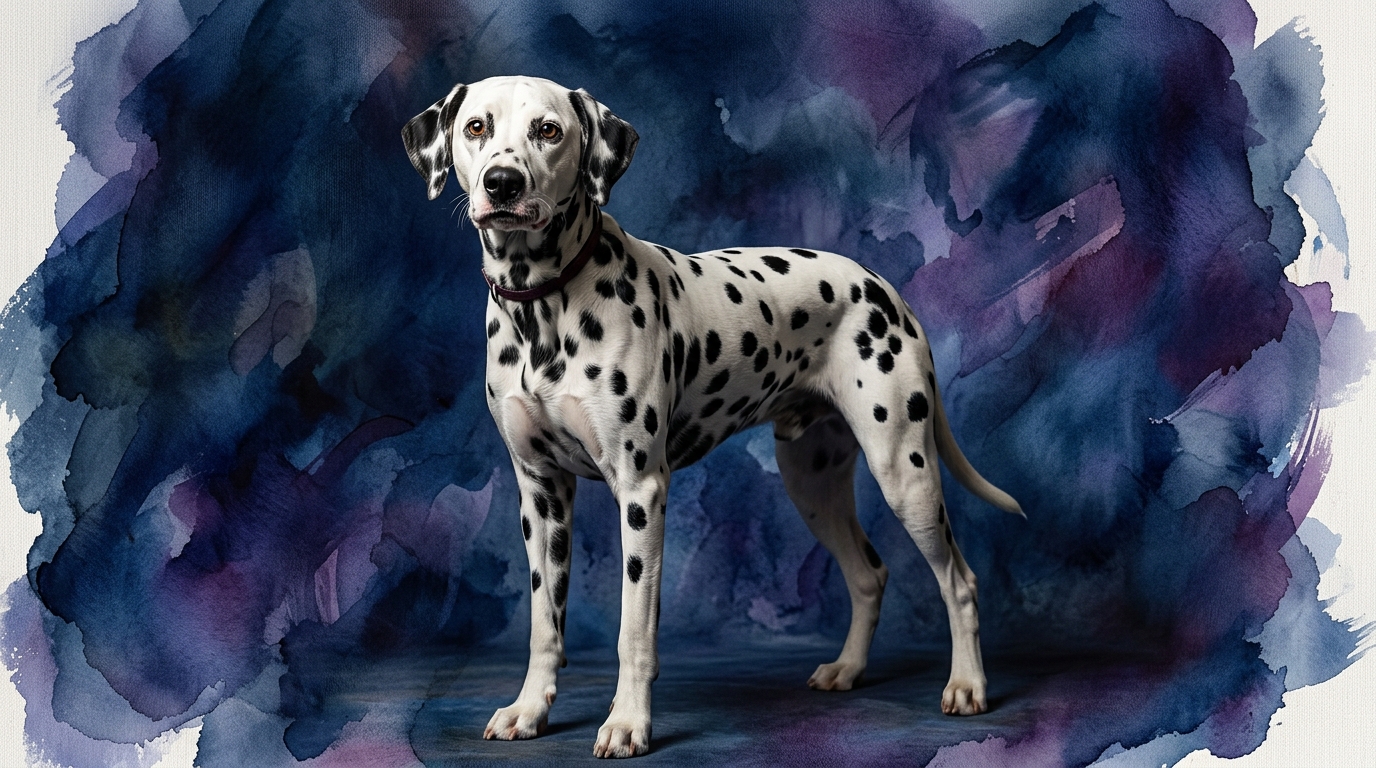
The Cosmic Pet Pet IQ Lab provides a detailed lens through which to examine the cognitive strengths of these two distinct breeds. For the Dalmatian, classified in the Non-Sporting group and ranked #39 by Coren, its profile shows balanced abilities with particular strengths in social and instinctive domains. Its Problem Solving is rated 3/5, indicating a capacity for navigating novel situations and learning through experience, but not necessarily an inclination to constantly invent new solutions. Training Speed also sits at 3/5, suggesting a moderate pace of learning new commands and routines, requiring consistent and engaging methods to maintain focus. Where the Dalmatian truly stands out is in its Social Intelligence at 4/5, reflecting a keen awareness of human cues and emotional states, making it responsive to its family's dynamics. Its Instinctive Drive is a robust 4/5, hinting at a strong internal motivation for activity and purpose, likely linked to its historical role as a carriage dog. Finally, Memory is also a strong 4/5, enabling it to retain learned behaviors and associations over time, which is beneficial for complex routines or recall.
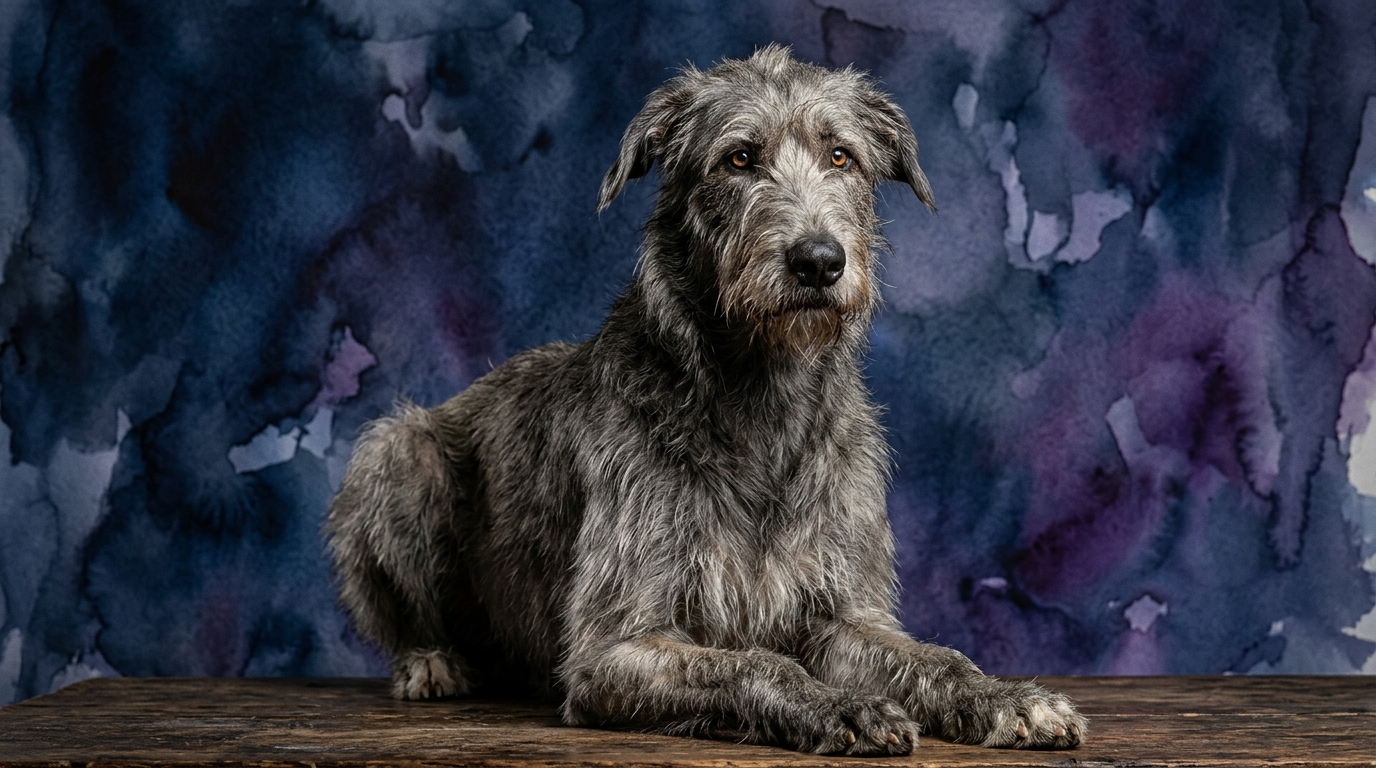
The Irish Wolfhound, a member of the Hound group and not Coren-ranked, presents a more uniformly consistent cognitive profile, with all five dimensions rated at 3/5. Its Problem Solving at 3/5 means it possesses practical intelligence, capable of figuring out solutions to immediate environmental challenges without excessive complexity. Similarly, a Training Speed of 3/5 suggests it learns at a steady, deliberate pace, responding well to patient, positive reinforcement. Its Social Intelligence at 3/5 indicates a pleasant and generally agreeable nature, capable of forming strong bonds, though perhaps not with the same nuanced interpretation of human emotions as some breeds. The Instinctive Drive at 3/5 points to a well-defined but not overwhelming internal motivation, fitting for a breed historically bred for sight hunting large game, requiring bursts of intense focus rather than sustained, high-energy output. A Memory score of 3/5 means it retains information adequately, capable of remembering commands and routines, but might require more frequent refreshers for less common tasks than a breed with higher recall.
Where the Dalmatian Excels Cognitively
The Dalmatian’s cognitive profile shows distinct advantages in areas that foster deep human-animal bonds and adaptability. With a Social Intelligence score of 4/5, Dalmatians often demonstrate a superior ability to read and respond to human emotions and intentions. This manifests as a sensitivity to their family's moods, a responsiveness to subtle cues, and a general desire to be integrated into household activities, making them highly attuned companions. They are often quick to understand social hierarchies and expectations within a family unit, which can contribute to smoother integration and fewer misunderstandings.
Furthermore, the Dalmatian’s Memory and Instinctive Drive, both rated at 4/5, work in tandem to give it a cognitive edge. A strong memory means Dalmatians are less likely to forget learned commands or routines, even after a period of inactivity, making recall and complex sequences more reliable. This high instinctive drive, historically linked to their endurance as carriage dogs, translates into a robust internal motivation for engagement and purpose. While this can sometimes be mistaken for stubbornness, it's actually a cognitive strength that, when channeled through structured activities and consistent training, allows them to excel in pursuits requiring sustained focus and repetition, such as agility or obedience work. Their drive ensures they are often ready and willing to participate, provided the activity sparks their interest and fulfills their need for engagement.
Where the Irish Wolfhound's Cognition Shines
While the Irish Wolfhound's cognitive scores are consistently rated at 3/5, this uniform profile speaks to a reliable and steady mental demeanor that can be a distinct advantage in certain contexts. Their Problem Solving at 3/5 indicates a practical and measured approach to new situations. Unlike breeds that might overthink or become overly stimulated by novel challenges, Wolfhounds tend to assess and respond with a calm, deliberate method. This means they are less prone to impulsive decisions and more likely to consider the most straightforward path, making them dependable in predictable environments.
The Irish Wolfhound’s consistent 3/5 across all categories also highlights a balanced and generally unflappable temperament, a cognitive trait that translates into remarkable emotional stability. Their Instinctive Drive, while not as high as the Dalmatian's, is perfectly suited to their historical role: bursts of focused pursuit rather than sustained, high-intensity work. This means they are often content with periods of rest and observation, punctuated by activity, making them less prone to constant demands for stimulation. Their Social Intelligence at 3/5 suggests a gentle and affectionate nature without being overly demanding or hyper-sensitive to every subtle human cue, fostering a relaxed and uncomplicated companionship. This cognitive steadiness allows them to be wonderfully present and calm companions, offering a sense of peace and quiet strength to their surroundings.
Training: Dalmatians vs. Irish Wolfhounds
When it comes to training, both breeds share a Training Speed score of 3/5, suggesting a moderate learning pace. However, their differing scores in Social Intelligence, Instinctive Drive, and Memory create distinct training experiences. The Dalmatian's 4/5 Social Intelligence gives it an edge in understanding what its human wants, often picking up on subtle body language and vocal inflections. This responsiveness can make initial training sessions feel more fluid, as they are often eager to please and connect. Their 4/5 Memory means that once a command is learned, it tends to stick, reducing the need for constant reteaching.
Conversely, the Dalmatian's high Instinctive Drive (4/5) can present a double-edged sword during training. While it provides a strong internal motivation for engagement, it also means Dalmatians require consistent mental and physical outlets to prevent boredom or destructive behaviors. Without proper channeling, this drive can manifest as distraction or a tendency to follow their own impulses. Irish Wolfhounds, with their 3/5 scores across the board, offer a more consistent, albeit potentially slower, training journey. Their lower Instinctive Drive (3/5) means they are generally less prone to high-energy antics or intense focus on external stimuli, making them easier to manage in varied environments. While they might not grasp concepts as quickly as a highly socially intelligent breed, their steady nature and adequate memory (3/5) ensure that with patient, consistent, and positive reinforcement, they will reliably learn and retain commands. Their training is often about gentle persuasion and building trust, rather than channeling intense energy.
Matching Breeds to Lifestyles: Active vs. Relaxed Owners
The cognitive profiles of these two breeds offer clear guidance for prospective owners considering their lifestyle. The Dalmatian, with its robust 4/5 Instinctive Drive and 4/5 Memory, is better suited for active owners or those willing to commit significant time to structured activities. Their historical role as carriage dogs means they possess considerable stamina and a need for purpose. This translates to a requirement for regular, vigorous exercise and mental stimulation to keep their minds engaged and prevent boredom-related issues. Owners who enjoy dog sports, long runs, or consistent training sessions will find a Dalmatian a willing and able partner. Their higher Social Intelligence also means they thrive on being an integral part of family activities, desiring constant interaction and engagement.
The Irish Wolfhound, with its consistent 3/5 scores across all cognitive dimensions, aligns more closely with relaxed owners who appreciate a calm, dignified presence. While they are large dogs and require daily walks to maintain physical health, their Instinctive Drive of 3/5 means they are generally less demanding of constant, high-intensity activity than a Dalmatian. They are often described as 'gentle giants' who are content to lounge by their owner's side after a moderate stroll. Their practical Problem Solving and steady Training Speed suggest they adapt well to a predictable routine without requiring constant novelty or complex challenges. Owners who value a serene companion and are prepared for a large, yet often mellow, presence will find the Irish Wolfhound a perfect fit, offering quiet companionship rather than high-octane participation.
The Verdict
Choose the Dalmatian if you are an active owner seeking a responsive, engaged companion eager for consistent mental and physical challenges, thriving on a strong social bond and purpose-driven activities.
Opt for the Irish Wolfhound if you are a relaxed owner desiring a calm, dignified, and reliably steady companion, content with moderate activity and a deep, uncomplicated bond within a predictable home environment.
🧠 Find Your Pet's IQ Score
Our Pet IQ Lab assessment covers 25+ tests across 5 cognitive dimensions — personalized to your breed.
Take the Full IQ Test →Frequently Asked Questions
Which breed is better for first-time dog owners?
Given the Dalmatian's higher instinctive drive and need for consistent engagement, the Irish Wolfhound's more consistent and generally calmer cognitive profile at 3/5 across the board might be a slightly more forgiving choice for first-time owners who can manage its size, provided they are prepared for a steady, patient approach to training and socialization.
Do Dalmatians or Irish Wolfhounds require more mental stimulation?
Dalmatians, with their 4/5 instinctive drive and memory, typically require more consistent and varied mental stimulation to prevent boredom and channel their energy productively. Irish Wolfhounds, with their 3/5 scores, benefit from mental engagement but are generally less demanding of constant novelty, often content with predictable routines and moderate challenges.
How do their social intelligence scores impact family life?
The Dalmatian's 4/5 social intelligence means it's often highly attuned to family dynamics, eager to participate and sensitive to moods, which can foster deep, interactive bonds. The Irish Wolfhound's 3/5 social intelligence indicates a gentle, agreeable nature, forming strong, affectionate bonds without the same level of intense emotional interpretation or constant need for interaction, making them a calm and steady family presence.