Side-by-Side IQ Profile: Dalmatians vs. Norwegian Elkhounds
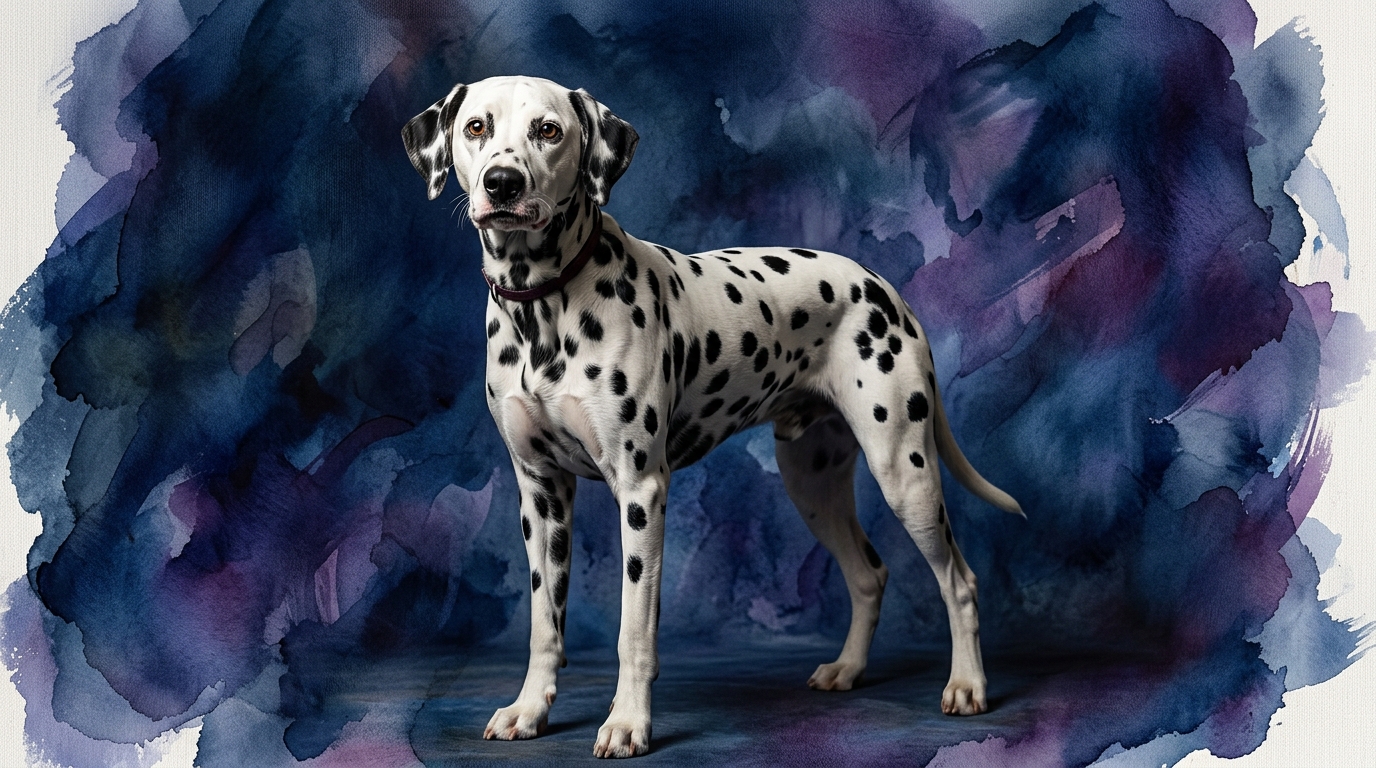
The Dalmatian, a Non-Sporting breed with a Coren rank of #39, presents a cognitive profile built on social engagement and endurance. Their Problem Solving is rated 3/5, suggesting they can navigate challenges but often benefit from clear guidance, while a 3/5 Training Speed indicates they learn steadily, requiring consistent, positive reinforcement. A strong 4/5 in Social Intelligence means they are exceptionally adept at reading human emotions and social cues, fostering deep bonds. Their Instinctive Drive, also 4/5, is rooted in their historical role as carriage dogs, demanding outlets for stamina and vigilance, and their 4/5 Memory ensures effective retention of commands and experiences.
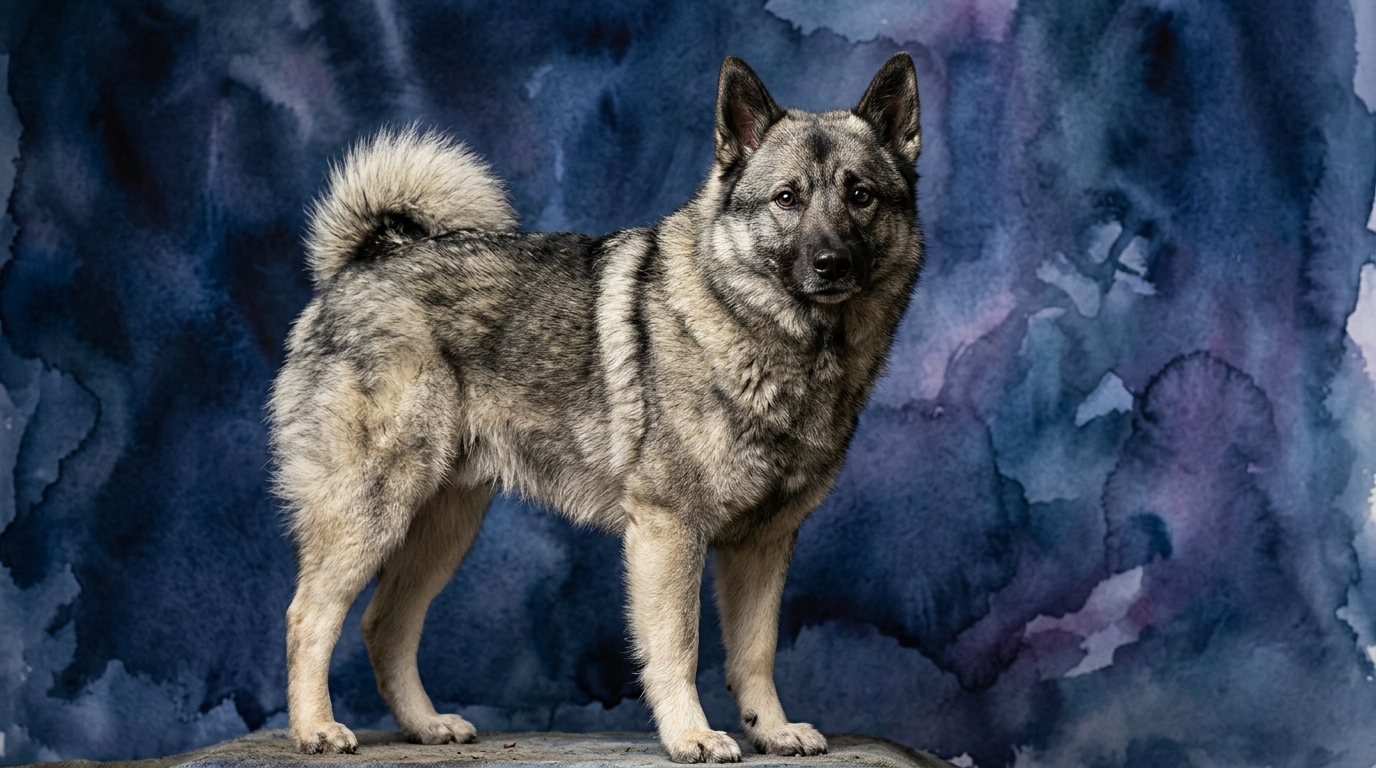
In contrast, the Norwegian Elkhound, a Hound breed with a Coren rank of #36, showcases a more independent and strategic mind. Their 4/5 Problem Solving capability highlights an aptitude for independent thought and strategic navigation, reflecting their hunting heritage, supported by a 4/5 Training Speed indicating a quicker grasp of commands when properly motivated. Social Intelligence at 3/5 suggests they are capable of bonding but may exhibit a more independent or reserved social demeanor compared to the Dalmatian. An Instinctive Drive of 3/5 points to a focused prey drive for tracking, less broadly applied than the Dalmatian's endurance, and their 4/5 Memory ensures consistent recall of learned behaviors and spatial awareness.
Where the Dalmatian Wins Cognitively
The Dalmatian truly shines in the realm of social intelligence, scoring 4/5 compared to the Elkhound's 3/5. This means they are often more attuned to their human companions' moods and intentions, making them exceptionally empathetic and responsive to subtle social cues. Their historical role as carriage dogs, running alongside horses and people, necessitated a keen awareness of their surroundings and the ability to work in close synchronicity with their handlers, translating into a dog that often seeks and thrives on close human interaction, readily understanding the nuances of family dynamics.
Furthermore, their higher Instinctive Drive (4/5 versus the Elkhound's 3/5) manifests as remarkable stamina and a desire for purpose-driven activity, often related to companionship and journeying. While the Elkhound's drive is specific to hunting, the Dalmatian's drive is more broadly about engagement and shared physical activity, making them excellent partners for long runs or complex agility courses where working *with* their person is key. This drive, coupled with their strong memory, allows them to master intricate routines and anticipate their handler's next move in dynamic environments.
Where the Norwegian Elkhound Wins Cognitively
The Norwegian Elkhound demonstrates a distinct cognitive edge in problem-solving, earning a 4/5 compared to the Dalmatian's 3/5. This superior aptitude for independent thought and strategic decision-making is a direct reflection of their heritage as big-game hunters, where they needed to track, corner, and hold prey without constant human direction in vast, challenging terrains. They excel at figuring out how to achieve a goal, whether it's navigating a complex scent trail or devising a method to access a coveted toy, showcasing a resourceful and clever mind.
Their training speed, also rated 4/5 against the Dalmatian's 3/5, indicates that once an Elkhound is motivated and understands what is expected, they tend to pick up new commands and routines more quickly. While they possess an independent streak, their capacity for rapid learning means that well-structured, engaging training sessions can yield swift progress. This efficiency in learning, combined with their problem-solving prowess, makes them adept at tasks requiring mental agility and a capacity to adapt their approach based on outcomes.
Which is Easier to Train and Why
For ease of training, the Norwegian Elkhound generally presents a slightly smoother path due to its higher Training Speed (4/5) and superior Problem Solving (4/5). Elkhounds grasp concepts quickly and, when motivated, learn new commands with fewer repetitions. Their problem-solving ability often means they understand the *why* behind a command, making them less likely to simply repeat an action without comprehension. However, their independent hunting spirit means that while they learn quickly, they might also choose to *apply* their learning in ways that suit their own agenda, requiring an owner with consistent expectations and a deep understanding of positive reinforcement to channel their quick wit effectively.
The Dalmatian, with a 3/5 in Training Speed and Problem Solving, requires a more patient and consistent approach. While certainly trainable and eager to please socially, they may take a bit longer to solidify new commands. Their strong instinctive drive and high energy mean that training sessions need to be engaging and short to prevent boredom or distraction. Owners must be adept at making training feel like a collaborative game rather than a repetitive task, leveraging the Dalmatian's high social intelligence and strong memory to build a reliable repertoire of behaviors over time. Their sensitivity to human cues also means they respond best to positive, encouraging methods rather than harsh corrections.
Which Suits Active Owners vs. Relaxed Owners
Both breeds are undeniably active, but their ideal owner profiles diverge based on their cognitive and physical drives. The Dalmatian, with its 4/5 Instinctive Drive and the need for significant physical output, thrives with active owners who enjoy long runs, hiking, or structured dog sports like agility. Their high social intelligence means they genuinely enjoy sharing these activities with their human companions, making them wonderful partners for shared adventures. They are not suited for relaxed owners who cannot commit to daily, vigorous exercise, as their unmet drive can lead to boredom and destructive behaviors. Their need for social engagement also means they prefer to be an integral part of family life rather than left alone for extended periods.
The Norwegian Elkhound also requires substantial activity, but their 3/5 Instinctive Drive is often focused on scent work and exploration, making them ideal for owners who enjoy activities like tracking, cani-cross, or exploring varied terrains. Their problem-solving abilities mean they appreciate mental challenges as much as physical ones, so puzzle toys and training games are excellent supplements to their exercise routine. While they bond deeply, their 3/5 social intelligence suggests they might be a bit more independent than a Dalmatian, content to work alongside their owner rather than constantly seeking overt affection. A relaxed owner would struggle with an Elkhound's innate drive to explore and "work," which can manifest as boundless energy or a tendency to follow interesting scents.
The Verdict
Choose the Dalmatian if you seek an empathetic, socially astute companion for shared high-energy activities and thrive on a deep, responsive bond within a family setting.
Opt for the Norwegian Elkhound if you appreciate an independent problem-solver that excels in focused, challenging activities like tracking, and can provide consistent, engaging training for a quick learner.
🧠 Find Your Pet's IQ Score
Our Pet IQ Lab assessment covers 25+ tests across 5 cognitive dimensions — personalized to your breed.
Take the Full IQ Test →Frequently Asked Questions
Do Dalmatians and Norwegian Elkhounds get along with other pets?
Dalmatians, with their higher social intelligence, can often integrate well with other pets if properly socialized, though their high prey drive might need management with smaller animals. Elkhounds can also coexist, but their independent nature and hunting instincts mean introductions require careful supervision, especially with small, fast-moving critters.
Are these breeds good for first-time dog owners?
Neither breed is typically recommended for novice owners due to their strong drives and specific training needs. Dalmatians require consistent, positive training and significant exercise, while Elkhounds need owners who can channel their independence and problem-solving skills effectively.
What kind of mental stimulation do these breeds need?
Dalmatians benefit from interactive play, advanced obedience, and agility to satisfy their social and physical drive. Elkhounds thrive on scent work, puzzle toys, and tasks that allow them to use their problem-solving skills and independent thinking.