Side-by-Side Cognitive Profiles
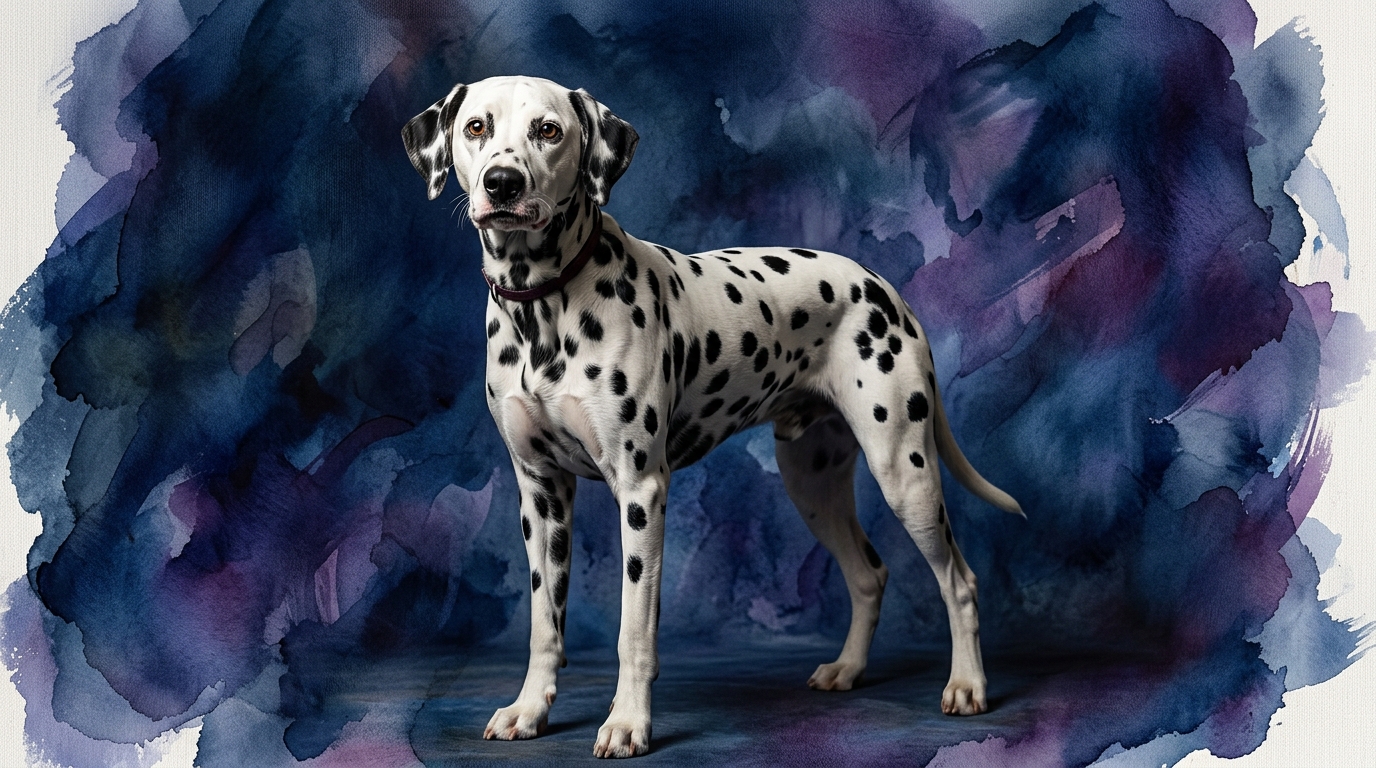
The Cosmic Pet Pet IQ Lab employs a five-dimensional framework to assess canine cognition, offering a granular view beyond simple labels. For the Dalmatian, a breed often recognized for its striking appearance and historical roles, its profile stands at: Problem Solving 3/5, Training Speed 3/5, Social Intelligence 4/5, Instinctive Drive 4/5, and Memory 4/5. This suggests a dog with competent reasoning, average learning pace, but a clear aptitude for social cues, strong intrinsic motivation, and robust recall.
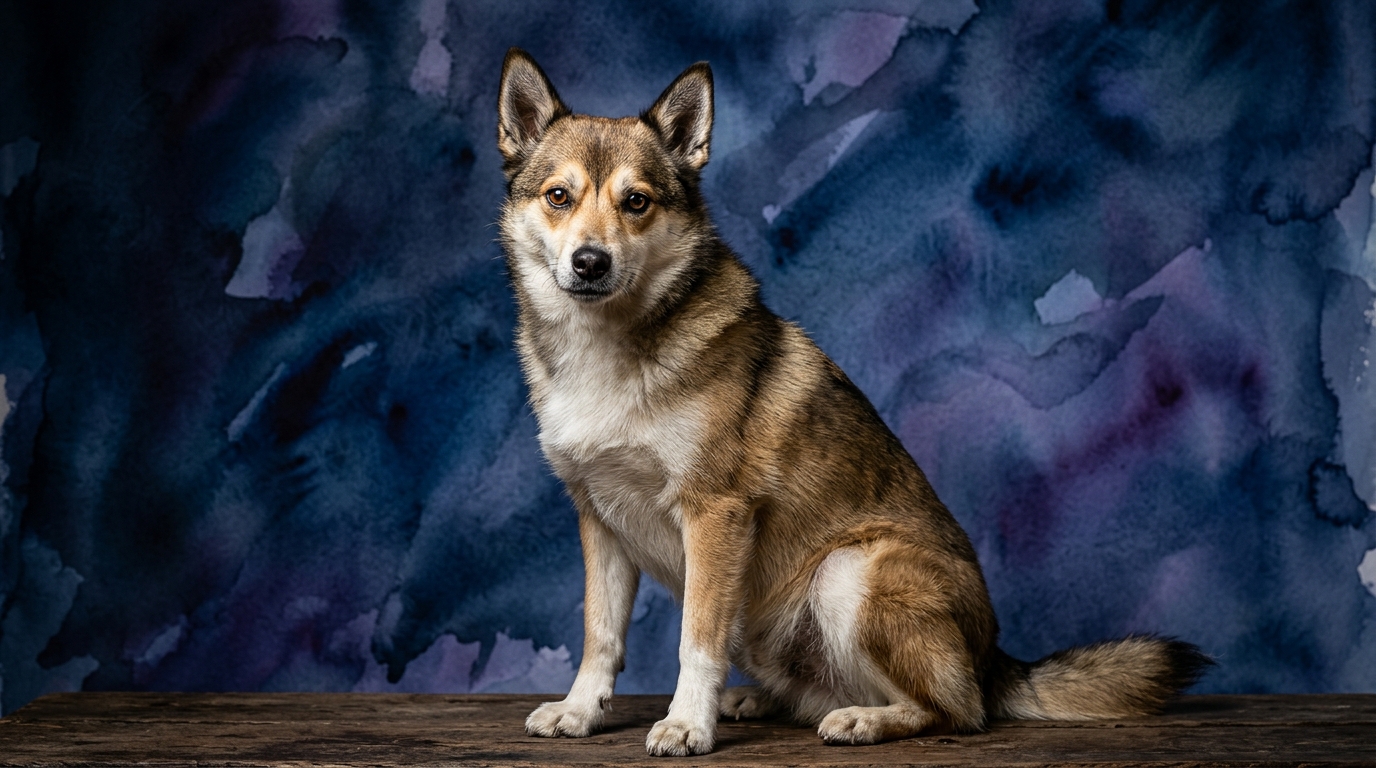
In contrast, the Norwegian Lundehund, a rare and ancient breed with a highly specialized past, presents a profile of: Problem Solving 3/5, Training Speed 3/5, Social Intelligence 3/5, Instinctive Drive 3/5, and Memory 3/5. This indicates a dog with solid, practical problem-solving skills, a steady but not rapid learning curve, a more independent approach to social interactions, and a moderate level of intrinsic motivation and recall. While all scores are consistent at 3/5, the context of their breed history is crucial to understanding what these numbers truly represent for the Lundehund.
Where the Dalmatian Excels Cognitively
The Dalmatian demonstrates distinct cognitive advantages, particularly in areas relating to interaction and retention. Their Social Intelligence score of 4/5 indicates a nuanced understanding of human communication, body language, and emotional states. This isn't merely about following commands, but about interpreting subtle cues, making them highly attuned companions who often anticipate their owner's intentions. This higher social acumen facilitates complex cooperative tasks, from agility courses to service work, where reading and responding to human partners is paramount.
Furthermore, the Dalmatian's Instinctive Drive at 4/5 points to a powerful inner motivation and endurance. Historically bred to run alongside carriages for miles, their drive isn't just about physical stamina; it encompasses a mental tenacity for sustained focus on a task. This means they are often eager to engage in activities that challenge them over longer durations, maintaining enthusiasm and concentration. Coupled with a Memory score of 4/5, Dalmatians show a strong capacity to retain learned behaviors, complex sequences, and routines, making multi-stage commands or intricate sports sequences easier for them to master and remember over time. Their robust recall ensures that once a lesson is ingrained, it tends to stick, providing a reliable foundation for ongoing learning and behavioral consistency.
Where the Norwegian Lundehund Shines Cognitively
While the Norwegian Lundehund's cognitive scores are consistently 3/5 across the board, these numbers reflect a highly specialized and adaptable intelligence honed over centuries for a very specific purpose: puffin hunting in treacherous coastal environments. Their Problem Solving at 3/5, for instance, isn't about solving abstract puzzles, but about navigating complex, confined spaces, scaling cliffs, and independently extracting prey. This implies a practical, resilient form of intelligence, where ingenuity in a natural, challenging environment takes precedence over structured, human-directed problem-solving.
The Lundehund's Instinctive Drive, also at 3/5, speaks to an innate self-reliance and a motivation to explore and investigate. Unlike the Dalmatian's cooperative drive, the Lundehund's drive is geared towards independent action, often requiring them to make decisions without human intervention. This cognitive independence, while sometimes perceived as stubbornness in training, is a strength in situations demanding autonomy and self-preservation. Their Social Intelligence at 3/5 reflects a competence in social dynamics but with a distinct preference for evaluating situations on their own terms, rather than solely relying on human direction. This cognitive makeup makes them uniquely suited for owners who appreciate a dog with a strong, independent mind and a history of self-sufficient adaptation.
Training Dynamics: Responsiveness vs. Independence
When it comes to trainability, the subtle differences in their cognitive profiles become pronounced, even with both breeds sharing a Training Speed score of 3/5. The Dalmatian's superior Social Intelligence (4/5) and Memory (4/5) give them an edge. Their ability to keenly interpret human cues and their strong recall means they often pick up on desired behaviors faster and retain them more reliably. A Dalmatian is more likely to be motivated by praise and the desire to please, making cooperative training sessions highly effective. They excel with consistency, positive reinforcement, and clear communication, building upon their robust memory to cement lessons.
The Norwegian Lundehund, despite the same Training Speed score, presents a different training journey due to their 3/5 Social Intelligence and Instinctive Drive. Their independent problem-solving and self-reliant nature, while valuable in their historical role, can translate to a more discerning approach to commands. They might question the 'why' or prioritize their own impulses over immediate compliance, requiring more patience, creativity, and a strong understanding of their motivations. While they learn, their learning might be slower to generalize across different contexts, and their memory (3/5) may necessitate more consistent review. Owners must embrace their independence and find ways to make training intrinsically rewarding for the Lundehund, rather than relying solely on social approval.
Matching Cognitive Profiles to Lifestyles
The Dalmatian's cognitive makeup aligns well with active owners who enjoy structured, interactive activities. Their higher Instinctive Drive and Social Intelligence mean they thrive on engaging in shared pursuits, whether it's long-distance running, obedience competitions, or participating in family outings. They benefit from owners who can channel their energy and focus into productive tasks, valuing the mental and physical stimulation that comes from working alongside their human companion. Owners who appreciate a dog that is highly attuned to their moods and desires, and who can commit to consistent training and enrichment, will find the Dalmatian a rewarding partner.
The Norwegian Lundehund, with its independent problem-solving and self-reliant drive, suits owners who value a dog with a unique, often quirky personality and a strong sense of self. While they still require mental and physical stimulation, their needs might be met through activities that allow for more exploration and independent decision-making, such as scent work or navigating complex outdoor environments. They are well-suited for owners who appreciate a dog that thinks for itself, is comfortable with periods of independent activity, and who are prepared to engage in training that respects their discerning nature. This breed thrives with owners who are patient, consistent, and willing to adapt their approach to suit a dog that is less inclined to blindly follow and more inclined to collaborate on its own terms.
The Verdict
Choose the Dalmatian if you seek a highly social, motivated, and cooperative companion who thrives on structured activities and excels at remembering complex routines.
Opt for the Norwegian Lundehund if you appreciate an independent, resilient dog with unique problem-solving skills, valuing a companion that engages with the world on its own terms.
🧠 Find Your Pet's IQ Score
Our Pet IQ Lab assessment covers 25+ tests across 5 cognitive dimensions — personalized to your breed.
Take the Full IQ Test →Frequently Asked Questions
Do Dalmatians require a lot of mental stimulation?
Yes, Dalmatians, with their 4/5 Instinctive Drive and strong memory, thrive on consistent mental engagement. Activities like advanced obedience, puzzle toys, and interactive games are crucial to keep their minds active and prevent boredom, channeling their focus constructively.
Is the Norwegian Lundehund difficult to train due to its independence?
While their 3/5 Social Intelligence and independent drive mean they might not be as eager to please as some breeds, Lundehunds are certainly trainable. Success comes from patient, positive reinforcement, understanding their motivations, and making training feel like a collaborative, rewarding experience rather than strict obedience.
Which breed is better for a first-time dog owner?
A Dalmatian, with its higher social intelligence and cooperative nature, might be a more straightforward choice for a first-time owner willing to commit to consistent training and exercise. The Lundehund's unique independence and specific needs may be better suited for experienced owners who understand and appreciate their distinct cognitive approach.