Side-by-Side IQ Profile: Dalmatian vs. Scottish Deerhound
At The Cosmic Pet Pet IQ Lab, we evaluate canine intelligence across five key dimensions, providing a nuanced understanding of each breed's cognitive strengths. Here's how the Dalmatian and Scottish Deerhound stack up.
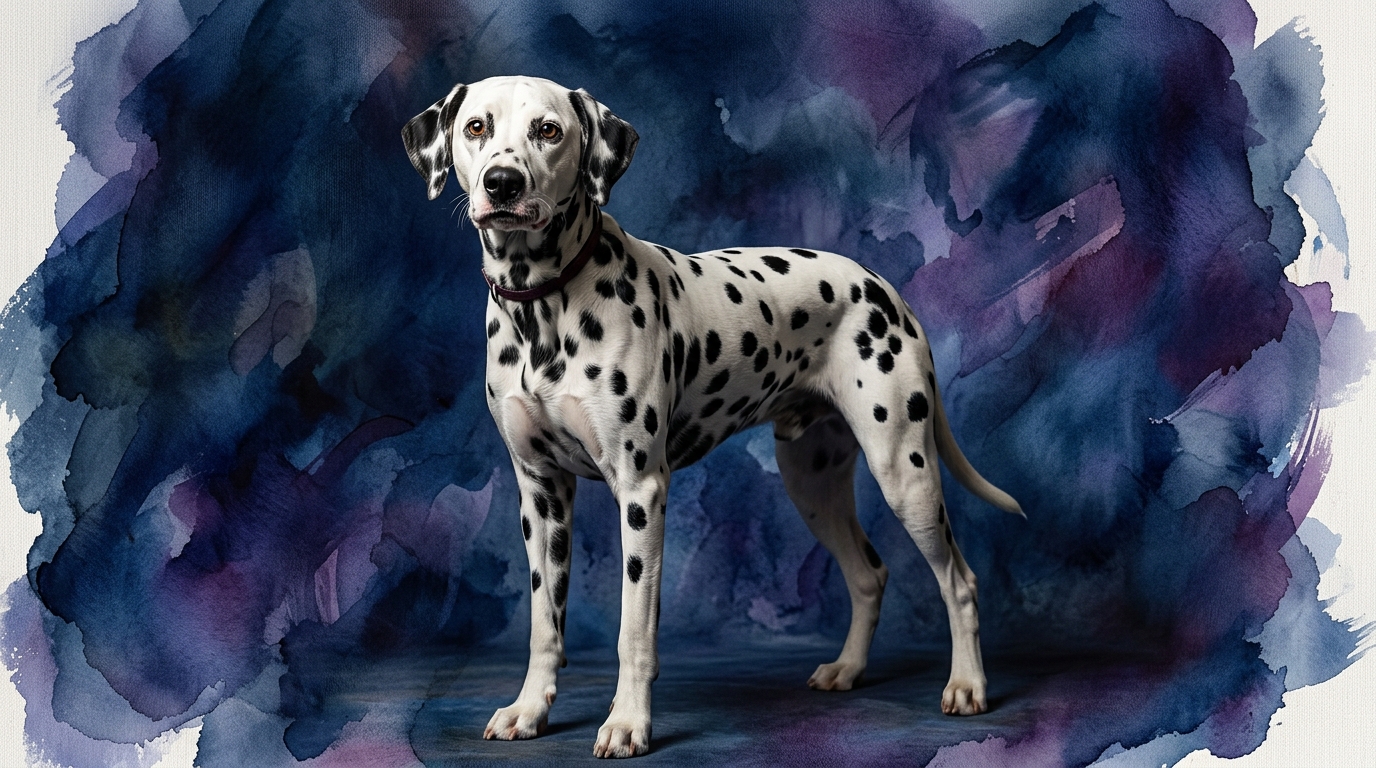
The Dalmatian, a Non-Sporting breed ranked #39 by Coren, presents a balanced and socially oriented cognitive profile. In problem solving, they score 3/5, indicating a moderate capacity to learn and navigate challenges, often with human guidance. Their training speed is also 3/5, meaning they are capable learners but benefit from consistent, positive reinforcement rather than immediate mastery. Where Dalmatians truly stand out is their social intelligence, earning a 4/5 for their remarkable attunement to human emotions and household dynamics. Their instinctive drive is a robust 4/5, reflecting their history as energetic carriage dogs requiring significant mental and physical engagement. Lastly, their memory is strong at 4/5, allowing them to retain learned behaviors and routines effectively.
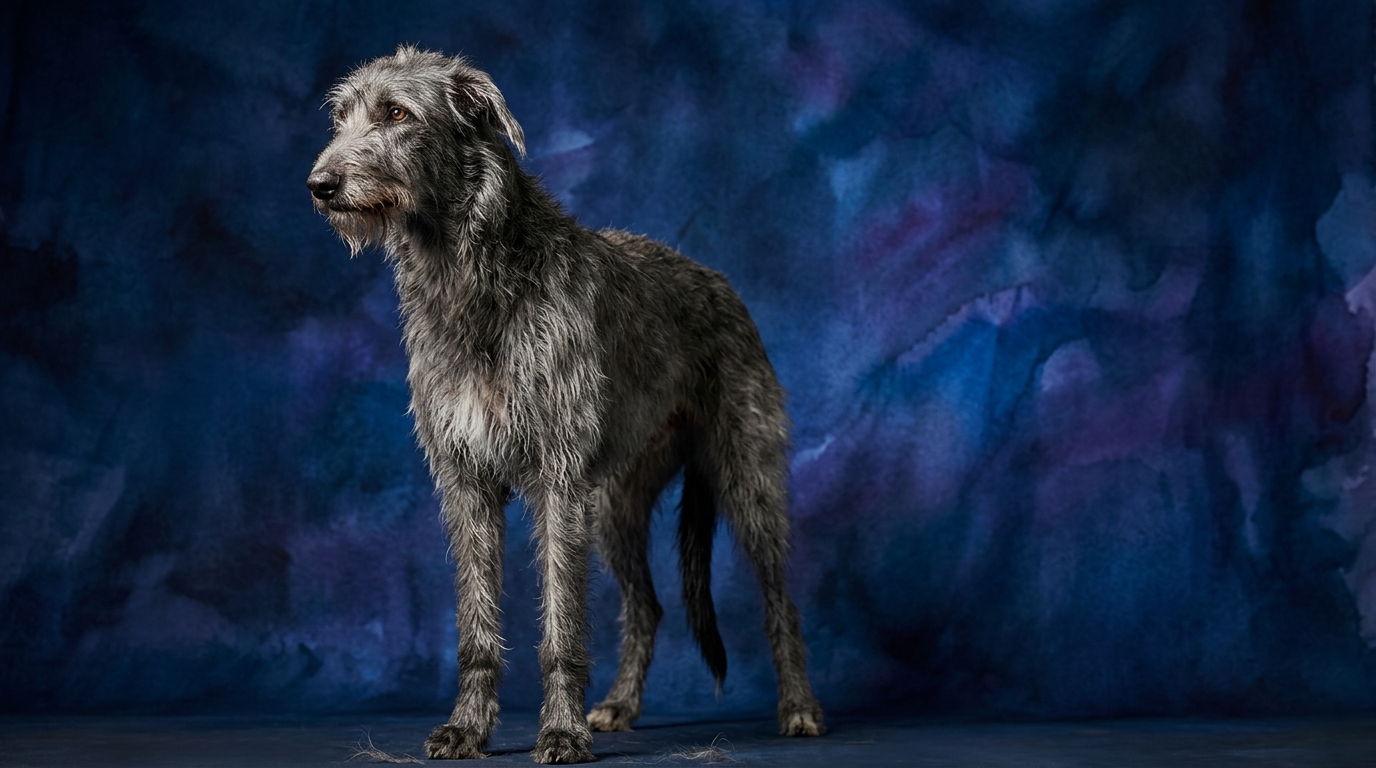
The Scottish Deerhound, a majestic Hound breed not currently Coren-ranked, possesses a cognitive makeup shaped by its sighthound heritage. Like the Dalmatian, they score 3/5 in problem solving, demonstrating an ability to figure out tasks, often with an independent, self-motivated approach. Their training speed is also 3/5, suggesting they are receptive to learning but can exhibit a characteristic sighthound independence that requires patient, engaging methods. The Deerhound's social intelligence is 3/5; they are affectionate and loyal to their families but often reserved with strangers and less overtly people-pleasing than some breeds. Their instinctive drive is 3/5, characterized by powerful bursts of chase instinct balanced with a profound indoor calmness. Their memory is rated at 3/5, indicating an average capacity for recalling commands and routines, which may require more consistent reinforcement for complex tasks.
Where the Dalmatian Wins Cognitively
The Dalmatian's cognitive profile shines particularly in areas involving social engagement and consistent recall, making them highly interactive and responsive companions. Their 4/5 social intelligence means they are exceptionally adept at reading and responding to human cues, often anticipating desires or reacting appropriately to emotional states within the family. This makes them highly interactive companions who thrive on being part of family activities and understanding their human's intentions, fostering a deep, empathetic connection.
Furthermore, their 4/5 memory is a distinct advantage in daily life and training. Dalmatians not only learn commands but retain them with remarkable consistency, making long-term retention of complex behaviors more probable. This strong memory, combined with their social acumen, allows them to adapt well to routines and remember specific training sequences, fostering a more fluid and responsive partnership in daily life and structured activities like agility or obedience.
Where the Scottish Deerhound Wins Cognitively
While the Scottish Deerhound scores similarly or lower in several categories, its cognitive strengths lie in its specific application of problem-solving and the unique nature of its instinctive drive. Their 3/5 problem-solving, though numerically equal to the Dalmatian, often manifests as a self-directed ingenuity, particularly when pursuing their own interests like finding the most comfortable sleeping spot or outsmarting a gate. This independent streak means they can be remarkably resourceful in situations that appeal to their inherent motivations, showcasing a distinct, self-reliant cognitive style.
Their 3/5 instinctive drive, while numerically lower than the Dalmatian's, is a "win" for owners seeking a unique balance of intense outdoor activity and serene indoor calm. This focused sighthound drive means an explosive burst of energy for a chase, followed by a profound relaxation, often described as a "velvet couch potato." Unlike the Dalmatian's more pervasive need for constant engagement, the Deerhound's drive is compartmentalized, offering distinct periods of high activity and deep repose, a cognitive benefit for those who appreciate distinct 'on' and 'off' switches in their canine companion.
Which is Easier to Train and Why
Comparing training ease between these two breeds reveals nuances despite their identical 3/5 training speed scores. The Dalmatian, with its 4/5 social intelligence, often presents as the more straightforward student. Their deep attunement to human cues and a greater eagerness to please means they are generally more receptive to direction and derive satisfaction from working alongside their owner. While they still require consistency, their responsiveness makes the training process feel more collaborative and less like a negotiation, as they are often keen to understand and meet expectations.
The Scottish Deerhound, with its 3/5 social intelligence and independent sighthound nature, can be more challenging to motivate in traditional obedience settings. While certainly capable of learning, their intrinsic reward system is often more aligned with self-directed pursuits, making 'selective hearing' a common trait. Training a Deerhound requires creativity, patience, and making the process genuinely engaging, often through play or by tapping into their natural desire to chase. They respond best to positive reinforcement and a trainer who understands their independent spirit, rather than one who expects unwavering, immediate compliance.
Which Suits Active Owners vs. Relaxed Owners
The choice between a Dalmatian and a Scottish Deerhound largely hinges on an owner's lifestyle, specifically their approach to daily activity and companionship. The Dalmatian, with its 4/5 instinctive drive and history as a robust working dog, is undeniably better suited for active owners. They require substantial, structured exercise daily, often enjoying activities like running, hiking, or dog sports. Their high social intelligence also means they thrive on being included in family activities, needing both physical and mental engagement to prevent boredom and destructive behaviors. An active owner who can provide consistent outlets for their stamina and curiosity will find a loyal and energetic partner.
Conversely, the Scottish Deerhound, despite its impressive size and sighthound heritage, often aligns better with owners seeking a more relaxed pace, albeit with specific bursts of activity. Their 3/5 instinctive drive means they need opportunities for vigorous running in a safe, enclosed space to satisfy their chase instinct, but these periods are typically followed by extended periods of calm relaxation indoors. They are content to be 'couch potatoes' for much of the day, making them suitable for owners who appreciate quiet companionship and don't require a constant, high-energy canine presence, as long as their distinct, intense exercise needs are met.
The Verdict
Choose the Dalmatian if you seek an interactive, socially astute companion eager to engage in consistent activity and structured learning.
Opt for the Scottish Deerhound if you appreciate a calm, dignified presence indoors, coupled with a need for intense, focused bursts of outdoor running.
🧠 Find Your Pet's IQ Score
Our Pet IQ Lab assessment covers 25+ tests across 5 cognitive dimensions — personalized to your breed.
Take the Full IQ Test →Frequently Asked Questions
Do Dalmatians need a lot of exercise?
Yes, Dalmatians possess a strong instinctive drive (4/5) and require significant daily exercise to stay content and healthy. This includes vigorous activities like running, hiking, or structured dog sports to channel their energy and prevent boredom.
Are Scottish Deerhounds difficult to train because they are hounds?
Scottish Deerhounds have an average training speed (3/5), but their independent sighthound nature can make training different. They respond well to positive reinforcement and engaging methods, but their focus can be easily diverted by prey drive, requiring patient and consistent approaches.
How do the social needs of a Dalmatian compare to a Scottish Deerhound?
Dalmatians have higher social intelligence (4/5) and generally thrive on constant human interaction, being very attuned to their family's dynamics. Scottish Deerhounds have moderate social intelligence (3/5), forming deep bonds but often expressing affection with a more reserved, dignified demeanor, appreciating quiet companionship.