Side-by-Side Cognitive Profile: Interpreting Identical Scores
It's fascinating to observe that both the Dandie Dinmont Terrier and the Irish Wolfhound register a consistent 3/5 across The Cosmic Pet's five cognitive dimensions. This isn't an indicator of identical brain wiring, but rather suggests a moderate capacity for learning and adaptation that manifests uniquely within each breed's specialized roles and temperaments. A '3/5' rating signifies a solid, functional intelligence, capable of learning and adapting, but perhaps not demonstrating the rapid acquisition or complex problem-solving seen in breeds with higher scores.
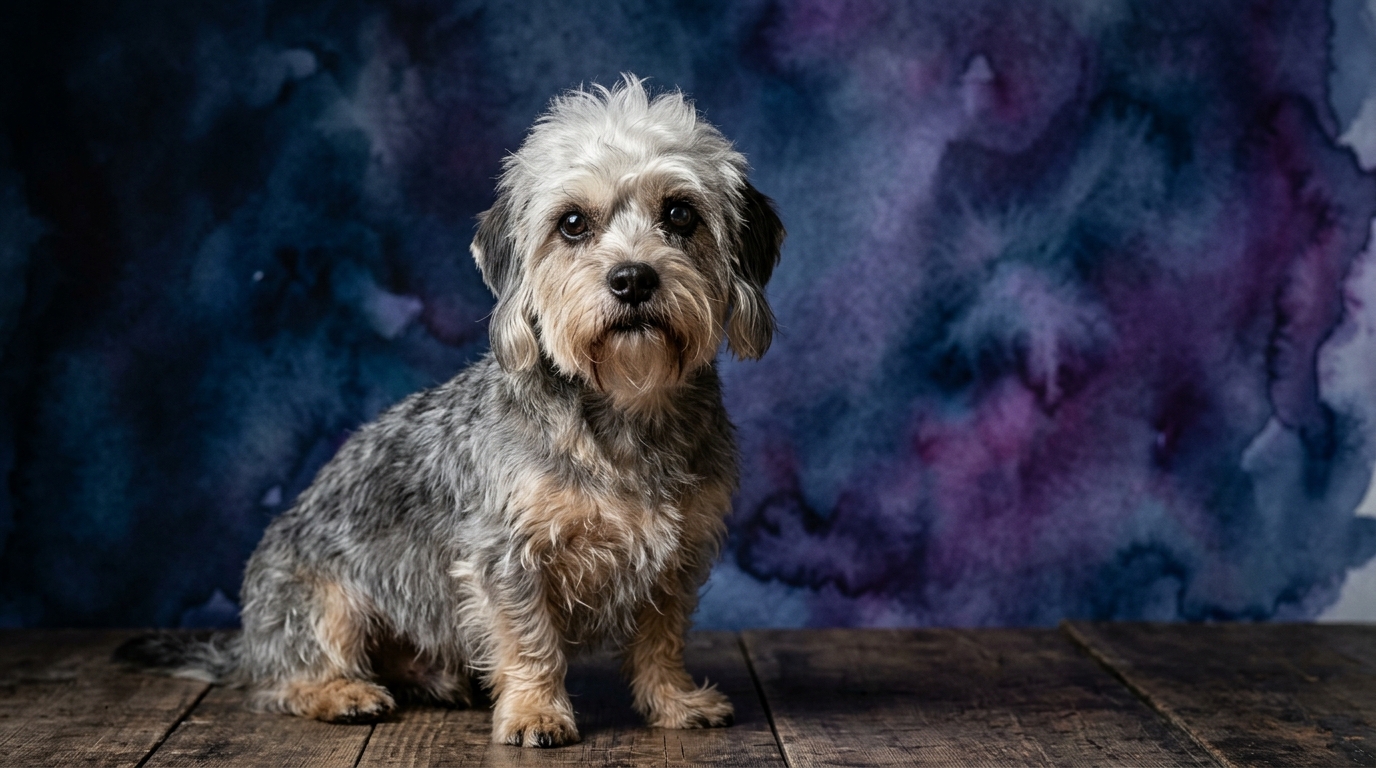
For the **Dandie Dinmont Terrier**, a 3/5 in **Problem Solving** means they are resourceful in tackling challenges pertinent to their terrier heritage, such as figuring out how to access a tight space or outsmarting a small, perceived 'quarry.' Their **Training Speed** at 3/5 indicates they can learn new commands and routines, but their independent spirit often requires engaging, consistent methods to maintain their focus. Their **Social Intelligence** at 3/5 suggests they are observant of their immediate family dynamics, forming strong, loyal bonds, though they can be reserved with strangers. An **Instinctive Drive** of 3/5 reflects their inherent terrier tenacity for hunting small vermin, expressed through digging and keen tracking. Finally, their **Memory** at 3/5 means they reliably recall learned commands, routines, and the individuals they interact with regularly.
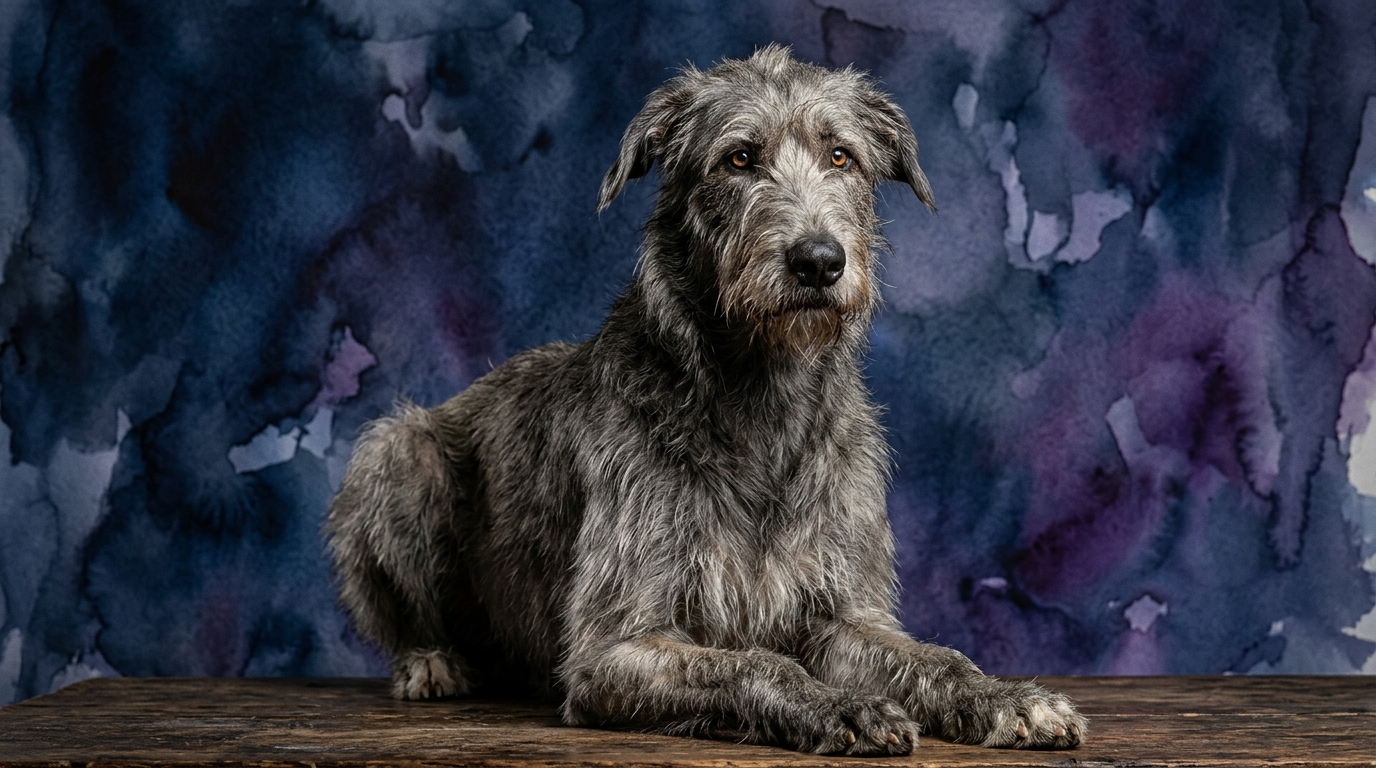
The **Irish Wolfhound**, despite its immense size, shares these 3/5 cognitive ratings, but the expression differs significantly. Their **Problem Solving** at 3/5 often involves navigating their large bodies gracefully through varied environments, finding optimal resting spots, or calmly assessing new situations before reacting. A 3/5 for **Training Speed** highlights their capacity to learn, though their sensitive nature means they respond best to gentle, positive reinforcement and patience, rather than sharp commands. Their **Social Intelligence** at 3/5 is characterized by a calm, observant demeanor, often displaying a gentle empathy towards their human companions and a measured approach to new social interactions. Their **Instinctive Drive** at 3/5 is primarily rooted in their sighthound heritage, with a strong urge to chase moving objects at a distance, rather than the close-quarters hunting of a terrier. Their **Memory** at 3/5 ensures they remember past experiences, people, and the boundaries established within their home, contributing to their generally reliable nature.
Where the Dandie Dinmont Terrier Excels Cognitively
The Dandie Dinmont Terrier's cognitive strengths, despite identical scores, lie in its focused tenacity and resourcefulness within its specific environmental niche. Their 3/5 problem-solving ability is particularly evident in scenarios requiring persistence and cleverness in compact spaces. Unlike the more expansive problem-solving of a larger breed, a Dandie might excel at figuring out how to retrieve a toy from under furniture or navigate a complex scent trail, demonstrating a keen, hands-on approach. This terrier's instinctive drive, also rated 3/5, translates into a highly motivated engagement with tasks that mimic their historical purpose, such as earthdog trials or intricate scent work, where their determination and sharp focus can outshine a less specialized breed. They bring a compact intensity to their cognitive application, making them adept at certain types of focused, persistent challenges.
Where the Irish Wolfhound Excels Cognitively
Conversely, the Irish Wolfhound's cognitive advantages, while also rated 3/5, manifest in a distinctly different manner, often emphasizing calm observation and social discernment. Their 3/5 social intelligence often means they possess a remarkable sensitivity to human emotions and household dynamics, allowing them to provide gentle comfort or quietly assess new individuals with a thoughtful gaze. Their problem-solving might involve navigating complex social situations with grace, such as interacting with children or smaller pets, or finding the most comfortable, expansive spot to recline without disrupting the household. This breed's instinctive drive, while also 3/5, is expressed through a powerful, yet often contained, urge to chase, but indoors they are typically calm observers, making them adept at processing their environment without constant, active engagement. They offer a thoughtful, often serene, application of their cognitive abilities, particularly in understanding their human companions and maintaining a peaceful home.
Ease of Training: Different Paths to a 3/5 Training Speed
Both breeds share a 3/5 rating for training speed, but the practical experience of training them diverges significantly due to their inherent temperaments and breed functions. The Dandie Dinmont Terrier, while capable of learning, can present a challenge due to its independent and sometimes stubborn terrier nature. They often require varied, engaging training sessions that appeal to their problem-solving instincts and high motivation for rewards, as repetition without purpose can lead to boredom and disinterest. Owners need to be consistent, firm, and creative to harness their focus, understanding that their '3/5' means they *can* learn, but they might question *why* they should.
The Irish Wolfhound, despite its impressive size, is often described as a sensitive and thoughtful learner. Their 3/5 training speed means they absorb commands at a moderate pace, but they thrive on positive reinforcement, gentle guidance, and a strong bond with their owner. Harsh corrections can cause them to shut down or become withdrawn, making patience and understanding paramount. Their large size necessitates early and consistent training for good manners and leash work, but their generally biddable nature, once motivated and respected, often makes the process a rewarding collaboration. Neither breed is 'easy' in the sense of being effortlessly compliant, but the strategies required for successful training are tailored to their distinct personalities.
Suitability for Active vs. Relaxed Owners
Considering their cognitive profiles and physical needs, each breed aligns with different owner lifestyles. The Dandie Dinmont Terrier, with its terrier instincts and moderate energy bursts, is well-suited for owners who enjoy interactive play and can provide varied mental stimulation. While they are not endurance athletes, they thrive on opportunities to 'work' their brains and bodies, whether through scent games, short bursts of fetch, or exploring new environments. They are ideal for owners who appreciate a tenacious, engaging companion ready for daily adventures that challenge their problem-solving and instinctive drives, even if those adventures are in a smaller scale.
The Irish Wolfhound, despite its history as a coursing hound, often presents as a 'gentle giant' indoors, making it suitable for owners who appreciate a more relaxed, yet still substantial, presence. They require significant, albeit often solitary, exercise in a securely fenced area where they can stretch their long legs in a full gallop. However, once their exercise needs are met, they are content to be calm companions, often preferring to lounge near their family. They are best for owners with ample space who can accommodate their physical dimensions and exercise requirements, but who also desire a serene, observant, and affectionate housemate rather than a constantly 'on-the-go' partner.
The Verdict: When to Choose Each Companion
The Verdict
Choose the Dandie Dinmont Terrier if you seek a compact, tenacious, and engaging companion, ready for varied intellectual challenges and a keen, independent spirit within a smaller package.
Opt for the Irish Wolfhound if you desire a gentle, observant giant, appreciative of calm companionship and requiring space for impressive bursts of exercise, valuing a serene presence indoors.
🧠 Find Your Pet's IQ Score
Our Pet IQ Lab assessment covers 25+ tests across 5 cognitive dimensions — personalized to your breed.
Take the Full IQ Test →Frequently Asked Questions
Do identical 3/5 scores mean these breeds are equally 'smart' in every way?
Not exactly; identical scores indicate a similar moderate capacity for learning and adaptation, but how that intelligence manifests differs significantly based on each breed's historical purpose and physical attributes. The Dandie's 'smartness' might be in its tenacious problem-solving in tight spaces, while the Wolfhound's might be in its calm social observation and graceful navigation of its large body.
Which breed is generally better suited for first-time dog owners?
Neither breed is typically recommended as an 'easy' first-time dog, though the Irish Wolfhound might be slightly more forgiving if the owner is committed to positive reinforcement and can manage its size. Dandies require consistent handling to manage their terrier independence, while Wolfhounds need early, gentle training due to their sheer scale and sensitivity. Both benefit immensely from experienced guidance.
How important is early socialization for these breeds given their IQ profiles?
Early socialization is crucial for both breeds, though for different reasons. For the Dandie Dinmont Terrier, it helps temper their natural wariness of strangers and channel their strong instinctive drives positively. For the Irish Wolfhound, it's vital to ensure their gentle nature extends to all situations, preventing potential shyness or accidental clumsiness due to their size, reinforcing their calm social intelligence.