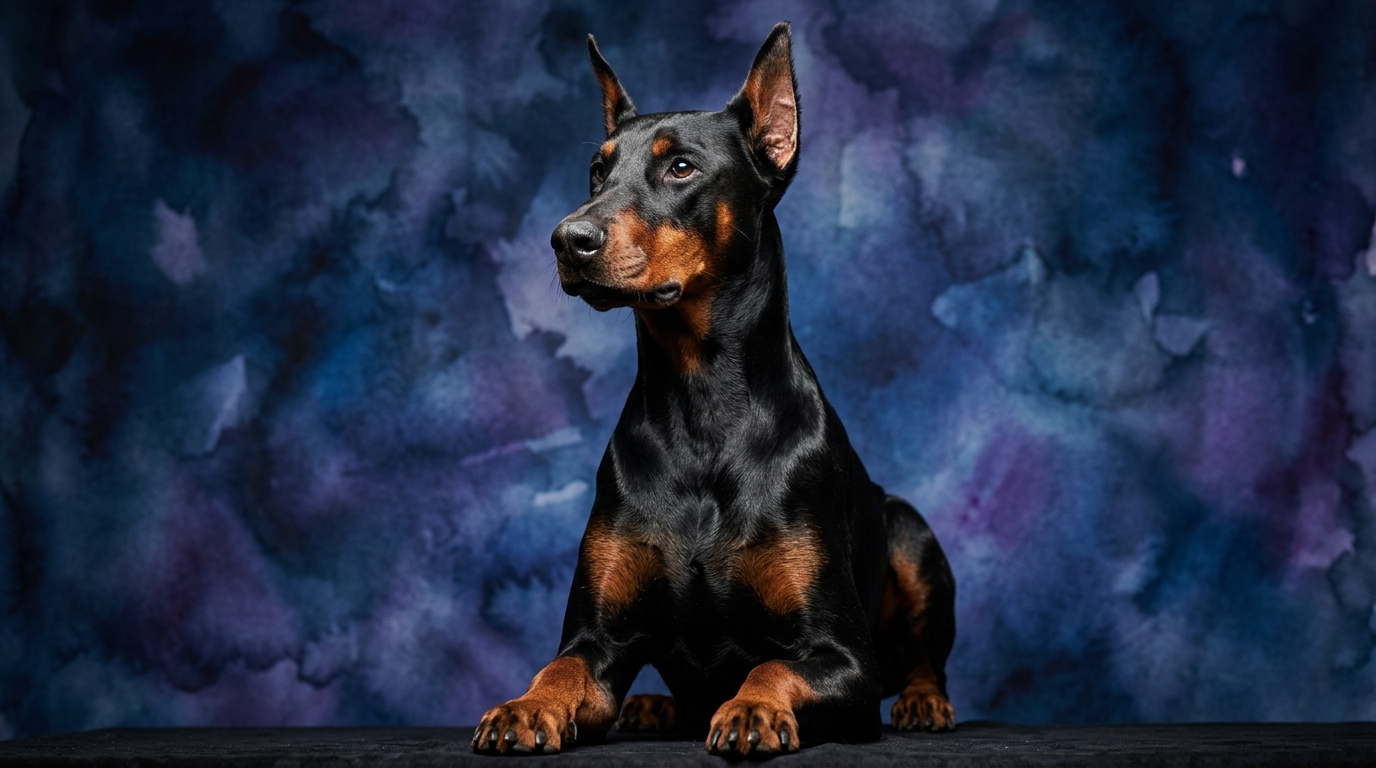
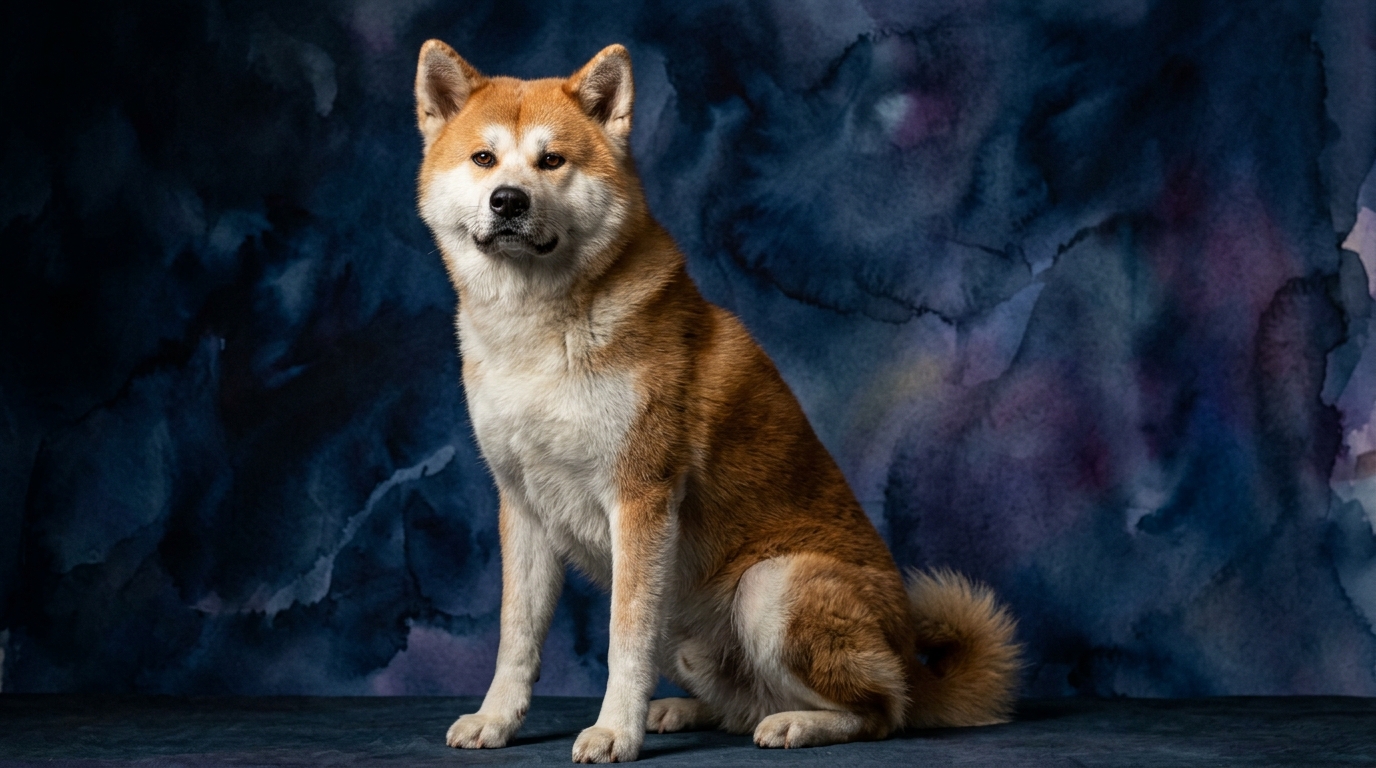
Side-by-Side IQ Profile: Doberman Pinscher vs. Akita
The Doberman Pinscher, ranking impressively at Coren #5, demonstrates a remarkable cognitive toolkit. Its Problem Solving is rated 5/5, indicating an exceptional capacity to navigate novel situations and devise solutions. Training Speed also scores a perfect 5/5, reflecting its eagerness and ability to grasp new commands swiftly. Social Intelligence stands at 4/5, suggesting a strong awareness of human cues and group dynamics, while Instinctive Drive and Memory both achieve 5/5, highlighting potent natural aptitudes and robust recall.
In contrast, the Akita, holding Coren rank #54, presents a different cognitive blueprint. Its Problem Solving is rated 3/5, indicating a moderate capacity for independent problem-solving, often preferring established routines. Training Speed is 2/5, suggesting a more deliberate and less eager approach to learning new tasks. Social Intelligence is 3/5, reflecting a more reserved and selective engagement with its social environment. However, its Instinctive Drive is a formidable 5/5, showcasing powerful natural protective and hunting instincts, and its Memory is a solid 4/5, indicating good retention of experiences and learned information.
Where the Doberman Pinscher Wins Cognitively
The Doberman Pinscher's cognitive strengths are evident across multiple dimensions, making it a truly adaptable and responsive companion. Its perfect 5/5 in Problem Solving means it excels at figuring out complex puzzles, whether it's opening a child-proof gate or strategizing to retrieve a hidden toy, displaying innovative thinking rather than rote behavior. This breed's 5/5 Training Speed is a significant advantage, allowing it to master complex obedience commands, agility courses, and even specialized working roles with remarkable celerity, often requiring fewer repetitions than many other breeds. Furthermore, its 4/5 Social Intelligence, combined with its memory, enables it to quickly discern human moods and intentions, adapting its behavior to social cues and forming strong, nuanced bonds within its family unit. The Doberman's instinctive drives are channeled efficiently into tasks, making it a highly trainable and focused partner in activities ranging from protection work to competitive sports. Its ability to process and recall information rapidly contributes to its consistency in performance, making it a consistently reliable and predictable learner once a concept is understood.
Where the Akita Wins Cognitively
While the Akita's overall IQ scores may appear lower than the Doberman's, its cognitive profile is uniquely suited to its heritage and purpose, manifesting distinct strengths. The Akita's 5/5 Instinctive Drive is a profound cognitive asset, representing an unwavering commitment to its protective duties and a deep connection to its ancestral role as a guardian and hunter. This isn't merely a physical drive but a deeply ingrained cognitive framework that guides its perception of threats and its decisive, often independent, responses. Its 4/5 Memory, while not perfect, is robust enough to retain complex territorial boundaries, recognize familiar faces even after long absences, and remember specific training cues, albeit sometimes requiring more repetition to imprint initially. The Akita's 3/5 Problem Solving, though moderate, often translates into a self-reliant approach; it may not seek human intervention for every challenge, preferring to assess and react based on its own internal logic and strong instincts. This independent thought process, while sometimes perceived as stubbornness in training, is a cognitive advantage in situations requiring solitary judgment and resilience. Its lower Social Intelligence score reflects a breed that forms deep, but selective, bonds, demonstrating a discerning cognitive filter for who it chooses to engage with closely, rather than a general lack of social awareness.
Which is Easier to Train and Why
Without question, the Doberman Pinscher is significantly easier to train due to its exceptional 5/5 Training Speed and high Social Intelligence. This breed possesses an innate eagerness to please its handler, coupled with a remarkable capacity for understanding and executing commands quickly. A Doberman typically thrives on structured training sessions, viewing them as opportunities for engagement and mental stimulation, and will actively seek to understand what is expected of it. Their strong memory and problem-solving skills mean they don't just learn by rote but comprehend the underlying principles of tasks, allowing for flexible application. In contrast, the Akita's 2/5 Training Speed and more moderate Social Intelligence mean training requires immense patience, consistency, and a deep understanding of its independent nature. Akitas are not inherently eager to please in the same way; they often question the necessity of a command and will comply only if they perceive value in it or if the handler's leadership is unequivocal. Their problem-solving might lead them to find shortcuts or simply ignore commands they deem unimportant, rather than actively trying to meet expectations. Training an Akita is less about speed and more about building a respectful, trusting relationship where the dog chooses to cooperate, which often demands a more nuanced and less direct approach than with a Doberman.
Which Suits Active Owners vs. Relaxed Owners
The Doberman Pinscher, with its high instinctive drive, perfect training speed, and problem-solving abilities, is an ideal match for active owners who can provide consistent mental and physical challenges. These dogs thrive on purpose and require regular engagement in activities like advanced obedience, agility, protection sports, or extensive daily exercise that taps into their cognitive and physical vigor. An owner who enjoys structured training, problem-solving games, and dynamic outdoor adventures will find the Doberman an unparalleled partner, as their cognitive makeup demands an outlet for their considerable intellect and energy. Conversely, while "relaxed" might imply minimal activity, the Akita, despite its more moderate training speed and problem-solving, is better suited for an owner who appreciates independence and possesses a calm, confident demeanor rather than a high-energy, constantly interacting style. An Akita still requires ample exercise and consistent, firm leadership, but it doesn't necessarily crave constant human-directed activities or endless repetitions in training. They can be content with a dedicated walk and observation of their surroundings, preferring to be a watchful companion rather than a participant in every human endeavor. Their strong instinctive drive means they need clear boundaries and careful socialization, but their reserved social intelligence means they aren't constantly seeking validation or interaction, making them suitable for owners who value a majestic, self-possessed companion over a perpetually eager one.
The Verdict
Choose the Doberman Pinscher if you desire a highly trainable, versatile, and eager-to-please companion for active lifestyles, advanced training, or working roles. Their quick mind and responsiveness make them excel in structured environments and dynamic activities.
Opt for the Akita if you appreciate a majestic, independent, and discerning companion, are prepared for a patient, consistent training approach, and value a dog with powerful protective instincts and a self-reliant nature. They thrive with owners who respect their strong will and provide clear, calm leadership.
🧠 Find Your Pet's IQ Score
Our Pet IQ Lab assessment covers 25+ tests across 5 cognitive dimensions — personalized to your breed.
Take the Full IQ Test →Frequently Asked Questions
Is the Akita truly harder to train than a Doberman Pinscher?
Yes, based on our IQ metrics, the Akita's Training Speed of 2/5 contrasts sharply with the Doberman's 5/5. Akitas are more independent thinkers, often requiring more patience and motivation to learn commands, whereas Dobermans are typically eager to please and grasp concepts quickly.
How does the Doberman's social intelligence compare to the Akita's?
The Doberman Pinscher has a Social Intelligence rating of 4/5, indicating a strong capacity for understanding human cues and integrating into family dynamics. The Akita's 3/5 rating suggests a more reserved and selective social approach, forming deep bonds with its inner circle but often being aloof with strangers.
Both breeds have a 5/5 Instinctive Drive. What does this mean for owners?
A 5/5 Instinctive Drive signifies powerful natural aptitudes in both breeds, typically related to guarding, hunting, or working roles. For owners, this means both breeds require appropriate outlets for these strong instincts, such as training, structured exercise, or specific tasks, to ensure they are channeled constructively and prevent problematic behaviors.