Side-by-Side IQ Profile
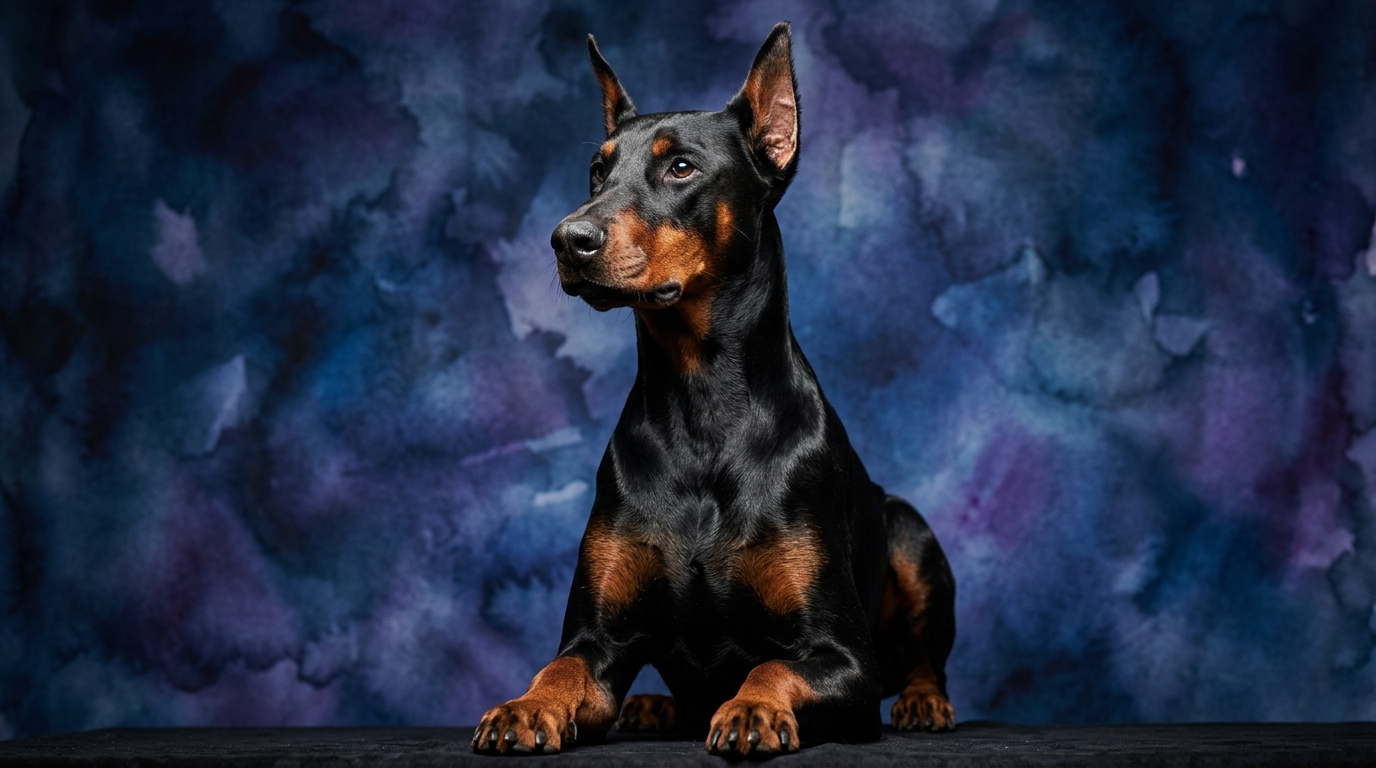
The Doberman Pinscher, a Working group dog holding a Coren rank of #5, exhibits a cognitive profile tailored for demanding tasks. Its Problem Solving is rated 5/5, indicating an exceptional capacity to analyze novel situations and devise effective strategies independently. Training Speed also stands at 5/5, reflecting its remarkable ability to grasp and integrate new commands and routines with minimal repetition. Social Intelligence, at 4/5, suggests a nuanced understanding of human cues and emotional states, fostering strong, responsive partnerships. The Doberman's Instinctive Drive is a powerful 5/5, channeling intense motivation into goal-oriented behaviors, whether guarding, tracking, or competitive obedience. Finally, its Memory is rated 5/5, ensuring long-term retention of learned behaviors and experiences, which is crucial for consistency in complex roles.
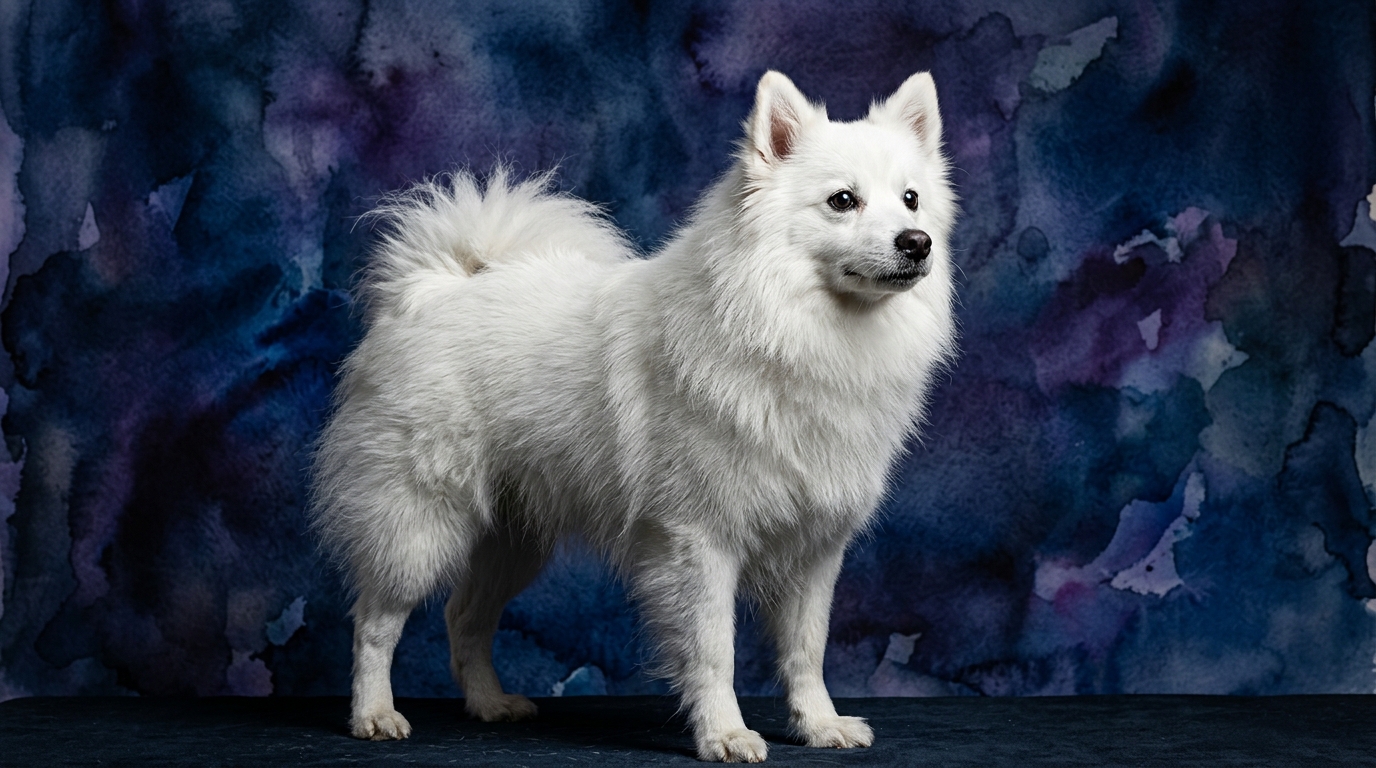
As a member of the Non-Sporting group, the American Eskimo Dog presents a different cognitive blueprint, without a specific Coren ranking but with a well-defined set of intellectual traits. Its Problem Solving is assessed at 3/5, meaning it can navigate familiar challenges effectively but might require more guidance or repeated exposure to master entirely new puzzles. Training Speed is also 3/5, indicating a steady learning pace that benefits from consistent, positive reinforcement rather than rapid-fire instruction. Social Intelligence, at 3/5, suggests a generally agreeable nature, capable of forming strong bonds but perhaps less attuned to subtle human emotional shifts compared to more socially intricate breeds. Its Instinctive Drive is a moderate 3/5, implying a balanced motivation that is present but less intensely focused on specific tasks like guarding or hunting. Memory, rated 3/5, shows a reliable capacity for learning and recall, though perhaps not with the instantaneous retention seen in top-tier working breeds.
Where Doberman Pinscher Wins Cognitively
The Doberman Pinscher's cognitive strengths are particularly evident in its capacity for advanced learning and application under pressure. Its 5/5 problem-solving ability allows it to excel in scenarios requiring quick, independent thought, such as navigating complex obstacle courses or adapting to changing variables in protection work. This isn't merely about following commands; it's about interpreting a situation and making the “correct” decision based on prior training and innate understanding.
Furthermore, the Doberman's perfect 5/5 scores in training speed and memory combine to create a dog that not only learns commands rapidly but retains them with impressive fidelity over extended periods. This means less remedial training and more time spent refining advanced behaviors. Its 5/5 instinctive drive fuels an intense focus and perseverance, enabling it to push through distractions and maintain concentration on demanding tasks, a critical asset in competitive sports or service roles where unwavering dedication is paramount. The 4/5 social intelligence, while not a perfect 5, provides the necessary depth to form a sophisticated partnership, allowing it to anticipate handler intentions and respond with precision, making it a formidable teammate in any endeavor.
Where American Eskimo Dog Wins Cognitively
While the American Eskimo Dog doesn't boast the Doberman's extreme cognitive scores, its balanced 3/5 ratings across the board translate into a different kind of “win” – one of adaptability and less intense demands. Its moderate instinctive drive (3/5) means it typically possesses a manageable level of energy and focus, often making it less prone to the obsessive or high-strung behaviors that can emerge in breeds with overwhelming drives if not adequately channeled. This can be a significant advantage for owners who appreciate a companion that is motivated and engaged without requiring constant, high-level employment to prevent boredom or destructive habits.
The Eskie's 3/5 social intelligence, while not as acutely perceptive as a Doberman's, often results in a more straightforward and less emotionally complex interaction style. They are typically affectionate and loyal within their family unit, providing consistent companionship without the deep psychological demands of a dog bred for intricate human-dog partnerships. Their 3/5 problem-solving and memory, while not top-tier, ensure they are perfectly capable of learning household rules, basic obedience, and enjoying enrichment toys, without the potential for outsmarting their owners or constantly seeking new intellectual challenges that some higher-IQ breeds might exhibit. This cognitive profile means they are less likely to become frustrated or destructive if their daily routine is not a constant parade of novel, complex tasks.
Which is Easier to Train and Why
Based on their respective IQ profiles, the Doberman Pinscher is objectively easier to train in terms of speed and complexity of tasks it can master. Its 5/5 training speed means it picks up new commands almost immediately, often after just a few repetitions. This is coupled with its 5/5 memory, ensuring that once a behavior is learned, it's rarely forgotten, leading to remarkable consistency. Dobermans thrive on structure and challenges, their 5/5 instinctive drive making them eager to work and please their handler, viewing training as a fulfilling outlet for their mental and physical energy. This allows for rapid progression from basic obedience to advanced tasks like agility, protection work, or service dog duties, where their problem-solving (5/5) and social intelligence (4/5) enable them to interpret complex cues and adapt to dynamic situations.
The American Eskimo Dog, with its 3/5 training speed and memory, requires a more patient and consistent approach. While certainly trainable, they might need more repetitions to solidify new commands and may not retain them with the same instantaneous recall as a Doberman. Their moderate instinctive drive (3/5) means they are motivated, but perhaps not with the same intense focus, which can sometimes manifest as a tendency to be easily distracted or to exhibit a charming independence. Effective training for an Eskie often relies heavily on positive reinforcement, making sessions enjoyable and rewarding to maintain their engagement. They will learn household manners and basic obedience reliably, but owners should expect a steadier pace and understand that extremely complex multi-step commands might require significant dedication and breakdown into smaller, manageable steps. Behavioral differences include the Doberman's inherent eagerness to comply and work alongside its handler, contrasting with the Eskie's more self-directed learning style where motivation needs to be consistently high.
Which Suits Active Owners vs Relaxed Owners
The Doberman Pinscher is unequivocally suited for active owners who are prepared to engage deeply with their dog's mental and physical needs. Their 5/5 instinctive drive demands a structured outlet for their energy and intellect, whether through daily intense exercise, advanced obedience, dog sports, or a working role. Owners who can provide consistent training, challenging activities that tap into their problem-solving skills, and clear leadership will find the Doberman an incredibly rewarding and dedicated companion. A relaxed or passive owner might inadvertently create an under-stimulated Doberman, which could lead to boredom, anxiety, and potentially destructive behaviors stemming from their unchanneled drive and intellect. They require an owner who enjoys being an active participant in their dog's daily life, constantly seeking ways to challenge and fulfill them.
In contrast, the American Eskimo Dog is better suited for owners who enjoy a moderate level of activity and a companionable presence without the intense demands of a high-drive working breed. Their 3/5 instinctive drive means they appreciate regular walks, playtime, and mental enrichment like puzzle toys, but they aren't typically driven to perform demanding, continuous tasks. They thrive in homes where they receive consistent attention, positive reinforcement, and are integrated into family life. While they enjoy activity, they are also content to relax indoors, making them a good fit for individuals or families who appreciate a balance between play and calm companionship. Owners who are consistent with basic training and provide a stimulating home environment, without necessarily committing to rigorous daily "jobs" for their dog, will find the American Eskimo Dog a joyful and adaptable member of the household.
The Verdict
Choose a Doberman Pinscher if you are an experienced, active owner seeking a highly trainable, driven, and intensely loyal partner for advanced training, dog sports, or a working role, capable of complex problem-solving and rapid learning.
Opt for an American Eskimo Dog if you desire a charming, adaptable companion with moderate energy and an agreeable temperament, suitable for consistent basic training and a balanced lifestyle that includes both play and relaxed companionship.
🧠 Find Your Pet's IQ Score
Our Pet IQ Lab assessment covers 25+ tests across 5 cognitive dimensions — personalized to your breed.
Take the Full IQ Test →Frequently Asked Questions
Is the Doberman Pinscher too smart for a first-time dog owner?
A Doberman's 5/5 problem-solving and instinctive drive mean they require consistent, experienced guidance and mental stimulation. While not impossible, a first-time owner must be committed to extensive training and understanding their specific needs to prevent behavioral challenges.
How much exercise does an American Eskimo Dog truly need given its moderate drive?
An American Eskimo Dog's 3/5 instinctive drive means they benefit from at least 30-60 minutes of daily activity, such as walks, playtime, or interactive games. This helps keep them physically healthy and mentally content, preventing boredom without requiring extreme exertion.
Can an American Eskimo Dog excel in dog sports like agility?
Yes, an American Eskimo Dog can certainly participate and enjoy dog sports like agility, thanks to their moderate drive and trainability (3/5). While they might not achieve the same speed or precision as a Doberman with 5/5 training speed, their enthusiasm and willingness to learn make them capable competitors with patient and consistent training.