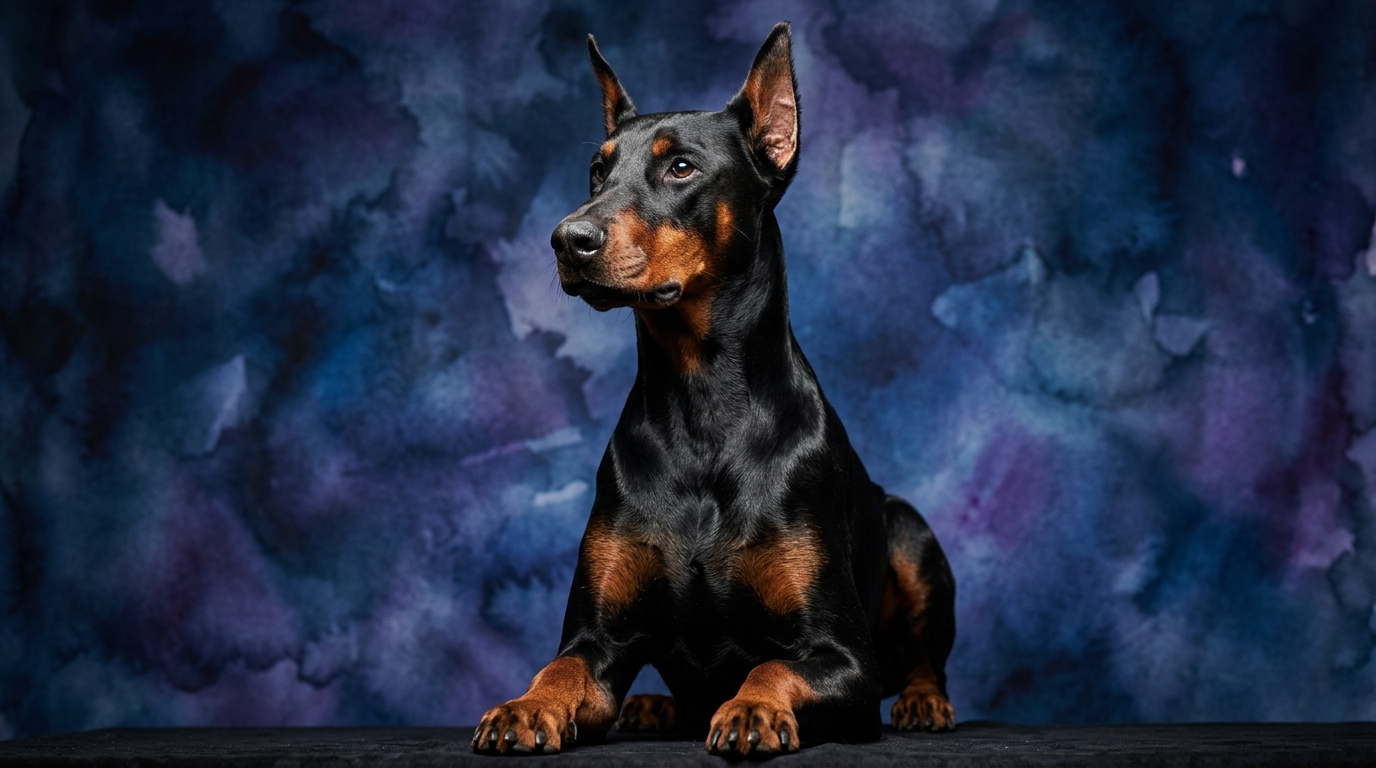
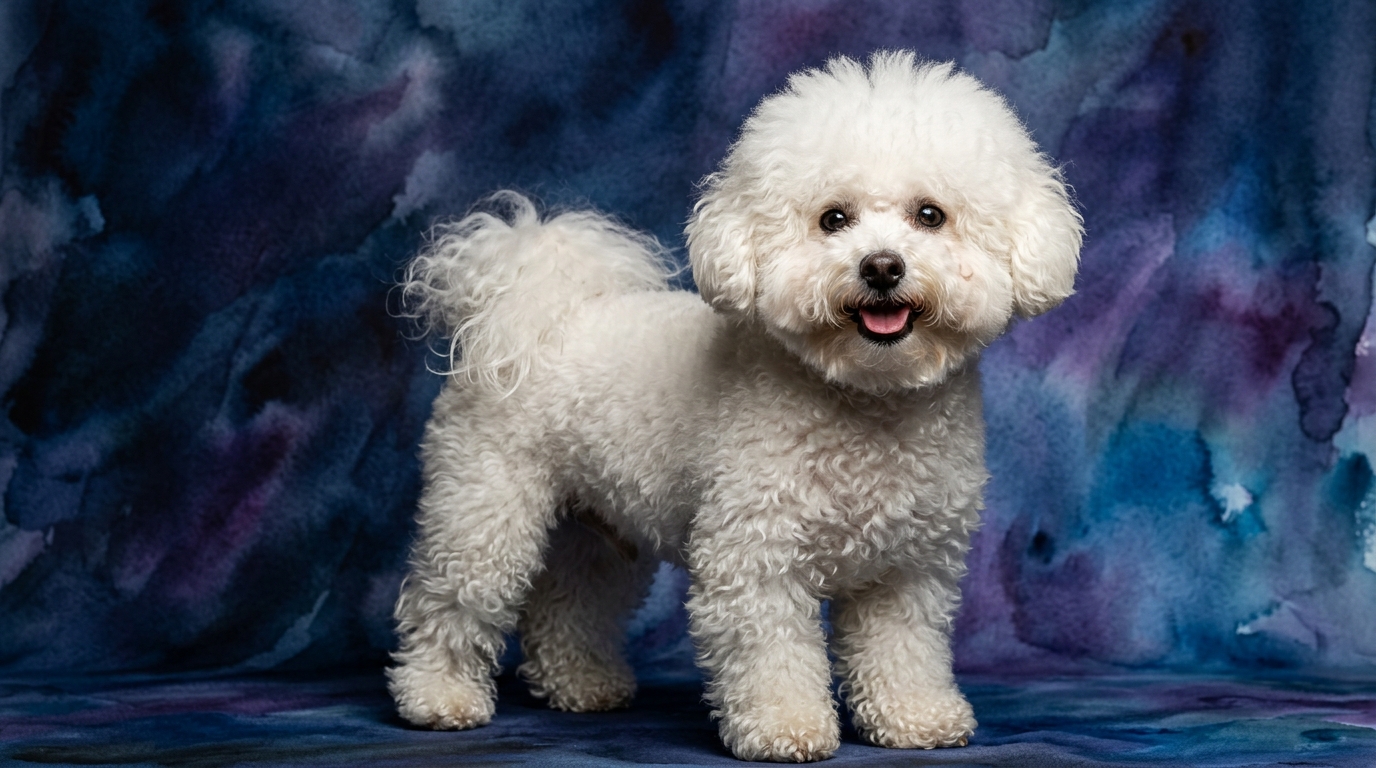
Side-by-Side IQ Profile: Doberman Pinscher vs. Bichon Frisé
The Cosmic Pet Pet IQ Lab provides a unique lens through which to examine the distinct cognitive architectures of these two breeds. For the Doberman Pinscher, a Working group stalwart, their profile paints a picture of sharp, task-oriented intellect. Their Problem Solving is rated 5/5, indicating an exceptional capacity to analyze novel situations and devise effective solutions, from complex obedience routines to navigating intricate environments. Training Speed also stands at a perfect 5/5, reflecting their rapid assimilation of new commands and behaviors, often requiring minimal repetitions. Social Intelligence, at 4/5, suggests a strong understanding of human cues and a willingness to engage, though perhaps with a more focused, purpose-driven interaction rather than pure emotional rapport. An Instinctive Drive of 5/5 highlights their profound motivation for work, protection, and engaging with a clear purpose. Finally, their Memory is a robust 5/5, allowing them to retain vast amounts of information, from learned tasks to social experiences, over long periods.
In contrast, the Bichon Frisé, a charming Non-Sporting companion, exhibits a different but equally valuable set of cognitive strengths. Their Problem Solving registers at 3/5, meaning they can tackle everyday challenges but may not be inclined towards highly complex strategic thinking, often preferring to charm their way through situations. Training Speed, also 3/5, suggests they learn consistently but require patience and positive reinforcement, taking a moderate number of repetitions to solidify new skills. Where the Bichon truly shines is in Social Intelligence, earning a perfect 5/5. This reflects their unparalleled ability to connect emotionally with humans, read subtle mood shifts, and adapt gracefully to various social dynamics, making them exceptional companions. Their Instinctive Drive is a modest 2/5, indicating a lower intrinsic motivation for demanding tasks or independent work, prioritizing close human interaction instead. Memory, at 3/5, allows them to retain basic commands and routines effectively, though perhaps not the intricate sequences a Doberman might master.
Where the Doberman Pinscher Excels Cognitively
The Doberman Pinscher's cognitive architecture is a testament to its heritage as a working dog, excelling in areas requiring quick thinking, purpose-driven action, and sustained focus. Their 5/5 Problem Solving means they don't just follow commands; they understand the objective and can adapt their approach. For instance, if a familiar path is blocked, a Doberman is more likely to assess alternatives and find a workaround rather than simply waiting for direction. This makes them formidable partners in activities like agility, where split-second decisions and complex sequencing are paramount. Their perfect 5/5 Training Speed allows them to master advanced obedience, protection work, or service dog tasks with remarkable efficiency, often grasping concepts in just a few repetitions. This rapid learning curve, combined with their 5/5 Memory, means once a task is learned, it is deeply ingrained, enabling them to execute complex routines reliably even after a period of inactivity. The Doberman's potent 5/5 Instinctive Drive fuels their engagement, making them eager to participate in structured activities that provide a sense of purpose, whether it's guarding, tracking, or competitive sports. Owners often observe their Doberman actively seeking out 'work' or mental challenges, demonstrating a profound internal motivation to be engaged.
Where the Bichon Frisé Shines Cognitively
The Bichon Frisé's cognitive brilliance lies not in raw problem-solving power or high-drive tasks, but in the nuanced realm of social connection and emotional attunement. Their perfect 5/5 Social Intelligence is their crowning cognitive achievement, allowing them to form exceptionally strong bonds with humans and navigate social environments with remarkable finesse. A Bichon can often read the subtle shifts in an owner's mood, offering comfort or initiating play precisely when needed, demonstrating a profound empathy. They excel at charming interactions, using their expressive body language and delightful personalities to elicit positive responses from people, making them natural at winning hearts in diverse social settings, from bustling family gatherings to quiet companion roles. This acute social awareness means they are often highly adaptable to different household dynamics and can integrate seamlessly into various lifestyles, as long as they receive ample human interaction. While their Instinctive Drive is lower (2/5), this actually contributes to their social strength, as their primary motivation is companionship rather than independent tasks. Their cognitive energy is largely dedicated to understanding and responding to their human family, making them superb emotional support animals and delightful, intuitive companions who prioritize shared experiences.
Training Dynamics: Doberman Pinscher vs. Bichon Frisé
Assessing which breed is 'easier' to train depends heavily on the training goals and the owner's approach. The Doberman Pinscher, with its 5/5 Training Speed and 5/5 Memory, is undeniably a quicker study for complex commands and structured tasks. They grasp new concepts rapidly and retain them with impressive fidelity. However, their equally high 5/5 Instinctive Drive means this training must be consistent, engaging, and provide a clear purpose. A Doberman not given adequate mental stimulation and structured training can channel its powerful drive into less desirable behaviors, such as destructive chewing or excessive barking, out of boredom or a perceived lack of direction. Training a Doberman requires an owner who can provide leadership, consistency, and a challenging curriculum.
The Bichon Frisé, with a 3/5 Training Speed and 3/5 Memory, learns at a more moderate pace, requiring more repetitions and patience. However, their exceptional 5/5 Social Intelligence makes them incredibly eager to please their human companions. This strong desire for connection and positive interaction is a powerful motivator in training. While they may not master intricate multi-step commands as quickly as a Doberman, they respond very well to positive reinforcement, praise, and reward-based methods, especially when training is framed as a fun, bonding activity. They are generally less prone to developing significant behavioral issues from a lack of 'work,' though proper socialization is still critical to prevent shyness or fear. Training a Bichon is often about nurturing their desire for companionship and teaching them good manners within a loving home environment.
Matching Breeds to Owner Lifestyles
The Doberman Pinscher is unequivocally suited for active owners who relish a partnership in dynamic endeavors. Their high Instinctive Drive (5/5) and robust physicality demand significant daily exercise, not just a casual stroll. Owners who enjoy running, hiking, competitive dog sports like agility or Schutzhund, or even advanced obedience training will find a Doberman to be an enthusiastic and capable companion. They thrive on having a 'job,' whether it's formal protection training, tracking, or simply being a vigilant, active family member. A Doberman needs mental challenges as much as physical ones; without both, they can become restless and bored, potentially leading to destructive behaviors. An ideal owner is committed to consistent training, providing ample opportunities for both physical exertion and cognitive engagement.
The Bichon Frisé, while certainly enjoying playtime and daily walks, is far better suited for owners with a more relaxed lifestyle. Their lower Instinctive Drive (2/5) means they don't have the same demanding need for intense physical or mental 'work.' They are content with moderate exercise, such as short walks, indoor games, and cuddles on the couch. Their exceptional Social Intelligence (5/5) means their greatest need is for consistent human companionship and interaction. Owners who primarily seek a charming, adaptable housemate and an affectionate lap dog will find the Bichon to be an ideal match. They thrive in environments where they are included in family activities and receive plenty of attention, making them excellent choices for apartment dwellers or those with less demanding schedules.
The Verdict
When considering a Doberman Pinscher, choose this breed if you seek a highly trainable, purpose-driven companion for an active lifestyle, are prepared to provide extensive mental and physical challenges, and desire a partner for demanding tasks or competitive dog sports.
Opt for a Bichon Frisé if your priority is an emotionally attuned, charming, and adaptable companion who thrives on close human interaction within a more relaxed home environment, and you appreciate a dog whose primary 'job' is delightful companionship.
🧠 Find Your Pet's IQ Score
Our Pet IQ Lab assessment covers 25+ tests across 5 cognitive dimensions — personalized to your breed.
Take the Full IQ Test →Frequently Asked Questions
Are Doberman Pinschers suitable for first-time dog owners?
Generally, Doberman Pinschers are not recommended for first-time dog owners due to their powerful drive, high energy, and the need for consistent, experienced training and socialization. They thrive with owners who understand working breeds.
Do Bichon Frisés require a lot of exercise daily?
Bichon Frisés have moderate exercise needs; daily walks and indoor play sessions are usually sufficient to keep them healthy and happy. Their primary need is for consistent human companionship rather than intense physical activity.
Can a Bichon Frisé learn complex tricks and advanced obedience?
Yes, Bichon Frisés can certainly learn complex tricks and perform well in obedience, though it may take more repetitions than with a Doberman. Their strong desire to please and high social intelligence make them willing and capable learners with patient, positive reinforcement.