Side-by-Side Cognitive Profiles
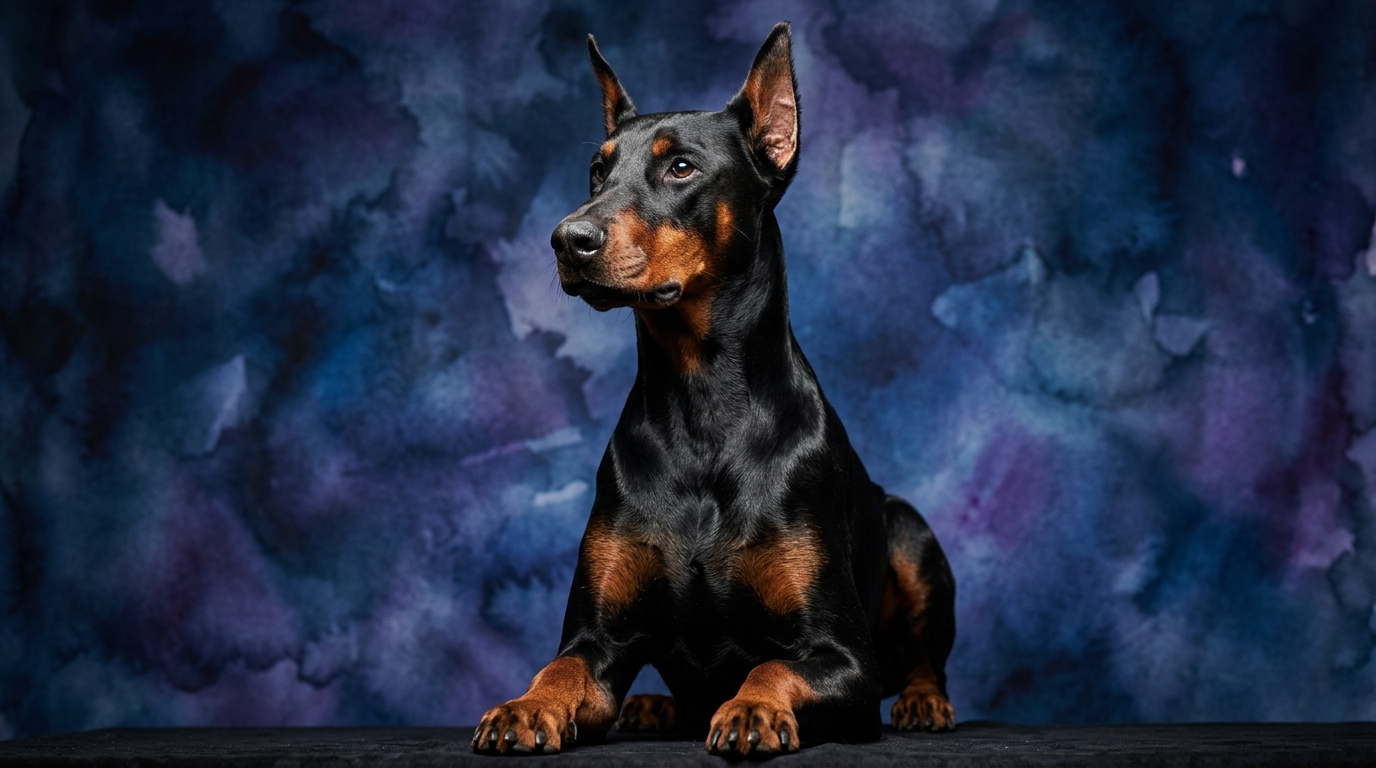
The Doberman Pinscher, ranking #5 on the Coren intelligence scale, presents a formidable cognitive profile. Their Problem Solving (5/5) means they can quickly assess novel situations and devise effective solutions, often independently. Training Speed (5/5) indicates an exceptional ability to grasp new commands and routines with minimal repetition. Social Intelligence (4/5) reflects a strong understanding of human cues and social hierarchies, crucial for their guardian roles, though perhaps not as universally adaptable as some pure companion breeds. Instinctive Drive (5/5) signifies powerful inherent behaviors, like guarding, tracking, or protection, which are deeply ingrained and readily expressed. Memory (5/5) ensures they retain learned information, commands, and experiences over long periods, making their training durable and reliable.
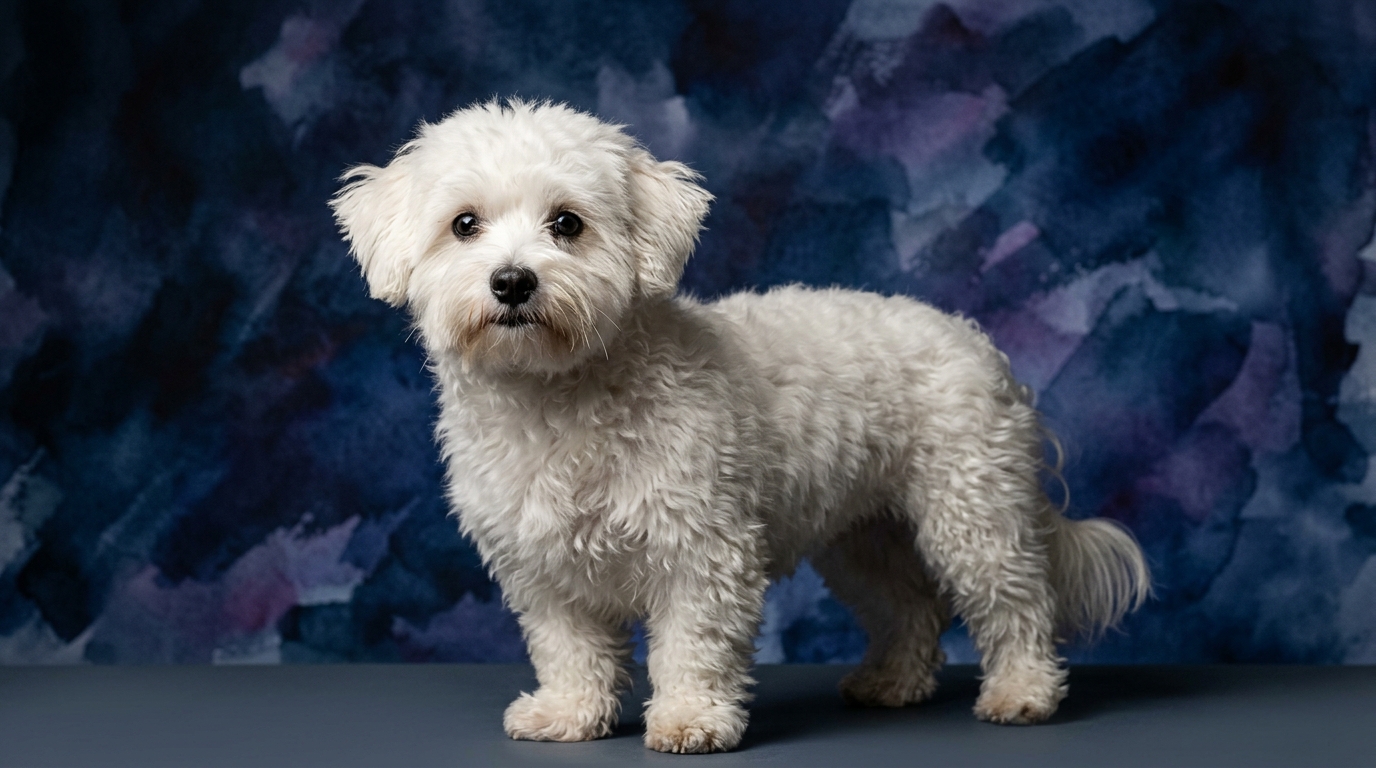
The Coton de Tuléar, a Non-Sporting breed not listed on the Coren scale, exhibits a more moderate and balanced cognitive makeup. Their Problem Solving (3/5) suggests they can handle routine challenges but may struggle with complex, abstract tasks, preferring familiar solutions. Training Speed (3/5) means they learn at a moderate pace, requiring more patience and repetition than a Doberman, but are certainly capable of mastering basic obedience and tricks. Social Intelligence (3/5) allows them to connect well with family members and adapt to household dynamics, expressing affection and understanding emotional states without the intense focus of a working dog. Instinctive Drive (3/5) points to a moderate level of natural behaviors, generally expressed as curiosity or playful chasing, rather than strong protective or hunting urges. Memory (3/5) indicates they retain information adequately for a pet, remembering routines and familiar faces, though perhaps not with the precision of a Doberman.
Where the Doberman Pinscher Excels Cognitively
The Doberman Pinscher truly shines in areas demanding rigorous mental engagement and rapid, precise execution. Their 5/5 Problem Solving score means they excel at tasks requiring complex sequences, like navigating agility courses or deciphering puzzle toys designed for advanced users, often finding innovative solutions that bypass conventional methods. This breed's 5/5 Training Speed is unparalleled; they can commit new commands to memory after only a handful of repetitions, making them ideal candidates for specialized roles such as police work, search and rescue, or competitive obedience where quick learning is paramount. Furthermore, their 5/5 Memory ensures that once a skill is learned, it's rarely forgotten, providing a steadfast reliability in their performance over years. This cognitive profile makes them highly adaptable to structured environments where their mental faculties are consistently challenged and directed towards a purpose, allowing them to process vast amounts of information and act decisively. Their powerful Instinctive Drive (5/5) for protection and vigilance, combined with their sharp cognitive tools, allows them to assess threats and react appropriately, demonstrating a sophisticated understanding of their environment and role.
Where the Coton de Tuléar Excels Cognitively
While the Coton de Tuléar's cognitive scores are moderate across the board, their particular blend of aptitudes constitutes an advantage in the context of companion animal suitability and a harmonious home life. Their 3/5 Instinctive Drive means they generally lack the intense, sometimes overwhelming, urges seen in working breeds. This translates into a dog less prone to independent “missions” like intense guarding or persistent hunting, which can be challenging to manage in a domestic setting. Instead, their drives manifest as curiosity and a desire for playful interaction, making them less likely to redirect their mental energy into destructive behaviors if not constantly stimulated. The Coton's 3/5 Social Intelligence, while not as acutely focused as a Doberman's, is perfectly calibrated for forming deep, affectionate bonds within a family. They are adept at reading human emotions and responding with empathy, often seeking comfort or offering gentle companionship without the need for complex intellectual games or demanding tasks. This allows them to thrive in environments where their primary role is to be a loving, adaptable family member, requiring a less intense cognitive workload and offering a more relaxed mental presence compared to their more driven counterparts. Their moderate Problem Solving (3/5) and Training Speed (3/5) are more than sufficient for mastering household manners and charming tricks, making them accessible to a wider range of owners who appreciate a dog that is engaged but not constantly demanding intellectual challenges.
Trainability: Doberman Pinscher vs. Coton de Tuléar
Determining which breed is “easier” to train depends heavily on the owner's experience and training goals. The Doberman Pinscher, with its 5/5 Training Speed and 5/5 Memory, absorbs commands with remarkable swiftness. They are eager to learn and possess a deep capacity for understanding complex instructions, making them highly trainable for advanced tasks, protection work, or competitive dog sports. However, this same cognitive prowess, coupled with a 5/5 Instinctive Drive and 5/5 Problem Solving, means a Doberman requires an owner who can consistently provide clear direction, mental stimulation, and firm, fair leadership. Without it, their sharp minds and strong drives can lead to them making their own decisions, which might not align with human expectations, presenting a challenge for novice owners. They learn quickly, but their strong will and intellectual capacity demand a trainer capable of channeling their mental energy effectively.
The Coton de Tuléar, with 3/5 scores across Training Speed and Memory, learns at a more moderate pace, requiring more repetition and patience. However, their generally lower instinctive drive and moderate problem-solving skills mean they are often less inclined to challenge authority or invent their own solutions to problems that conflict with training. They tend to be eager to please and respond well to positive reinforcement, making them quite amenable to basic obedience and house training for the average pet owner. While they might not master complex routines as quickly as a Doberman, their pleasant demeanor and less intense cognitive demands can make the training process feel “easier” and less demanding for someone seeking a well-mannered companion rather than a working dog. Their training success often lies in consistency and positive reinforcement, rather than needing to manage profound drives or complex decision-making processes.
Lifestyle Suitability: Active vs. Relaxed Owners
For the truly active owner seeking a partner in adventure and challenge, the Doberman Pinscher is an exceptional fit. Their 5/5 Instinctive Drive translates into a robust need for physical exertion and mental engagement. These dogs thrive when given a “job,” whether it's participating in Schutzhund, agility, competitive obedience, or even extensive hiking and running. An owner who can dedicate significant time daily to structured exercise, advanced training, and mentally stimulating activities will find the Doberman an incredibly rewarding and responsive companion. Their sharp Problem Solving (5/5) and Memory (5/5) mean they excel in environments where their cognitive abilities are regularly put to the test, preventing boredom which, for a Doberman, can manifest as destructive behavior or hyper-vigilance if their mental energy is not adequately channeled. This breed is not content to be a couch potato; they require an owner whose lifestyle aligns with their profound need for purpose and activity.
Conversely, the Coton de Tuléar is ideally suited for relaxed owners who appreciate a charming, adaptable companion without the demands of a working breed. With moderate scores across all IQ dimensions (3/5), Cotons are content with shorter daily walks, indoor play sessions, and snuggling on the couch. Their lower Instinctive Drive means they aren't constantly seeking a “job” or exhibiting strong protective urges, making them generally more laid-back and less prone to high-energy antics. Their Social Intelligence (3/5) allows them to form strong bonds and enjoy family life without requiring constant, intense interaction or complex mental games to feel fulfilled. They adapt well to various living situations, from apartments to houses with yards, as long as they receive consistent affection and moderate exercise. For owners who desire a delightful, affectionate presence that doesn't demand an extreme commitment to physical and mental workouts, the Coton de Tuléar offers a perfectly balanced and joyful companionship.
The Verdict
Choose a Doberman Pinscher if you are an experienced owner prepared to commit to rigorous physical activity, advanced training, and consistent mental challenges for a highly driven, purpose-oriented companion.
Opt for a Coton de Tuléar if you desire an affectionate, adaptable companion for a more relaxed lifestyle, appreciating moderate exercise needs and a charming, less demanding cognitive presence.
🧠 Find Your Pet's IQ Score
Our Pet IQ Lab assessment covers 25+ tests across 5 cognitive dimensions — personalized to your breed.
Take the Full IQ Test →Frequently Asked Questions
Is a Coton de Tuléar difficult to train because its IQ scores are lower?
No, a Coton de Tuléar is not inherently difficult to train, despite its moderate IQ scores. While they may take longer to learn new commands than a Doberman Pinscher, their eagerness to please and generally lower instinctive drives make them quite receptive to positive reinforcement and consistent basic obedience training for a pet home.
Does a Doberman Pinscher need constant mental stimulation?
Yes, a Doberman Pinscher absolutely thrives on and requires consistent mental stimulation due to its high problem-solving ability, memory, and instinctive drive. Without regular mental challenges through training, puzzle toys, or structured activities, they can become bored, potentially leading to undesirable behaviors.
How does "instinctive drive" differ between the two breeds?
The Doberman Pinscher's 5/5 instinctive drive manifests as powerful, inherent urges for protection, vigilance, and purposeful work, requiring careful channeling. The Coton de Tuléar's 3/5 instinctive drive is more moderate, typically expressed as curiosity or playful chasing, making them less prone to intense, independent actions.