
Side-by-Side Cognitive Profiles
The Doberman Pinscher, a member of the Working Group and ranked #5 on Coren's list of dog intelligence, exhibits a cognitive profile tailored for complex roles. Their Problem Solving is rated 5/5, indicating a remarkable capacity to analyze situations and devise effective solutions. Training Speed also stands at 5/5, meaning they grasp new commands and routines with exceptional swiftness. Social Intelligence is strong at 4/5, suggesting a good understanding of human cues and social dynamics, though perhaps with a focused rather than universally gregarious approach. An Instinctive Drive of 5/5 highlights their profound motivation for tasks, often rooted in protection or service, while their Memory, also 5/5, ensures they retain learned information and experiences with enduring clarity.
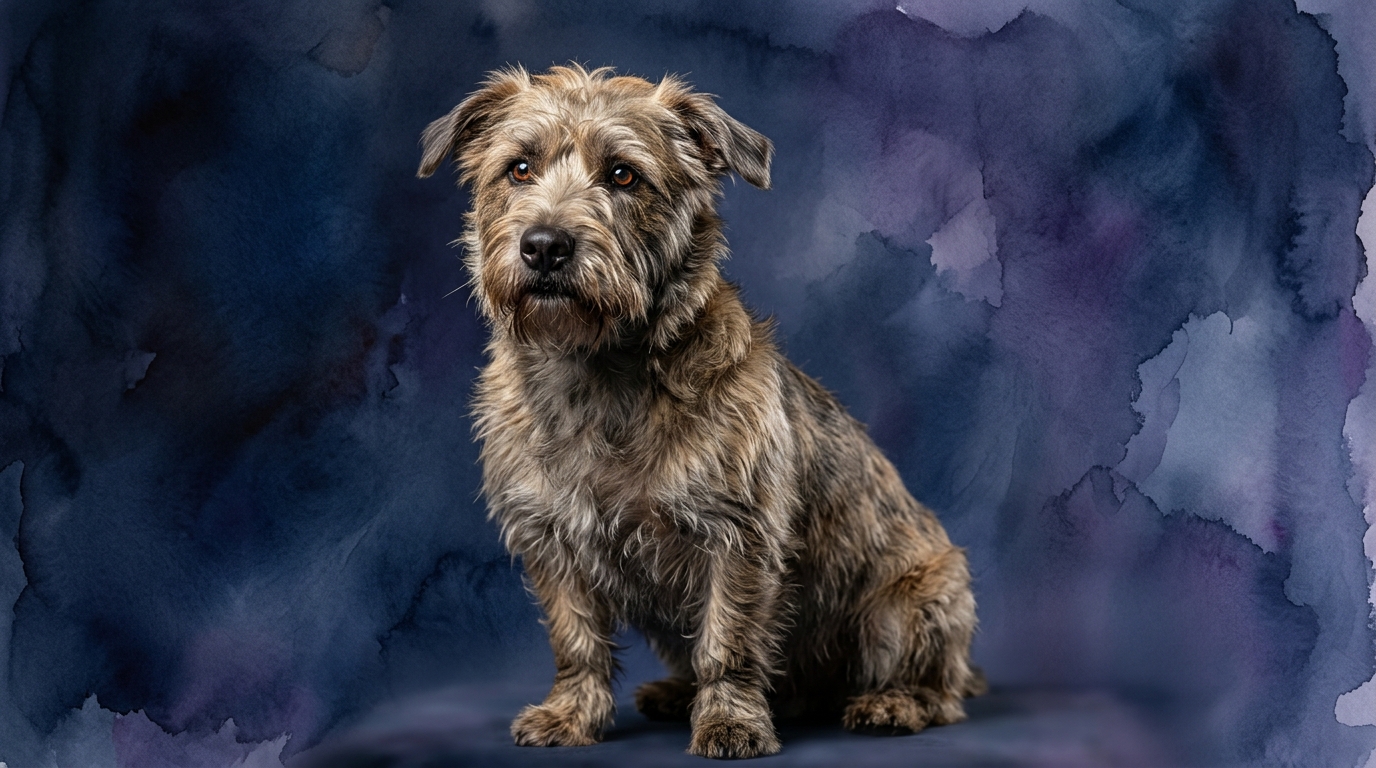
In contrast, the Glen of Imaal Terrier, a robust Terrier Group member not listed on Coren's ranking, presents a more uniformly moderate cognitive profile. Their Problem Solving is rated 3/5, signifying a practical aptitude for tasks, often involving physical challenges rather than abstract reasoning. Training Speed is 3/5, meaning they learn at a steady pace, requiring consistent and patient instruction. Social Intelligence also registers at 3/5, suggesting they form bonds selectively and might display a reserved demeanor with strangers. Their Instinctive Drive, rated 3/5, points to a focused tenacity typical of terriers, particularly for tasks like digging or hunting vermin, while their Memory at 3/5 indicates a functional recall for relevant experiences.
Where the Doberman Pinscher Excels Cognitively
The Doberman Pinscher's cognitive architecture is designed for high-performance roles, showcasing an impressive array of mental faculties. Their 5/5 Problem Solving capacity means they are adept at navigating complex environments, making them suitable for roles requiring quick thinking, such as search and rescue or advanced obedience. This breed doesn't merely follow commands; they often anticipate needs and adapt strategies based on evolving circumstances, a testament to their analytical prowess.
A 5/5 Training Speed is a cornerstone of the Doberman's cognitive advantage, allowing them to absorb new information and behaviors with remarkable efficiency. This rapid learning curve makes them highly responsive to instruction and capable of mastering intricate sequences of commands. Coupled with a 5/5 Memory, once a Doberman learns something, it tends to stick, enabling them to build a vast repertoire of skills and knowledge over their lifetime. Their 5/5 Instinctive Drive further channels their mental energy into purposeful action, whether it's protection, sports, or companionship, providing a robust internal engine for their cognitive application.
Where the Glen of Imaal Terrier Shines Cognitively
While the Glen of Imaal Terrier's cognitive scores are consistently moderate at 3/5, these ratings reflect a different kind of mental strength, one rooted in resilience and independent focus. Their 3/5 Problem Solving capability manifests as a practical, earth-dog intelligence, excelling at tasks requiring perseverance and physical ingenuity, such as navigating tunnels or extracting quarry. They may not solve abstract puzzles with the Doberman's speed, but they demonstrate a robust, tenacious approach to tangible challenges.
The Glen's 3/5 Instinctive Drive is not a broad, encompassing motivation, but rather a deeply ingrained, specific urge tied to their terrier heritage. This drive fuels their determination in pursuits like digging or tracking, allowing them to remain singularly focused on a task with enduring resolve. Their 3/5 Social Intelligence, while not indicating a universal affability, often translates into a discerning loyalty, forming deep, albeit selective, bonds with their chosen humans. This independent streak means they are less reliant on constant human direction, a quality some owners find appealing in a companion.
Training Ease: A Tale of Two Temperaments
When it comes to training, the Doberman Pinscher stands out as a distinctly more amenable pupil. Their 5/5 Training Speed means they pick up new commands and complex routines almost effortlessly, often requiring fewer repetitions than many other breeds. This rapid assimilation, combined with their 4/5 Social Intelligence, allows them to keenly observe and respond to human cues, making them highly responsive to positive reinforcement and clear direction. They thrive on having a job to do and excel in structured learning environments, making advanced obedience, agility, or protection training deeply rewarding.
The Glen of Imaal Terrier, with a 3/5 Training Speed, presents a different training journey. They are capable learners, but their progress is steadier, demanding patience and consistency. Their 3/5 Social Intelligence means they may be less inclined to blindly follow commands and more prone to independent thought, a hallmark of the terrier temperament. Training a Glen requires understanding their inherent tenacity and working with, rather than against, their sometimes stubborn nature. Owners must employ engaging, varied methods to hold their interest, as repetitive drills can lead to disengagement, highlighting their need for mental stimulation that feels purposeful to them.
Matching Canine Minds to Lifestyles
The Doberman Pinscher is an ideal match for active owners who seek a canine partner deeply engaged in shared activities. Their 5/5 Instinctive Drive and exceptional cognitive scores make them excellent candidates for advanced dog sports like Schutzhund, agility, competitive obedience, or even therapy work. Owners who enjoy structured training, consistent mental challenges, and having a dog that can quickly learn and execute complex tasks will find the Doberman's intellectual capacity profoundly rewarding. They thrive in environments where their minds are as exercised as their bodies, making them suitable for individuals or families committed to providing extensive daily engagement and leadership.
Conversely, the Glen of Imaal Terrier suits owners who appreciate a more independent, resilient, and less demanding companion, though still requiring consistent engagement. Their moderate instinctive drive and problem-solving skills mean they are content with a blend of moderate exercise and mental stimulation that taps into their terrier instincts, such as scent games or supervised digging. Owners who are relaxed but consistent, who enjoy the unique character of a self-sufficient dog, and who are prepared for the occasional terrier stubbornness will find a devoted friend in the Glen. They are often a good fit for those who value a loyal presence without the intense drive for constant high-level performance, preferring a companion that is more of a quiet, steadfast presence after their daily activities are met.
The Verdict: Choosing Your Cognitive Companion
The Verdict
Choose the Doberman Pinscher if you desire a highly trainable, cognitively agile partner for complex tasks, dog sports, or dedicated protection work, and you are prepared for extensive mental and physical engagement. Their exceptional learning speed and memory make them excellent for owners committed to advanced training.
Opt for the Glen of Imaal Terrier if you appreciate a resilient, independent companion with a focused, practical intelligence, and you are prepared for a consistent yet patient training approach. They suit owners seeking a loyal, less overtly demanding presence that still enjoys purposeful activities.
🧠 Find Your Pet's IQ Score
Our Pet IQ Lab assessment covers 25+ tests across 5 cognitive dimensions — personalized to your breed.
Take the Full IQ Test →Frequently Asked Questions
Are Doberman Pinschers difficult to manage due to their high drive?
Doberman Pinschers possess a 5/5 Instinctive Drive, which means they channel significant energy into tasks. While this makes them highly capable and focused, it requires consistent mental and physical outlets to prevent boredom or destructive behaviors. Owners committed to providing structured training and activities will find this drive manageable and rewarding.
Do Glen of Imaal Terriers get along well with other pets or children?
Glen of Imaal Terriers have a 3/5 Social Intelligence, suggesting they can be selective in their bonds. They typically do well with children and other pets if socialized early and consistently, but their independent terrier nature might mean they prefer to interact on their own terms. Supervision is always advisable, especially with smaller pets due to their hunting instincts.
How much mental stimulation does a Doberman Pinscher need daily?
Given their 5/5 Problem Solving and Memory, Doberman Pinschers require substantial daily mental stimulation beyond just physical exercise. This can include advanced obedience training, puzzle toys, scent work, or learning new tricks. Engaging their minds for at least 30-60 minutes daily, in addition to physical activity, helps keep them content and well-behaved.