The Cosmic Pet Pet IQ Lab: Side-by-Side Profiles
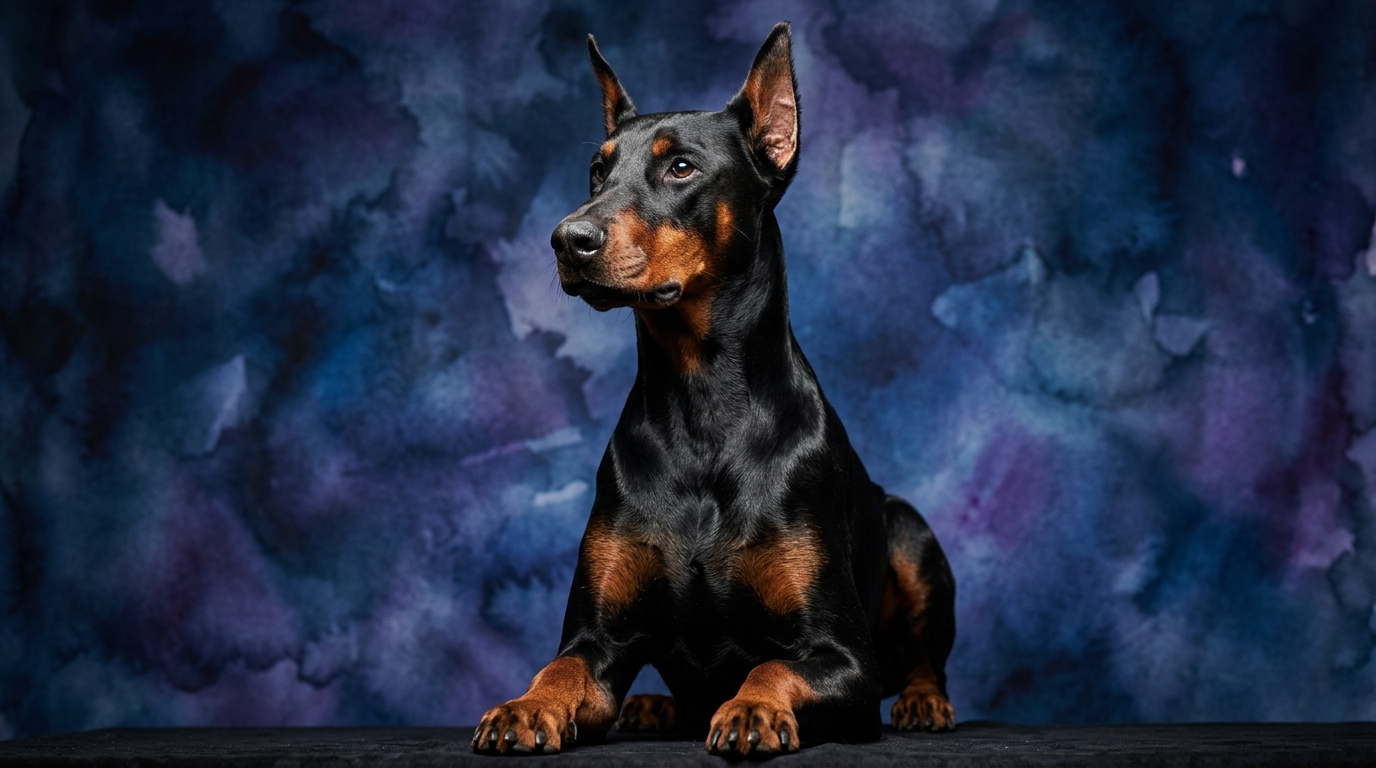
The Doberman Pinscher presents an exceptional cognitive profile, reflecting its heritage as a discerning guardian. Its Problem Solving and Training Speed both score a perfect 5/5, indicating a powerful capacity for strategic thinking, rapid learning, and quick adaptation to new challenges. With a 4/5 Social Intelligence, they form deep, perceptive bonds, keenly interpreting human cues. A potent 5/5 Instinctive Drive fuels their focus and persistence for purposeful activity, while a 5/5 Memory ensures remarkable retention of learned behaviors and experiences over time, contributing to their consistent reliability.
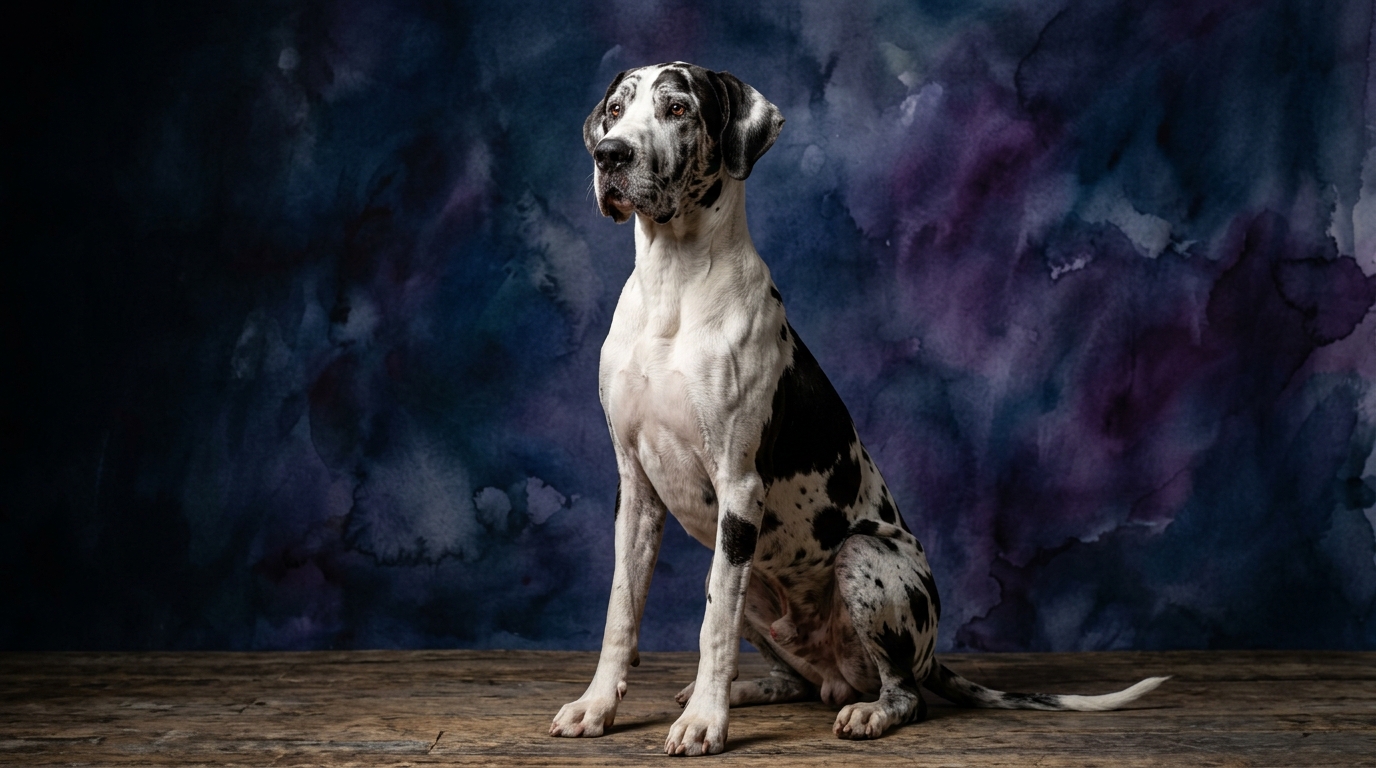
In contrast, the Great Dane offers a distinct cognitive blueprint. Its Problem Solving and Training Speed both rate 3/5, suggesting competence in moderate complexity but a preference for established patterns and a more deliberate learning pace. Like the Doberman, its Social Intelligence is 4/5, highlighting a strong capacity for empathy and understanding social dynamics, fostering affectionate companionship. The Great Dane's Instinctive Drive is 3/5, signifying a moderate inclination towards specific tasks, often favoring comfort and interaction over intense, sustained work. Its Memory at 3/5 means information is retained well, though regular reinforcement helps maintain precision.
Where the Doberman Pinscher Cognitively Excels
The Doberman Pinscher's cognitive advantage lies in its remarkable mental agility and unwavering work ethic. Its perfect 5/5 Problem Solving and Training Speed mean this breed not only grasps new concepts with astonishing quickness but also applies that understanding to novel situations, excelling in tasks requiring complex sequencing and rapid decision-making. They are adept at figuring out intricate puzzles and learning advanced command sets in minimal repetitions, making them highly efficient learners.
Their high 5/5 Instinctive Drive further amplifies this cognitive prowess, ensuring they actively seek engagement and purpose. This powerful internal motivation, combined with a 5/5 Memory, means Dobermans are highly reliable once trained, consistently performing tasks with precision and rarely forgetting what they have learned. This makes them exceptional partners for roles demanding sustained focus and a proactive approach, such as protection work or competitive canine sports.
Where the Great Dane Cognitively Shines
While not competing with the Doberman's raw speed of learning, the Great Dane’s cognitive strengths manifest in its profound social understanding and emotional depth. Its 4/5 Social Intelligence indicates a perceptive ability to interpret human moods and intentions, fostering a deep, empathetic connection. This keen social awareness contributes to their reputation as gentle giants, adept at navigating complex family dynamics and interacting sensitively with children or other animals, often relying on subtle cues rather than direct commands.
The Great Dane's moderate 3/5 Instinctive Drive is also a distinct advantage in specific contexts. Unlike breeds with an overwhelming drive for constant activity, the Great Dane often exhibits a more contemplative and relaxed approach to life. This translates into a dog generally less prone to anxiety or destructive behaviors stemming from an unmet need for constant 'work.' Their cognitive makeup promotes a calm demeanor, allowing them to be highly adaptable family companions who thrive on comfort and companionship rather than requiring an incessant stream of mental challenges.
Training Dynamics: Doberman Pinscher vs. Great Dane
The Doberman Pinscher is typically easier to train for complex tasks and obedience due to its 5/5 Training Speed and 5/5 Problem Solving. They absorb commands rapidly, generalize quickly, and actively seek to understand what is expected of them, often anticipating the next step. Their high Instinctive Drive means they are highly motivated to perform and please, making them exceptionally responsive to clear, consistent direction and structured training environments that offer mental engagement.
The Great Dane, with its 3/5 Training Speed and Problem Solving, requires a more patient and consistent approach. While perfectly capable of learning, they may take more repetitions to solidify a command and might not generalize new skills as readily across different environments. Their more moderate Instinctive Drive means that while they enjoy interaction, they may not possess the same inherent eagerness for repetitive drilling. Training a Great Dane benefits greatly from positive reinforcement, shorter sessions, and making the learning process enjoyable to maintain their focus.
Lifestyle Compatibility: Active vs. Relaxed Owners
The Doberman Pinscher suits active owners prepared to provide significant mental stimulation and physical exercise. Their high Problem Solving, Training Speed, and Instinctive Drive demand a 'job' or consistent engagement to channel their energy constructively. Owners interested in dog sports, advanced obedience, or protection work will find a Doberman a willing and capable partner, thriving on a challenging and structured routine that prevents boredom.
The Great Dane suits owners who appreciate a more relaxed pace but can still provide regular, moderate exercise. While large, their moderate Instinctive Drive means they are often content with daily walks and comfortable companionship rather than intense, sustained activity. Owners who enjoy a gentle, affectionate companion and are prepared for a dog with a more contemplative learning style will find the Great Dane a rewarding match, as their social intelligence allows them to thrive on deep connection without constant rigorous cognitive demands.
The Verdict
Select a Doberman Pinscher if you desire a highly engaged, quick-thinking companion eager for complex training, competitive dog sports, or a demanding working role, and you are committed to providing substantial mental and physical outlets.
Opt for a Great Dane if you seek a gentle, emotionally perceptive giant who thrives on affectionate companionship and moderate activity, and you are prepared for a patient, consistent training approach that acknowledges their more relaxed learning pace.
🧠 Find Your Pet's IQ Score
Our Pet IQ Lab assessment covers 25+ tests across 5 cognitive dimensions — personalized to your breed.
Take the Full IQ Test →Frequently Asked Questions
Do Great Danes struggle with training?
Great Danes don't struggle, but they learn at a more moderate pace than some breeds, reflected in their 3/5 Training Speed. Consistency, patience, and positive reinforcement are key, making learning enjoyable and reinforcing commands over time to ensure retention.
What kind of mental stimulation does a Doberman Pinscher need?
A Doberman Pinscher requires extensive mental stimulation, leveraging their 5/5 Problem Solving and Instinctive Drive. This can include advanced obedience, puzzle toys, scent work, agility, or engaging in tasks that challenge their strategic thinking and problem-solving capabilities.
How does social intelligence differ between the two breeds?
Both breeds score 4/5 in Social Intelligence, meaning they are adept at reading human cues and forming strong bonds. The Doberman might use this to anticipate commands and handler intentions, while the Great Dane often uses it for empathetic connection and gentle, perceptive interaction within the family.