Side-by-Side IQ Profile: Doberman Pinscher vs. Greater Swiss Mountain Dog
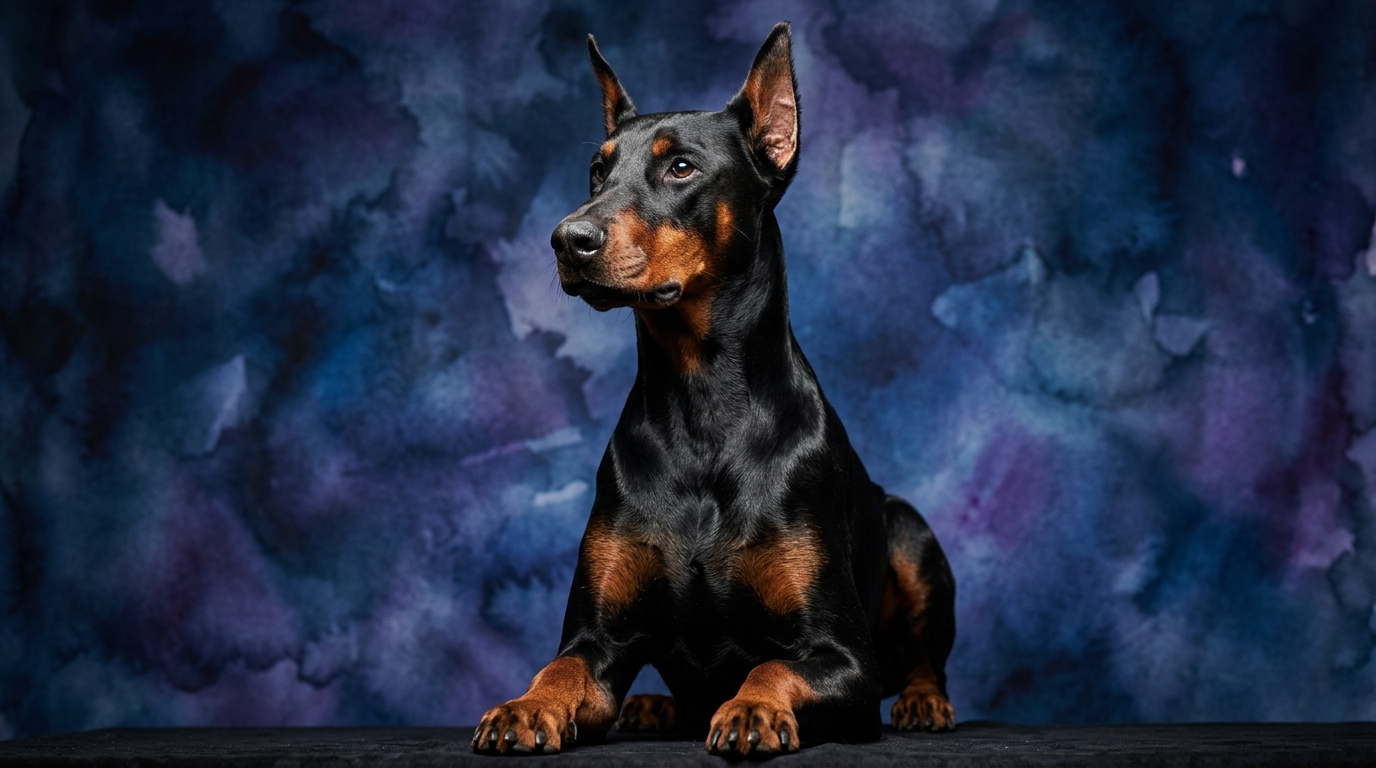
The Doberman Pinscher, ranked #5 by Coren, demonstrates a formidable cognitive architecture across all five dimensions. Its Problem Solving is rated 5/5, indicating an exceptional capacity to analyze complex situations and independently devise solutions, whether it's navigating an obstacle course or identifying a perceived threat. This breed's Training Speed also scores a perfect 5/5, meaning it absorbs new commands and routines with remarkable swiftness, often needing only a handful of repetitions to master a concept. Social Intelligence stands at a robust 4/5, showing a keen ability to interpret human intentions, moods, and subtle social cues, making them highly perceptive companions. An Instinctive Drive of 5/5 highlights their powerful inherent motivation for tasks, protection, and purposeful engagement, fueling their tireless work ethic. Finally, their Memory is rated 5/5, signifying a strong ability to retain vast amounts of learned information, commands, and experiences over extended periods, supporting advanced learning and recall.
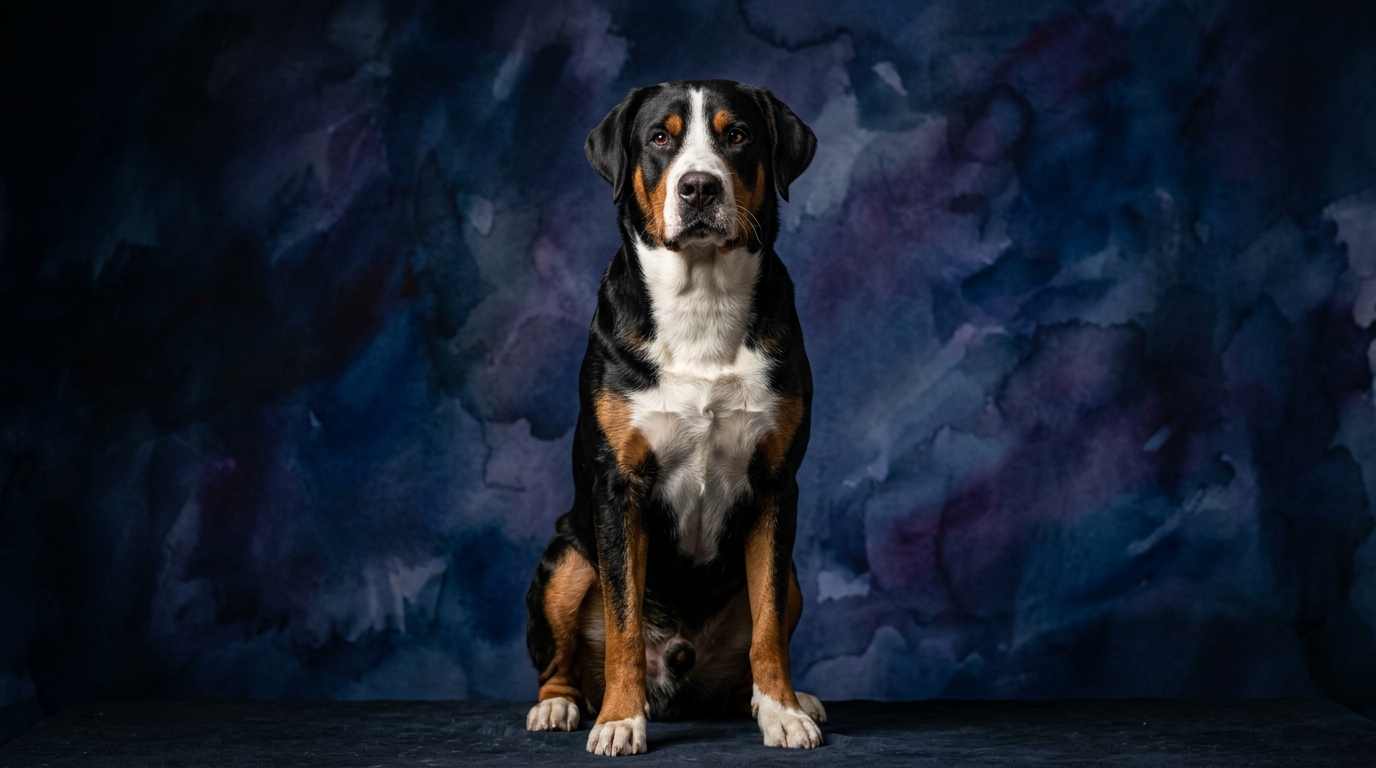
In contrast, the Greater Swiss Mountain Dog, while unranked by Coren, presents a more measured and steady cognitive profile, with consistent 3/5 scores across all categories. Its Problem Solving (3/5) suggests a methodical approach to challenges; they are capable of understanding and resolving straightforward issues but may require more time and guidance for complex scenarios. The Training Speed (3/5) indicates a moderate learning pace, where new commands are absorbed with consistent, patient repetition and positive reinforcement. Social Intelligence (3/5) means they understand basic human cues and bond deeply, but may not interpret subtle emotional shifts with the same intensity or anticipate complex social dynamics as keenly as higher-scoring breeds. Their Instinctive Drive (3/5) is steady and purposeful, reflecting their historical role as farm dogs – motivated but without the constant need for high-octane engagement. Lastly, their Memory (3/5) is solid for essential commands and routines learned through consistent practice, retaining information reliably, though perhaps benefiting from periodic refreshers for less frequently used knowledge.
Where Doberman Pinscher's Cognition Excels
The Doberman Pinscher's cognitive strengths make it an unparalleled candidate for roles requiring rapid decision-making, precise execution, and sustained mental effort. Its 5/5 problem-solving ability means a Doberman can independently assess and react to dynamic situations, such as identifying a missing family member or navigating an unfamiliar environment to achieve a goal. This cognitive agility is invaluable in protection work, search and rescue, or competitive dog sports where split-second judgment is critical. The Doberman's perfect 5/5 training speed allows for the rapid acquisition of complex command sequences and nuanced tasks, making them highly adaptable to specialized roles like service work or advanced obedience. Furthermore, their 5/5 instinctive drive ensures they approach these challenges with an unwavering focus and eagerness to perform, rarely losing motivation even during prolonged or difficult training sessions. This combination of quick learning, keen perception (4/5 social intelligence), and robust memory (5/5) means a Doberman can not only learn intricate tasks quickly but also apply them appropriately and remember them for life, making them exceptionally versatile and reliable partners in demanding environments.
Where Greater Swiss Mountain Dog's Cognitive Profile Shines
While the Greater Swiss Mountain Dog's scores are consistently moderate, their cognitive profile offers distinct advantages for specific lifestyles and roles. Their 3/5 problem-solving and training speed, coupled with a 3/5 instinctive drive, translates to a dog that is typically less prone to overthinking or becoming bored and destructive if not constantly challenged with high-intensity mental tasks. This steadiness can be a cognitive benefit for owners seeking a predictable companion that is less likely to engage in independent, creative mischief when left to its own devices. The GSMD's moderate social intelligence (3/5) means they are affectionate and connected to their family without the intense scrutiny or potential for anxiety that can sometimes accompany higher social perception in other breeds; they are robustly social without being overly sensitive to every subtle human cue. Their deliberate learning style means that once a task is learned through consistent, patient training, it is typically deeply ingrained, leading to reliable, steady performance rather than brilliant but potentially inconsistent flashes of insight. For owners who value a calm, dependable, and less mentally demanding companion that can still perform necessary tasks reliably, the Greater Swiss Mountain Dog's balanced cognitive traits are a significant asset.
Training Dynamics: Doberman Pinscher vs. Greater Swiss Mountain Dog
Training a Doberman Pinscher is typically a swift and rewarding experience due to their 5/5 training speed and problem-solving abilities. They grasp new concepts with remarkable alacrity, often anticipating commands or figuring out what's expected after only a few repetitions. This means trainers can quickly advance to complex sequences and nuanced behaviors, leveraging the Doberman's high instinctive drive (5/5) to maintain focus and motivation. However, their sharp mind also means they can quickly learn undesirable behaviors if not consistently guided, requiring an owner who can keep pace with their rapid cognitive processing and provide consistent, challenging mental engagement. A Doberman thrives on structure and purpose, and a lack thereof can lead to a misdirection of their considerable mental energy.
Conversely, training a Greater Swiss Mountain Dog requires a more patient and consistent approach, aligned with their 3/5 training speed and problem-solving scores. They learn reliably but not instantly, benefiting from clear, concise instructions and ample positive reinforcement. Repetition is key to solidifying behaviors, and owners should be prepared for a more gradual progression through training stages. Their moderate instinctive drive (3/5) means they are motivated by tasks but are less prone to becoming overstimulated or frustrated by slower progress, making them steady and amenable learners. While they may not pick up on subtle cues as quickly as a Doberman, their loyalty and desire to please, combined with their robust memory (3/5), ensure that once a behavior is learned, it is deeply ingrained and reliably performed. The key is to make training an enjoyable, consistent routine, rather than expecting immediate mastery.
Lifestyle Fit: Active Owners vs. Relaxed Owners
The Doberman Pinscher's high cognitive scores and intense instinctive drive make it an ideal companion for active owners who can provide substantial mental and physical engagement. Their 5/5 problem-solving and drive demand consistent challenges, whether through advanced obedience training, dog sports like agility or Schutzhund, or intricate puzzle toys that leverage their memory and intelligence. Owners who lead a dynamic lifestyle, enjoy structured activities, and can dedicate significant time to training and mental stimulation will find a Doberman to be an enthusiastic and capable partner. A Doberman thrives on having a job to do and requires an owner who understands and can channel their intense mental energy effectively, preventing boredom-induced behaviors.
The Greater Swiss Mountain Dog, with its more moderate cognitive profile, is better suited for owners who appreciate a steady, less demanding pace. While still a working breed that benefits from regular exercise and mental engagement, their 3/5 scores across the board mean they are less likely to become anxious or destructive if not constantly challenged with high-octane activities. Their robust and calm demeanor makes them excellent companions for families who enjoy regular walks, moderate hikes, and consistent but not overly intense training sessions. Relaxed owners who can provide a stable routine, clear guidance, and plenty of affectionate interaction will find the GSMD to be a loyal, dependable, and relatively low-stress cognitive companion. They are content to be part of family life without the constant need for complex problem-solving tasks or intense mental puzzles.
The Verdict
Choose the Doberman Pinscher if you are an experienced owner seeking a highly responsive, adaptable canine partner for advanced training, protection, or competitive sports, and can provide rigorous mental and physical stimulation.
Opt for the Greater Swiss Mountain Dog if you desire a steadfast, predictable companion that thrives on consistent routines and moderate engagement, offering a robust presence without the intense cognitive demands of a Doberman.
🧠 Find Your Pet's IQ Score
Our Pet IQ Lab assessment covers 25+ tests across 5 cognitive dimensions — personalized to your breed.
Take the Full IQ Test →Frequently Asked Questions
Which breed learns new commands faster?
The Doberman Pinscher learns new commands significantly faster, with a training speed score of 5/5, often grasping concepts in just a few repetitions. The Greater Swiss Mountain Dog, with a 3/5 training speed, learns reliably but requires more consistent repetition and patience.
Which breed requires more mental stimulation daily?
The Doberman Pinscher generally requires more intense and consistent daily mental stimulation due to its 5/5 problem-solving and instinctive drive. The Greater Swiss Mountain Dog, with 3/5 scores, needs regular engagement but is less prone to becoming destructive if not constantly challenged with complex tasks.
Are Greater Swiss Mountain Dogs difficult to train?
Greater Swiss Mountain Dogs are not difficult to train, but they learn at a moderate pace (3/5 training speed) and require patient, consistent methods. They respond well to positive reinforcement and clear guidance, making them reliable, albeit not lightning-fast, learners.