
Side-by-Side IQ Profile: Doberman Pinscher vs. Japanese Chin
The Doberman Pinscher, a distinguished member of the Working group, commands attention with its exceptional cognitive scores, reflecting its purposeful breeding. Ranked #5 in Coren's intelligence hierarchy, this breed exhibits top-tier problem-solving ability (5/5), remarkable training speed (5/5), a profound instinctive drive (5/5), and an impressive memory (5/5). Its social intelligence stands at a robust 4/5, indicating a strong capacity for understanding human cues and social structures, often channeled into protective roles and close familial bonds. These attributes combine to create a canine partner capable of intricate learning and complex task execution, thriving on mental engagement and structured interaction.
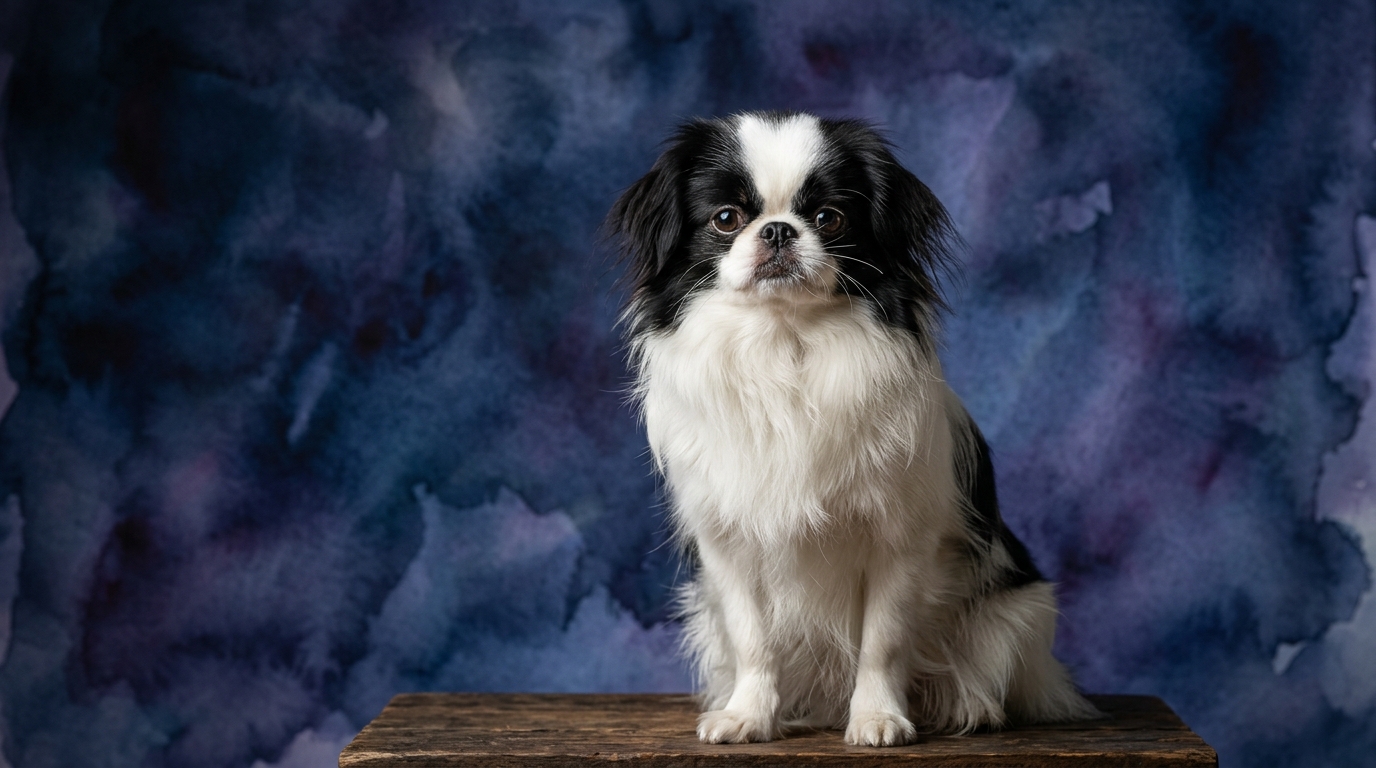
In contrast, the Japanese Chin, a charming member of the Toy group, presents a different, yet equally valid, cognitive blueprint. This breed is not listed in Coren's ranking, which often focuses on working obedience, but its intelligence profile is tailored for companionship. Across all five dimensions – problem-solving, training speed, social intelligence, instinctive drive, and memory – the Japanese Chin consistently scores a moderate 3/5. This balanced, mid-range cognitive capacity suggests a dog that is adaptable, capable of learning household routines and basic commands, and perfectly equipped for a life of gentle interaction without the intense mental demands of a working counterpart. Their cognitive makeup emphasizes contentment and ease of living within a domestic setting.
Where the Doberman Pinscher Wins Cognitively
The Doberman Pinscher's cognitive architecture is designed for peak performance and utility, showcasing clear advantages in several domains. Its 5/5 score in problem-solving means it excels at navigating novel situations and figuring out solutions independently, whether it's opening a gate or devising a strategy to retrieve a hidden toy. This mental agility translates directly into its training speed, also rated 5/5, allowing Dobermans to grasp new commands and complex sequences with remarkable swiftness, often requiring fewer repetitions than many other breeds. This rapid absorption of information makes them highly responsive to advanced obedience, agility, and protection training.
Furthermore, the Doberman's formidable 5/5 instinctive drive is a powerful cognitive asset, manifesting as an inherent motivation to perform tasks, guard territory, or protect its family. This deep-seated drive, when properly channeled, provides an unparalleled work ethic and focus, enabling them to sustain concentration on demanding tasks over extended periods. Coupled with a 5/5 memory, Dobermans retain a vast repertoire of commands, experiences, and associations, making their learned behaviors highly reliable and enduring. This exceptional recall ensures consistency in their responses, whether remembering intricate multi-step routines or recognizing individuals after long absences.
Where the Japanese Chin Wins Cognitively
While the Japanese Chin's cognitive scores are moderate compared to the Doberman's, its specific intellectual profile offers distinct advantages particularly suited for its role as a cherished companion. Its 3/5 social intelligence, for instance, means it is acutely aware of human emotions and household dynamics without the intense need to lead or exert dominance often seen in working breeds. This fosters a gentle, empathetic bond, making them highly attuned to their owner's moods and preferring harmonious, calm interactions rather than challenging or complex social engagements. Their moderate social awareness translates into a less demanding social presence, perfectly fitting a serene home environment.
The Japanese Chin's 3/5 instinctive drive is another cognitive trait that serves its lifestyle well. This lower drive means they are generally less prone to intense territoriality, prey drive, or a compulsive need for a 'job,' which can be overwhelming for some owners. Instead, their cognitive energy is directed towards quiet companionship and enjoying the comforts of home, reducing the likelihood of destructive behaviors stemming from unmet working needs. Their 3/5 problem-solving and memory, while not top-tier, are perfectly adequate for navigating a domestic environment, remembering household routines, and recognizing familiar faces, ensuring they are capable, yet uncomplicated, members of the family.
Which is Easier to Train and Why
In the realm of training ease, the Doberman Pinscher undeniably holds a significant advantage. Their 5/5 training speed, combined with 5/5 problem-solving and memory, means they learn new commands, tricks, and complex routines with astonishing rapidity and retain them over time. This cognitive capacity allows for the quick establishment of sophisticated behavioral patterns, making them highly responsive to verbal cues and hand signals. Their strong instinctive drive (5/5) also provides an intrinsic motivation to perform and please, especially when given a clear purpose or task, making them eager participants in training sessions and quick to generalize learned behaviors to new situations.
Conversely, training a Japanese Chin typically requires a more patient and consistent approach. Their 3/5 scores across training speed, problem-solving, and memory indicate that while they are capable of learning, the process will be slower and require more repetition. They may not possess the same intrinsic drive to perform complex tasks or the rapid grasp of abstract concepts as a Doberman. Training efforts should focus on positive reinforcement, short, engaging sessions, and clear, simple commands. Their moderate social intelligence means they respond well to gentle encouragement and positive interaction, but expecting them to master advanced obedience or protection work with the same speed and enthusiasm as a Doberman would be unrealistic.
Which Suits Active Owners vs. Relaxed Owners
For active owners seeking a dynamic and engaged canine partner, the Doberman Pinscher is an ideal match. Their profound instinctive drive (5/5) and high cognitive capacity demand consistent mental stimulation and ample physical exercise to prevent boredom and channel their energy constructively. Owners who enjoy activities like advanced obedience, agility, protection sports, or long, vigorous hikes will find the Doberman an eager and capable participant. This breed thrives when given a 'job' to do, whether it's participating in competitive events or simply being a vigilant, active family guardian, requiring an owner prepared to invest significant time in their physical and mental engagement.
The Japanese Chin, on the other hand, is perfectly suited for more relaxed owners or those living in smaller spaces, valuing a calm and affectionate companion. Their moderate cognitive demands and lower instinctive drive (3/5) mean they are content with shorter, leisurely walks and indoor play, without the constant need for intense mental or physical challenges. They are generally adaptable to a quieter lifestyle, preferring to spend time close to their human companions, enjoying gentle interaction and comfortable surroundings. Owners seeking a low-maintenance exercise routine and a serene presence in their home will find the Japanese Chin's temperament and cognitive profile align seamlessly with their lifestyle.
The Verdict
Choose a Doberman Pinscher if you are an active owner seeking a highly trainable, protective companion for complex tasks, competitive sports, or a demanding working role, and are prepared to provide extensive mental and physical engagement.
Opt for a Japanese Chin if you desire a gentle, adaptable, and less demanding companion for a relaxed home environment, valuing affectionate companionship over intense cognitive challenges or strenuous activity.
🧠 Find Your Pet's IQ Score
Our Pet IQ Lab assessment covers 25+ tests across 5 cognitive dimensions — personalized to your breed.
Take the Full IQ Test →Frequently Asked Questions
Is the Doberman Pinscher truly one of the most trainable breeds?
Yes, its Coren rank of #5 and 5/5 training speed indicate exceptional aptitude for learning commands and complex routines, making it a favorite for advanced obedience, protection, and various working roles due to its rapid comprehension and retention.
Does the Japanese Chin's moderate IQ mean it's difficult to live with or untrainable?
Not at all; its moderate cognitive profile (3/5 across dimensions) means it's adaptable and content with a less demanding mental environment, making it a charming and manageable companion for many households, capable of learning essential commands and routines with patience.
How does instinctive drive impact these breeds differently in a home setting?
A Doberman's 5/5 instinctive drive fuels its protective nature and desire for a 'job,' often requiring outlets like training or guarding duties. In contrast, a Japanese Chin's 3/5 drive makes it less inclined towards intense working behaviors, preferring a calm, companion-oriented existence without constant stimulation, making it generally less prone to high-energy destructive tendencies.