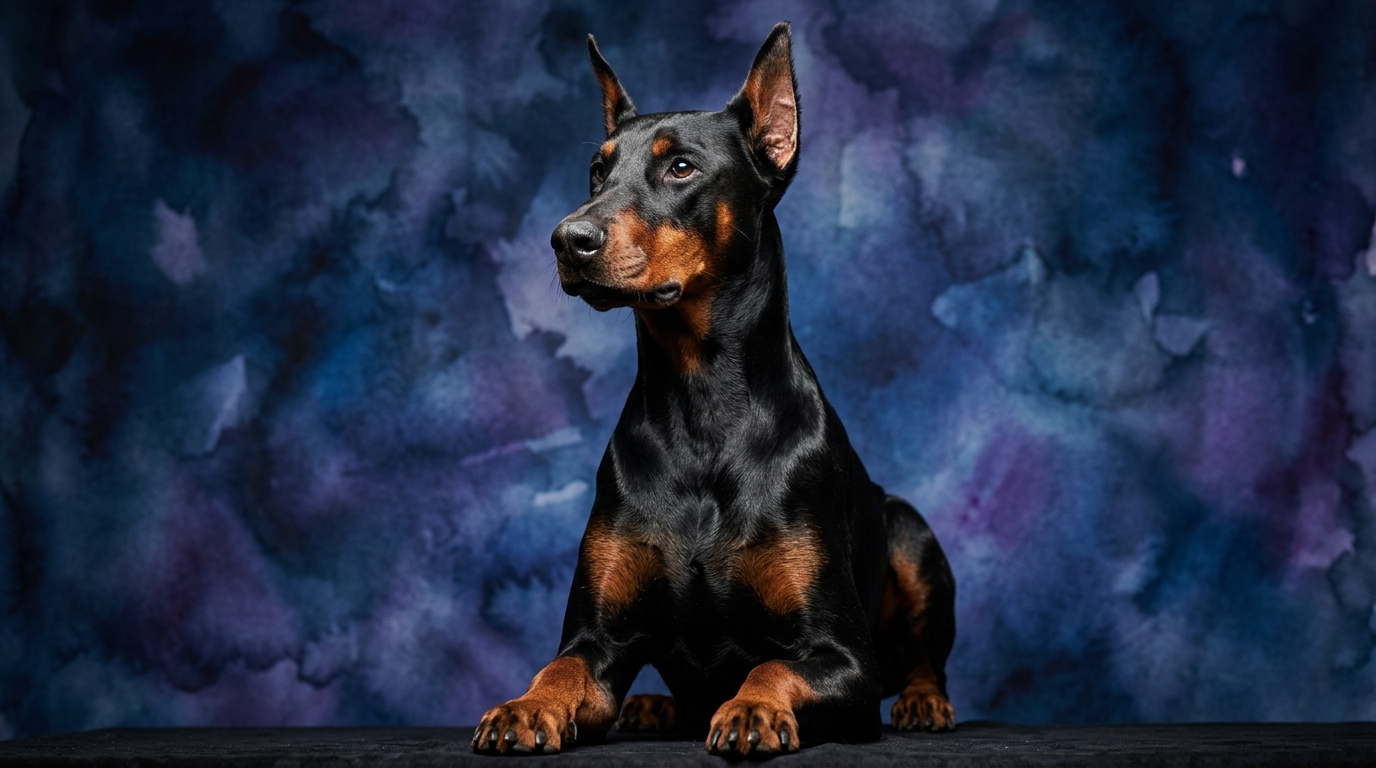
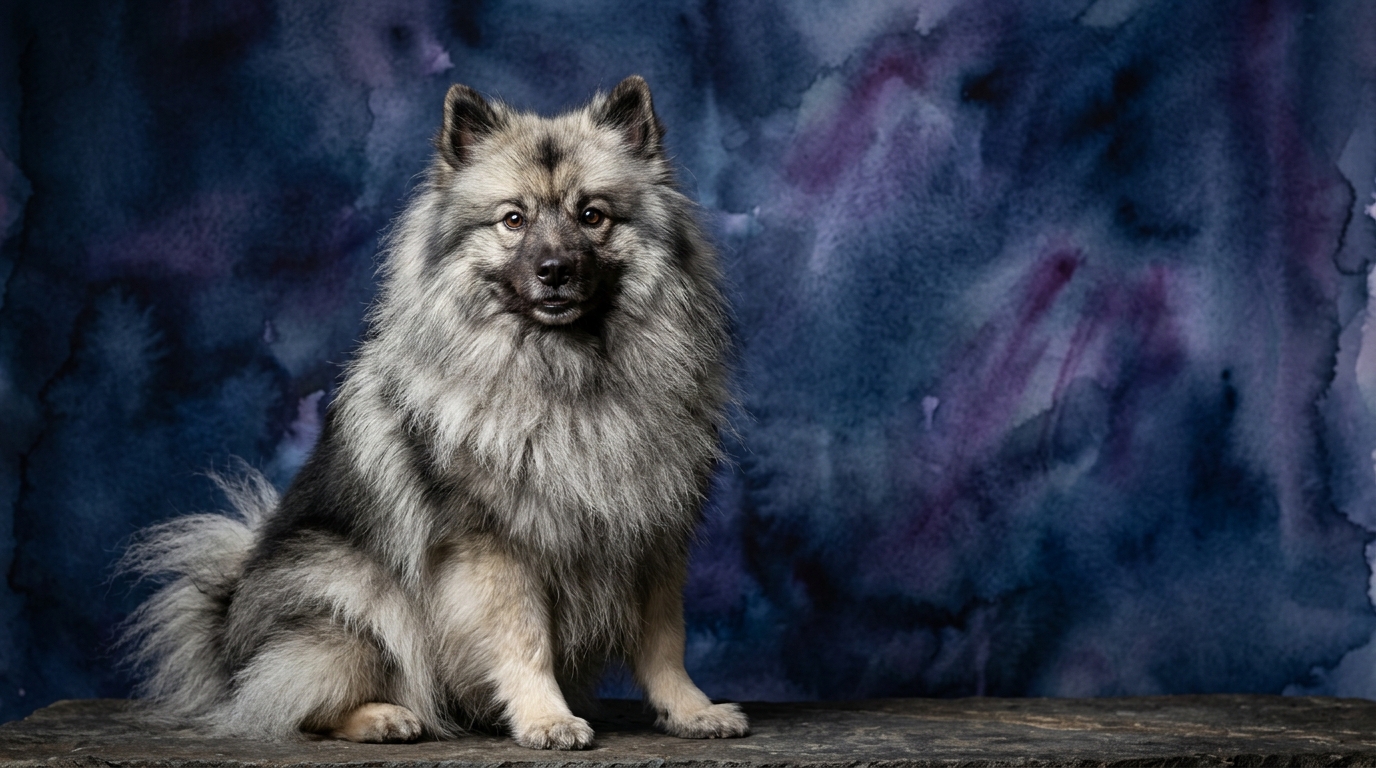
Side-by-Side IQ Profile: Doberman Pinscher vs. Keeshond
The Cosmic Pet Pet IQ Lab offers a nuanced framework for understanding canine cognition, assessing breeds across five critical dimensions. Let's delve into the specific IQ profiles of the Doberman Pinscher and the Keeshond, revealing their inherent strengths and how they manifest.
**Doberman Pinscher (Working Group, Coren Rank #5):** This breed’s cognitive architecture is built for purpose and precision.
**Problem Solving (5/5):** The Doberman exhibits exceptional aptitude for independent thought, quickly assessing novel situations and devising effective solutions. This manifests in their ability to navigate complex environments, learn intricate tasks, and even outsmart their handlers if not properly engaged. Their cognitive processing allows them to extrapolate from past experiences and apply lessons to new challenges with remarkable efficiency.
**Training Speed (5/5):** This breed demonstrates an unparalleled capacity for rapid assimilation of new commands and routines. Their eagerness to learn, coupled with their sharp focus, means they often grasp concepts in very few repetitions. This swift learning curve is a hallmark of their working heritage, allowing them to be molded into highly precise and responsive partners for a variety of tasks.
**Social Intelligence (4/5):** Dobermans possess a robust understanding of human cues and social hierarchies, making them highly attuned to their family's dynamics. While they form deep bonds and respond well to leadership, their social circle tends to be exclusive. They excel at reading intentions within their trusted group but may be more reserved or discerning with strangers, showcasing a protective instinct rooted in their social awareness.
**Instinctive Drive (5/5):** A profound inner motivation defines the Doberman's approach to life. This strong drive fuels their desire for purpose, demanding mental and physical engagement. It translates into a relentless pursuit of tasks, an unwavering focus on goals, and a powerful urge to perform and work alongside their human companions, making them unsuitable for passive roles.
**Memory (5/5):** The Doberman's ability to retain information, both positive and negative, is outstanding. They remember commands, routines, and experiences with remarkable clarity over long periods. This sharp recall contributes significantly to their training prowess and consistent behavior, but also means that negative experiences or insufficient early socialization can leave lasting impressions.
**Keeshond (Non-Sporting Group, Coren Rank #16):** The Keeshond's cognitive strengths are geared towards attentive companionship and family integration.
**Problem Solving (4/5):** Keeshonden are capable problem-solvers, displaying a good understanding of their environment and how to manipulate it to their advantage. While they might not independently seek out complex intellectual challenges as readily as some working breeds, they can learn to overcome obstacles and adapt to new situations effectively. Their solutions often involve cleverness rather than brute force.
**Training Speed (4/5):** This breed learns new commands and behaviors at a respectable pace, demonstrating a willingness to cooperate and please. They respond well to positive reinforcement and consistent methods, making them generally amenable students. While not as lightning-fast as a Doberman, they are certainly not slow learners, requiring a reasonable number of repetitions to solidify new skills.
**Social Intelligence (3/5):** Keeshonden form strong, affectionate bonds with their immediate family, often exhibiting a keen awareness of their owners' moods and intentions. Their social intelligence is primarily directed inwards, towards their human “pack.” They are often described as “people-oriented” within their trusted circle, but can be somewhat reserved or even aloof with strangers, valuing their personal space and familiar faces.
**Instinctive Drive (3/5):** The Keeshond possesses a moderate level of instinctive drive, sufficient to engage in play and participate in family activities, but without the intense, unwavering focus characteristic of a working dog. Their drive is often channeled into companionship, alerting their family to novelties, and participating in comfortable routines rather than demanding a specific job or rigorous task.
**Memory (5/5):** Keeshonden exhibit excellent recall and retention, remembering training cues, household rules, and family members with impressive accuracy. This strong memory contributes to their reliability and consistency once behaviors are established. They recall both positive and negative associations, which means early positive experiences are crucial for shaping a well-adjusted adult.
Where the Doberman Pinscher Wins Cognitively
The Doberman's cognitive profile positions them as a dominant force in areas requiring intense focus, rapid acquisition of complex skills, and independent action. Their perfect 5/5 in Problem Solving means they don't just follow instructions; they proactively analyze situations and strategize. This makes them exceptional candidates for advanced obedience, protection work, or search and rescue, where independent decision-making under pressure is critical. Furthermore, their superior 5/5 Training Speed allows them to master intricate multi-step commands and sequences with astonishing efficiency, making them a handler's dream for precision-based activities. The Doberman's formidable 5/5 Instinctive Drive provides an inherent motivation to engage with tasks and challenges, translating into a relentless work ethic that few breeds can match. This combination of mental prowess and inner fire ensures they are always seeking purpose, making them excel in demanding roles that require sustained mental and physical effort.
Where the Keeshond Wins Cognitively
While the Doberman's scores are higher in several domains, the Keeshond's cognitive strengths shine in different, equally valuable ways, particularly for a companion animal. Their perfect 5/5 Memory is a profound advantage for household living, ensuring they reliably recall established routines, house rules, and family expectations. This consistent recall makes them predictable and dependable once trained, minimizing the need for constant re-teaching. Moreover, their 3/5 Instinctive Drive, while lower than the Doberman's, can be a cognitive “win” for owners seeking a less intensely driven dog. This moderate drive means they are typically less prone to destructive behaviors stemming from unfulfilled working urges, and their cognitive energy is more readily channeled into calm companionship and observation. Their 4/5 Problem Solving, though not top-tier, is still commendable, allowing them to navigate common household challenges with cleverness, such as figuring out how to get a favorite toy or alerting their family to unusual sounds, without necessarily requiring complex, high-stakes intellectual demands.
Which is Easier to Train and Why?
Determining which breed is “easier” to train depends heavily on the owner's experience and expectations. The Doberman Pinscher, with a 5/5 Training Speed and 5/5 Instinctive Drive, is an incredibly fast learner of commands and eager to perform. They absorb new information quickly and possess an inherent desire to work and please their handler, making them highly responsive to consistent, structured training. However, this intensity also means they require a confident, experienced trainer who can channel their formidable drive and intellect effectively. Without proper guidance, their problem-solving ability and strong will can be redirected towards undesirable behaviors.
The Keeshond, scoring 4/5 in Training Speed and 3/5 in Instinctive Drive, is also a capable and willing student, but they learn at a more measured pace. They respond exceptionally well to positive reinforcement and gentle, patient methods. Their lower instinctive drive means they may not possess the same relentless focus on “work” as a Doberman, making them potentially “easier” for a novice owner who isn't seeking a working-level partner. They are less likely to challenge authority through sheer force of will, preferring to cooperate. However, their intelligence can manifest as a stubborn streak if they don't see the point of a command or if training becomes repetitive and boring. For an owner seeking a pleasant, well-mannered companion without the intensity of a working dog, the Keeshond might present a smoother training journey, provided patience and consistency are applied.
Which Suits Active Owners vs. Relaxed Owners?
The Doberman Pinscher is unequivocally suited for active, engaged owners who thrive on providing consistent mental and physical stimulation. Their 5/5 Instinctive Drive demands a purposeful existence, requiring daily outlets for their energy and intellect, whether through advanced obedience, agility, tracking, or protection sports. An owner who can commit to rigorous training, provide complex challenges, and integrate their Doberman into an active lifestyle will find a supremely fulfilling partnership. Their high Problem Solving and Training Speed mean they excel when given a “job” to do, making them ideal for individuals who enjoy structured activities and a canine partner who can keep pace with demanding routines.
Conversely, the Keeshond, with its 3/5 Instinctive Drive and 3/5 Social Intelligence (focused on immediate family), aligns better with more relaxed owners who prioritize companionship and moderate activity. While they certainly enjoy walks, playtime, and interactive games, their cognitive makeup doesn't necessitate the same intense, structured “work” as a Doberman. They are content to be involved in family life, observing and participating at a comfortable pace. Their strong Memory ensures they remember household routines and family dynamics, making them a consistent and affectionate presence. Owners who enjoy a charming, attentive companion for leisurely strolls, cozy evenings, and playful engagement without the pressure of advanced competitive activities will find the Keeshond a delightful match.
The Verdict
Choose the Doberman Pinscher if you are an experienced, active owner ready to channel profound drive and intellect into advanced training and purposeful activities. Their cognitive prowess demands a dedicated partnership for success.
Opt for the Keeshond if you seek a charming, attentive companion with excellent memory, moderate drive, and a preference for family-focused engagement. They thrive in homes offering consistent affection and a more relaxed lifestyle.
🧠 Find Your Pet's IQ Score
Our Pet IQ Lab assessment covers 25+ tests across 5 cognitive dimensions — personalized to your breed.
Take the Full IQ Test →Frequently Asked Questions
Do Dobermans require constant mental work to prevent problem behaviors?
Yes, Dobermans, with their 5/5 Problem Solving and Instinctive Drive, necessitate consistent mental engagement. Without appropriate outlets for their intellect and purpose, they can become bored and channel their cognitive energy into undesirable behaviors.
Is a Keeshond's 3/5 social intelligence a sign they are unfriendly?
No, a Keeshond's 3/5 social intelligence suggests they are primarily devoted to their immediate family, not unfriendly. They form deep bonds within their trusted circle but may be reserved or selective with strangers, valuing familiarity over broad social interaction.
How does the memory of these two breeds compare for long-term retention?
Both the Doberman Pinscher and the Keeshond score a perfect 5/5 in Memory, indicating exceptional long-term retention of commands, experiences, and routines. This strong recall contributes to their reliability and consistency once behaviors are established.