Side-by-Side Cognitive Profiles: Doberman Pinscher vs. Otterhound
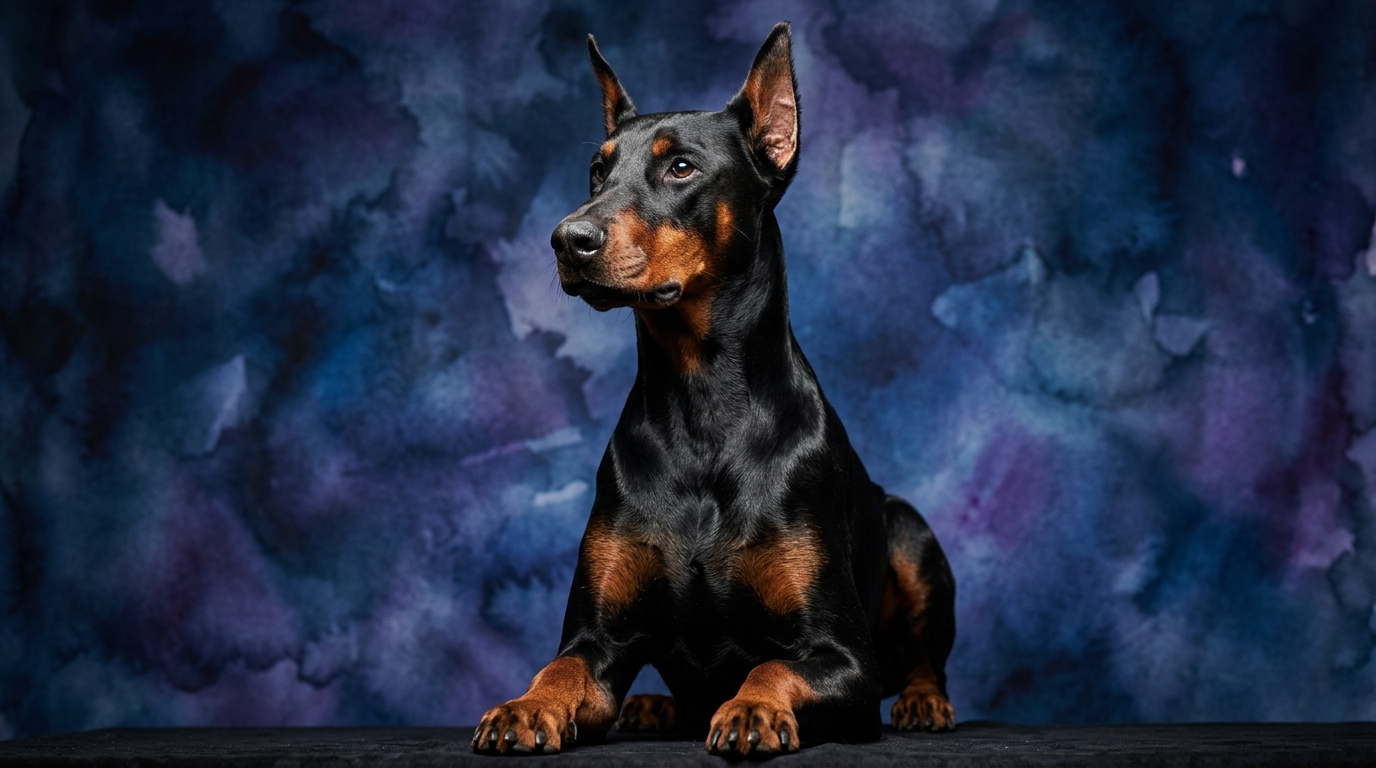
The Cosmic Pet Pet IQ Lab employs five key dimensions to assess canine intelligence, and examining the Doberman Pinscher and Otterhound side-by-side highlights their unique strengths and approaches to the world. The Doberman Pinscher, a Working breed ranked #5 by Coren, consistently scores at the top of the scale, indicating a highly adaptable and receptive mind. Its Problem Solving is rated 5/5, reflecting an exceptional capacity for analytical thought and strategic action. Training Speed is also 5/5, signifying a dog that grasps new commands and routines with remarkable swiftness. Social Intelligence stands at 4/5, indicating a strong understanding of human cues and family dynamics, albeit with a protective edge. Instinctive Drive is 5/5, channeling strong innate urges into purposeful tasks, while Memory is 5/5, ensuring consistent retention of learned behaviors and experiences.
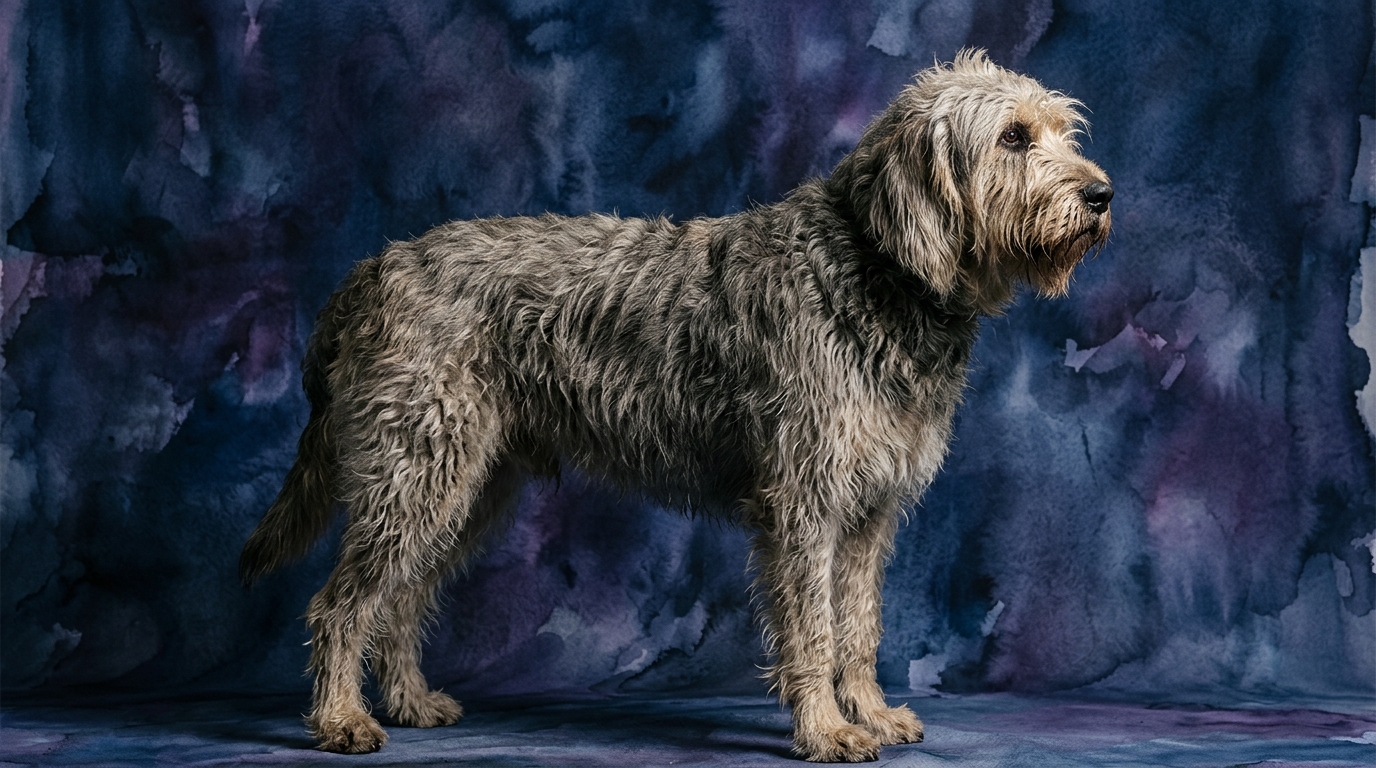
In contrast, the Otterhound, a Hound breed not ranked by Coren, presents a profile geared towards its ancestral hunting role. Its Problem Solving is 3/5, suggesting a more persistent, methodical approach, often relying on sensory input rather than abstract reasoning. Training Speed is also 3/5, meaning it learns at a moderate pace, often influenced by its environmental focus. Social Intelligence is 3/5, indicating an amiable but often independently-minded companion less driven by subtle human signals. Instinctive Drive is 3/5, dominated by its powerful olfactory capabilities, while Memory is 3/5, proving adequate for retention but potentially challenged by compelling distractions, particularly scents.
Where the Doberman Pinscher Shines Cognitively
The Doberman Pinscher's cognitive architecture is built for precision and purpose, giving it a distinct advantage in domains requiring rapid processing and execution. Their 5/5 Problem Solving score reflects an analytical mind capable of deconstructing complex tasks, such as navigating an intricate obedience course or learning multi-step service dog commands, with remarkable efficiency. This breed doesn't just learn; it synthesizes information, anticipating next steps and adjusting strategies as needed. Coupled with a 5/5 Training Speed, Dobermans absorb new instructions with minimal repetition, making them exceptional candidates for advanced canine disciplines where quick uptake is paramount. A Doberman can learn a new trick or command in a handful of sessions, retaining it reliably over time thanks to their 5/5 Memory. This robust memory also extends to remembering specific patterns, routines, and even subtle environmental cues, which is invaluable in roles like search and rescue or competitive obedience where consistency and recall are critical. Their 5/5 Instinctive Drive fuels a desire to work and excel, making them proactive participants in their own learning and development, always seeking engagement and purpose.
Where the Otterhound Excels Cognitively
While the Otterhound's cognitive strengths diverge from the Doberman's, they are no less profound within their specific domain. The Otterhound’s 3/5 Problem Solving, though lower, is uniquely tailored to its ancestral role: unraveling scent trails. This isn't about abstract puzzle-solving but about persistent, methodical tracking, often over challenging terrain and through complex olfactory landscapes. An Otterhound excels at following a cold scent for hours, demonstrating an unwavering focus that can be difficult for other breeds to replicate. Their 3/5 Instinctive Drive is overwhelmingly directed towards this pursuit, showcasing a deep-seated motivation to follow a nose-work task to its conclusion, regardless of distractions. This persistence, combined with a remarkable stamina, allows them to 'solve' the problem of locating a target through sheer dedication to their primary sense. Their 3/5 Social Intelligence, while not focused on rapid human cue interpretation, fosters a robust tolerance and easy-going nature within a family or pack setting. They are not prone to nervous reactions or overthinking social interactions, instead offering a steady, affable presence. This breed’s memory, rated at 3/5, is particularly strong for scent-related information, remembering specific trails or the scent profile of a particular quarry, which is a specialized form of recall vital for their original purpose.
Training Dynamics: Doberman Pinscher vs. Otterhound
When considering ease of training, the Doberman Pinscher clearly holds an advantage, largely due to its remarkable cognitive profile designed for cooperative work. Their 5/5 Training Speed means they grasp new commands quickly, often with just a few repetitions, and their 5/5 Memory ensures these lessons are retained reliably. Dobermans possess an inherent eagerness to engage with their handler and a strong desire for purpose, fueled by their 5/5 Instinctive Drive which can be channeled effectively into structured learning. They thrive on clear direction and respond well to positive reinforcement, seeing training as a rewarding collaborative effort.
In contrast, the Otterhound, with its 3/5 Training Speed and Memory, requires a more patient and understanding approach. Their dominant 3/5 Instinctive Drive is overwhelmingly focused on scent, meaning that when their nose is engaged, handler commands can become secondary. Real behavioral differences emerge here: a Doberman will typically halt and look to its owner for the next instruction, whereas an Otterhound might become completely engrossed in a compelling scent trail, seemingly oblivious to calls. Training an Otterhound often involves working with, rather than against, their powerful olfactory drive, using scent games and positive reinforcement to make desired behaviors more appealing than environmental distractions. Consistency and repetition are paramount, and owners must accept that an Otterhound’s independence means they might not always offer the same rapid, precise obedience as a Doberman.
Matching Breeds to Lifestyles: Active vs. Independent Companionship
The Doberman Pinscher is unequivocally suited for active, engaged owners who are prepared to provide significant mental and physical stimulation. Their 5/5 Problem Solving and 5/5 Instinctive Drive demand outlets for their energy and intellect, thriving in environments where they have a 'job' to do, whether that's advanced obedience, agility, protection work, or consistent, challenging exercise routines. An owner who can channel this drive into structured activities will find a cooperative and fulfilled companion. Without sufficient engagement, a Doberman's cognitive prowess can lead to boredom and potentially undesirable behaviors as they seek their own stimulation.
Conversely, while the Otterhound is a large, sturdy breed, their activity requirements are different. They suit owners who appreciate an independent spirit and are willing to accommodate their powerful scent drive. These are not 'relaxed' dogs in the sense of being sedentary, as they require regular, often lengthy, opportunities for sniffing and exploration. However, their physical exertion often comes from sustained, methodical tracking rather than high-intensity bursts. Owners who enjoy long, rambling walks where the dog can follow its nose, or who are interested in scent work and tracking sports, will find the Otterhound a rewarding companion. They are less about constant structured activity and more about providing avenues for their innate drives to be expressed naturally.
The Verdict
Choose a Doberman Pinscher if you seek a highly trainable, devoted companion eager for structured activities, excelling in obedience, protection, or service roles, and valuing a strong partnership built on clear communication and purpose.
Opt for an Otterhound if you appreciate an independent, affable, and scent-driven companion, are patient with training, and enjoy providing ample opportunities for exploration and nose-work in varied outdoor environments.
🧠 Find Your Pet's IQ Score
Our Pet IQ Lab assessment covers 25+ tests across 5 cognitive dimensions — personalized to your breed.
Take the Full IQ Test →Frequently Asked Questions
Is the Doberman Pinscher truly smarter than the Otterhound?
The Doberman Pinscher demonstrates cognitive strengths in areas most valued by humans, such as rapid learning, complex problem-solving, and obedience, reflected in its high Coren rank. The Otterhound possesses a specialized intelligence, particularly in scent work and endurance, which is highly effective for its original purpose but less aligned with conventional 'smart' metrics.
Can an Otterhound be trained for advanced obedience?
Yes, an Otterhound can certainly be trained for advanced obedience, but it will likely require more patience, consistency, and creative motivation than with a Doberman. Their independent nature and powerful scent drive mean owners must work diligently to maintain focus and make training highly rewarding.
How do their social intelligence scores impact family life?
A Doberman's 4/5 social intelligence means they are highly attuned to family dynamics and human cues, often forming deep, protective bonds. An Otterhound's 3/5 social intelligence indicates a generally amiable and tolerant nature, but they might be less focused on subtle human signals due to their independent, scent-driven priorities, making them more 'easy-going' than 'attentive' in social settings.