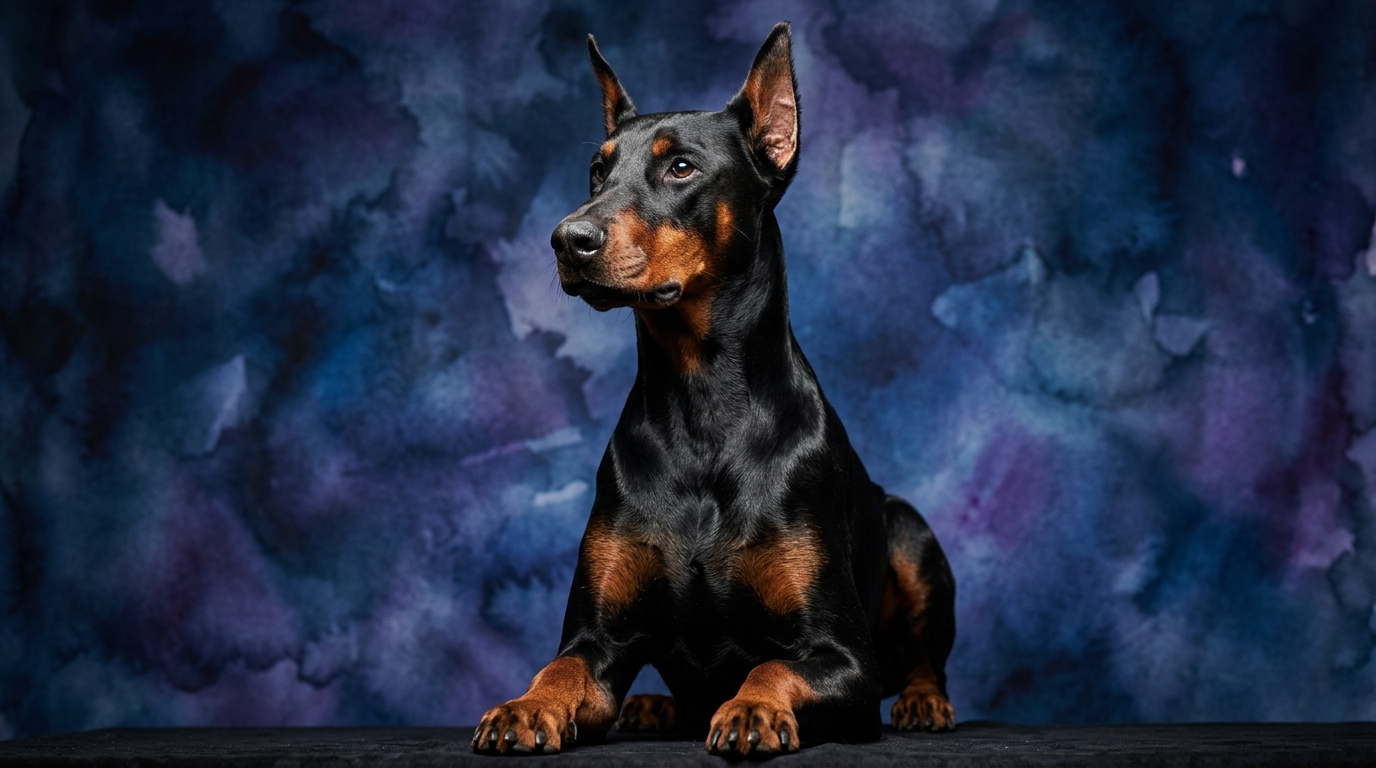
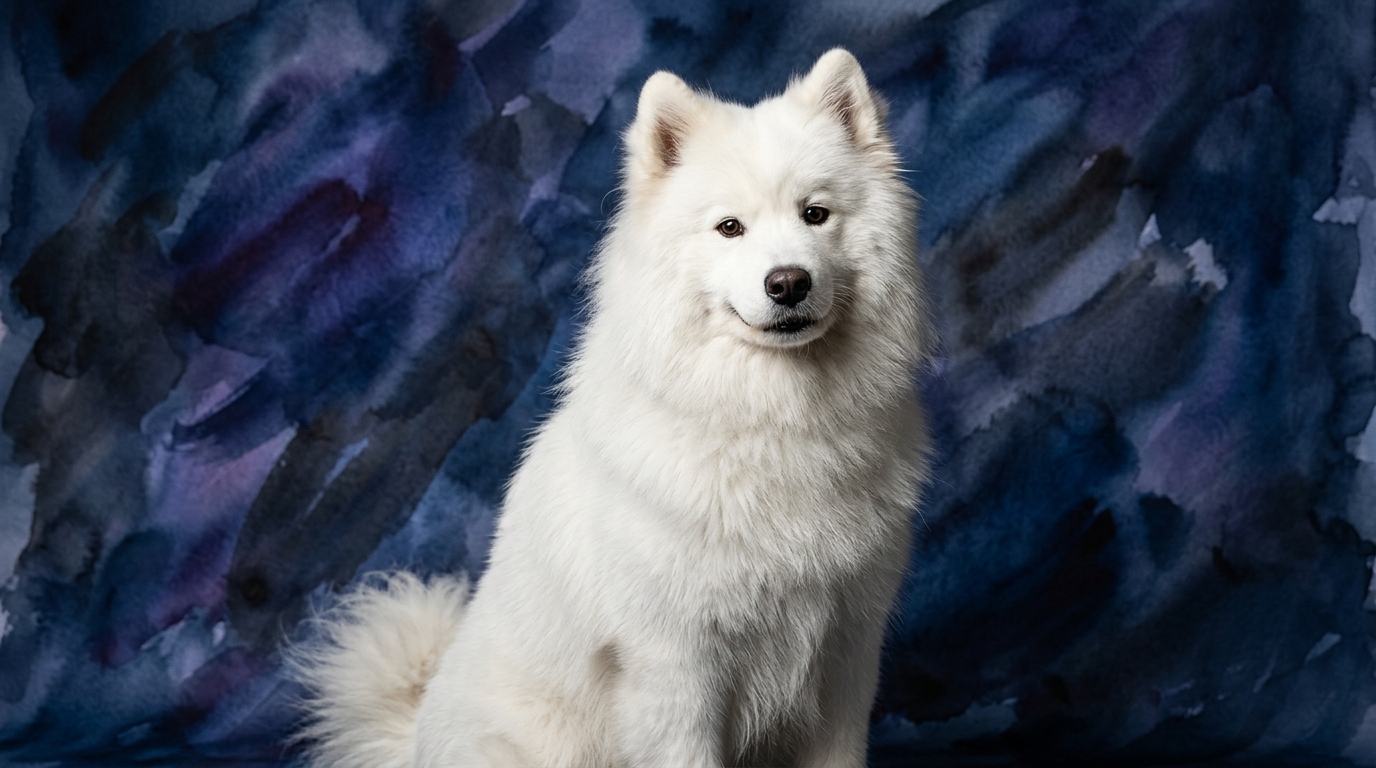
Side-by-Side Cognitive Profiles: Doberman Pinscher vs. Samoyed
At The Cosmic Pet Pet IQ Lab, we analyze canine intelligence across five key dimensions, offering a nuanced understanding beyond simple obedience. The Doberman Pinscher, ranking impressively at Coren #5, presents a profile of acute mental prowess and drive. Their Problem Solving is rated 5/5, indicating an exceptional capacity for independent thought and strategic navigation of complex situations. A perfect 5/5 in Training Speed highlights their rapid assimilation of new commands and routines, often requiring minimal repetition. Their Social Intelligence scores a solid 4/5, reflecting a keen awareness of human cues and social dynamics, though perhaps with a more reserved initial approach. Instincitive Drive is at a peak 5/5, underscoring their powerful internal motivation for purpose-driven activities and tasks. Finally, their Memory is also a strong 5/5, ensuring excellent recall for learned behaviors and experiences.
In contrast, the Samoyed, holding Coren rank #33, offers a different, yet equally compelling, cognitive blueprint. Their Problem Solving is rated 3/5, suggesting a moderate capacity for independent strategizing, often preferring instinct or trial-and-error over abstract reasoning. Training Speed also sits at 3/5, meaning they absorb new commands at a more measured pace, often requiring more patience and repetition due to their independent streak. Where the Samoyed truly shines is in Social Intelligence, earning a perfect 5/5. This score denotes an outstanding ability to read and respond to social cues, fostering deep empathetic connections. Their Instinctive Drive is a robust 4/5, manifesting as a strong desire for physical activity and purposeful movement, especially related to their historical roles. Their Memory, at 3/5, is functional but less sharp than the Doberman's, potentially requiring more refreshers for complex sequences.
Where the Doberman Pinscher Excels Cognitively
The Doberman Pinscher's cognitive strengths lie in its integrated suite of high scores across problem-solving, training speed, instinctive drive, and memory. This combination creates a mental architecture optimized for rapid mastery and practical application of learning. A Doberman doesn't just learn a command; it often understands the underlying concept, allowing it to generalize skills to novel situations. For instance, a Doberman taught to retrieve a specific toy might quickly grasp the broader concept of 'fetching' and apply it to other objects, demonstrating a deeper cognitive grasp beyond rote memorization.
Their 5/5 Instinctive Drive fuels an unwavering focus on tasks, translating into a powerful mental drive to complete objectives. This isn't merely about physical energy, but a deep-seated mental commitment to performance. Whether engaged in protection work, competitive obedience, or search and rescue, the Doberman's mind is wired for sustained engagement and high-stakes performance, making them exceptional partners in demanding roles where precision and reliability are critical. Their superior Problem Solving score means Dobermans are less likely to get stuck. If a familiar approach fails, they are prone to trying alternative strategies, showcasing a flexible and adaptive intelligence in navigating complex environments or figuring out advanced puzzle toys.
Where the Samoyed Excels Cognitively
The Samoyed's cognitive brilliance centers around its exceptional Social Intelligence, a perfect 5/5. This isn't merely about being friendly; it signifies a profound capacity for empathy and an intuitive understanding of social dynamics. A Samoyed can often sense subtle shifts in human mood, offering comfort or skillfully navigating interactions with unfamiliar people and animals. This makes them superb therapy dogs or family companions where harmonious relationships and emotional attunement are paramount.
Their high social IQ contributes to a robust emotional landscape, making them incredibly attuned to their human companions and thriving on close bonds and reciprocal affection. While their problem-solving might be moderate, their ability to foster deep, intuitive connections with people makes them masters of relational intelligence. They learn through connection and trust, often responding best to positive reinforcement rooted in their desire to engage socially. This breed possesses an independent spirit, a remnant of their sled-pulling heritage where they often made decisions without direct human input. This independence, coupled with their social nature, means they are not simply compliant but thoughtful participants in their human-canine relationship, often pondering a command before charmingly deciding to comply.
Training Dynamics: Which is Easier to Train and Why?
When it comes to conventional 'ease of training,' the Doberman Pinscher holds a distinct advantage, primarily due to its 5/5 Training Speed and 5/5 Problem Solving. This breed is inherently built for quick comprehension and precise execution of commands. Their high Instinctive Drive means they often possess an inherent desire to work collaboratively with their human, viewing training as a fulfilling activity rather than a chore. Dobermans thrive on structured learning environments and consistent routines, absorbing new information with remarkable efficiency. An owner will find a Doberman eager to perform and reliably repeat behaviors once learned, making them a favored choice for competitive obedience, protection sports, and roles demanding high levels of precision and speed.
The Samoyed, with its 3/5 Training Speed and 3/5 Problem Solving, offers a different training journey. This isn't to say they are untrainable; rather, their cognitive approach is less about immediate compliance and more about thoughtful consideration. Their strong independent streak, forged over centuries of making autonomous decisions while pulling sleds, means they might assess the necessity of a command or explore more interesting alternatives. Training a Samoyed demands immense patience, unwavering consistency, and a profound understanding of positive reinforcement methods centered on building a strong, trusting relationship. While they will learn, they may not always choose to perform with the Doberman's unwavering enthusiasm, occasionally displaying a charming, yet challenging, stubbornness. However, their exceptional Social Intelligence means they respond particularly well to training methods that foster connection and make learning feel like a collaborative, positive interaction, rather than strict command-and-control.
Matching Breeds to Lifestyles: Active vs. Relaxed Owners
The Doberman Pinscher's cognitive profile, characterized by high instinctive drive, problem-solving, and memory, aligns seamlessly with owners who lead active, structured, and purpose-driven lives. These dogs flourish when given a clear job or engaging in consistent, challenging activities such as advanced obedience, agility, protection work, or vigorous daily exercise routines. Their substantial mental and physical needs mean that without appropriate outlets for their keen minds and powerful bodies, Dobermans can become bored, potentially channeling their considerable energy into less desirable behaviors. An owner who enjoys consistent, engaging training, provides ample mental stimulation through complex tasks or puzzle toys, and participates in rigorous physical activity will find the Doberman to be an unparalleled companion, eager to participate and excel.
The Samoyed, with its exceptional social intelligence and moderate instinctive drive, is an ideal fit for owners who prioritize companionship, social interaction, and a more independent yet deeply affectionate canine presence. While Samoyeds do require regular exercise to satisfy their working heritage, their mental stimulation needs are often met through varied social interactions, active family involvement, and exploring new environments. They are less focused on performing complex, precise tasks on command and more about being an integrated, vocal, and deeply connected member of the family unit. Owners who appreciate a dog with a distinct personality, are patient with training, and prioritize a harmonious social dynamic over strict obedience will find the Samoyed a delightful and engaging partner. Their profound need for close human connection means they are not suited for solitary living and thrive in homes where they are central to daily activities.
The Verdict
Select a Doberman Pinscher if you seek a highly capable, focused canine partner eager for structured learning, complex tasks, and consistent activity, thriving under confident, experienced leadership.
Opt for a Samoyed if you desire a deeply social, empathetic companion who thrives on close family bonds and gentle, consistent guidance, appreciating a dog with an independent spirit and charming personality.
🧠 Find Your Pet's IQ Score
Our Pet IQ Lab assessment covers 25+ tests across 5 cognitive dimensions — personalized to your breed.
Take the Full IQ Test →Frequently Asked Questions
Are Samoyeds difficult to train due to their lower training speed score?
Samoyeds are certainly trainable, but their independent nature and moderate training speed mean they require more patience, consistency, and creative motivation than some other breeds. They respond best to positive reinforcement and methods that build a strong, trusting relationship rather than strict command-and-control.
How does a Doberman's high instinctive drive manifest in daily life?
A Doberman's high instinctive drive often manifests as an intense focus, an eagerness to work, and a strong protective instinct. This means they benefit significantly from having a 'job' or engaging in structured activities like obedience, agility, or protection sports to channel their mental and physical energy constructively.
Can a Samoyed excel in dog sports like agility or obedience?
Yes, Samoyeds can and do excel in various dog sports, including agility and obedience, especially when their owners understand their independent nature and leverage their social intelligence and drive for activity. Success often comes from making training fun, engaging, and relationship-focused, rather than relying solely on repetitive drills.