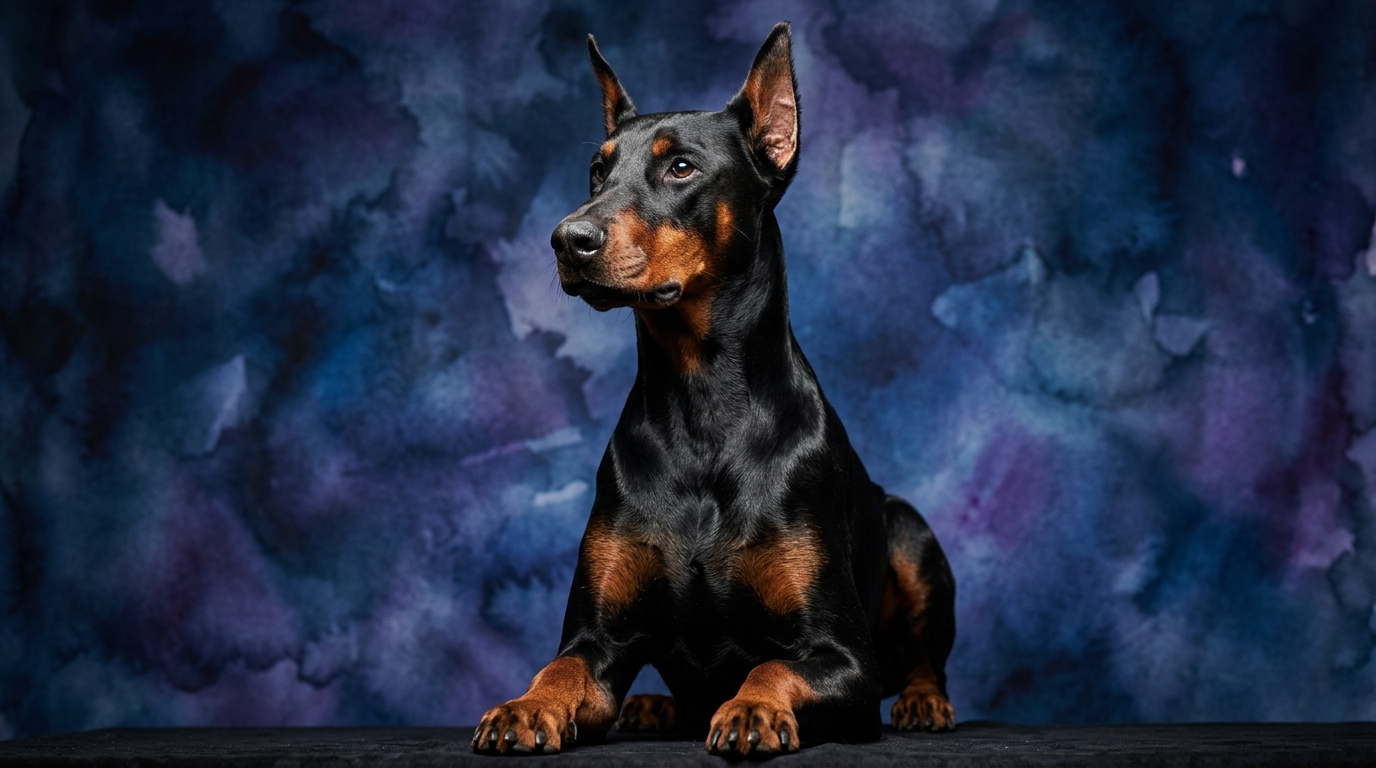
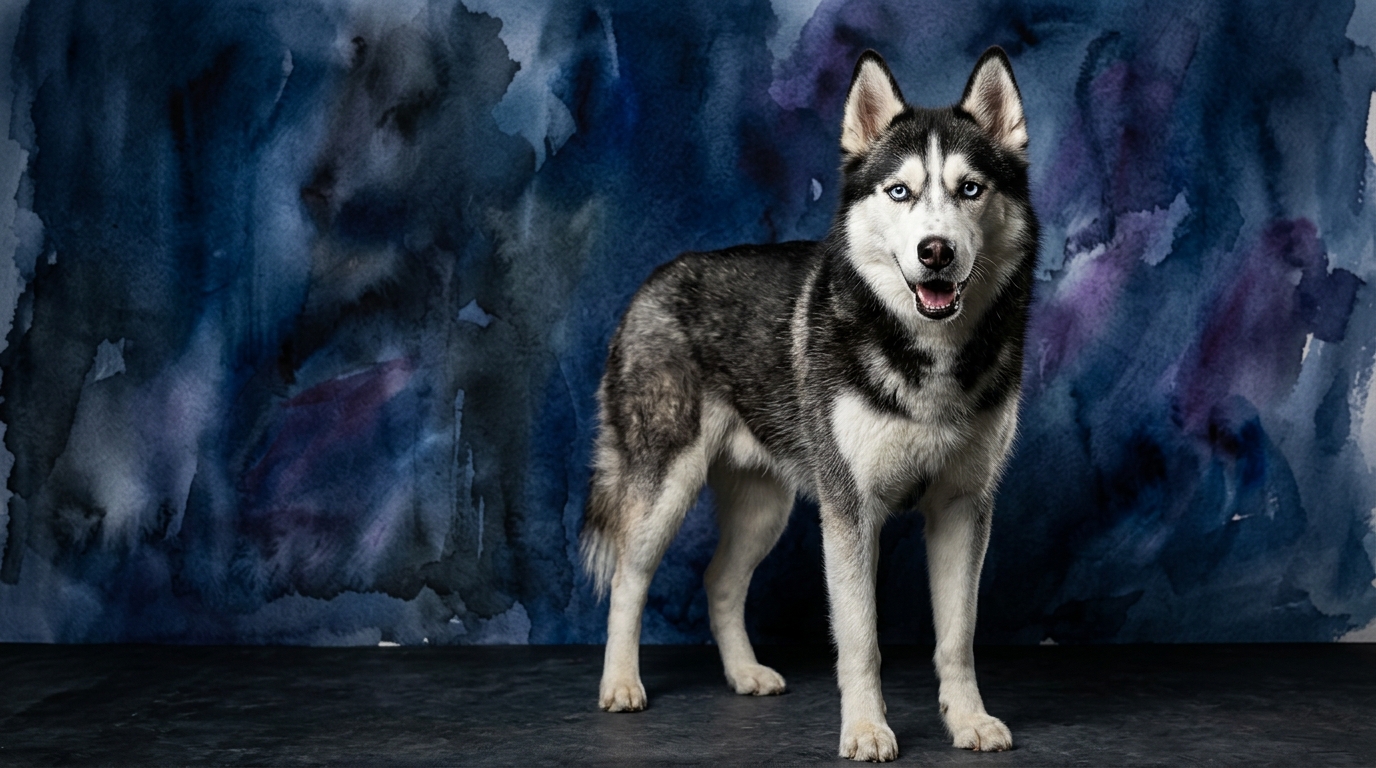
Side-by-Side IQ Profile: Doberman Pinscher vs. Siberian Husky
The Cosmic Pet Pet IQ Lab employs a five-dimensional framework to evaluate canine intelligence, offering a nuanced view beyond a simple ranking. Here’s how the Doberman Pinscher and Siberian Husky measure up across Problem Solving, Training Speed, Social Intelligence, Instinctive Drive, and Memory.
Doberman Pinscher: A Cognitive Powerhouse
**Problem Solving (5/5):** Dobermans exhibit exceptional capacity for analytical thinking, quickly dissecting novel situations and formulating multi-step solutions. They understand complex sequences and adapt strategies effectively.
**Training Speed (5/5):** This breed absorbs new commands and behaviors with remarkable alacrity, often mastering tasks in just a few repetitions. Their eagerness to engage mentally makes them highly efficient learners.
**Social Intelligence (4/5):** Dobermans possess keen awareness of human emotional states and intentions, forming deep, intuitive bonds. They adeptly read subtle cues, primarily focusing this attentiveness on their trusted family unit.
**Instinctive Drive (5/5):** A profound drive for protection, territoriality, and partnership defines the Doberman. This manifests as vigilance, a strong work ethic, and a natural inclination to guard their family.
**Memory (5/5):** Their recall is outstanding, retaining learned commands, routines, and experiences over extended periods. A Doberman rarely forgets a lesson, making their training durable and reliable.
Siberian Husky: Resourceful and Independent
**Problem Solving (4/5):** Huskies demonstrate practical problem-solving skills, particularly in navigating environments or devising escape routes. Their ingenuity shines in situations requiring independent thought rather than strict obedience.
**Training Speed (2/5):** Learning new commands often requires significant patience and repetition for a Husky. Their independent streak and occasional disinterest in human-centric tasks mean they process new information deliberately.
**Social Intelligence (3/5):** Huskies generally interact well with a wide range of people and other dogs, displaying a friendly nature. However, their social awareness is less about nuanced human emotional attunement and more about fitting into a broader social dynamic.
**Instinctive Drive (5/5):** Their ancestral heritage as sled dogs imbues Huskies with an intense drive for running, exploring, and pulling. This powerful instinct for endurance and nomadic freedom is a defining characteristic.
**Memory (4/5):** Huskies possess good memory for important locations, routines, and experiences relevant to their own interests. Their recall for specific, handler-imposed obedience commands might be less consistent than a Doberman's.
Where the Doberman Pinscher Wins Cognitively
The Doberman Pinscher's cognitive strengths distinctly position them for roles requiring precision, rapid assimilation of information, and a deep partnership with their handler. Their Coren ranking of #5, placing them among the top tier, is a direct reflection of their capacity for complex obedience and problem-solving within a human-directed framework. Dobermans excel in tasks demanding strategic thinking, such as advanced obedience, protection work, or competitive dog sports where understanding intricate sequences and anticipating handler cues is paramount. Their superior training speed and memory mean they not only learn quickly but also retain information with exceptional reliability, making them highly dependable in structured environments. Furthermore, their social intelligence, geared towards discerning human intentions and moods, allows for a profound, almost telepathic understanding between dog and owner, facilitating highly coordinated actions and responses. This breed thrives on having a purpose and applying its formidable intellect to specific, challenging tasks.
Where the Siberian Husky Wins Cognitively
The Siberian Husky's cognitive profile reveals a different, yet equally impressive, set of strengths, rooted in their evolutionary history as endurance working dogs in harsh environments. While their Coren ranking of #45 indicates a different type of cognitive orientation compared to the Doberman, it speaks to a robust independent intelligence. Huskies excel in autonomous problem-solving, particularly when it involves navigation, resourcefulness, and adaptability without constant human direction. Their instinctive drive for exploration and endurance equips them with exceptional spatial reasoning and an innate ability to assess and overcome environmental challenges, whether it's finding a way out of an enclosure or efficiently traversing varied terrain. Their social intelligence, while less focused on a single handler, allows them to cooperate effectively within a pack dynamic, a crucial trait for their historical role in sled teams. This breed's mental fortitude is geared towards resilience and self-sufficiency in demanding situations, rather than strict adherence to human commands.
Which is Easier to Train and Why
When evaluating trainability, the Doberman Pinscher clearly presents an easier path for most owners. Their 'Training Speed' rating of 5/5 is not merely a number; it reflects a deep-seated desire to understand and execute commands, coupled with a cognitive structure that rapidly processes and stores new information. Dobermans are highly motivated by engagement with their handler and thrive on having a job to do. They absorb new behaviors quickly, often in just a few repetitions, and demonstrate a consistent willingness to comply, making complex obedience routines or specialized tasks achievable with focused effort. Their strong memory (5/5) ensures that once a lesson is learned, it is rarely forgotten, contributing to their reliability.
The Siberian Husky, conversely, offers a more challenging training experience, marked by their 'Training Speed' rating of 2/5. This isn't due to a lack of cognitive capacity, but rather a profound independent streak and a selective approach to compliance. Huskies were bred to make their own decisions on the sled trail, sometimes overriding a musher's command for the safety of the team or to follow an instinct. This translates into a dog that often questions the utility of a command or prioritizes a compelling scent or sight over human instruction. Their powerful instinctive drive for running and exploring can easily override attempts at structured training, demanding immense patience, creativity, and consistency from an owner. Training a Husky requires understanding their intrinsic motivations and making learning a rewarding, engaging game rather than a series of strict commands.
Which Suits Active Owners vs. Relaxed Owners
Neither the Doberman Pinscher nor the Siberian Husky is suited for a truly 'relaxed' owner in the traditional sense, as both breeds possess significant energy and mental stimulation requirements. However, their specific needs diverge considerably.
The Doberman Pinscher thrives with an active, highly engaged owner who is prepared to provide consistent mental and physical challenges. This breed requires daily vigorous exercise, but equally important is structured training, puzzle toys, and activities that tap into their problem-solving abilities and strong work ethic. They need a clear leader and a defined purpose, whether that's advanced obedience, protection sports, or simply being an active, well-mannered family companion. An owner who enjoys dog sports, frequent training sessions, and interactive play will find the Doberman a deeply rewarding and cooperative partner. Neglecting their mental and physical needs can lead to frustration and undesirable behaviors in a breed that craves engagement.
The Siberian Husky, on the other hand, demands an exceptionally active and adventurous owner. Their 'Instinctive Drive' of 5/5 for endurance, running, and exploration means they require vast amounts of physical exercise, often measured in miles rather than minutes. Owners who enjoy long-distance running, hiking, biking with their dog, or even participating in sledding or canicross will find a Husky's energy perfectly matched. This breed is not content with a short walk around the block; they need outlets for their powerful nomadic instincts. Furthermore, their independent nature means owners must be prepared for a dog that sometimes prioritizes its own agenda, requiring a patient, resilient, and understanding approach. A relaxed owner who cannot commit to extensive daily physical exertion will find a Husky to be a destructive and frustrated companion.
The Verdict
Choose the Doberman Pinscher for owners seeking a highly trainable, protective, and mentally engaged companion who excels in obedience and precision tasks, thriving on a clear purpose and a strong partnership.
Choose the Siberian Husky for adventurous owners who embrace independence, enjoy extensive outdoor activities, and appreciate a resourceful, resilient companion with a strong nomadic spirit.
🧠 Find Your Pet's IQ Score
Our Pet IQ Lab assessment covers 25+ tests across 5 cognitive dimensions — personalized to your breed.
Take the Full IQ Test →Frequently Asked Questions
Are Dobermans better at learning tricks than Huskies?
Yes, Dobermans typically excel at learning complex tricks due to their superior training speed and problem-solving abilities, absorbing new commands with remarkable efficiency and precision. Huskies can learn tricks, but their independent nature often requires more patience and motivation from the trainer.
Which breed is more prone to independent thinking?
Siberian Huskies display a much stronger independent thinking streak, often making their own decisions based on instinct or immediate interest, which stems from their sled dog heritage. Dobermans, while capable of independent thought, are generally more inclined to look to their handler for direction and purpose.
Do Dobermans and Huskies have similar exercise needs?
Both breeds require substantial exercise, but their needs differ in nature. Dobermans need vigorous daily activity combined with mental challenges, while Huskies demand immense endurance-based exercise like long runs or pulling, reflecting their ancestral role as sled dogs.