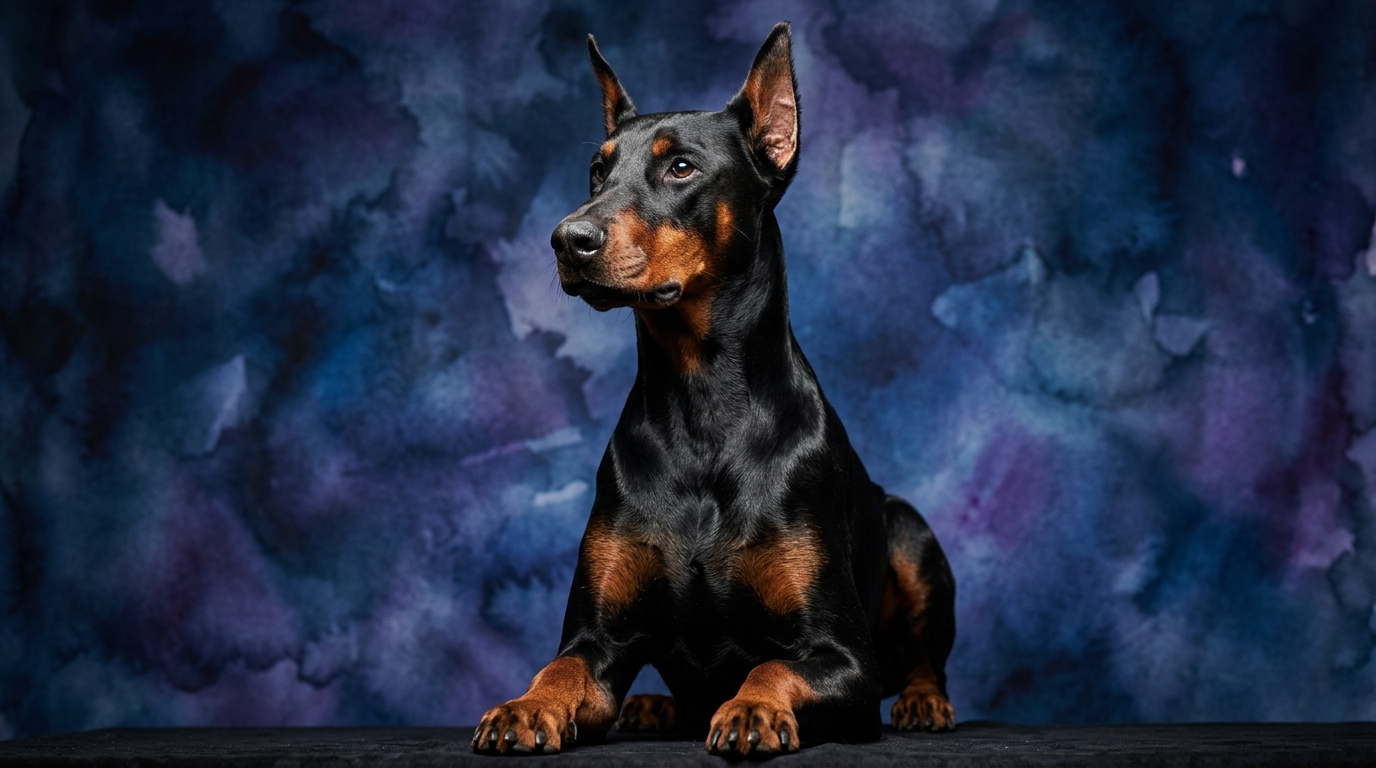
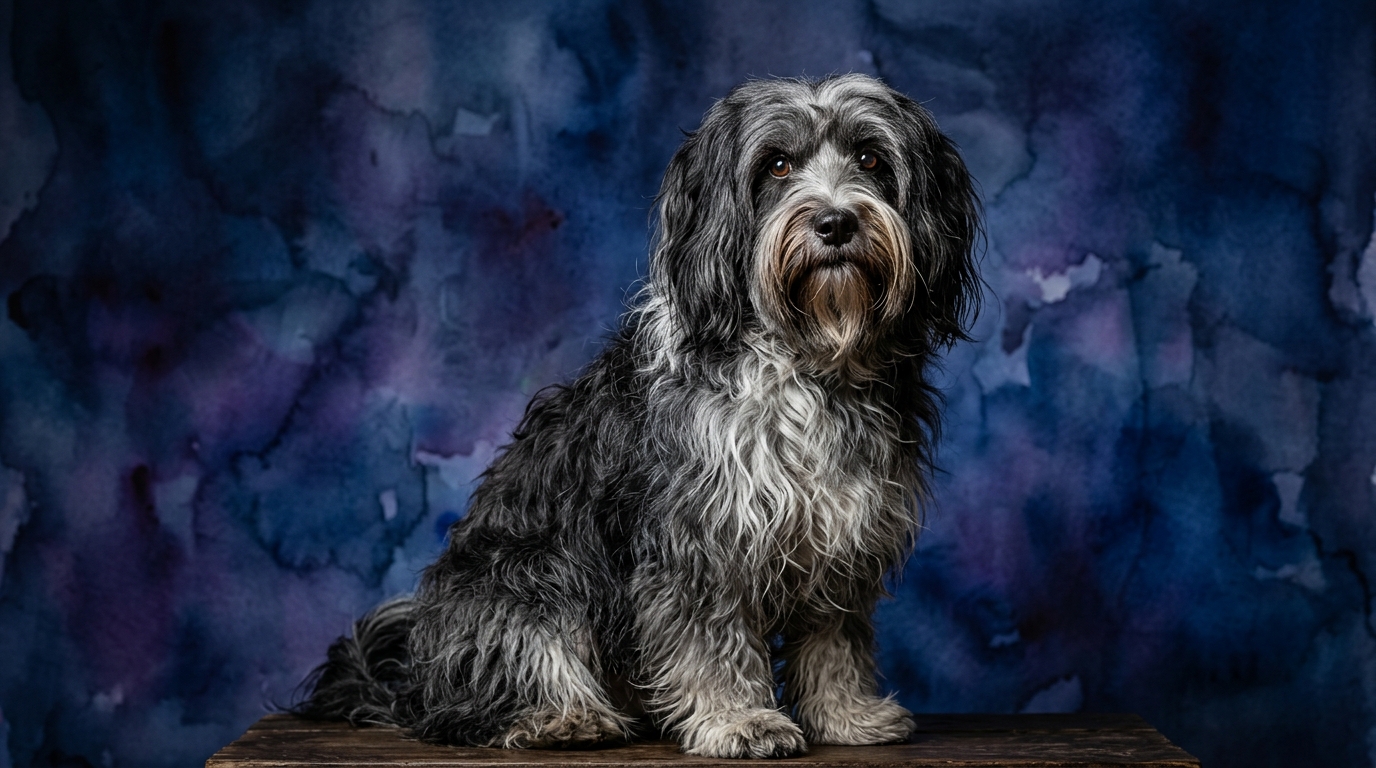
Side-by-Side IQ Profile: Doberman Pinscher vs. Tibetan Terrier
**Doberman Pinscher:**
**Problem Solving (5/5):** This breed excels at dissecting complex situations, quickly grasping patterns, and formulating solutions, applying learned concepts to novel challenges with exceptional efficiency.
**Training Speed (5/5):** Dobermans absorb new commands with remarkable alacrity, often mastering tasks in few repetitions due to their intense focus and eagerness for structured learning.
**Social Intelligence (4/5):** Deeply bonded with family, Dobermans possess discerning social intelligence, acutely aware of owner's moods but often reserved with strangers, prioritizing their immediate pack.
**Instinctive Drive (5/5):** Fuelled by strong working instincts, Dobermans have an innate desire to perform tasks, guard, and protect, exhibiting powerful internal motivation for purposeful roles.
**Memory (5/5):** Their recall for commands, routines, and experiences is outstanding, retaining vast amounts of information over long periods, contributing to consistent training performance.
**Tibetan Terrier:**
**Problem Solving (3/5):** Tibetan Terriers demonstrate moderate problem-solving, often approaching challenges thoughtfully and independently, preferring to figure things out at their own pace.
**Training Speed (3/5):** This breed learns at a steady pace, requiring consistent repetition, as their independent nature means they process instructions before acting, rather than prioritizing rapid compliance.
**Social Intelligence (3/5):** Possessing a balanced social intelligence, they are affectionate but self-sufficient, observing interactions with interest but less intensely focused on human cues, comfortable in their own space.
**Instinctive Drive (3/5):** Their moderate drives align with historical roles as companions and property guardians, exhibiting natural curiosity and desire for companionship without intense task-oriented focus.
**Memory (3/5):** Tibetan Terriers have reliable memory for consistently learned routines and commands, effectively remembering expectations in familiar contexts, contributing to household adaptability.
Where the Doberman Pinscher Wins Cognitively
The Doberman Pinscher's cognitive architecture provides clear advantages in scenarios demanding rapid acquisition of complex tasks and unwavering focus. Their 5/5 problem-solving means they actively engage with the "why" behind instructions, quickly understanding objectives and devising efficient paths. In advanced obedience or protection work, a Doberman can learn intricate, multi-step routines with minimal repetitions, processing new information and integrating it almost instantaneously. This high training speed (5/5) is a testament to their attentiveness and drive, making them purpose-built for learning and execution. They master nuanced tasks like scent detection or agility courses with exceptional precision and speed, often anticipating the next step. Their superior memory (5/5) ensures these complex behaviors are retained with remarkable fidelity, making them incredibly consistent performers. This makes them exceptionally well-suited for roles where precision, speed, and reliability are paramount.
Where the Tibetan Terrier Wins Cognitively
While the Doberman excels in structured cognition, the Tibetan Terrier demonstrates equally valuable cognitive strengths in less formal, more adaptable settings. Their 3/5 problem-solving indicates a capacity for independent, sometimes creative, thought rather than a deficit. Tibetan Terriers approach novel situations with thoughtful persistence, often finding self-derived solutions. For instance, with a puzzle toy, a Doberman might apply a learned strategy, but a Tibetan Terrier might experiment with different, less rigid approaches, demonstrating creative problem-solving. Their social intelligence (3/5) allows for a more independent social dynamic; they are affectionate companions who appreciate interaction but are less reliant on constant human direction. This independence means they are comfortable entertaining themselves or observing, potentially making them less prone to separation anxiety. Their moderate instinctive drive (3/5) allows them to adapt readily to various lifestyles without needing an intense 'job,' thriving on companionship and moderate activity. This adaptability, coupled with a steady memory (3/5) for household routines, means they integrate seamlessly into family life without the constant cognitive input required by a high-drive working breed.
Which Is Easier to Train and Why
Based on cognitive metrics, the Doberman Pinscher is unequivocally easier to train in terms of speed and precision. Their 5/5 training speed and problem-solving ability mean they grasp new commands almost immediately, often after just a few repetitions. Dobermans are wired for rapid learning, absorbing instructions and exhibiting a strong desire to comply. Their high instinctive drive (5/5) makes structured training highly motivating; they thrive on purpose and possess intense focus for complex sequences. Teaching a Doberman a multi-step agility course can be swift, as they quickly connect cause and effect and remember the sequence with their 5/5 memory. In contrast, the Tibetan Terrier, with 3/5 training speed and problem-solving, requires more patience and consistency. They are capable learners, but their independent nature means they will often weigh instructions against their own inclinations, potentially requiring more repetitions. Their 3/5 social intelligence suggests less drive for intense human approval, so training must be engaging and rewarding on their terms. Teaching a Tibetan Terrier a 'stay' might involve gradual proofing to overcome their tendency to explore, whereas a Doberman often holds position with unwavering focus.
Suited for Active vs. Relaxed Owners
The Doberman Pinscher is better suited for active owners providing consistent mental and physical engagement. Their 5/5 instinctive drive and energy necessitate a lifestyle offering purpose and rigorous activity. An owner enjoying daily challenging training, competitive sports, long runs, or protection work will find an ideal Doberman partner. This breed thrives on a 'job' and requires an owner who can channel their intense focus and cognitive abilities into productive outlets. Without sufficient mental stimulation and physical exercise, a Doberman can become bored, potentially leading to destructive behaviors. Their need for consistent cognitive challenge is substantial; they need to think, learn, and work regularly. Conversely, the Tibetan Terrier is a better match for relaxed owners seeking a companionable dog enjoying activity but not demanding it intensely. With a moderate instinctive drive of 3/5, they are content with daily walks, yard play, and family engagement. While they appreciate mental stimulation from puzzle toys, their needs are not as demanding as the Doberman's. A Tibetan Terrier enjoys being part of family activities but is equally happy to curl up for a quiet evening. Their independent streak allows them to entertain themselves, making them adaptable to less structured schedules. They require engagement, but not the intense, task-oriented activity defining the Doberman's ideal lifestyle.
The Verdict
Choose a Doberman Pinscher if you are an experienced, active owner dedicated to providing consistent, structured training and ample mental and physical challenges, seeking a highly capable and responsive working companion.
Opt for a Tibetan Terrier if you desire a charming, adaptable companion for a moderately active household, appreciating a dog with a thoughtful, independent spirit that thrives on companionship rather than intense task-oriented work.
🧠 Find Your Pet's IQ Score
Our Pet IQ Lab assessment covers 25+ tests across 5 cognitive dimensions — personalized to your breed.
Take the Full IQ Test →Frequently Asked Questions
Do Doberman Pinschers get bored easily?
Yes, Doberman Pinschers, with their high problem-solving and instinctive drive, require significant mental stimulation and physical activity. Without engaging tasks and exercise, they can quickly become bored, potentially leading to undesirable behaviors or anxiety.
Are Tibetan Terriers good for first-time dog owners?
Tibetan Terriers can be suitable for first-time dog owners who are prepared for consistent, patient training, as their independent nature means they may not always be as eager to please as other breeds. Their moderate energy and social needs make them manageable, but their thoughtful approach to learning requires understanding.
How do their social intelligence scores impact family life?
The Doberman Pinscher's 4/5 social intelligence means they are deeply bonded with their family, often forming intense connections, but can be reserved with strangers, requiring careful socialization. The Tibetan Terrier's 3/5 score indicates a more independent yet affectionate nature, enjoying family interaction without the same intensity or potential wariness of outsiders, generally being more universally amiable.