Side-by-Side Cognitive Profiles: Doberman Pinscher vs. Vizsla
To truly understand the Doberman Pinscher and Vizsla, we must dissect their individual cognitive strengths as identified by The Cosmic Pet Pet IQ Lab. These dimensions provide a detailed lens into how each breed perceives, processes, and interacts with their world, offering insights far beyond general assumptions.
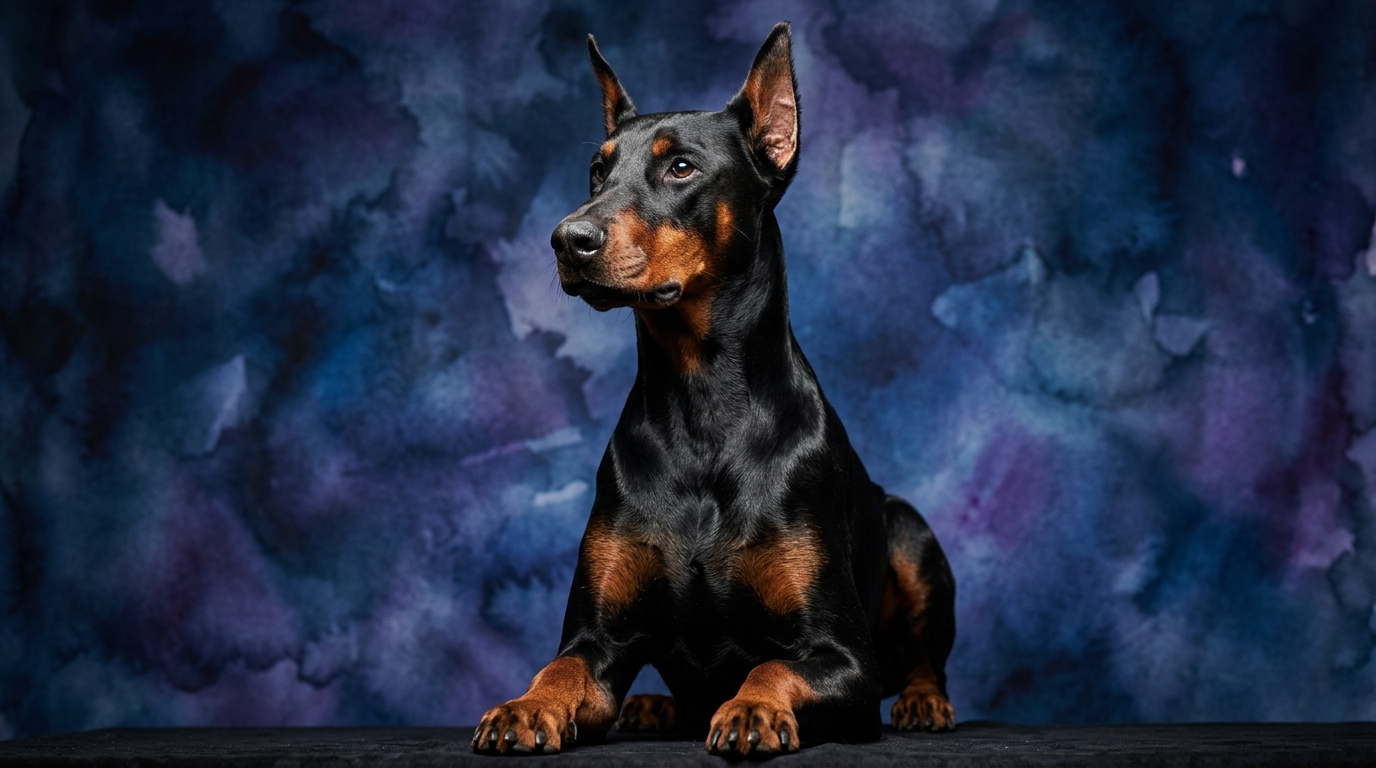
The Doberman Pinscher, ranking an impressive #5 on the Coren scale, presents a formidable cognitive blueprint. Their Problem Solving score is a perfect 5/5, indicating an exceptional capacity for independent thought and strategizing, excelling at complex tasks requiring multi-step solutions or novel approaches. They are adept at navigating obstacles and figuring out 'how' to achieve a goal, even without direct instruction. Matched with a 5/5 in Training Speed, Dobermans process new commands and routines with remarkable efficiency, often grasping concepts in very few repetitions; their eagerness to learn and strong focus on their handler contribute to this rapid acquisition of skills. Their Social Intelligence, at 4/5, suggests a very good understanding of their family unit's dynamics, fostering loyalty and a protective instinct rooted in this awareness. An Instinctive Drive of 5/5 manifests as a powerful desire for purpose and protection, demanding a directed outlet. Finally, their Memory is also a 5/5, meaning they retain learned behaviors, commands, and experiences with exceptional long-term recall, contributing significantly to their reliability in complex roles.
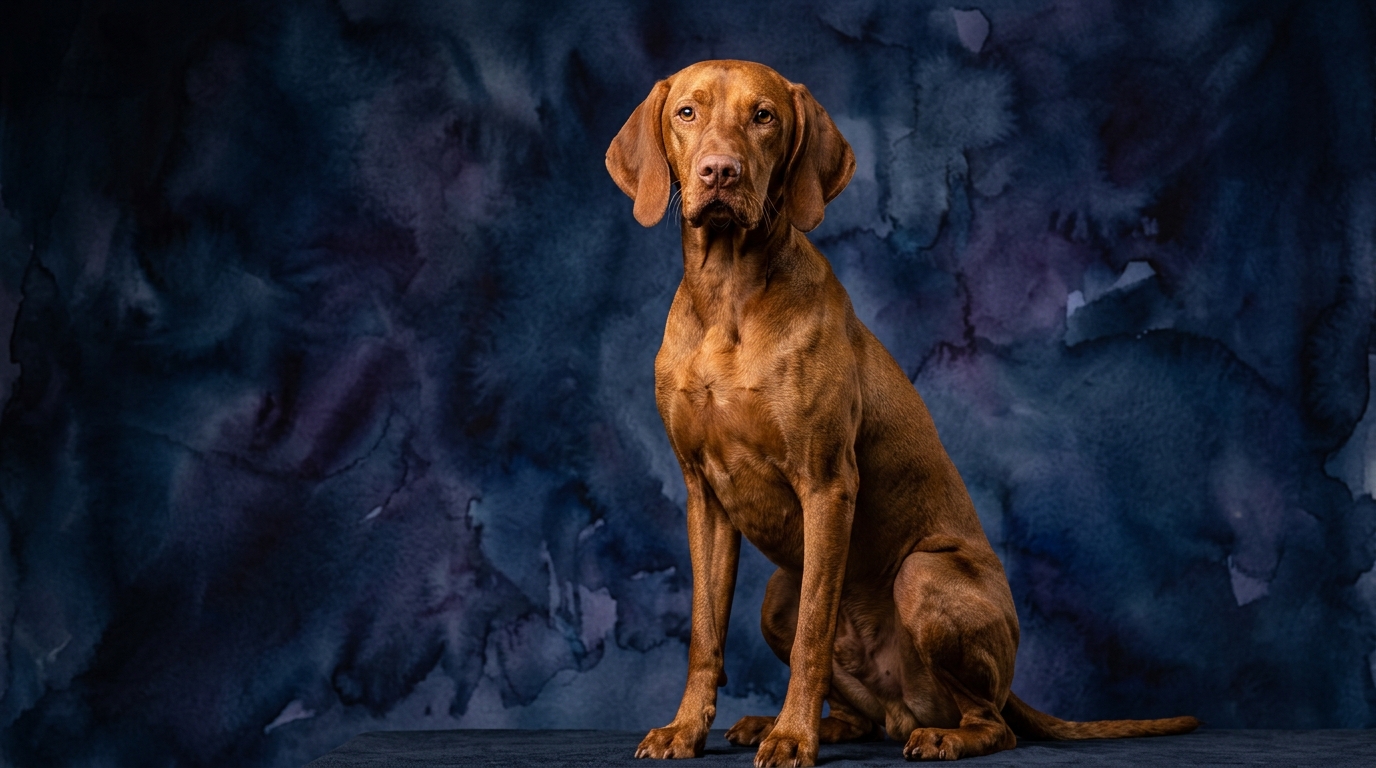
The Vizsla, while still an above-average #31 on the Coren scale, offers a distinct cognitive profile shaped by its sporting heritage. Their Problem Solving capability is a very good 4/5, demonstrating an ability to adapt to new situations and figure out solutions, particularly those related to their environment or retrieving tasks, though perhaps with a slightly more trial-and-error approach. Their Training Speed also scores a 4/5, indicating they learn new commands and routines effectively and at a good pace; their enthusiasm and desire to please contribute to their receptiveness, making training a generally rewarding experience. Where the Vizsla truly shines is in Social Intelligence, earning a perfect 5/5; they stand out with an exceptional ability to read and respond to social cues, both human and canine, thriving on interaction and forming deep, empathetic bonds. Their Instinctive Drive, also 5/5, is exceptionally strong and primarily focused on hunting, retrieving, and boundless physical activity, requiring significant channeling. Their Memory, at 4/5, means Vizslas possess very good recall for commands, routines, and experiences, though perhaps not with the Doberman's near-perfect precision for complex, multi-layered tasks over extended periods.
Where the Doberman Pinscher Excels Cognitively
The Doberman's cognitive edge is most apparent in its unparalleled capacity for intricate, multi-stage problem-solving and rapid skill acquisition. Their 5/5 Problem Solving and Training Speed scores mean they not only grasp new concepts almost instantly but can also independently devise strategies for novel challenges. For instance, a Doberman might quickly learn a complex agility course and then, when faced with an unexpected obstacle, instinctively find an alternative route without hesitation, rather than waiting for handler guidance. Their robust 5/5 Memory ensures these complex learnings are deeply ingrained, leading to exceptionally consistent performance in demanding roles. This combination makes them particularly suited for precision work where accuracy and retention of detailed protocols are paramount, from protection work to competitive obedience. Their Instinctive Drive, also rated 5/5, is often channeled into focused, protective tasks, demanding a cognitive framework that can manage high-stakes scenarios with unwavering resolve.
Where the Vizsla Excels Cognitively
The Vizsla's cognitive strengths shine brightest in the realm of social interaction and a more fluid, adaptive approach to their environment. Their exceptional 5/5 Social Intelligence means they are profoundly attuned to their human companions, often anticipating needs and reacting with remarkable empathy. This sensitivity fosters an incredibly strong, 'velcro' bond, making them deeply responsive to subtle cues and emotional states. While their Problem Solving and Training Speed are a very good 4/5, they approach tasks with an enthusiastic, collaborative spirit rather than pure independent strategizing. For example, a Vizsla might be less inclined to devise a wholly new solution to a complex puzzle on its own, but will eagerly engage in trial-and-error with its owner, leveraging their social connection. Their 5/5 Instinctive Drive is channeled into boundless energy and a passion for exploration and retrieve, where their social intelligence helps them work harmoniously with a hunter, responding to subtle hand signals and body language.
Training Dynamics: Doberman Pinscher vs. Vizsla
When considering ease of training, the Doberman Pinscher (Training Speed 5/5) typically offers a faster learning curve for formal commands and complex routines compared to the Vizsla (Training Speed 4/5). Dobermans absorb new information with remarkable efficiency, often requiring fewer repetitions to solidify a command. Their strong focus and desire for a clear, structured working relationship mean they respond well to precise instruction and consistency. However, this efficiency comes with the caveat that Dobermans thrive on clear leadership; a lack of structure can lead their problem-solving abilities to be applied to less desirable behaviors, potentially making them seem 'stubborn' if their mental needs aren't met.
The Vizsla, while learning at a very good pace, leans more on its exceptional 5/5 Social Intelligence during training. They are eager to please and form a close bond, which makes them highly motivated to engage with their owner. Training a Vizsla often feels like a collaborative dance, where their sensitivity to their owner's mood and willingness to participate are key drivers. While they might take a few more repetitions to master a complex multi-step command compared to a Doberman, their enthusiasm and desire for connection make the process rewarding. Their training success often hinges on positive reinforcement and maintaining that strong social bond, as they can be more sensitive to harsh corrections and may withdraw if they feel misunderstood, requiring a patient and encouraging approach.
Matching Cognitive Profiles to Lifestyles: Active vs. Relaxed Owners
Both Doberman Pinschers and Vizslas possess a 5/5 Instinctive Drive, meaning neither breed is suited for a truly relaxed, sedentary lifestyle. However, the nature of their drive differs, influencing which active owner profile they best suit. Understanding this distinction is crucial for a harmonious partnership.
The Doberman's drive is often channeled into purposeful work and protection. They require consistent mental engagement and structured physical activity that provides a job or a challenge. An active owner for a Doberman is one who can provide rigorous daily exercise, consistent training, and opportunities for their dog to use its cognitive prowess in activities like obedience, protection sports, or tracking. They thrive with owners who appreciate a dog that needs a clear role and consistent leadership, channeling their intense focus into productive outlets. Their need for mental stimulation is as critical as physical exertion; without it, their problem-solving skills might be directed towards unwanted behaviors.
The Vizsla's exceptional drive is rooted in its sporting heritage, manifesting as an insatiable need for vigorous physical exercise and exploration. They are perpetually in motion, requiring extensive daily runs, hikes, or field work to expend their energy. An active owner for a Vizsla is someone who enjoys being outdoors for extended periods, perhaps a runner, hiker, or someone involved in dog sports like agility or hunt tests. They thrive with owners who can match their boundless enthusiasm and provide ample opportunities for free-ranging movement and engaging their scenting instincts. While both need activity, the Doberman often seeks structured purpose, while the Vizsla craves expansive, energetic freedom alongside their human, making them less suitable for owners who prefer short, leashed walks as their primary form of exercise.
The Verdict
Choose a Doberman Pinscher if you seek a highly trainable, focused companion for structured activities like protection work, advanced obedience, or competitive dog sports, and you can provide consistent leadership and mental challenges.
Opt for a Vizsla if you desire an exceptionally social, empathetic companion for extensive outdoor adventures, field work, or energetic dog sports, and you can dedicate significant time to their physical and social needs.
🧠 Find Your Pet's IQ Score
Our Pet IQ Lab assessment covers 25+ tests across 5 cognitive dimensions — personalized to your breed.
Take the Full IQ Test →Frequently Asked Questions
Are Dobermans good family dogs despite their protective instincts?
Dobermans can be exceptional family dogs within their trusted circle, demonstrating loyalty and a watchful nature. Their 4/5 Social Intelligence means they bond deeply with their family, but early socialization and consistent training are crucial to ensure their protective instincts are well-managed and directed appropriately.
Do Vizslas need a lot of space to be happy?
Vizslas thrive with ample space to run and explore, reflecting their 5/5 Instinctive Drive for activity. While they can adapt to smaller living environments if their exercise needs are met, a home with a secure yard and owners committed to daily vigorous outdoor activity is ideal for their well-being.
Which breed is better for a first-time dog owner?
Neither breed is typically recommended for first-time dog owners due to their intense needs and drives. However, if an experienced first-timer is committed to extensive training, socialization, and meeting high exercise demands, the Vizsla's social nature might be marginally more forgiving than the Doberman's strong working focus.