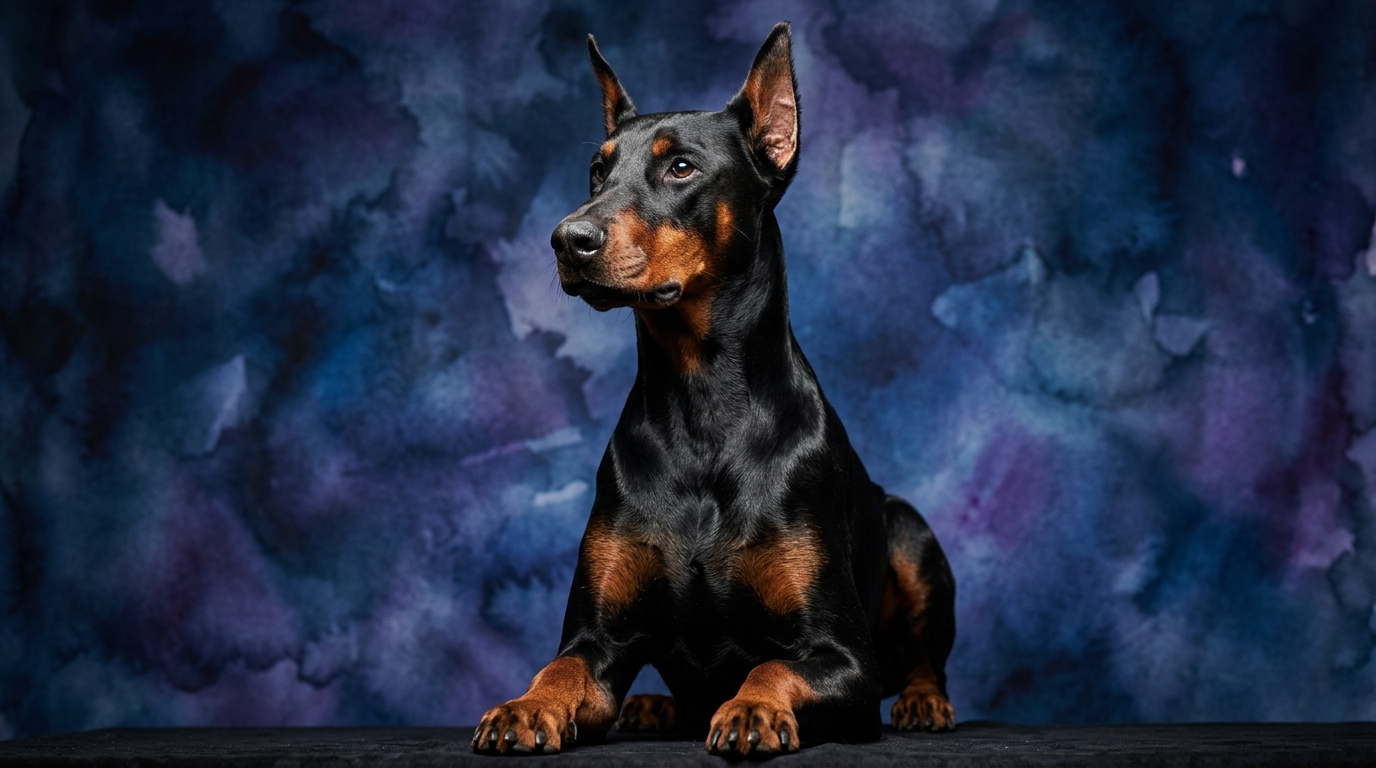
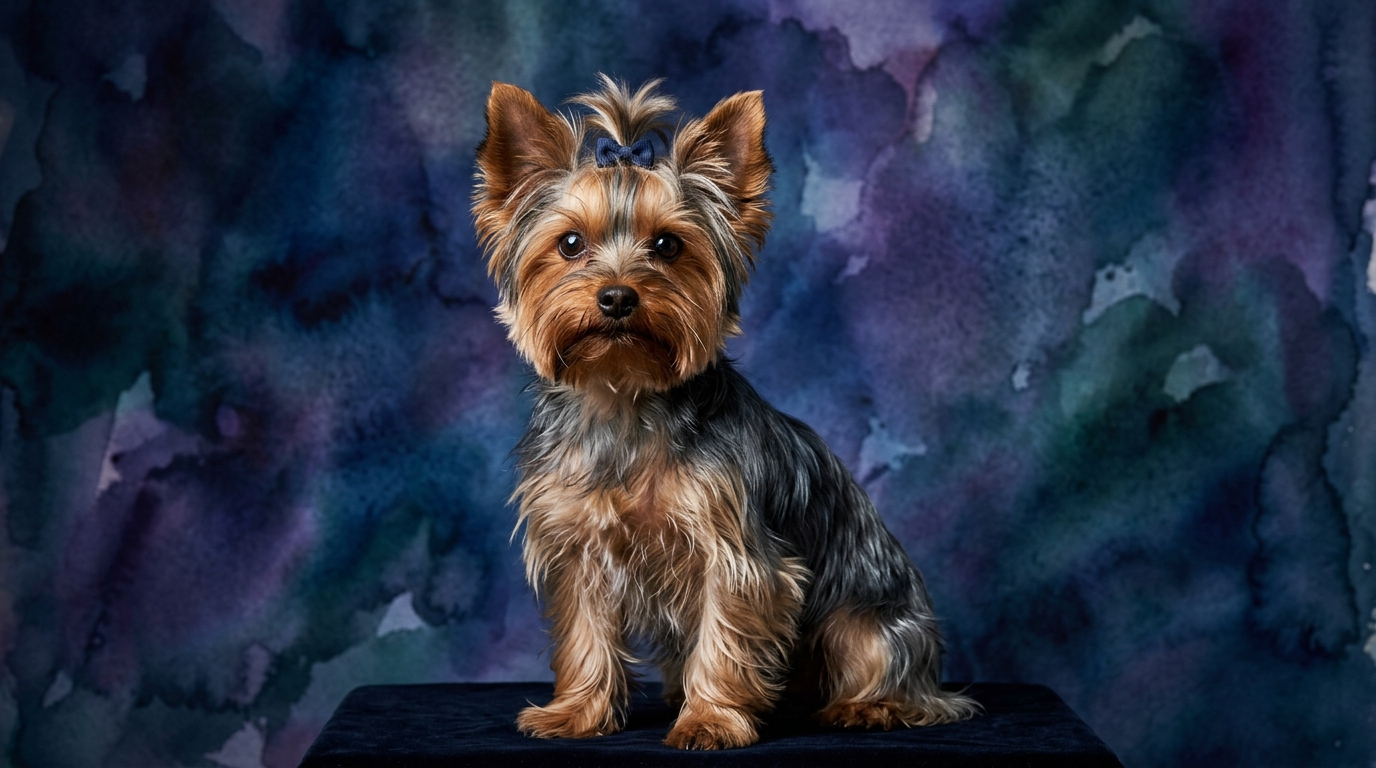
Side-by-side IQ profile
The Doberman Pinscher, ranking #5 on the Coren scale, presents a formidable cognitive profile. Their Problem Solving is rated 5/5, indicating an exceptional capacity to independently analyze and navigate complex situations, often devising novel solutions. Training Speed also scores 5/5, meaning they grasp new commands and routines with remarkable swiftness, requiring minimal repetition. Social Intelligence, at 4/5, suggests a strong ability to interpret human cues and adapt to various social dynamics, though perhaps with a more focused loyalty. Their Instinctive Drive is 5/5, reflecting a powerful inherent motivation for specific tasks, often related to protection or work. Finally, their Memory is 5/5, ensuring they retain learned behaviors and experiences over long periods.
In contrast, the Yorkshire Terrier, with a Coren rank of #27, showcases a different, yet still capable, cognitive makeup. Their Problem Solving is 3/5, indicating they can tackle straightforward challenges but might need more guidance for intricate puzzles. Training Speed is 4/5, meaning they learn new commands readily, albeit not with the Doberman's lightning pace. They share a 4/5 rating for Social Intelligence, demonstrating good adaptability and responsiveness to human interaction, often forming strong bonds. Their Instinctive Drive is 4/5, reflecting the tenacious prey drive characteristic of terriers, channeled into tasks like vermin control or focused play. Memory for the Yorkshire Terrier is 4/5, allowing them to recall training and experiences effectively, though perhaps with less precision for very long or complex sequences than a Doberman.
Where Doberman Pinscher wins cognitively
The Doberman Pinscher's cognitive strengths are particularly evident in their robust Problem Solving and Training Speed, both scoring a perfect 5/5. This translates into an unparalleled ability to learn multi-step commands and execute them reliably, such as navigating agility courses with intricate sequences or performing complex protection work that requires discerning judgment. Their superior memory (5/5) means they rarely forget what they've learned, making advanced obedience and specialized tasks a more permanent acquisition. For instance, a Doberman can quickly grasp the concept of fetching specific items by name or identifying particular scents after just a few repetitions, retaining that knowledge for years. Their high instinctive drive (5/5) means they possess an inherent desire to work and fulfill a purpose, making them highly self-motivated when engaged in a task they are bred for, such as guarding or tracking. This drive, combined with their problem-solving prowess, allows them to adapt and perform effectively even when faced with unexpected variables in a working scenario.
Where Yorkshire Terrier wins cognitively
While the Yorkshire Terrier's raw scores might appear lower than the Doberman's, they excel in specific cognitive applications, particularly within their context as companion animals. Their Social Intelligence at 4/5 allows them to navigate complex human households with considerable finesse, often adapting quickly to new people, routines, and environments. This enables them to forge strong, nuanced bonds with family members, responding acutely to subtle emotional cues. Their 4/5 Instinctive Drive, while different from a Doberman's, is a significant asset for a small companion breed; it fuels their tenacious spirit and makes them highly engaging in play, often turning simple games into focused, rewarding interactions. This drive translates into an eagerness for specific tasks like chasing toys or participating in earthdog trials, where their natural terrier instincts shine. Furthermore, their 4/5 Training Speed means they are quick studies for foundational obedience and tricks, often picking up commands like "sit," "stay," or "come" with commendable efficiency, proving highly trainable for a companion dog of their size. Their robust memory (4/5) ensures these learned behaviors stick, making them reliable companions once training is established.
Which is easier to train and why
Comparing training ease, the Doberman Pinscher, with a 5/5 Training Speed and 5/5 Memory, generally demonstrates a faster and more efficient learning curve for complex tasks. Their inherent desire to work and please, combined with their capacity for multi-step problem-solving, allows them to absorb and generalize new commands with minimal repetition. For instance, a Doberman might learn an intricate agility sequence or a service dog task in a fraction of the time a Yorkie would, due to their higher cognitive processing speed and robust recall. They are often highly motivated by praise and task completion, focusing intensely on the trainer.
The Yorkshire Terrier, scoring 4/5 in Training Speed and 4/5 in Memory, is still a very trainable breed, but their approach differs. While they pick up basic commands readily, their terrier independence and often shorter attention spans, especially in the face of distractions, can require a more patient, consistent, and reward-based approach. They might respond best to training sessions that are shorter, more frequent, and highly engaging, often motivated by high-value treats or favorite toys. While they can learn a wide array of commands and tricks, owners might find they need more repetitions to solidify complex behaviors, and their natural tenacity might lead to occasional stubbornness if they don't see the immediate value in a command. They excel when training is framed as a fun, interactive game.
Which suits active owners vs relaxed owners
The Doberman Pinscher is unequivocally suited for active owners who can meet their substantial needs for both physical exertion and mental engagement. Their 5/5 Instinctive Drive and high Problem Solving demand daily outlets like long runs, advanced obedience, protection sports, or complex puzzle toys. A Doberman thrives when given a job to do, whether it's guarding the home, participating in competitive dog sports, or being a dedicated running partner. Without sufficient stimulation, their cognitive prowess and energy can manifest as boredom-induced behaviors.
The Yorkshire Terrier, while spirited, offers more flexibility for owners with varying activity levels. Their 4/5 Instinctive Drive means they enjoy active play and walks, but they don't typically require the same intensity or duration of exercise as a Doberman. They are adaptable to apartment living and can thrive with regular indoor play sessions, short walks, and mental stimulation through puzzle toys and trick training. They are well-suited for owners who appreciate a lively companion for daily walks and cuddles on the couch, but aren't necessarily seeking a partner for extreme sports. A "relaxed" owner who still provides consistent engagement, training, and affection will find a Yorkie a delightful fit, whereas a Doberman would likely become restless.
The Verdict
Choose a Doberman Pinscher if you are an experienced, active owner seeking a highly capable and engaged canine partner for advanced training, protective roles, or demanding physical and mental activities, prepared to invest significant time in their development. Their exceptional cognitive abilities make them ideal for owners who want a dog to truly 'work' alongside them and thrive on purpose.
Opt for a Yorkshire Terrier if you desire a spirited, adaptable companion who excels in close human interaction and can thrive in diverse living situations, from urban apartments to suburban homes. They suit owners who appreciate a lively, affectionate dog amenable to consistent, positive reinforcement training and enjoy engaging in playful interactions and moderate daily activity.
🧠 Find Your Pet's IQ Score
Our Pet IQ Lab assessment covers 25+ tests across 5 cognitive dimensions — personalized to your breed.
Take the Full IQ Test →Frequently Asked Questions
Can a Yorkshire Terrier be trained for agility despite its lower problem-solving score?
Absolutely. While their problem-solving score is 3/5, their 4/5 training speed and instinctive drive make them capable agility participants. They excel with consistent, positive reinforcement and can learn sequences effectively, often displaying remarkable speed and tenacity on the course.
How does a Doberman Pinscher's 4/5 social intelligence compare to other breeds?
A Doberman's 4/5 social intelligence indicates strong capacity to read and respond to human cues, often leading to deep, loyal bonds with their family. While perhaps not as universally gregarious as some breeds, they are highly attuned to their owners and can navigate social situations effectively with proper socialization and guidance.
Does the Doberman's high instinctive drive make them difficult to manage?
The Doberman's 5/5 instinctive drive means they possess strong natural motivations, often for protection or working tasks. This drive makes them highly trainable and focused when channeled appropriately through consistent training and fulfilling activities, but can lead to frustration or unwanted behaviors if not properly managed and given suitable outlets.