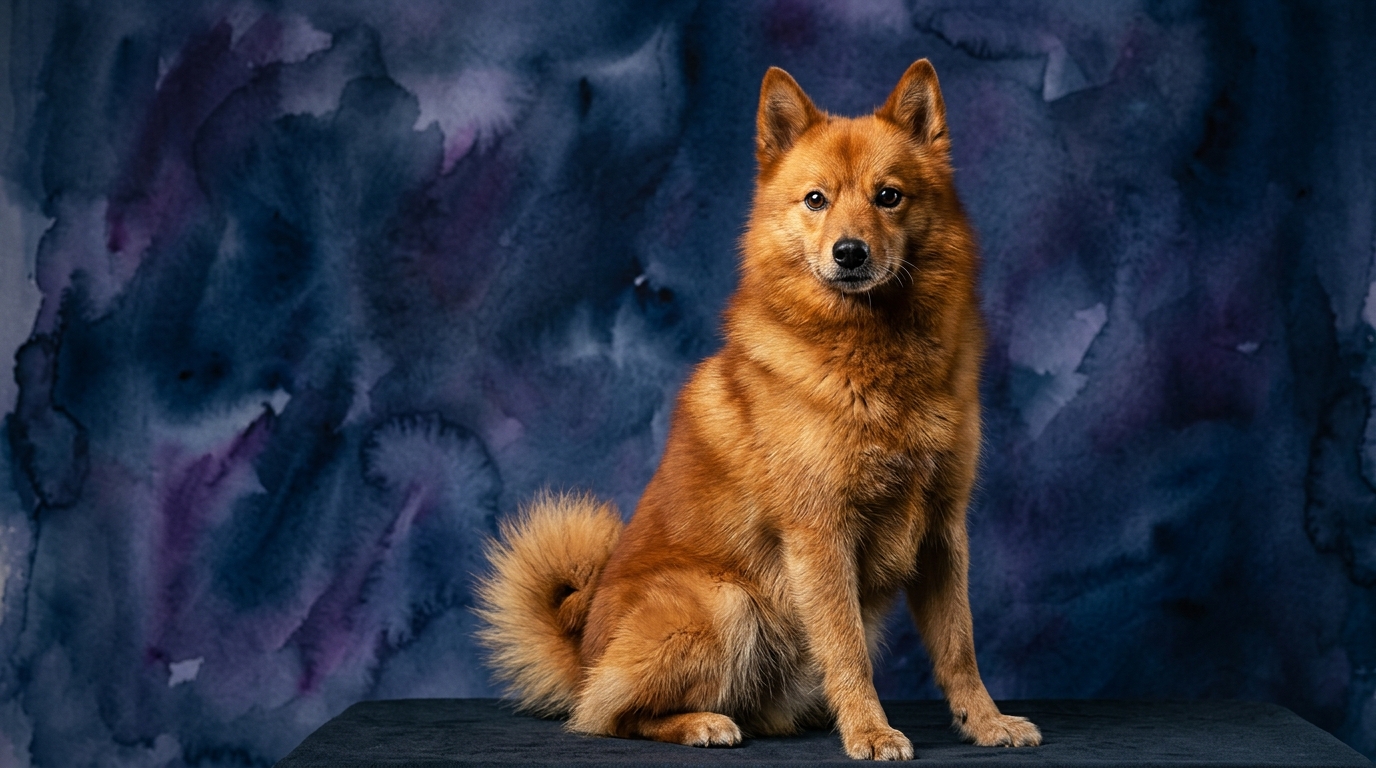
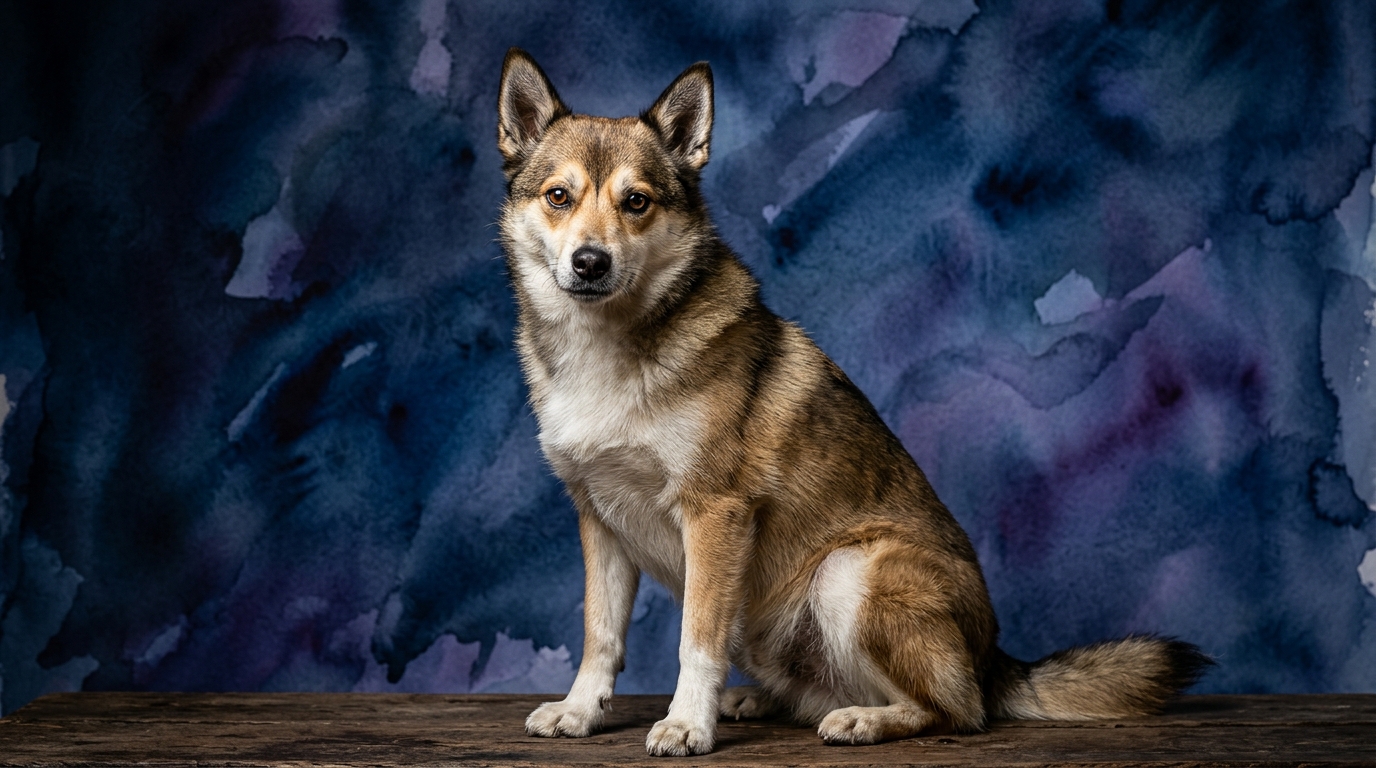
Finnish Spitz: A Detailed Cognitive Profile
A Finnish Spitz's problem-solving often manifests as an astute ability to locate game by scent and sound, then use their distinctive "bark-pointing" technique to signal its presence to a hunter. This is less about complex logical puzzles and more about efficient, instinct-driven environmental navigation and communication, and they can be quite clever in figuring out how to get attention or access desired items in the home, earning them a 3/5.
Their 3/5 training speed reflects an ability to learn commands and routines with consistent positive reinforcement, though their independent spirit means they aren't always quick to obey if they perceive a task as lacking immediate value. They learn best when training is engaging and taps into their natural drives, such as scent work or controlled vocalization exercises.
With a 3/5 in social intelligence, the Finnish Spitz forms deep, loyal bonds with their immediate family, showing a clear understanding of household dynamics and human emotional states within their inner circle. They tend to be more reserved with strangers, observing new people and situations before deciding to engage, demonstrating a cautious but perceptive social awareness.
Their 3/5 instinctive drive is profoundly expressed through their intense prey drive, particularly for birds, and their characteristic vocalization, which isn't just a bark but a nuanced communication tool. This drive underpins their historical role and means they are often alert to environmental changes, ready to announce anything out of the ordinary.
A Finnish Spitz's memory, rated 3/5, is reliable for retaining learned commands, routines, and the locations of favored people or objects. They quickly commit to memory what is expected of them, and also remember what they can get away with, making consistency in training and household rules crucial for this perceptive breed.
Norwegian Lundehund: A Detailed Cognitive Profile
The Lundehund's 3/5 problem-solving ability is a marvel of physical and spatial ingenuity, historically applied to navigating the treacherous, narrow crevices of cliff faces to hunt puffins. This involves complex spatial reasoning, flexibility to contort their bodies, and an inventive approach to overcoming physical obstacles, making them adept at finding unique ways to explore or escape.
Their 3/5 training speed is often colored by a profoundly independent and sometimes stubborn streak; they learn, but often on their own terms and with a strong "what's in it for me?" attitude. Effective training requires immense patience, creativity, and high-value rewards to motivate these unique dogs, as they are not inherently driven to please in the same way some other breeds are.
With a 3/5 in social intelligence, the Lundehund is typically reserved and wary of strangers, preferring the company of their chosen few. They are keenly observant of their environment and can be sensitive to subtle changes in human mood or household routine, forming very deep, though sometimes idiosyncratic, bonds with their family members.
Their 3/5 instinctive drive is highly specialized, encompassing a strong prey drive for small, burrowing creatures, an intense need to explore every nook and cranny, and a tendency to dig. Their unique anatomical features, like extra toes and flexible joints, are physical manifestations of this deep-seated, persistent exploratory and hunting instinct.
A Lundehund's 3/5 memory is impressive for recalling intricate routes, complex sequences of actions, and specific locations, which was vital for their puffin-hunting role. While they retain commands, their independence means they might remember them perfectly but choose to disregard them if a more interesting or self-serving activity presents itself.
Where the Finnish Spitz Wins Cognitively
The Finnish Spitz's cognitive strengths shine in their role as an alert and communicative companion. Their 3/5 problem-solving and instinctive drive manifest as a highly developed environmental awareness, making them superb at noticing and announcing changes in their surroundings with their characteristic vocalizations. Unlike the Lundehund's more internal problem-solving of physical space, the Spitz excels at external communication and territorial vigilance, using their memory for routines to quickly identify anomalies. Their social intelligence, while reserved, often translates into a more straightforward understanding of household rules and a greater willingness to participate in family activities once a bond is established, making them more overtly responsive to human direction within their sphere.
Where the Norwegian Lundehund Wins Cognitively
The Norwegian Lundehund's cognitive advantages are rooted in their unparalleled physical adaptability and ingenious environmental manipulation. Their 3/5 problem-solving is expressed through an extraordinary capacity for spatial reasoning and body awareness, allowing them to navigate and exploit complex physical environments in ways few other breeds can. This manifests as a unique ability to contort, climb, and burrow to achieve their goals, often surprising owners with their clever escape artistry or ability to reach high places. Their instinctive drive, while equally rated, is more about specialized physical exploration and intricate prey pursuit, requiring a different, more hands-on kind of ingenuity than the Spitz's vocal alerting.
Which is Easier to Train and Why
Considering their identical 3/5 training speed scores, the ease of training largely hinges on an owner's approach and tolerance for independence. The Finnish Spitz, while possessing an independent streak, often exhibits a more direct desire to engage with and please its family, making them generally more responsive to traditional, positive-reinforcement training methods. Their strong memory and social intelligence mean they internalize commands and routines reliably, though managing their vocal nature requires specific training. The Norwegian Lundehund, conversely, presents a greater training challenge due to its profound independence and historical role, which fostered self-direction over human instruction. Their 3/5 training speed demands exceptional patience, creativity, and the use of very high-value rewards, as they are more likely to weigh the perceived benefit of compliance against their own desires. Their problem-solving often involves outsmarting boundaries rather than adhering to them, requiring diligent and consistent management.
Which Suits Active Owners vs Relaxed Owners
Neither the Finnish Spitz nor the Norwegian Lundehund could genuinely be described as suiting a "relaxed" owner, as both breeds possess a 3/5 instinctive drive that demands significant engagement. The Finnish Spitz is an excellent fit for active owners who appreciate a lively, vocal companion and are prepared for consistent training and mental stimulation. They thrive on outdoor adventures, scent work, and activities that allow them to utilize their natural alertness and energy, making them ideal for individuals who enjoy regular, structured engagement and can manage their expressive barking. The Norwegian Lundehund, however, requires an even more specific type of "active" owner. Their unique physical needs and problem-solving abilities demand owners who are prepared for intensive, creative enrichment, including secure environments that prevent escape, opportunities for climbing and digging, and constant mental challenges. They are best suited for highly dedicated, experienced owners who embrace quirky behaviors and can provide specialized outlets for their profound exploratory instincts.
The Verdict
Choose the Finnish Spitz if you seek a vocal, alert, and engaging companion who thrives on consistent interaction and can reliably announce the world around them, appreciating their family-oriented intelligence.
Opt for the Norwegian Lundehund if you are an experienced owner intrigued by a physically unique, independent, and highly inventive dog, prepared to meet the demands of their extraordinary problem-solving and exploratory instincts.
🧠 Find Your Pet's IQ Score
Our Pet IQ Lab assessment covers 25+ tests across 5 cognitive dimensions — personalized to your breed.
Take the Full IQ Test →Frequently Asked Questions
Are Finnish Spitz good family dogs?
Yes, Finnish Spitz are typically loyal and affectionate with their immediate family, showing 3/5 social intelligence within their inner circle. They can be reserved with strangers, so early socialization is important to ensure they are comfortable with new people and experiences.
Do Norwegian Lundehunds bark a lot?
Norwegian Lundehunds are not typically excessive barkers compared to some breeds, but they are vocal and will use barks, yips, and growls to communicate, especially when excited or alerting to something unusual. Their 3/5 instinctive drive means they are alert to their surroundings.
How much exercise does a Finnish Spitz need?
A Finnish Spitz requires a moderate to high amount of exercise, generally 30-60 minutes of vigorous activity daily, to satisfy their 3/5 instinctive drive and maintain their physical and mental well-being. This can include walks, runs, playtime, or even scent work.
Are Norwegian Lundehunds good with children?
Norwegian Lundehunds can be good with older, respectful children who understand their reserved nature and unique physical traits. Their 3/5 social intelligence means they bond deeply with their family, but their independence and sensitivity might make them less tolerant of boisterous young children.
What makes the Norwegian Lundehund's problem-solving unique?
The Norwegian Lundehund's 3/5 problem-solving is unique due to its historical requirement for physical ingenuity, allowing them to navigate incredibly challenging environments like narrow cliff crevices to hunt puffins. This involves exceptional spatial reasoning, body flexibility, and an inventive approach to overcoming physical obstacles, often manifesting as clever escape artistry or climbing behaviors.