Side-by-Side IQ Profile: German Wirehaired Pointer vs. Tibetan Spaniel
The Cosmic Pet Pet IQ Lab assesses canine intelligence across five key dimensions, providing a granular view of each breed's cognitive strengths. Let's examine how the German Wirehaired Pointer (GWP) and the Tibetan Spaniel (TS) measure up, highlighting their inherent capabilities and tendencies.
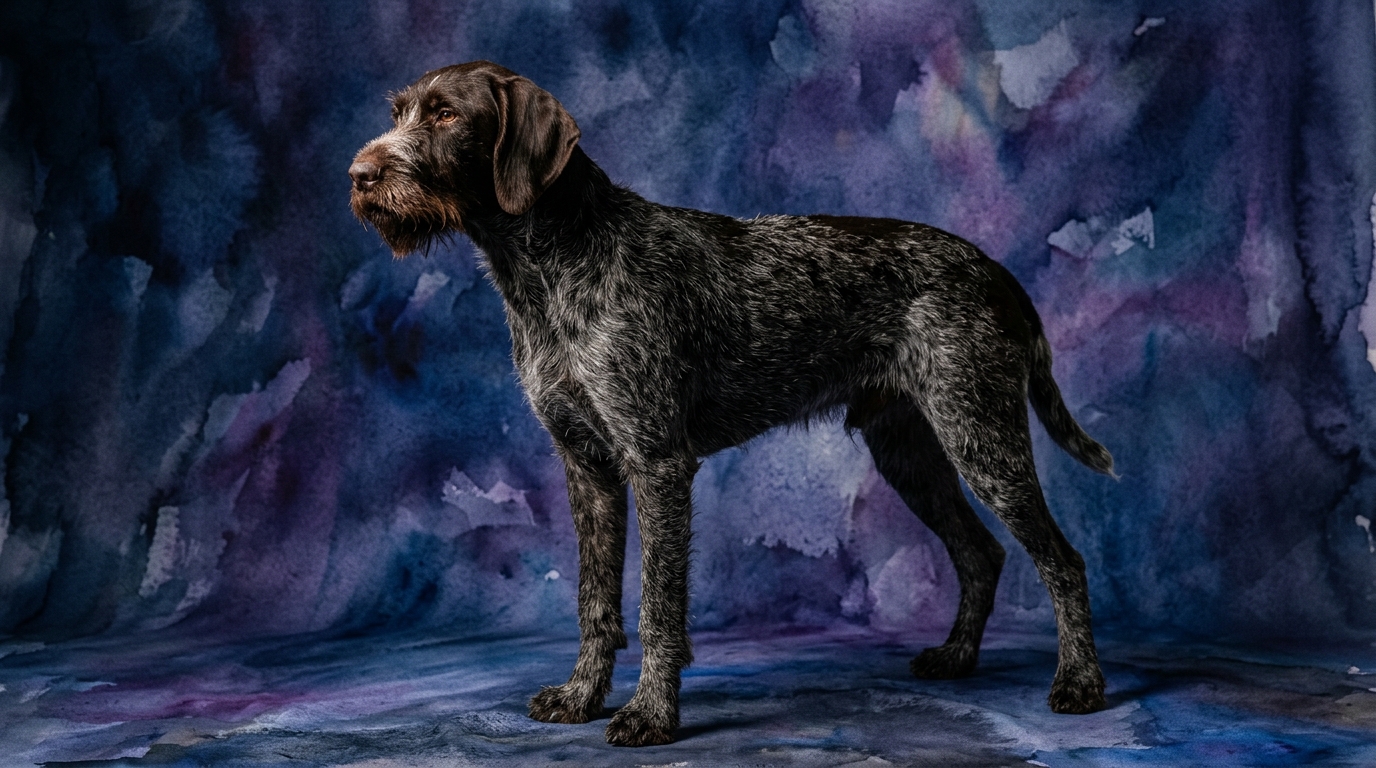
**German Wirehaired Pointer (Sporting, Coren rank #28):** This breed’s profile reflects its heritage as a versatile hunting dog, requiring both physical prowess and mental agility. Their Problem Solving is rated 4/5, indicating a robust capacity for independent thought in the field, adept at navigating complex terrain and locating game with minimal handler input. Their problem-solving acumen is honed for practical application, quickly assessing situations to achieve a goal, whether it's finding a hidden retrieve or bypassing an obstacle. Training Speed also scores 4/5, signifying their strong desire to cooperate and a quick grasp of new commands and routines. Their inherent biddability and focus on their handler make them efficient learners, absorbing complex sequences and cues with relative ease, particularly when training is engaging and consistent. Social Intelligence is 3/5; while capable of forming strong bonds with their family, their social understanding is more geared towards a working partnership than nuanced emotional mirroring, understanding human cues well enough to perform tasks. Instinctive Drive is 3/5, centering predominantly on hunting and scent work, manifesting as a persistent desire to explore, track, and retrieve. This drive is powerful and purpose-oriented, requiring appropriate outlets. Finally, Memory is 4/5, demonstrating excellent retention of learned behaviors, commands, and environmental layouts, crucial for recalling complex hunting patterns and maintaining proficiency in advanced training over time.
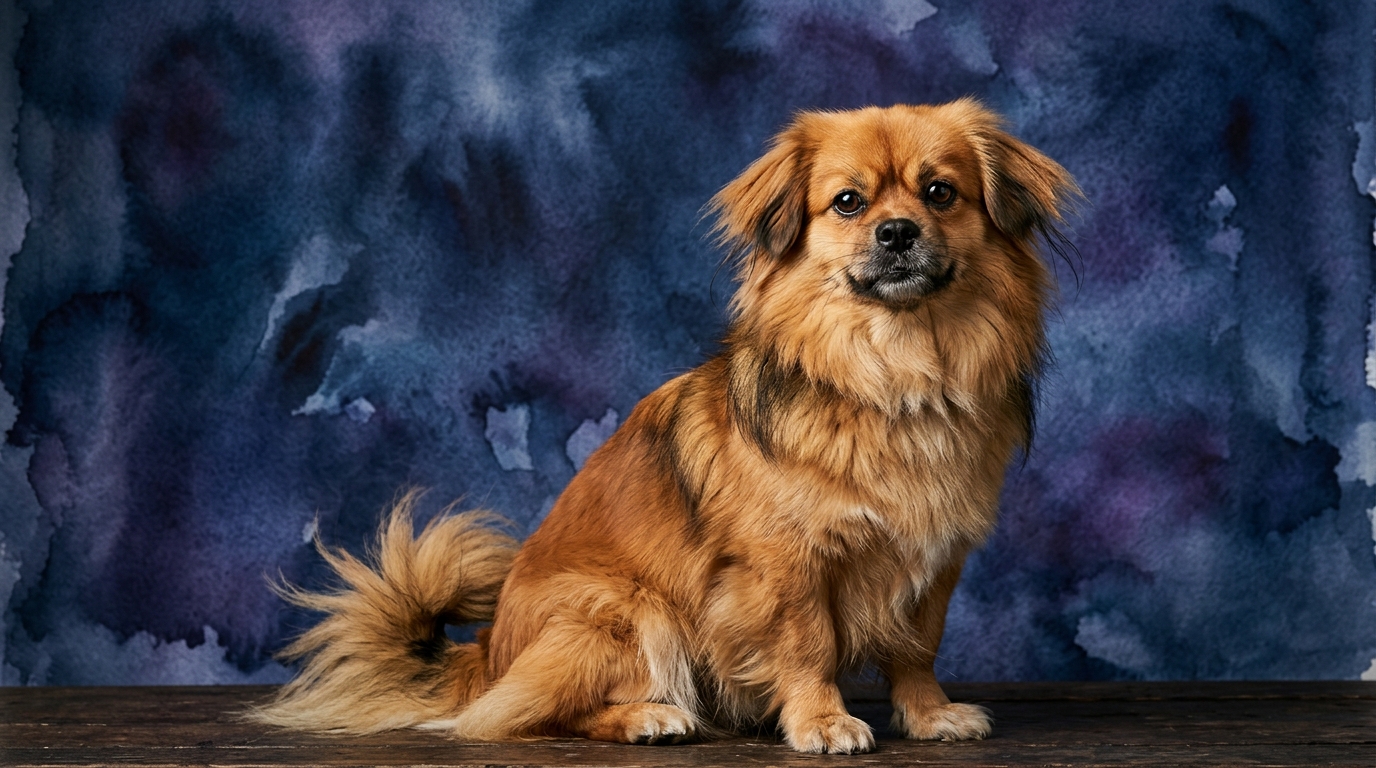
**Tibetan Spaniel (Non-Sporting, Not Coren-ranked):** The Tibetan Spaniel's cognitive make-up aligns with its historical role as a companion and sentinel within monasteries, valuing observation and connection. Their Problem Solving is 3/5, displaying a moderate ability to solve problems, often doing so with a keen sense of self-preservation and resourcefulness, such as finding the most comfortable spot or manipulating their environment for comfort rather than a task-oriented goal. Training Speed is 3/5; these dogs learn at a steady pace, though their independent streak means they require patient, positive reinforcement and a clear purpose for training, often weighing the benefit of compliance against their own desires. Social Intelligence is 3/5, showing them to be highly attuned to their human companions, demonstrating a nuanced understanding of household routines and emotional states; they excel at companion roles, often anticipating needs, though they can be reserved with strangers. Their Instinctive Drive is 3/5, rooted in their historical role as temple companions and watchdogs, manifesting as alertness, a desire for elevated perches, and a keen awareness of their surroundings, less about active pursuit and more about observation and protective vigilance. Memory is 3/5, possessing a good memory for routines, people, and places within their established environment, remembering past interactions and learned boundaries, contributing to their consistent behavior within a familiar home setting.
Where the German Wirehaired Pointer Wins Cognitively
The German Wirehaired Pointer's cognitive strengths distinctly outshine the Tibetan Spaniel in areas demanding proactive engagement and rapid information processing. Their superior Problem Solving (4/5 versus 3/5) means they not only identify issues but actively strategize solutions, whether it's navigating a complex scent trail or figuring out how to retrieve an object from a difficult spot. This is a dog that thinks on its feet in dynamic environments. Coupled with a higher Training Speed (4/5 versus 3/5), GWPs absorb new commands and multi-step tasks with remarkable efficiency, eager to understand and execute for their handler. Their robust Memory (4/5 versus 3/5) further cements this advantage, allowing them to recall intricate hunting patterns, retain vast amounts of learned information, and maintain proficiency in advanced skills over long periods, making them exceptionally reliable in performance-based activities.
Where the Tibetan Spaniel Wins Cognitively
While the Tibetan Spaniel doesn't boast higher numerical scores in problem-solving or training speed, its cognitive profile offers a unique advantage in specific domestic contexts. Its Social Intelligence, rated equally at 3/5, manifests differently: where the GWP's social understanding is often task-oriented, the Tibetan Spaniel excels at subtle companion dynamics. They are masters of observation, often perceiving shifts in household moods or routines with an almost uncanny intuition, making them exceptionally empathetic and unobtrusive companions. Their Instinctive Drive, also 3/5, is less about an active chase and more about vigilant awareness and 'watchdog' duties, a cognitive win for those seeking an alert, yet calm, presence. This translates to an independent problem-solving approach often focused on comfort and personal strategy within a home, rather than external tasks. Their ability to manage their environment for personal benefit, like finding the sunniest spot or subtly requesting attention, showcases a different, but equally valid, form of practical intelligence.
Training Ease: Behavioral Differences Explained
Without question, the German Wirehaired Pointer generally proves easier to train for structured obedience and complex tasks. Their Training Speed of 4/5 reflects an inherent desire to work collaboratively with a handler, coupled with a keen focus and responsiveness. A GWP typically grasps a new command within fewer repetitions and exhibits a strong drive to perform consistently, often thriving on the mental engagement of learning. This breed's working heritage means they are bred to take direction and execute tasks with purpose, making them highly receptive to consistent guidance and eager to please in a working partnership. They respond well to clear instruction and positive reinforcement, quickly integrating new skills into their repertoire.
In contrast, the Tibetan Spaniel, with a Training Speed of 3/5, requires more patience and creative motivation. Their historical role as 'lap warmers' and temple guardians fostered a degree of independent thought and a less intense drive to 'please' in a performance sense. While intelligent, a Tibetan Spaniel might evaluate a command based on its own perceived value or comfort, rather than immediate compliance. This isn't a lack of ability, but a difference in motivational structure; they learn, but often on their own terms, making consistency, positive reinforcement, and making training feel like a collaborative game paramount to success. Their independent nature means they might choose to ignore a command if they don't see the immediate benefit or if a more interesting distraction is present.
Matching Canine Cognition to Owner Lifestyles
The choice between these two breeds largely hinges on an owner's lifestyle and capacity for engagement. The German Wirehaired Pointer is unequivocally suited for active owners. Their robust Instinctive Drive (3/5) and need for mental and physical stimulation demand daily outlets like long runs, challenging hikes, or participation in dog sports such as agility, field trials, or scent work. A GWP thrives when given a job to do, and without sufficient activity, their energy and problem-solving skills can manifest as destructive behaviors or excessive vocalization. Their cognitive profile is geared towards action and purpose, making them happiest when actively engaged in an activity alongside their human partner. This breed requires an owner who can consistently provide both physical exertion and mental challenges to channel their considerable intellect and energy.
Conversely, the Tibetan Spaniel is an ideal match for more relaxed owners. While they enjoy regular walks and playtime, their exercise needs are considerably lower. Their historical role as companion dogs means they are content with moderate activity and excel as indoor companions, often preferring to observe the household from a comfortable perch. Their moderate Instinctive Drive (3/5) is more about vigilance than vigorous pursuit, making them well-suited to apartment living or quieter home environments. Their cognitive strengths lie in observation and companionship, making them perceptive and adaptable to a less intensely active household. They appreciate close human interaction and are often content to be near their family, observing the world from a comfortable vantage point.
The Verdict
Opt for the German Wirehaired Pointer if you are an active, experienced owner seeking a dedicated working partner for outdoor adventures, field sports, or a highly trainable companion who thrives on mental and physical challenges.
Select the Tibetan Spaniel if you prefer a charming, independent, and perceptive companion for a more relaxed home environment, valuing a watchful presence and a dog content with moderate exercise and close human interaction.
🧠 Find Your Pet's IQ Score
Our Pet IQ Lab assessment covers 25+ tests across 5 cognitive dimensions — personalized to your breed.
Take the Full IQ Test →Frequently Asked Questions
Does the German Wirehaired Pointer's strong hunting drive make them unsuitable for homes with other pets?
While their instinctive drive is powerful, early socialization and consistent training can help manage a GWP's prey drive. Many GWPs coexist peacefully with cats or smaller pets when raised with them from a young age and taught appropriate boundaries, though supervision is always advisable to ensure harmony.
Are Tibetan Spaniels prone to separation anxiety due to their companion nature?
Tibetan Spaniels do form strong bonds with their families and can develop separation anxiety if not properly accustomed to being alone. Gradual desensitization, providing engaging activities, and ensuring they feel secure can help prevent or mitigate this issue, allowing them to be comfortable and confident in their own space.
How does a 'Not Coren-ranked' status for the Tibetan Spaniel impact its perceived intelligence?
Not being Coren-ranked simply means the breed wasn't included in the specific study that categorized breeds by obedience and working intelligence. It doesn't imply a lack of intelligence, but rather that their cognitive strengths might lie in areas beyond traditional obedience, such as social perception or independent problem-solving, which weren't the primary focus of that ranking system.