Side-by-Side IQ Profile
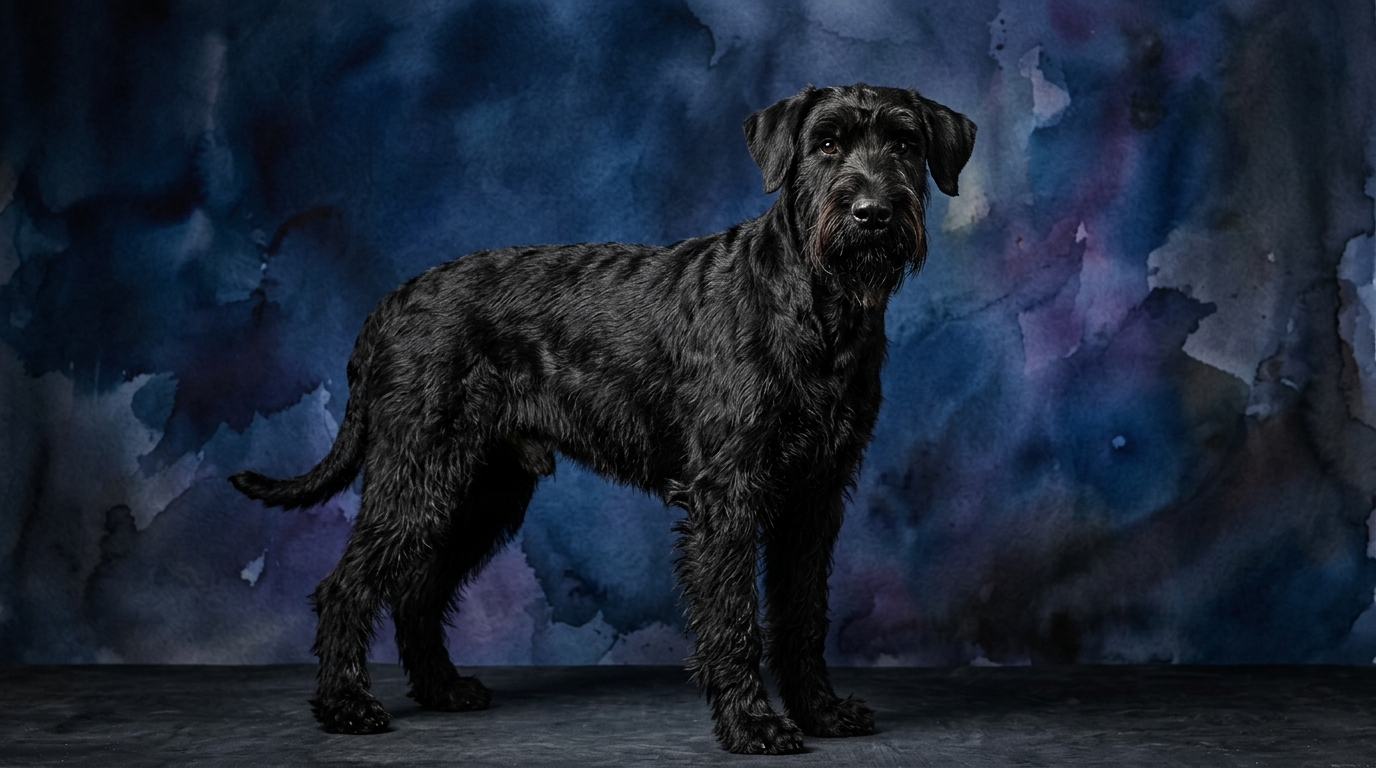
The Giant Schnauzer, a robust member of the Working Group, presents a cognitive profile optimized for utility and cooperation, reflected in its Coren rank of #28. Their Problem Solving is rated 4/5, indicating a strong capacity for deciphering novel situations and manipulating their environment. Training Speed also scores 4/5, suggesting quick uptake of new commands and routines, thriving on structured learning. Social Intelligence sits at 3/5, meaning they interpret human cues and form strong bonds, but retain independence. Their Instinctive Drive, also 3/5, is a balanced blend of protective instincts and willingness to work under direction. Finally, Memory at 4/5 ensures they retain complex learned behaviors and recall past experiences with precision.
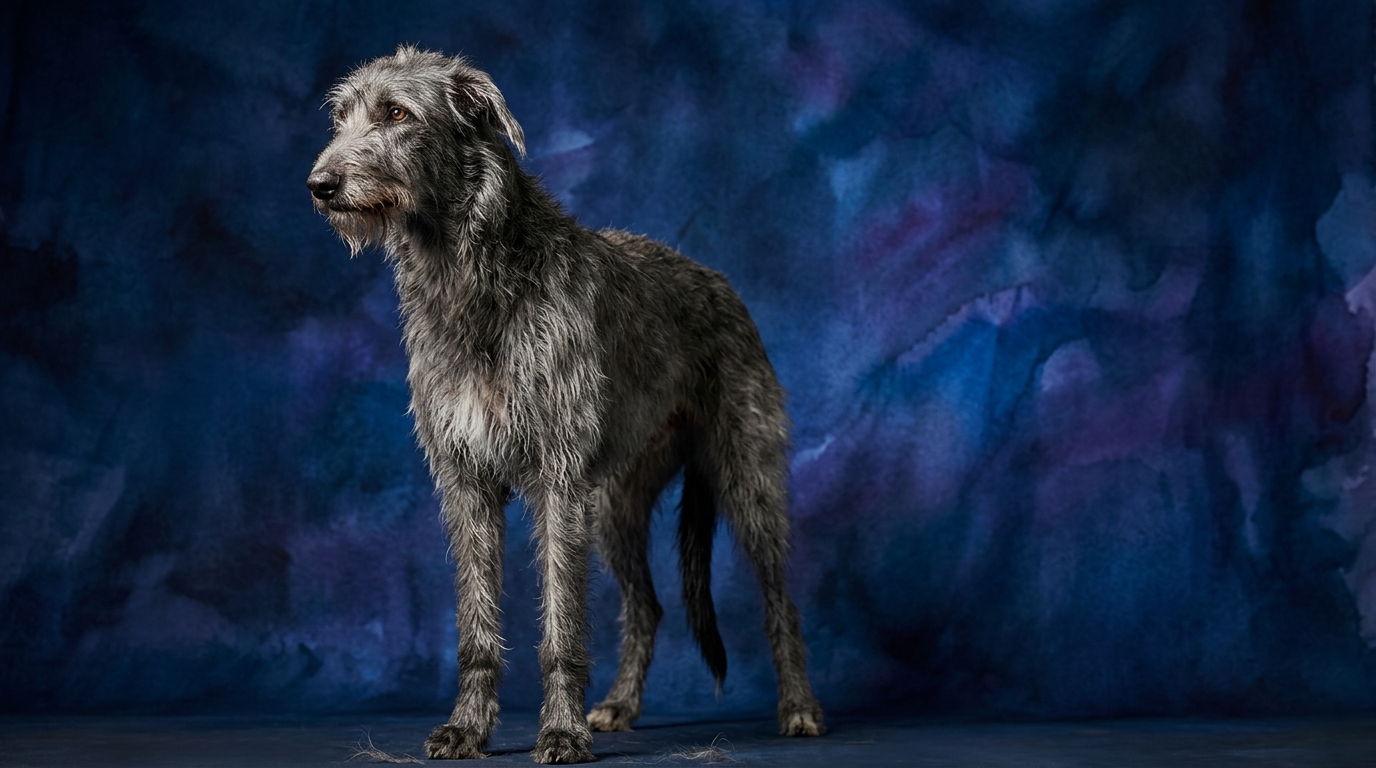
In contrast, the majestic Scottish Deerhound, a Sighthound without a Coren ranking, exhibits a cognitive makeup tailored for independent pursuit. Their Problem Solving is rated 3/5, indicating an ability to navigate practical challenges related to prey drive, but less inclination towards abstract puzzles. Training Speed also scores 3/5, implying a steady learning pace that may require more patient reinforcement, as sighthounds can be independent thinkers. Social Intelligence is 3/5, reflecting their gentle nature with family yet reserved demeanor with strangers. Their Instinctive Drive, also 3/5, is powerfully geared towards the chase, requiring rapid, autonomous decision-making. Memory, rated 3/5, allows them to recall routines and familiar individuals, though perhaps with less emphasis on detailed retention of multi-step commands.
Where Giant Schnauzer Wins Cognitively
The Giant Schnauzer's cognitive strengths distinctly outshine the Scottish Deerhound's in areas demanding complex, sustained engagement and a strong desire to work with a human handler. With a 4/5 in Problem Solving, they demonstrate superior aptitude for tasks requiring analytical thought, such as unraveling puzzle toys, navigating obstacle courses, or understanding multi-step commands. Their ability to generalize learned solutions to new problems is a testament to this higher cognitive flexibility. This breed excels at figuring out "how things work," whether opening a gate or understanding new training exercises. Furthermore, their 4/5 Memory means they not only grasp new concepts quickly (Training Speed 4/5) but also retain them over extended periods, making them reliable performers in advanced obedience, agility, or protection work. This robust memory allows for a broader repertoire of learned behaviors and greater capacity for detailed recall, crucial for precision tasks.
Where Scottish Deerhound Wins Cognitively
While the Scottish Deerhound's scores appear lower, their cognitive profile represents a specialized intellect, particularly suited to their original purpose. Their 3/5 in Instinctive Drive is not a weakness but a highly refined specialization: an unparalleled drive for visual tracking and pursuit over vast distances. This requires acute visual processing, rapid decision-making in dynamic environments, and an inherent understanding of prey movement—a distinct form of problem-solving. Their intelligence manifests as intuitive, independent hunting acumen, where split-second judgments are made without human intervention. Furthermore, their 3/5 Social Intelligence, though matching the Schnauzer's, translates into gentle, empathetic companionship that relies less on obedience and more on subtle emotional attunement within the family unit. They excel in providing calm, affectionate presence, understanding unspoken cues of comfort, a different dimension of social cognition. Their memory, while 3/5, is exceptionally tuned to spatial awareness and recalling terrain, vital for effective sighthound work.
Which is Easier to Train and Why
When it comes to formal training, the Giant Schnauzer presents a significantly more straightforward experience due to its superior scores in Training Speed (4/5) and Problem Solving (4/5). These dogs possess a natural inclination to engage with their handlers, absorb new commands rapidly, and derive satisfaction from mastering tasks. Their working dog heritage has instilled a desire for purpose and a cooperative spirit, meaning they are often eager to please and respond well to structured, consistent training methods. They thrive on mental stimulation and view training as an enjoyable activity, making them excellent candidates for advanced obedience, dog sports, or even service roles. Their strong memory further cements learned behaviors, ensuring reliability.
The Scottish Deerhound, with its 3/5 ratings in both Training Speed and Problem Solving, offers a different training journey. As sighthounds, they are inherently independent thinkers, bred to make decisions about pursuit far from human direction. This means they can be less motivated by repetitive drills or tasks that don't immediately align with their inherent drives. While capable of learning, they often require more patience, creativity, and positive reinforcement to maintain engagement. Their focus can be easily disrupted by visual stimuli, making training in distracting environments challenging. Understanding their independent spirit and leveraging their love for short, engaging sessions, rather than expecting unwavering obedience, is key to successful training.
Which Suits Active Owners vs Relaxed Owners
The Giant Schnauzer is an ideal match for active owners who relish consistent engagement, mental challenges, and a canine partner eager for a "job." These dogs thrive with vigorous daily exercise, which can include long walks, runs, or structured activities like agility and obedience. Their high cognitive scores mean they need owners prepared to provide ample mental stimulation through puzzle toys, trick training, or advanced dog sports to prevent boredom. An owner who enjoys a structured routine and wants a dog that can actively participate in their daily tasks will find the Giant Schnauzer a rewarding companion.
Conversely, the Scottish Deerhound is better suited for owners who appreciate a generally relaxed indoor companion but understand the necessity of providing specific outlets for their breed's unique energy. While not high-strung, their sighthound heritage demands regular opportunities for full-speed gallops in a securely fenced area. These bursts of intense exercise are crucial for their physical and mental well-being, but they are typically content to lounge and be affectionate indoors afterward. Owners who prefer a less demanding training regimen, value quiet companionship, and possess a large, safe space for their dog to run freely will find the Scottish Deerhound a gentle and devoted family member.
The Verdict
Choose a Giant Schnauzer if you are an active owner seeking a highly trainable, cognitively engaged partner for advanced training, dog sports, and a structured lifestyle.
Opt for a Scottish Deerhound if you desire a gentle, calm companion for a relaxed home, providing regular opportunities for independent, high-speed running in a secure environment.
🧠 Find Your Pet's IQ Score
Our Pet IQ Lab assessment covers 25+ tests across 5 cognitive dimensions — personalized to your breed.
Take the Full IQ Test →Frequently Asked Questions
Are Giant Schnauzers good for first-time dog owners?
Giant Schnauzers can be a handful for first-time owners due to their strong will, high energy, and need for consistent training and mental stimulation. They thrive with experienced owners who understand working breeds.
Do Scottish Deerhounds require a lot of grooming?
Scottish Deerhounds have a relatively low-maintenance coat, requiring weekly brushing to remove loose hair and prevent matting. They are not heavy shedders, but consistent grooming helps keep their coat healthy.
Can Scottish Deerhounds live in apartments?
While calm indoors, Scottish Deerhounds are large and require significant space for exercise, including a securely fenced yard for their essential full-speed runs. Apartment living is generally not ideal unless the owner can commit to extensive daily outdoor exercise in appropriate areas.