Side-by-Side IQ Profile
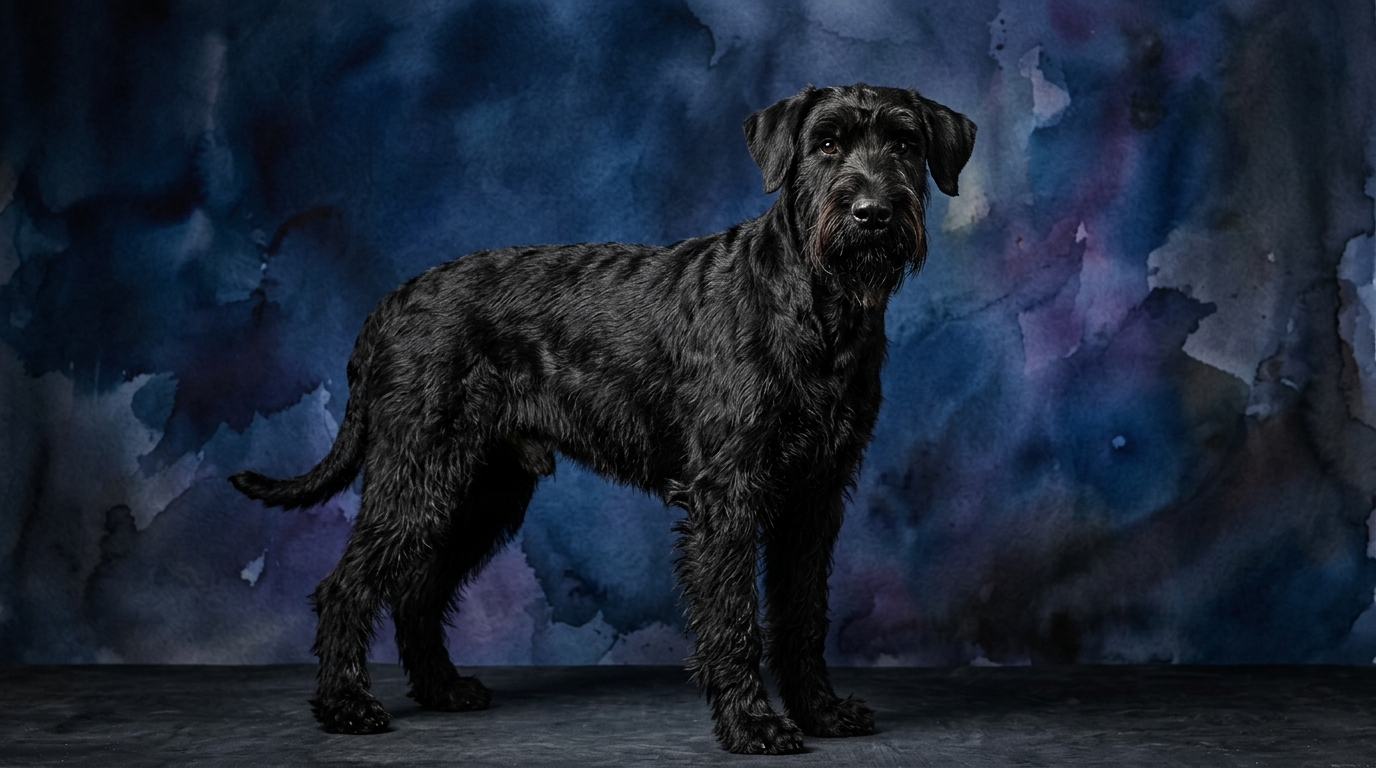
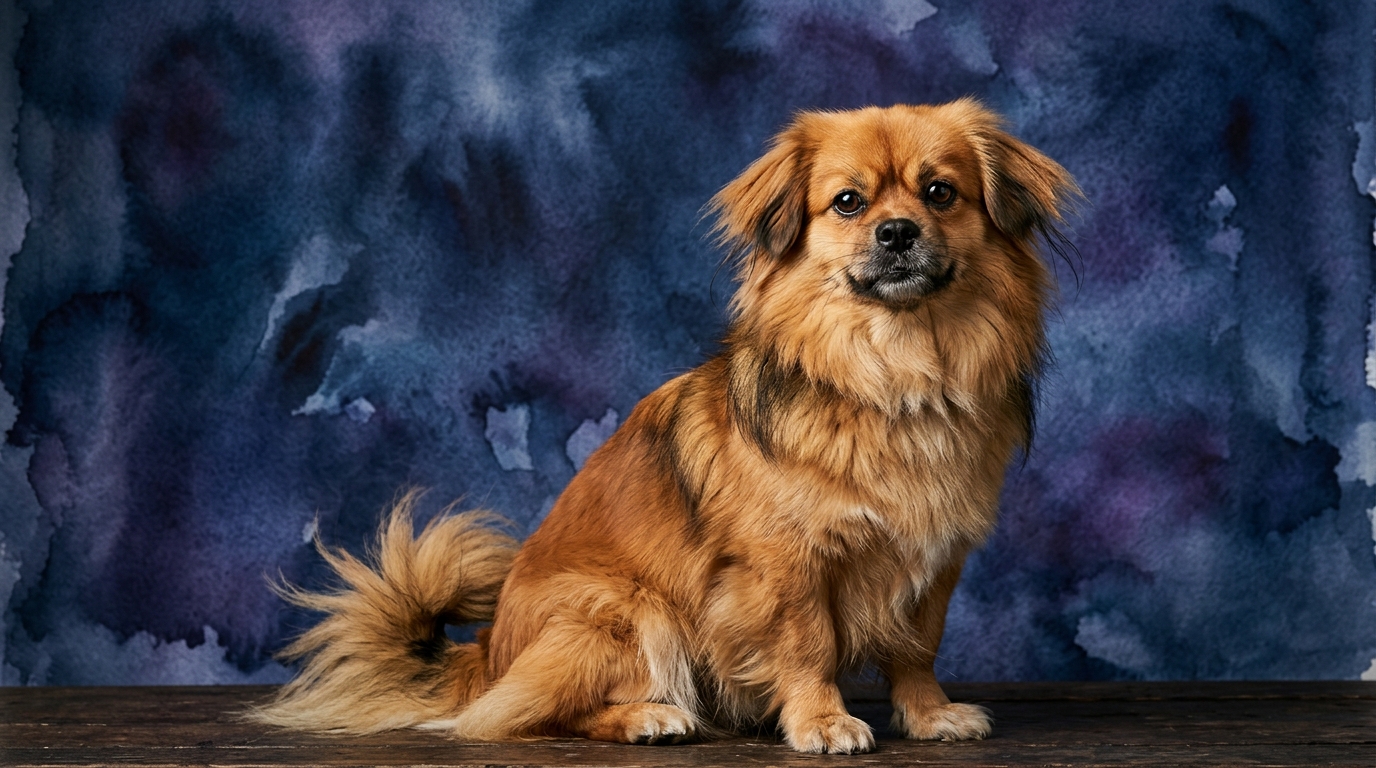
At first glance, the formidable Giant Schnauzer and the charming Tibetan Spaniel appear to occupy opposite ends of the canine spectrum, a divergence mirrored in their cognitive profiles. The Giant Schnauzer, a member of the Working Group and ranked #28 in Coren's intelligence scale, presents a robust intellectual toolkit. Its problem-solving ability scores 4 out of 5, indicating a capacity for tackling complex, multi-step challenges and understanding intricate sequences. This breed's training speed also stands at an impressive 4 out of 5, reflecting its eagerness and aptitude for quickly grasping new commands and mastering advanced routines. Social intelligence for the Giant Schnauzer is 3 out of 5; while observant of human cues and loyal to its family, it often displays a discerning nature, not always universally effusive with strangers. Its instinctive drive, rated 3 out of 5, speaks to its protective and guarding tendencies, a legacy of its working heritage, yet these drives are typically manageable with proper guidance. Finally, the Giant Schnauzer's memory is a strong 4 out of 5, allowing it to effectively retain learned behaviors, recognize individuals, and recall past experiences over extended periods. In contrast, the Tibetan Spaniel, a Non-Sporting breed not specifically ranked by Coren, offers a different, equally compelling cognitive landscape. Its problem-solving score is 3 out of 5, signifying a practical intelligence focused on navigating its immediate environment and finding solutions to everyday comforts, rather than abstract tasks. The Tibetan Spaniel's training speed is also 3 out of 5; these dogs learn at a steady pace, thriving with consistent, engaging methods, though their independent spirit means owners need patience and creativity. Social intelligence for the Tibetan Spaniel mirrors the Schnauzer at 3 out of 5, manifesting as a profound attunement to their family's moods and a reserved, watchful demeanor with outsiders, forming deep, affectionate bonds within their chosen circle. Its instinctive drive, also 3 out of 5, primarily revolves around its historical role as a companion and 'little lion' sentinel, alerting to changes but lacking strong prey or herding drives. The Tibetan Spaniel's memory, rated 3 out of 5, is solid within its familiar routines and for remembering family members, though perhaps less geared towards recalling long, complex sequences of commands.
Where Giant Schnauzer Wins Cognitively
The Giant Schnauzer's cognitive strengths distinctly shine in areas demanding sustained mental effort and complex task execution. With a problem-solving score of 4/5, these dogs excel at deciphering intricate challenges, from mastering elaborate obedience routines to navigating complex agility courses with precision. Their superior training speed, also 4/5, means they not only grasp new concepts quickly but also enjoy the process of learning, often seeking out mental stimulation. This translates into an ability to learn and perform sequential behaviors, making them adept at specialized roles like protection work, advanced scent detection, or even service tasks that require multiple steps and decision-making. Coupled with a 4/5 memory, the Giant Schnauzer demonstrates remarkable retention of vast repertoires of commands and experiences, allowing them to build upon past learning and adapt efficiently to variations in tasks. They possess a cognitive stamina that thrives on being given a 'job' to do, consistently applying their intellect to achieve specific outcomes, a hallmark of their working dog heritage.
Where Tibetan Spaniel Wins Cognitively
While the Tibetan Spaniel's cognitive profile might appear less geared towards complex 'work,' its strengths are profoundly practical and socially nuanced. Its problem-solving score of 3/5, though lower than the Schnauzer's, manifests as an excellent environmental awareness and resourcefulness within its domestic sphere. These dogs are adept at figuring out how to get to the sunniest spot, access a preferred lap, or manipulate situations for their own comfort and amusement. Their social intelligence, rated 3/5, is a significant asset, allowing them to 'read the room' with remarkable accuracy, picking up on subtle human emotional cues and offering comfort or companionship precisely when needed. This isn't about performing complex tasks but about intuitive, empathetic interaction. Their instinctive drive, also 3/5, while not for herding or guarding, gives them a keen sense of their surroundings, making them excellent, watchful companions who will alert their family to anything unusual. The Tibetan Spaniel excels at being a discerning, sensitive presence, utilizing its cognitive abilities to enhance the well-being and emotional landscape of its human family, a unique and valuable form of intelligence.
Which is Easier to Train and Why
When it comes to ease of training, the Giant Schnauzer generally presents a more straightforward path for owners seeking structured obedience. Their high training speed (4/5) and problem-solving aptitude (4/5) mean they are quick studies, eager to absorb new commands and enjoy the mental exercise that training provides. These dogs thrive on clear direction and consistent leadership, possessing a strong desire to understand and comply, a trait deeply ingrained from their working origins. They are often motivated by praise and the satisfaction of a job well done, making them receptive to a wide range of training methodologies, especially those involving complex sequences. In contrast, the Tibetan Spaniel, with a training speed of 3/5, requires a different approach. While capable of learning, their independent spirit and focus on personal comfort mean they might not always see the immediate benefit in performing commands for their own sake. Training a Tibetan Spaniel demands patience, creativity, and a reliance on positive reinforcement, making sessions feel like a fun game rather than a chore. Their social intelligence helps them respond to their owner's mood, but their lower instinctive drive for 'work' means they are less likely to be driven by a desire to please through complex tasks. Owners must be prepared to make training engaging and rewarding to overcome this charming, yet sometimes stubborn, independence.
Which Suits Active Owners vs Relaxed Owners
The choice between these two breeds also hinges significantly on an owner's lifestyle and activity level. The Giant Schnauzer is an ideal match for active owners who can provide consistent, vigorous physical exercise and, crucially, abundant mental stimulation. These dogs were bred to work, and their cognitive profile (high problem-solving, training speed, and memory) means they require a 'job' to channel their considerable intellect and energy. Owners must be prepared for daily training sessions, engaging puzzle toys, dog sports like agility or obedience, or even practical roles such as protection or therapy work. Without sufficient mental and physical outlets, a Giant Schnauzer can become bored and potentially destructive, inventing its own forms of entertainment. Conversely, the Tibetan Spaniel is a superb fit for more relaxed owners. While they enjoy regular walks and playtime, their exercise requirements are moderate, and their primary need is for companionship and presence. Their cognitive needs revolve more around social interaction, navigating a comfortable home environment, and being an observant, comforting presence. They thrive on being close to their people, enjoying quiet moments as much as a spirited game in the yard. For an owner who values a sensitive, independent, yet deeply loyal companion without the demands of extensive structured training or high-intensity activities, the Tibetan Spaniel is an excellent choice.
The Verdict
Opt for the Giant Schnauzer if you are an active, experienced owner seeking a highly capable, trainable partner for advanced sports, protection, or demanding roles, capable of thriving with consistent mental challenges and firm, positive leadership.
Select the Tibetan Spaniel if you desire a sensitive, independent, and deeply companionable dog who offers subtle emotional support and thrives in a relaxed home environment, valuing presence and comfort over extensive structured training or high-intensity activities.
🧠 Find Your Pet's IQ Score
Our Pet IQ Lab assessment covers 25+ tests across 5 cognitive dimensions — personalized to your breed.
Take the Full IQ Test →Frequently Asked Questions
Do Giant Schnauzers get bored easily?
Yes, with a problem-solving score of 4/5 and a strong working drive, Giant Schnauzers require consistent mental engagement to prevent boredom. Insufficient stimulation can lead to them finding their own (often undesirable) 'jobs' around the house, making enrichment crucial.
Are Tibetan Spaniels good at learning tricks?
Tibetan Spaniels can certainly learn tricks, though their training speed is rated 3/5, suggesting they benefit from patient, positive reinforcement and making learning enjoyable. They might not master complex sequences as quickly as some working breeds, but their social intelligence allows them to respond well to engaging, reward-based sessions.
How do their social intelligence scores of 3/5 differ in practice?
While both breeds score 3/5 in social intelligence, the Giant Schnauzer's manifests as discerning observation and loyalty, often reserved with strangers, whereas the Tibetan Spaniel's shows as deep family attunement and a watchful nature. The Schnauzer's social interactions often involve assessing situations for protection, while the Spaniel's are geared towards companionship and alerting its human companions.